
Understanding Wadi Cherith in the Bible


Wadi Cherith, mentioned in historical accounts, was more than just a geographical feature. It was a sanctuary where individuals found refuge and sustenance during challenging times. This article explores the historical and cultural role of this location. The wadi stands as a sign of care received during times of need, highlighting enduring lessons of resilience found in this story.
Examining the story of Elijah at Wadi Cherith provides readers with a deeper understanding of faith and divine protection in times of need. The narrative encourages individuals to embrace periods of isolation as opportunities for personal reflection and exploration, using moments of solitude to reconnect with their values.
from the Western Wall to Masada.

What Is Wadi Cherith?
Wadi Cherith is a ravine or seasonal watercourse mentioned as a place of refuge from adversity. Located east of the Jordan River, it offered natural protection and a source of water. The wadi’s significance lies not just in its physical attributes but also in its symbolic role as a refuge in times of persecution and drought.
Elijah’s time at Wadi Cherith underscores the value of finding refuge and sustenance in moments of adversity. The story serves as a reminder of faith and the protection available in times of need. Reflecting on Elijah’s experience, modern readers can find inspiration to navigate their own personal challenges with trust and hope.
The term ‘wadi’ refers to a valley or ravine that typically remains dry except during the rainy season. This natural feature made Wadi Cherith a fitting location for a temporary retreat, providing isolation and seclusion. The name ‘Cherith’ itself is thought to derive from a root meaning ‘cut’ or ‘separate,’ symbolizing Elijah’s separation from society.
The time spent at Wadi Cherith exemplifies the power of solitude in fostering personal growth and renewal. The wadi’s natural seclusion provided a sanctuary for reflection and finding strength. This story encourages individuals to embrace periods of withdrawal as opportunities for introspection and exploration.

Where Is Wadi Cherith Located?
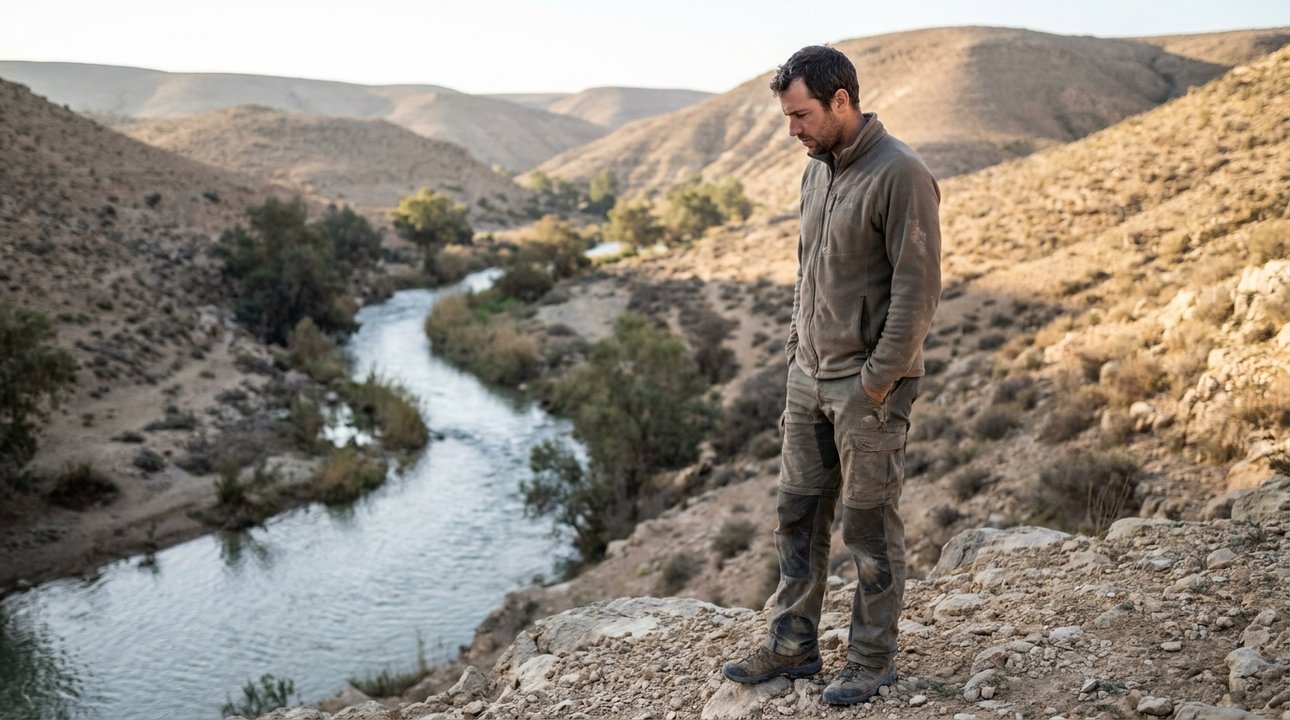
The exact location of Wadi Cherith is not definitively known, but it is generally associated with a site east of the Jordan River near present-day Jordan. This area, rich in history, provided essential water resources necessary for survival in the harsh wilderness. Its proximity to the river offered a natural sanctuary, and the area’s rugged terrain contributed to concealment from pursuit, making it an ideal place for refuge.
The rugged landscape of Wadi Cherith, with its rocky terrain and sparse vegetation, would have required resourcefulness for survival. This setting underscores the challenges Elijah faced and the protection he received during his time there. Despite the uncertainty of its exact location, the story of Wadi Cherith is still remembered by those who seek to understand its historical significance.
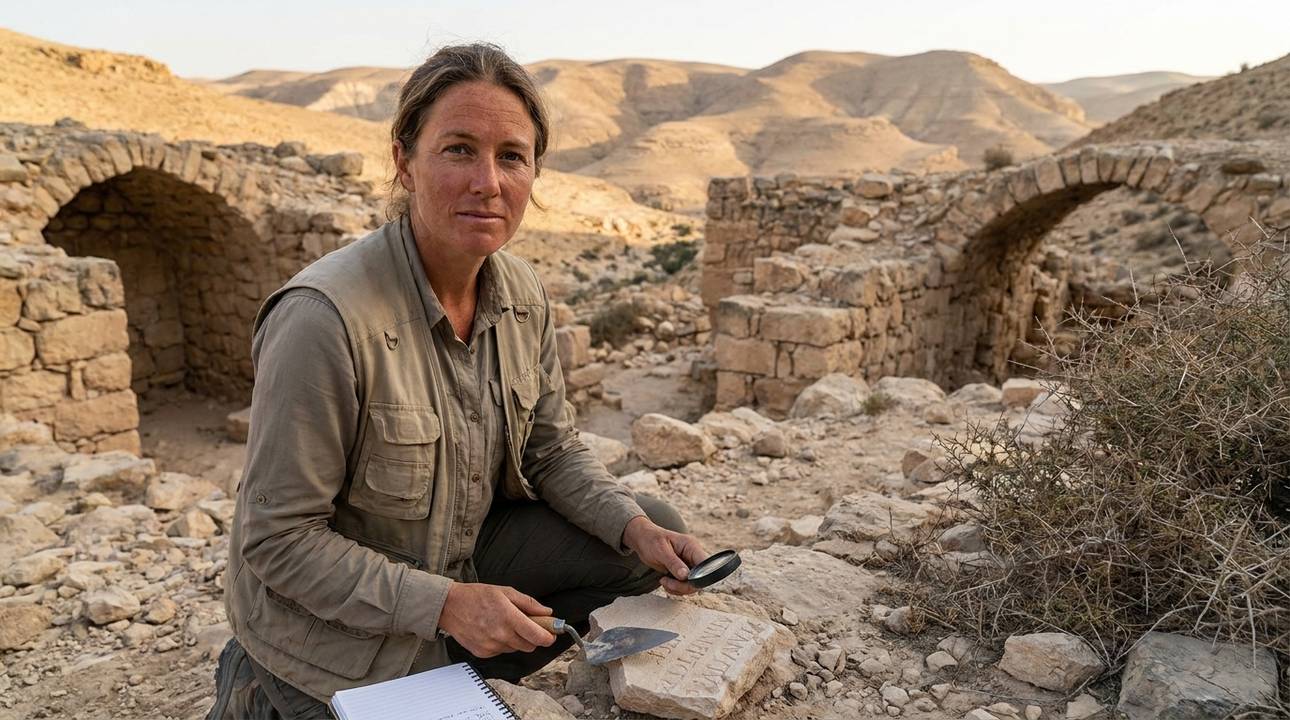
Historical maps and archaeological studies give us clues about the potential sites that match the description of Wadi Cherith. Scholars have debated its exact location, with some suggesting it could be near the Jordan River. These explorations enhance our understanding of the challenges faced in this landscape. The rugged terrain would have required resourcefulness, highlighting the significance of the journey and the protection received.
However, exact identification remains a topic of scholarly debate. Despite the uncertainty, the story of Wadi Cherith is still remembered by those who seek to understand its historical and spiritual significance. Elijah’s journey serves as a powerful reminder of faith and resilience, encouraging individuals to embrace periods of isolation as opportunities for introspection and growth.

Wadi Cherith in Historical Accounts
According to 1 Kings 17, Elijah was instructed to retreat to Wadi Cherith to escape persecution from King Ahab. During this time, he was provided with sustenance through ravens, demonstrating care and protection. This provision highlighted care and protection during a time of great need. The ravens brought Elijah bread and meat, showcasing an unexpected source of help.
Elijah’s time at Wadi Cherith exemplifies themes of faith and resilience. The provision of food from ravens, unlikely deliverers, highlights the unexpected ways in which assistance may come. This narrative reinforces the message that guidance can lead to unexpected paths of survival. It teaches that trust can open doors to new possibilities and support, encouraging individuals to trust in the journey and the lessons it brings.
The provision of food from unlikely deliverers highlights the unexpected ways in which assistance may come. This story reflects a period of preparation and renewal, reinforcing the message that guidance can lead to unexpected paths of survival. It teaches that trust can open doors to new possibilities and support.
Elijah’s time at Wadi Cherith serves as a reminder of faith and the protection available in times of need. Reflecting on this story, modern readers can find inspiration to navigate their own personal challenges with trust and hope. The narrative encourages individuals to embrace periods of isolation as opportunities for introspection and exploration, using moments of solitude to reconnect with their faith and values.
Cultural Role of Wadi Cherith
Wadi Cherith’s cultural role extends beyond its geographic characteristics. It is a site tied to intervention, where sustenance was provided during a drought. The wadi is remembered as a sign of trust and care, highlighting the enduring lessons of resilience found in this story.
from the Western Wall to Masada.
It’s remembered as a sign of faith, obedience, and care for Elijah. This location symbolizes the protection and guidance experienced by Elijah during his time of need. Reflecting on Elijah’s experience at Wadi Cherith, modern readers can find inspiration to navigate their own personal challenges with trust and hope, using periods of isolation as opportunities for growth and renewal.
Within cultural narratives, Wadi Cherith symbolizes places of solitude where individuals find strength away from the chaos around them. For many, it represents a journey towards understanding and trust in a greater plan. This symbolic value continues to influence how people perceive personal challenges as opportunities for growth and transformation.
The story of Elijah at Wadi Cherith highlights the importance of finding peace and clarity in moments of solitude. It encourages individuals to embrace periods of withdrawal as a means of reconnecting with their inner selves and beliefs. Reflecting on Elijah’s experience, modern readers can find inspiration to navigate their own personal challenges with faith and resilience, trusting in the journey and the lessons it brings.

Wadi Cherith in Jewish Reflective Thought
In reflective thought, Wadi Cherith serves as an emblem of periods of withdrawal for reflection and renewal. This symbolizes a time of introspection and connection. Teachings often emphasize the importance of quiet retreat as part of personal and communal life. This practice is seen as a way to reconnect with one’s inner self, providing a foundation for personal growth and understanding.
Elijah’s experience is seen as a model for finding strength in solitude. His time at Wadi Cherith, where he was sustained by ravens, is a sign of the power of faith and resilience in the face of adversity. The story of Elijah at Wadi Cherith is still remembered by those seeking solace and guidance in moments of isolation. It underscores the value of stepping away from the chaos of daily life to find peace and clarity.
Literature and studies ponder how this narrative offers lessons on trust when facing adversity. The time at Wadi Cherith exemplifies the sanctity of silence and the internal journey. This narrative encourages reflection and growth through solitude. Such reflections inspire future generations. The lessons from Wadi Cherith continue to resonate, offering guidance on how to navigate personal challenges with perseverance.
Modern Interpretations of Wadi Cherith
In contemporary times, Wadi Cherith has been interpreted as a metaphor for journeys undertaken away from societal demands. This interpretation resonates with those seeking personal growth and understanding in times of isolation or retreat. The story encourages introspection and exploration. The experience at Wadi Cherith serves as a reminder of the transformative power of solitude and reflection.
Elijah’s journey to Wadi Cherith is a powerful example of how stepping back from the world can lead to profound insights and personal growth. This story is still remembered by modern readers to embrace moments of solitude for renewal. By drawing on the lessons of Elijah’s experience, individuals today can find strength and clarity in their own lives, using periods of isolation as opportunities for introspection and self-discovery.
Modern narratives often draw parallels between Wadi Cherith and personal journeys of self-discovery. Elijah’s time at this wadi, as described in 1 Kings 17, symbolizes moments where individuals pause to reconnect with their values. In these interpretations, his retreat signifies moments where individuals pause to reconnect with their faith and values. This story encourages taking time for introspection and renewal, using periods of isolation as opportunities for personal growth and transformation.
Wadi Cherith, therefore, remains a potent symbol of renewal and hope. It reminds us that stepping away from daily life can lead to profound insights and personal growth. By drawing on the lessons of Elijah’s experience, individuals today can find strength and clarity in their own lives, using periods of solitude as opportunities for introspection and self-discovery, ultimately fostering a deeper connection with their faith and values.

The Legacy of Wadi Cherith
Wadi Cherith’s legacy lies in its message of hope and trust. It is where refuge was sought from adversity. This site serves as a powerful reminder of survival through care. For those studying history, the wadi represents a narrative rich with lessons on survival and care. It was here that sustenance was provided, illustrating a profound trust in provision. Through this story, Wadi Cherith reminds us of the potential for growth in solitude. It teaches that even in isolation, one can find strength and renewal.
This vignette is still remembered by scholars and individuals alike, bridging ancient text with modern life challenges. The journey to Wadi Cherith illustrates a profound moment of stepping away to find strength within. This journey remains a symbol of stepping away to find strength within. This story encourages individuals to seek solitude for personal growth and reflection. This enduring lesson remains relevant across different ages and contexts. The narrative of Wadi Cherith serves as a reminder that moments of isolation can lead to renewal and resilience.

Wadi Cherith in Historical Context