
Exploring the Valley of Jehoshaphat and Its Map


The Valley of Jehoshaphat is a site of both historical and cultural significance. It is commonly identified with the Kidron Valley, which lies between Jerusalem’s Old City and the Mount of Olives. This area is mentioned in various historical texts as a place of judgment.
This article explores its historical connections and geographical details, highlighting what it represents today. It is considered a setting for future events described in texts, where justice will be enacted.
The historical context of this area is deeply intertwined with its cultural significance. The Kidron Valley has witnessed numerous historical events, including the burial of notable figures from Judean history. Its proximity to Jerusalem adds layers of meaning, making it a focal point for those exploring its role in cultural narratives and its impact on Jewish memory.
from the Western Wall to Masada.

What Is the Valley of Jehoshaphat?
The Valley of Jehoshaphat is primarily mentioned within the context of prophecy. The name ‘Jehoshaphat’ means ‘Yahweh has judged’, reflecting its association with judgment. Various texts describe this location as the site where nations will be judged.
This setting is more than a physical locale; it is deeply embedded in cultural narratives.
Where Is the Valley of Jehoshaphat Located?
Tradition identifies the Valley of Jehoshaphat with the Kidron Valley, located between the Temple Mount and the Mount of Olives in Jerusalem. This area has played significant roles throughout history, serving as a key location in Judean times. Mentioned in various historical texts, it adds to its historical and cultural importance.
The Kidron Valley (often equated with Jehoshaphat) has witnessed numerous historical events and practices. However, precise boundaries and confirmations remain a topic of debate among historians.
Nonetheless, its symbolic weight remains impactful, particularly among those who view it as the future site of prophecy fulfillment. Its association with judgment and role in cultural narratives make it a place of interest for those studying Jewish traditions. Its presence in texts and history ensures continued relevance in both cultural and academic contexts.
The Valley in Prophecy
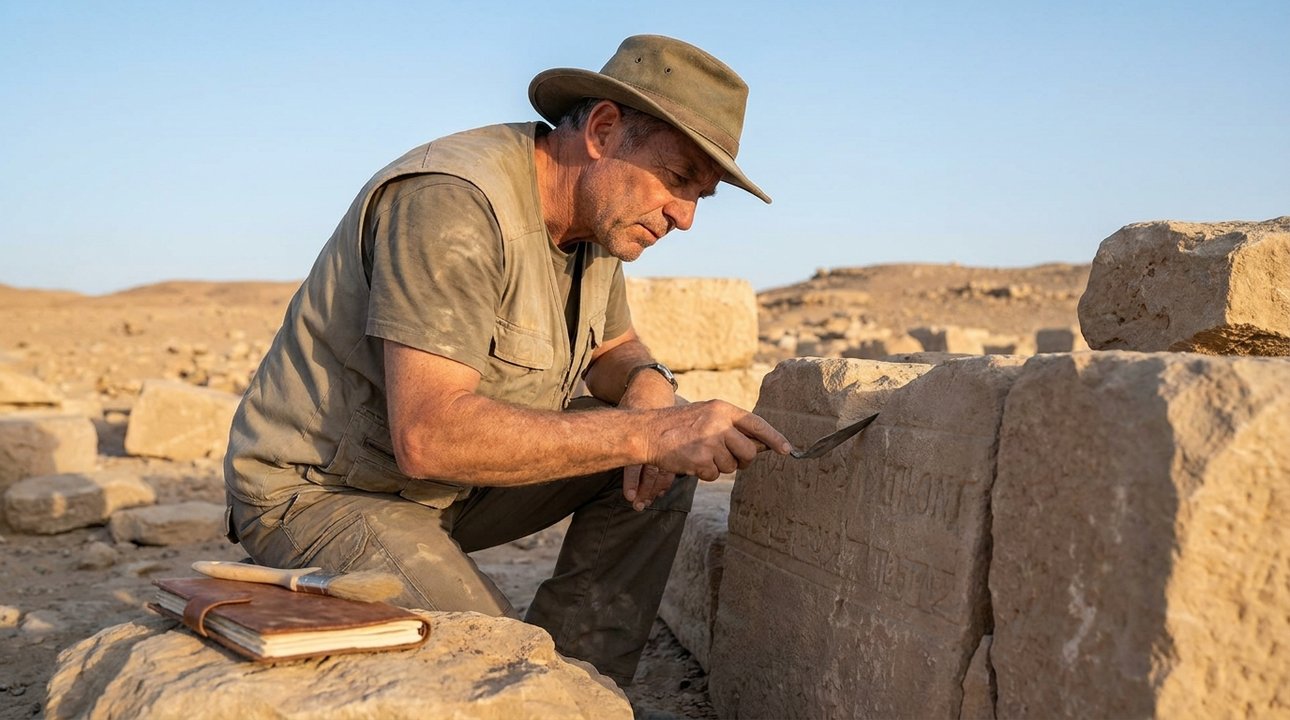
Various texts describe the Valley of Jehoshaphat as the site where nations will be judged. Beyond these texts, references to judgment involving this location resonate in cultural narratives. Some interpretations relate its significance to scenarios where ultimate judgment unfolds.
These narratives have influenced both Jewish and broader perceptions, embedding it within cultural traditions. The imagery of a gathering place for nations highlights its role in visions and discussions.
Emphasizing its lasting impact, this area is often seen as a symbol of divine justice and hope. The anticipation of future events as described in the Book of Joel is still remembered in religious thought and artistic expression. Its portrayal in religious texts and teachings underscores its importance in understanding Jewish eschatological beliefs and its influence on cultural and spiritual traditions.
Cultural Role over Time
Over the centuries, the Valley of Jehoshaphat has captivated imaginations, symbolizing judgment and interaction with humanity. In Jewish tradition, it is often linked to the future ‘Day of the Lord,’ where nations will be gathered for judgment. This has made it a location of interest for pilgrimage and contemplation.
In various texts, its role as a venue for future acts has maintained cultural relevance. It has inspired artworks and teachings, emphasizing its importance in narratives.
These portrayals maintain its place in the collective consciousness of believers and scholars alike, fostering ongoing interest and exploration. It is not just a geographical location but a symbol of divine justice and hope, as seen in Jewish eschatology. The imagery in religious art and literature continues to evoke a sense of awe and reverence, reinforcing its significance in spiritual traditions.
Understanding Its Geography
The geography of what is believed to be the Valley of Jehoshaphat aligns with the Kidron Valley. This area is a natural ravine running through Jerusalem, with steep sides and significant historical burials, including the Tomb of Absalom and other notable tombs. These reflect its long-standing significance in Jewish history and its role as a burial site for important figures.
Due to its positioning, it has played roles in defense and ceremonial traditions, adding layers to its overall importance. It has served as a strategic location throughout various historical periods.
from the Western Wall to Masada.
This geographical setting amplifies its historical dimensions, intertwining physical space with cultural heritage and narratives. Its role in Jewish beliefs, as a place of future judgment, further enhances its significance. Its presence in texts and traditions keeps it alive in the minds of those who study and revere its history, ensuring its continued relevance in both academic and cultural discussions.
The Valley of Jehoshaphat Today
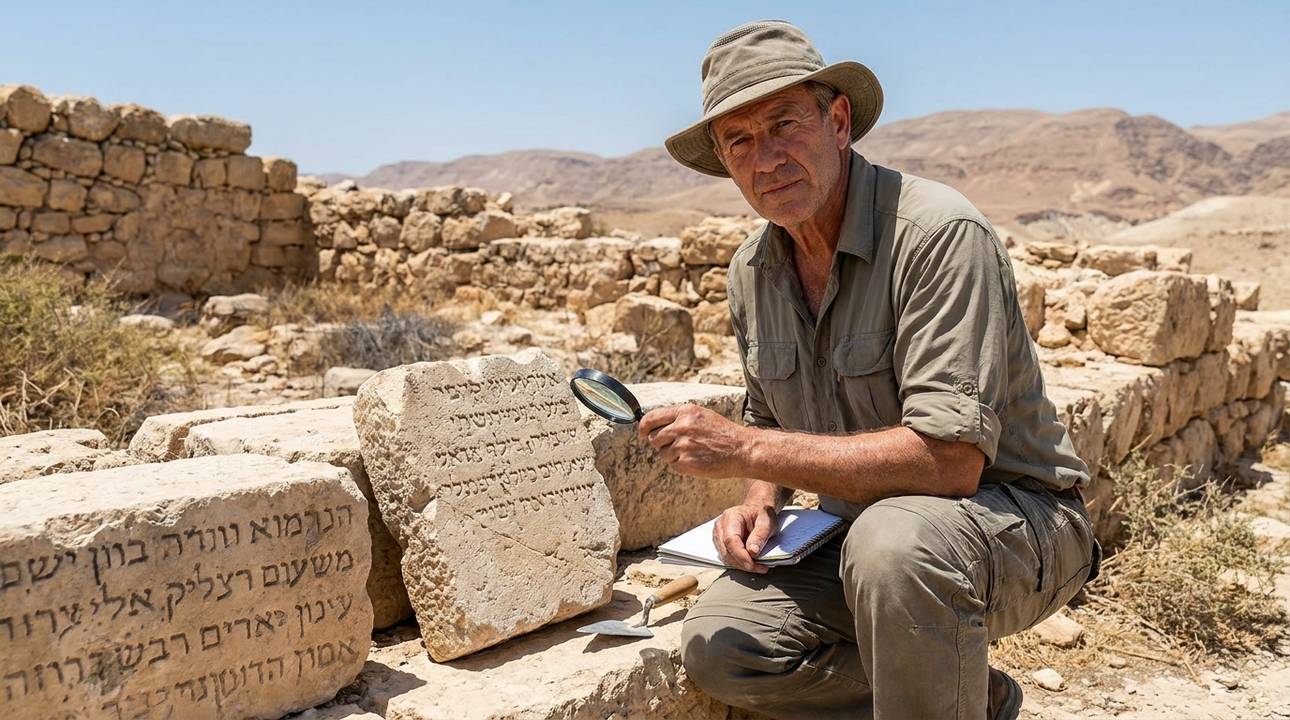
Today, the Kidron Valley remains a significant archaeological and historical site. Tombs lining its side tell stories of various periods throughout Judean history, such as the Second Temple period. Researchers continue to explore this area, uncovering artifacts that shine light on its past, like pottery and inscriptions.
Its resonance in religious teachings ensures its importance in modern spiritual life. As a symbol of judgment and a witness to history, the Valley of Jehoshaphat continues to evoke interest and reverence among visitors and scholars.
The ongoing archaeological discoveries in the Kidron Valley contribute to our understanding of its historical context and significance. The artifacts found there provide insights into the lives of those who lived and were buried in the area. Its connection to narratives and role in Jewish tradition make it a focal point for both academic study and reflection, ensuring continued relevance in contemporary discussions.
Its Impact on Jewish Thought and Practice
The Valley of Jehoshaphat holds profound significance in Jewish thought, particularly in the context of judgment. This anticipation is reflected in Jewish liturgy, such as during the High Holidays when themes of judgment and redemption are prominent. Phrases like ‘gather the nations’ echo within Jewish expectations, linking it with future redemption moments.
Such connections sustain its symbolic value, providing context and continuity for generations anticipating prophetic fulfillment.
Its role in Jewish liturgical practices underscores its importance in religious tradition. Mentioned during significant religious observances, it highlights its place in the collective consciousness of believers. Its symbolic representation of divine justice and redemption continues to resonate, offering a framework for understanding Jewish eschatological beliefs and their impact on cultural and spiritual life.

Conclusion: the Lasting Influence of the Valley
While the exact historical location may be debated, the Valley of Jehoshaphat remains an enduring symbol of hope and judgment. For believers, it is a reminder of promises and a representation of ultimate justice. This symbolism is reflected in passages that speak of the ‘valley of decision.’ It also serves as a geographical point connecting past traditions with future hopes. It continues to hold cultural, spiritual, and academic attention, a sign of its enduring resonance across time and belief systems.
Its symbolic weight is significant in Jewish eschatology, where it embodies the themes of judgment and redemption. Mentioned in the Book of Joel and other texts, it ensures its place in religious discourse and artistic representation. Its enduring presence in spiritual narratives highlights its role as a touchstone for those seeking to understand the interplay between divine justice and human history.
Understanding the Valley
