
Discovering the Valley of Shaveh


Shaveh is a notable historical location, representing a place of meeting and significance. Known primarily as ‘the king’s valley,’ it is associated with events that shaped leadership and milestones. In this article, we will explore its role in narratives, geographical setting, and its enduring presence in tradition. Its story is intertwined with the lives of key figures, showing the ancient world and its legacy.
What Is the Valley of Shaveh?
Shaveh appears in historical accounts as a location where significant gatherings took place. It is referred to as ‘the king’s valley,’ where Abram met the king of Sodom after returning from a victorious battle.
This event highlights its role as a site for diplomatic encounters and covenant formation. It was here that Melchizedek, king of Salem, brought out bread and wine, reinforcing its importance in history.
from the Western Wall to Masada.

The meeting between Abram and the king of Sodom underscores its significance as a neutral ground for negotiations. The presence of Melchizedek, a priest and king, adds a spiritual dimension to the event.
This encounter in Shaveh set the stage for future covenants, symbolizing the intersection of divine approval and human leadership, a theme that resonates throughout the Hebrew Bible.
Geographical Location of the Valley
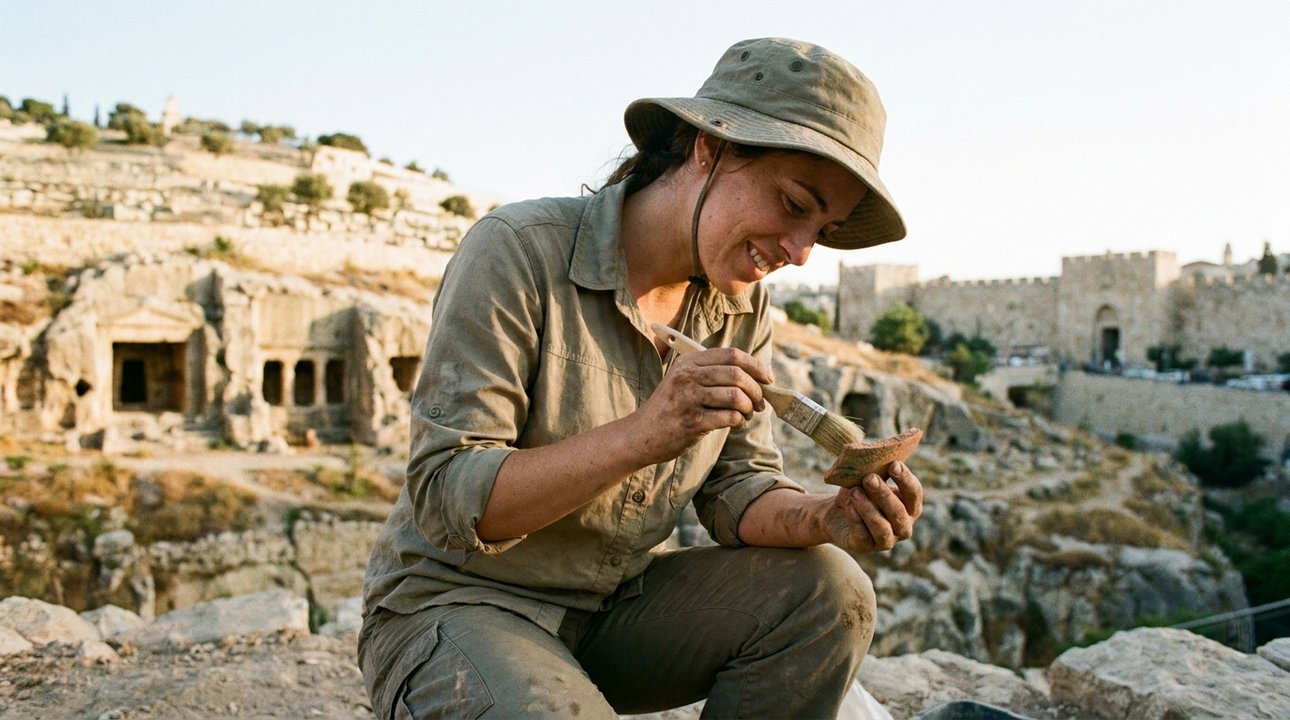
Located near Jerusalem, Shaveh’s precise location remains a topic of debate among scholars. Many propose it lies close to the Kidron Valley, which runs between the Mount of Olives and the eastern wall of Jerusalem.
This location offered a strategic position for meetings, allowing leaders to convene in a neutral and accessible area. Its proximity to the city made it an ideal site for important gatherings and exchanges, facilitating diplomatic interactions.
Its strategic importance is underscored by its accessibility from key routes leading to Jerusalem. This made it a natural choice for leaders seeking to discuss alliances or resolve conflicts. The Kidron Valley’s history as a burial site for kings and prophets further adds to the mystique surrounding Shaveh, contributing to its reputation as a place of both political and spiritual significance.
Historical Events in the Valley
Shaveh’s significance is tied to key historical events. After defeating various kings, Abram returned and met Melchizedek, king of Salem, in this valley.
Melchizedek marked a pivotal moment in the establishment of his lineage. This meeting is seen as an endorsement of Abram’s future, setting the stage for the covenant between Abram and the divine. It thus becomes a symbol of approval and leadership, resonating through history.
The meeting between Abram and Melchizedek in Shaveh is a foundational moment in history. It underscores the themes of leadership and approval, as Melchizedek, a priest, offers bread and wine to Abram. This act is seen as a precursor to the establishment of Israel’s political identity, highlighting its significance in the narrative of the Hebrew Bible. The event is a sign of the enduring power of leadership.
Cultural Role of Shaveh
Shaveh holds a cultural role within history. The meeting between Abram and Melchizedek underscores themes of leadership and approval that continue to resonate in tradition. Melchizedek’s endorsement of Abram is seen as a divine endorsement of his leadership, reinforcing the connection between authority and governance. It thus embodies the connection between guidance and rulers, serving as a reminder of the importance of righteous leadership.
The cultural role of Shaveh is reflected in its role as a meeting place for leaders. The interaction between Abram and Melchizedek highlights the importance of seeking divine guidance in leadership. This event is often used in religious teachings to illustrate the balance between spiritual and political power, encouraging leaders to seek wisdom and justice in their actions. It serves as a reminder of the values that should guide governance, emphasizing the need for integrity and ethical decision-making.
Historical References to Shaveh
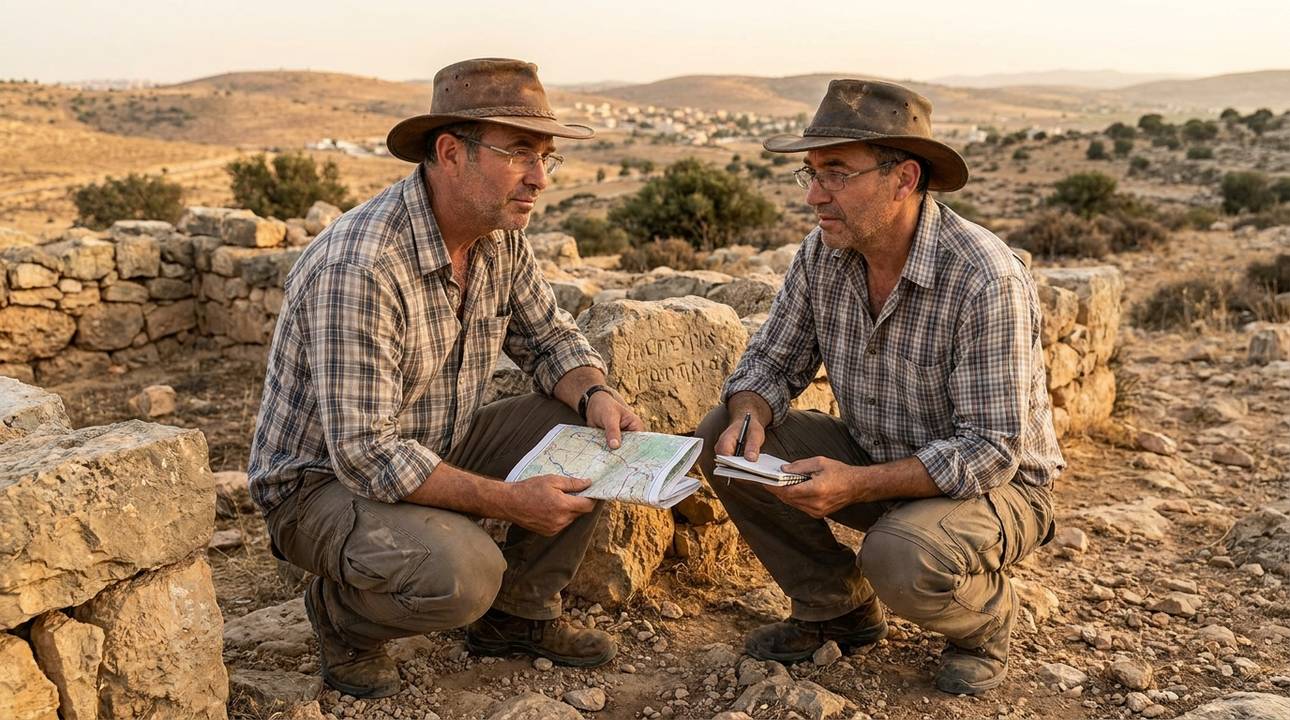
Shaveh is mentioned primarily in association with leaders and covenants. It is described as the place where Abram met the king of Sodom.
Apart from this, later texts reflect on its symbolic meaning as a place of promise and fulfillment. In tradition, Shaveh is seen as a site where promises were affirmed, enhancing its narrative importance.
This aspect makes it more than a mere geographic reference, emphasizing its role in history.
from the Western Wall to Masada.
Present-Day Understanding of Shaveh
Today, Shaveh is studied for its historical and archaeological relevance. The meeting of Abram and Melchizedek highlights its role in early narratives. While physical remnants are sparse, its narrative impact is immense. Scholars often explore its significance in ancient society, examining how such locations served as meeting places for leaders. It is still remembered in studies into the ancient societal structures and leadership paradigms it represents.
Shaveh also serves as a focal point for understanding ancient covenant practices. The exchange between Abram and Melchizedek is seen as a prototype for later covenants in Jewish history.
This valley, though not extensively excavated, remains a symbol of the intersection between divine favor and human leadership, continuing to captivate historians and theologians alike. Its legacy is preserved in religious teachings, highlighting the enduring relevance of its themes.
Archaeology and the Valley of Shaveh
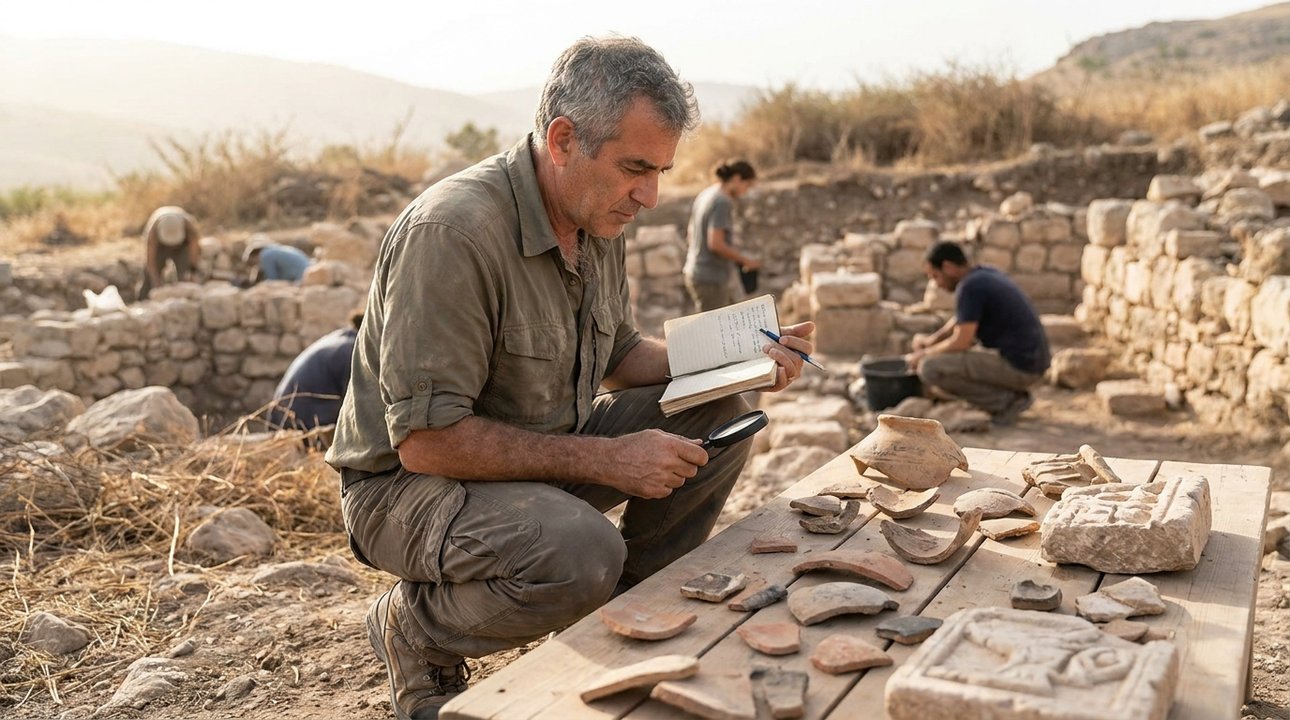
While direct archaeological evidence is limited, nearby excavations offer insights into the era’s context. Findings from locations around Jerusalem, such as the City of David, help form a picture of its strategic significance.
These artifacts provide a glimpse into the world where Shaveh held its place in history. Items like pottery and inscriptions offer clues about the daily life and governance structures of the time.
Such discoveries enrich our understanding of its role in the broader historical landscape.
The strategic significance of Shaveh is further illuminated by archaeological finds in the region. Excavations in nearby areas have uncovered artifacts that suggest a thriving community with complex social structures.
These findings help historians piece together the historical context in which Shaveh existed, shedding light on its importance as a meeting place for leaders and a site of significant events in history. Its role as a hub of activity is reflected in these discoveries.
Shaveh’s Role in Jewish Tradition
Tradition reflects deeply on Shaveh as a place of leadership. It serves as a symbol of unity and intention, often referenced in teachings and discussions. This event is seen as a precursor to the establishment of Israel’s political identity. This enduringness in tradition underscores its role in shaping shared history, reminding us of the importance of unity and leadership.
Shaveh’s role in tradition is significant, as it represents a place where leadership intersects. The endorsement of Abram by Melchizedek is a key moment that is still remembered in discussions on the nature of leadership. Teachings often use Shaveh as an example of how leaders should seek guidance in their endeavors, highlighting its lasting influence on thought. It serves as a reminder of the values that underpin effective and ethical leadership.
The Valley of Shaveh in Modern Culture
Modern cultural works and discourse often revisit the themes of Shaveh. The valley is where Abram is endorsed by Melchizedek, a moment that echoes through teachings.
Its legacy provides a foundation for exploring leadership, covenant, and unity in contemporary settings. Its story is retold in literature and art, emphasizing its lasting impact. It remains a metaphorical space for discussions on values and governance, symbolizing the quest for righteous leadership.
The themes of Shaveh are reflected in modern discussions about leadership and ethics. The interaction between Abram and Melchizedek highlights the importance of righteous governance.
In religious discourse, Shaveh is often used to illustrate the balance between spiritual authority and political power, encouraging leaders to seek wisdom and justice. This narrative serves as a timeless reminder of the values that should guide those in positions of power, emphasizing integrity and moral responsibility.
Understanding the Valley
