Unveiling the history of Kedar


Kedar is an intriguing place mentioned within historical accounts.
This article delves into its origins, historical context, and its significance in ancient narratives.
Explore how Kedar contributes to the ancient Middle Eastern history.
What Is Kedar?
Kedar is a name found in ancient texts, referring to a group descended from Ishmael.
These people are often associated with nomadic groups known for their skills in trade and war.
Scriptures reference Kedar as one of the prominent Ishmaelite tribes.
from the Western Wall to Masada.

In the historical context, Kedar’s name appears in various prophecies and narratives.
Their legacy is intertwined with Ishmael, who was a significant figure in their lineage.
Kedar represents strength and resilience in the desert regions.
The Geography of Kedar
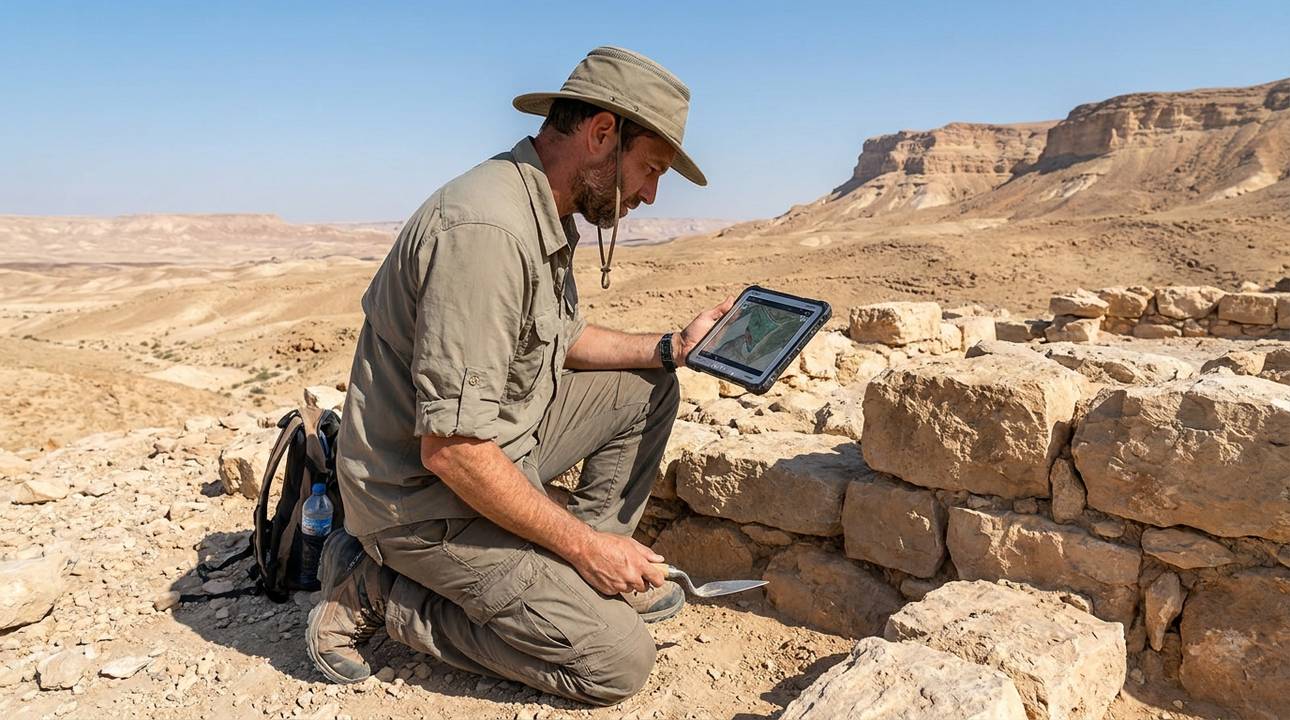
Kedar’s territory is thought to be in the Arabian Peninsula. Historical texts, such as those by Herodotus, often place them in northern Arabia, near the Nabateans.
Its precise location remains debated, often linked with northern Arabia. The area’s geography, characterized by deserts and oases, shaped the lifestyle and culture of its inhabitants, who became adept at navigating and surviving in such environments.
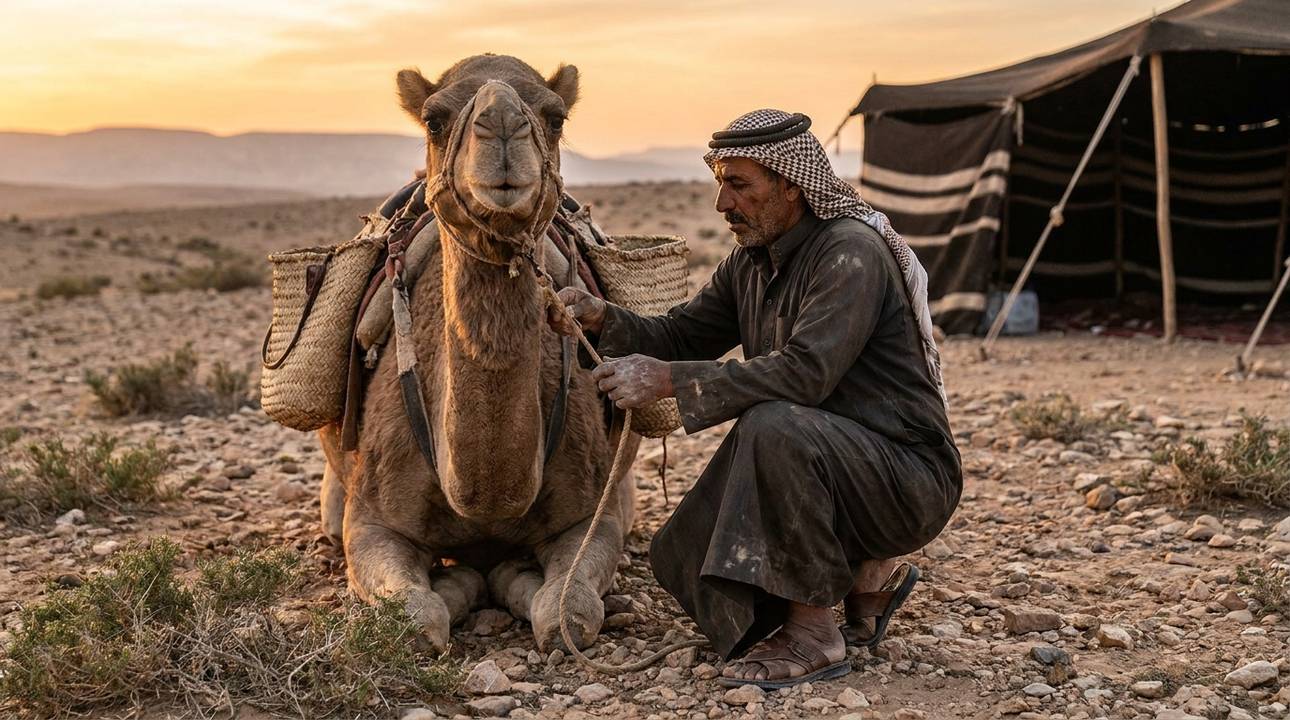
The area’s geography shaped the lifestyle and culture of its inhabitants. The harsh desert conditions necessitated a nomadic lifestyle, with Kedarites moving between grazing lands. Their expertise in managing camels and other livestock was crucial for survival. This nomadic way of life also facilitated trade and cultural exchanges with neighboring tribes, contributing to the mix of Arabian history.
Their presence in the desert regions emphasizes a nomadic lifestyle. This lifestyle is reflected in historical references, where their tents and flocks are mentioned.
Kedar’s people adapted to the challenges of arid environments. They developed skills in water conservation and animal husbandry, which were essential for survival in the harsh desert climate.
Trade routes in this region facilitated cultural exchanges with neighboring groups. The Kedarites’ knowledge of these paths made them valuable partners in commerce, connecting distant regions.
Their interactions with other communities and merchants helped spread cultural practices and innovations, contributing to the dynamic cultural landscape of the ancient Near East.
Historical References and Significance
Scriptures mention Kedar in several contexts, highlighting its influence.
Kedar appears in Isaiah, Jeremiah, and Ezekiel, portraying aspects of strength and trade.
These references offer insights into the group’s interactions with Israel.
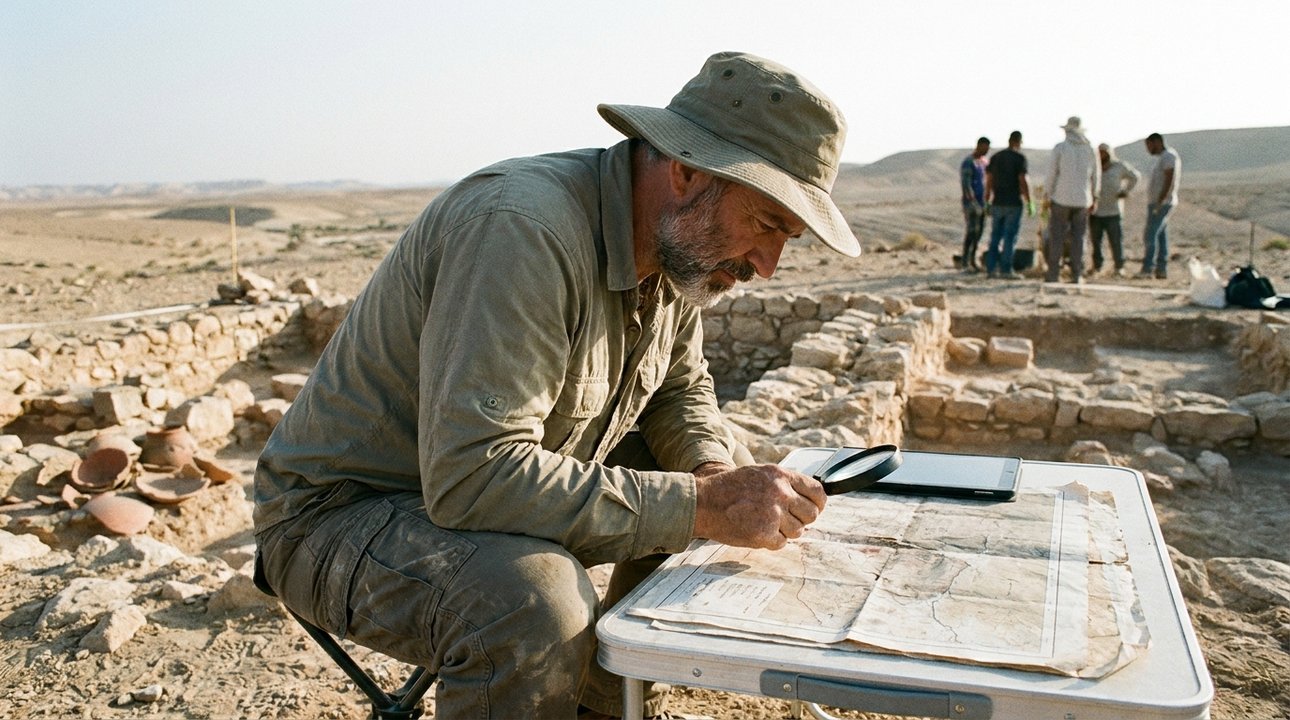
Historical texts speak of Kedar’s tents, implying their nomadic lifestyle. Their settlements are highlighted for their community life. Such depictions help understand the cultural and social dimensions of Kedar. Known for their archery skills, as described in various texts, these were essential for both hunting and defense.
known for their archery skills, the group was described in various texts. Their expertise made them respected warriors and sought-after allies. The nomadic lifestyle of the Kedarites allowed them to move swiftly across the desert, using their skills to great effect in both hunting and warfare, as noted in historical accounts.

Kedar’s Cultural and Economic Role
Kedar played a critical role in ancient trade networks. Their strategic location allowed them to control key routes, enhancing their influence. Known for their livestock and pottery, these were traded with neighboring regions. Historical references highlight the importance of their goods in regional commerce.
This contributed to their economic stability and regional influence. The Kedarites’ pottery, known for its craftsmanship, was highly sought after, reaching markets as far as Mesopotamia.
Their economic activities not only brought wealth but also fostered cultural exchanges, as traders from different regions interacted with Kedar’s people, sharing ideas and customs.
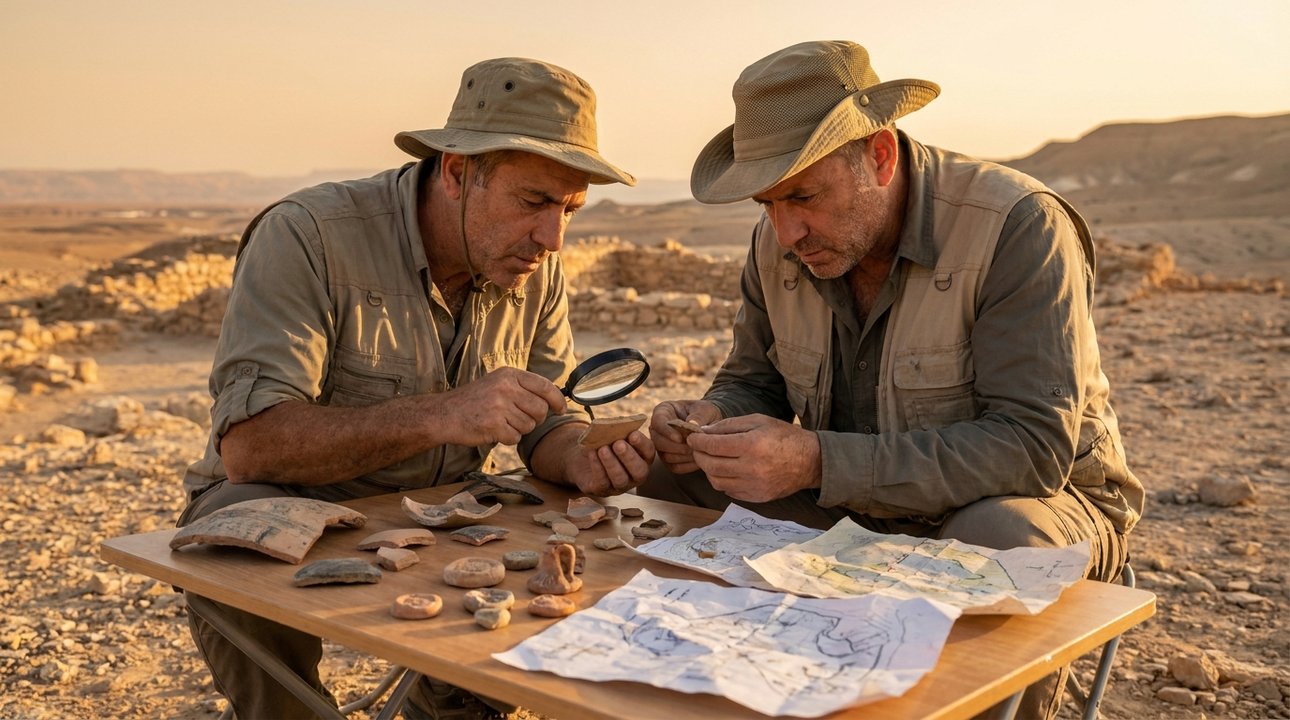
Kedarites’ expertise in crafting sophisticated pottery is well-documented. Archaeological findings have uncovered intricately designed pottery pieces attributed to them.
Their products were sought after in various parts of the ancient world. This demand is evident in trade records and the presence of Kedarite pottery in distant regions, indicating a wide trade network.
Trade routes crossing their territory facilitated the flow of goods and culture. Historical references underscore their role in ancient commerce.
The exchange of goods also brought cultural influences, as traders shared stories, technologies, and customs, enriching the cultural fabric of the regions connected by these routes.
from the Western Wall to Masada.
Kedar’s Historical Context and Legacy
Historically, Kedar emerges as a symbol of endurance and wealth. The group is mentioned in historical texts, highlighting their significant role at various points in history.
Their ability to adapt and thrive in harsh climates reflects their resilience. Known for their skill in raising camels, which were vital for trade across the Arabian deserts, further enhancing their economic power.
The community held significant power at various points in history. They were part of a significant confederation, which highlights their lineage and influence.
Their ability to adapt and thrive in harsh climates reflects their resilience. The Kedarites’ strategic location allowed them to control important trade routes, facilitating the exchange of goods like spices and incense, which were highly valued commodities.
Kedar’s military capabilities were highly regarded in historical texts. References emphasize their skill in battle.
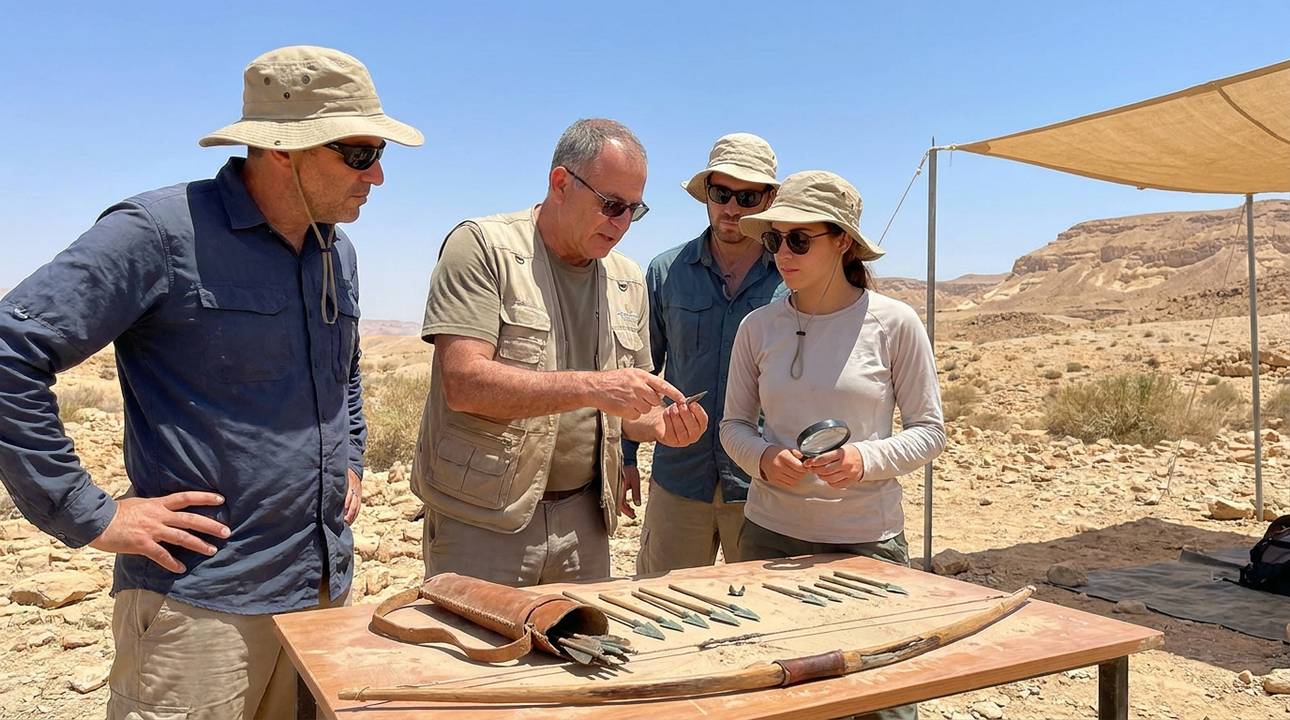
Their fighters were noted for their expertise in archery, a key military asset. This skill made them formidable opponents and valuable allies in regional conflicts, enhancing their reputation over time.
This prominence added to their reputation historically. Kedarite archers were often employed as mercenaries by neighboring kingdoms, further spreading their influence.
Their military prowess was not just in archery but also in their strategic use of the harsh desert terrain, which they knew intimately, giving them an advantage over less familiar foes.
Kedar in Modern Perspectives
Today, Kedar is studied for its role in historical narratives.
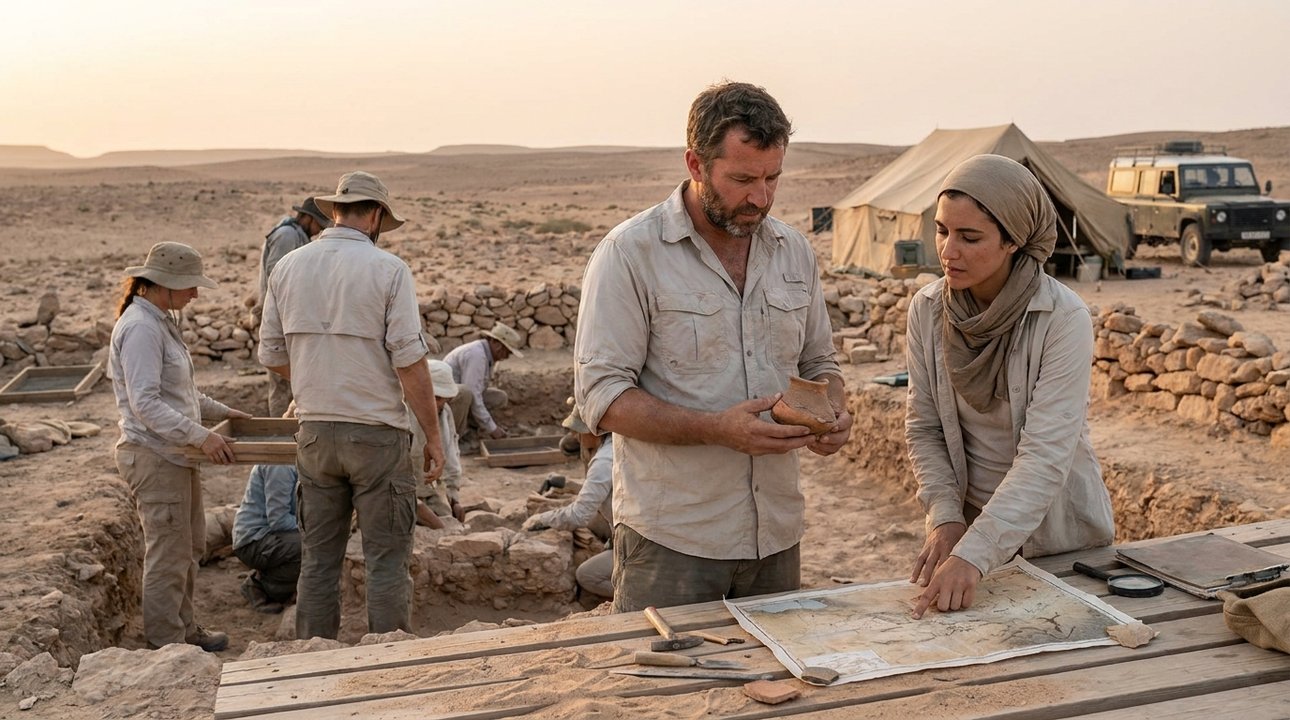
Archaeological interests often focus on uncovering the lifestyle of Kedarites.
Modern perspectives appreciate their contributions to ancient society.
Academics seek to understand Kedar’s impact on trade and culture.
Their legacy continues to be significant in the context of Middle Eastern history.
Studies offer insights into their adaptation to challenging environments.
Conclusion: Kedar’s Lasting Influence
Kedar remains an essential part of historical studies. The group is noted as traders of lambs, rams, and goats.
Its story is one of adaptation, trade, and cultural interchange. The Kedarites’ interactions with other cultures, such as the Assyrians and Babylonians, provide insights into the dynamics of ancient Middle Eastern societies.
The legacy of Kedar offers valuable insights into the ancient Middle East. Their role in trade networks helped spread cultural and technological innovations.
Kedar’s strategic location made them pivotal in connecting different regions. This facilitated not only economic exchanges but also the flow of ideas and customs, enriching the cultural landscape of the time.
Reflecting on Kedar enriches our understanding of human history. Their interactions with powerful empires like Assyria and Babylon are documented in historical records.
It highlights the interconnectedness of ancient societies through trade. Kedar’s strategic position allowed them to serve as intermediaries, facilitating exchanges between distant cultures, which is evident in archaeological finds.
Kedar’s narratives offer a window into the adaptability of desert cultures. Their ability to thrive in a challenging environment speaks to their resourcefulness. The story of these people is a sign of the enduring spirit of nomadic communities, who have historically played crucial roles in the development of trade and cultural exchange across the Middle East.
Kedar in the Bible