
Exploring the Location and Meaning of Beer Lahai Roi
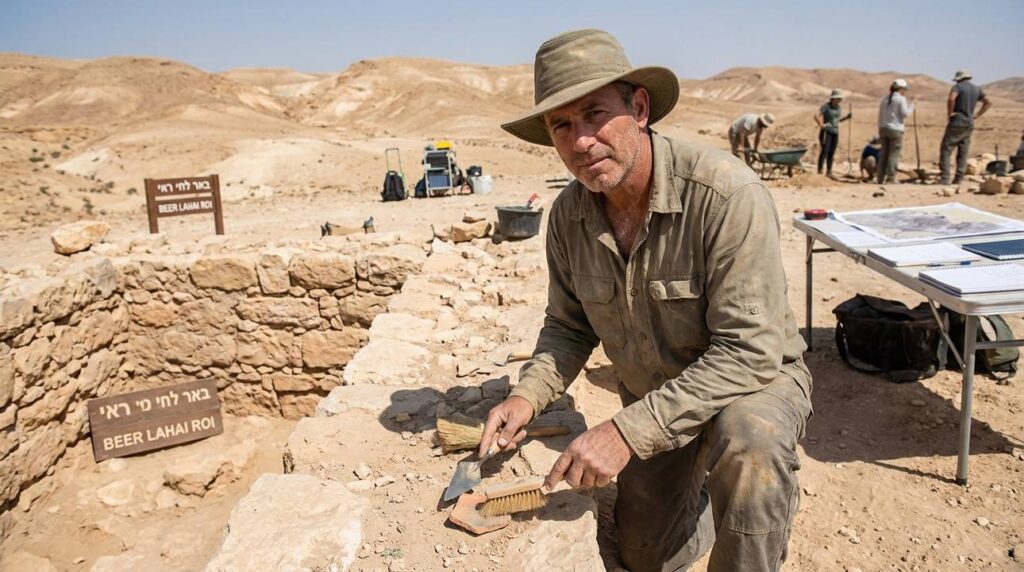

Beer Lahai Roi, a site of historical interest, is linked to stories of encounter and change. Known from narratives involving Hagar, this location has a distinct role in history.
Hagar’s experience at this well is described in ancient texts, where she meets a messenger who promises her many descendants. It is also connected to historical figures, where it serves as a dwelling place.
This article explores its location, historical context, and importance. The role of Beer Lahai Roi in these stories highlights its influence on historical journeys. The site symbolizes hope, inspiring those seeking guidance. Its significance goes beyond geography, marking it as historically important.
from the Western Wall to Masada.
What Is Beer Lahai Roi?
Beer Lahai Roi is mentioned in ancient texts as a well in the Negev desert region. The name means ‘Well of the Living One Who Sees Me,’ connecting it to Hagar’s encounter with a messenger.
While fleeing, Hagar found comfort and promise here, making it a place of revelation. This is recorded in texts, where the messenger assures her of her son’s future.
Located south of Beersheba, this well is known as a place of sustenance and reflection. Its mention in texts further cements its role in the lives of historical figures.
The significance of Beer Lahai Roi extends beyond geography, serving as a symbol of hope for those seeking guidance.
The narrative emphasizes Beer Lahai Roi’s importance as a landmark for those who passed by or settled near it. Scholars debate its exact location, but its cultural identity is well recorded in texts.
In historical accounts, it is described as significant, linking it to Beer Lahai Roi. This connection highlights its role in historical lives, marking it as deeply important.
Historical texts cement Beer Lahai Roi’s role as a place of reflection and continuity. This site connects figures to their legacy. The mention of this well in passages underscores its importance in historical journeys. It stands as a symbol of hope, inspiring those seeking guidance.
Beer Lahai Roi first appears in texts, in the context of Hagar’s flight. Here, Hagar named the site after her encounter, recognizing her experience of being seen and understood.
This encounter marked a turning point in her life, reflecting themes of struggle and deliverance. Later, historical figures are mentioned living near this location. They returned to this site after significant events.
This links Beer Lahai Roi to another lineage moment, highlighting its role as more than just a location. These narratives capture its dual function as a site and a symbol of hope and connection.
Where Is Beer Lahai Roi Today?
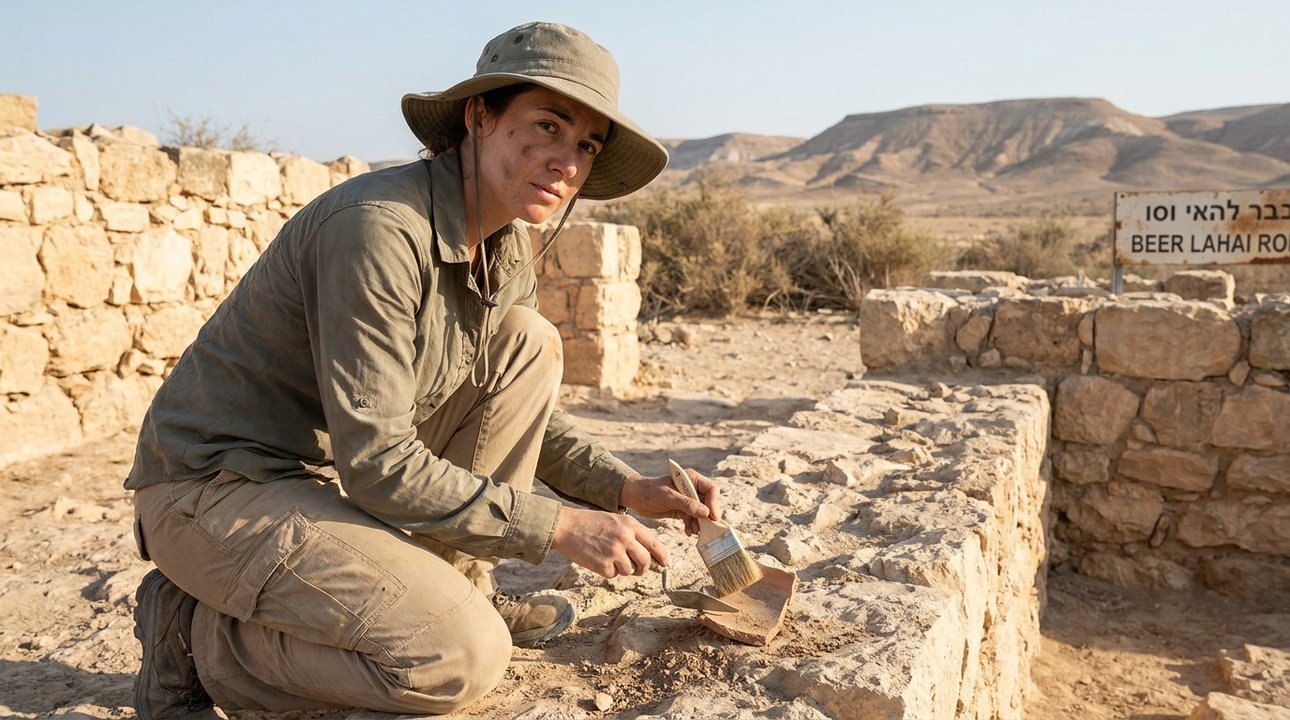
The exact location of Beer Lahai Roi is not known, but it is traditionally associated with the region between Kadesh and Shur. This area is near the modern Negev desert.
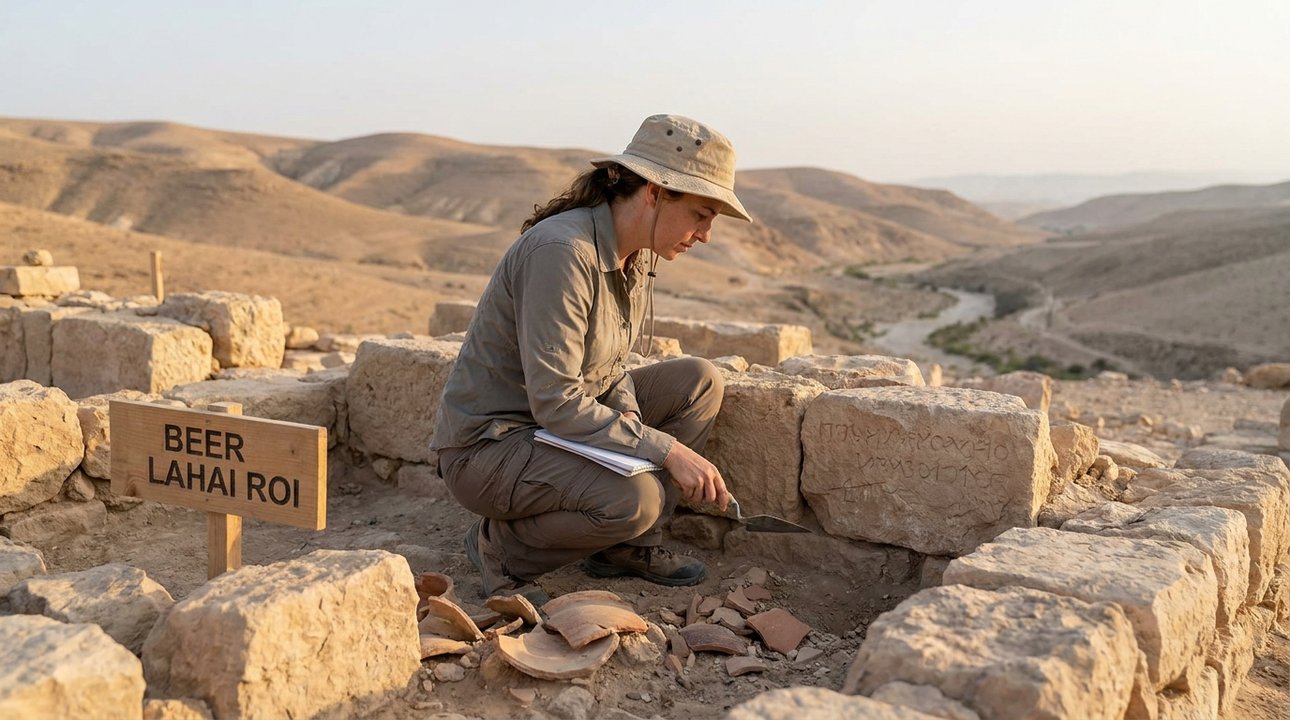
While archaeologists and historians have explored various potential sites, no definitive evidence has established its precise location. Today, the significance of the site endures through historical stories.
These narratives inform scholarly discussions and personal reflections, keeping the memory of Beer Lahai Roi alive in cultural contexts. Understanding its geographic context helps frame the legacy of these stories within the regional landscape. The role of this well in narratives underscores its influence on historical journeys, serving as a symbol of hope.
Why Is Beer Lahai Roi Important?
The importance of Beer Lahai Roi lies in its role as a place of encounter and transformation. Hagar’s story at this location highlights themes of struggle, revelation, and promise.
In texts, Hagar meets a messenger who reassures her with promises of a future for her son, Ishmael. This encounter illustrates meeting people in their moments of need, transforming solitude into connection.
Additionally, the site represents continuity and lineage in the narrative. Its connection to Beer Lahai Roi emphasizes its significance as a place of reflection and growth.
The role of this well in stories underscores its impact on historical journeys. It stands as a symbol of hope, inspiring those seeking guidance.
Its association with Beer Lahai Roi underscores the ongoing significance of this location as a space of dwelling and contemplation. It is described as coming from this significant place, linking it to it.
These layers of meaning contribute to its role as a symbol of resilience, resonating through ages as a touchstone of reflection. The presence of this well in stories highlights its relevance in tradition.
Historical texts further connect figures to Beer Lahai Roi, where they settle after significant events. This site serves as a place of reflection and continuity, linking them to their legacy.
The role of this well in narratives underscores its impact on historical journeys. It stands as a symbol of hope, inspiring those seeking guidance.
from the Western Wall to Masada.
The narratives surrounding Beer Lahai Roi provide insight into the journeys and trials faced by historical figures. Each story reflects the human experience of encountering challenges.
These stories remind readers of the connections between places and the events that shape our understanding of them. By engaging with these narratives, one can appreciate the intersection of geography, significance, and cultural heritage.
This enriches the understanding of history and its relevance to contemporary discussions of identity and place. For many, Beer Lahai Roi stands as a beacon of personal reflection, representing the search for meaning amid life’s uncertainties.
Cultural Impact of Beer Lahai Roi
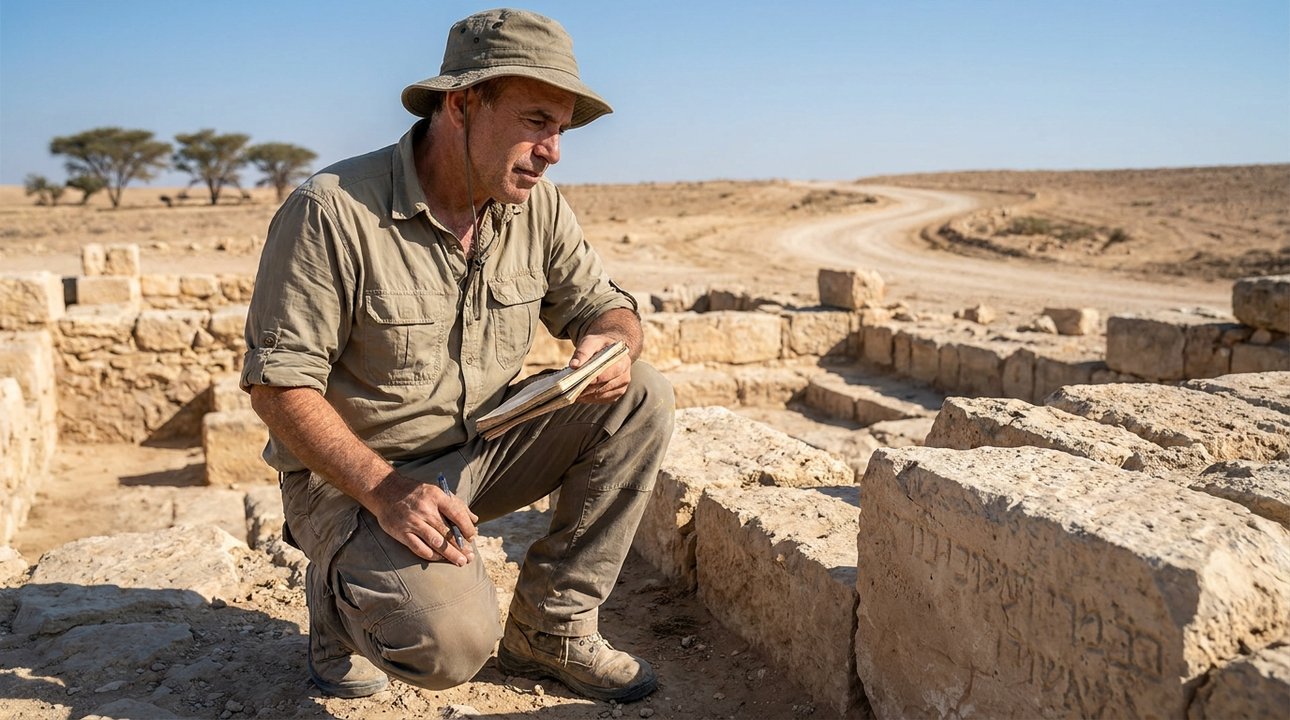
Beyond the historical account, Beer Lahai Roi holds cultural significance, symbolizing themes of endurance and connection. It is often referenced in teachings and reflections as a reminder of guidance and reassurance found in difficult times. Literary and artistic expressions have drawn inspiration from the stories related to this site, highlighting its role as a source of creative engagement. These interpretations continue to evolve, demonstrating the influence of narratives.
The cultural role of Beer Lahai Roi is reflected in its frequent appearance in teachings, where it serves as a symbol of hope. Artists and writers have drawn from its history, weaving its themes into their creations. The legacy of this site is a sign of the impact of narratives on cultural expressions. Its influence is still remembered by those seeking deeper understanding and connection.
The cultural legacy of Beer Lahai Roi extends beyond its geographic boundaries, emphasizing its continued relevance in various expressions of art. This site is often seen as a metaphor for sustenance and hope, inspiring countless generations to find strength in their own journeys.
In texts, Hagar names the location after her encounter, highlighting its symbolic significance. The presence of this well in art and literature reflects its role as a source of inspiration, reminding us of the enduring power of hope.
Beer Lahai Roi has been depicted in numerous artistic works, capturing its essence as a place of encounter. Artists and writers draw from its history, weaving its themes into their creations. This site continues to resonate with those seeking deeper understanding and connection. The influence of this well is evident in teachings, where it serves as a reminder of guidance. Its legacy is a sign of the impact of narratives on cultural expressions.
How Is Beer Lahai Roi Connected to Other Historical Events?
Beer Lahai Roi finds itself intertwined with a broader mix of events, serving as a setting for profound encounters. Its placement in stories of Hagar connects it to pivotal moments in historical narratives. In texts, Hagar names the site after her encounter, emphasizing promise and perseverance. Its connection is seen in further texts, where figures settle near this location, highlighting its role in their lives.
These connections underscore themes of promise and perseverance. The role of Beer Lahai Roi in narratives highlights its impact on historical journeys. This well stands as a symbol of hope, inspiring those seeking guidance. Its significance extends beyond geography, serving as a sign of historical importance.
Physical locations in texts carry spiritual and historical weight, shaping identities and destinies. The presence of Beer Lahai Roi in narratives is a sign of its importance as both a geographical and symbolic anchor within tradition. In texts, Hagar’s encounter illustrates the guidance received by those in need. The well serves as a reminder of faith and perseverance, anchoring stories in a tangible place.
The significance of Beer Lahai Roi is further highlighted in texts, where figures settle near this site after significant events. It becomes a place of reflection and continuity, linking them to their legacy.
The role of this well in narratives underscores its impact on historical journeys. It stands as a symbol of hope, inspiring those seeking guidance.
Understanding Beer Lahai Roi
