
Uncovering the Land of Idumea
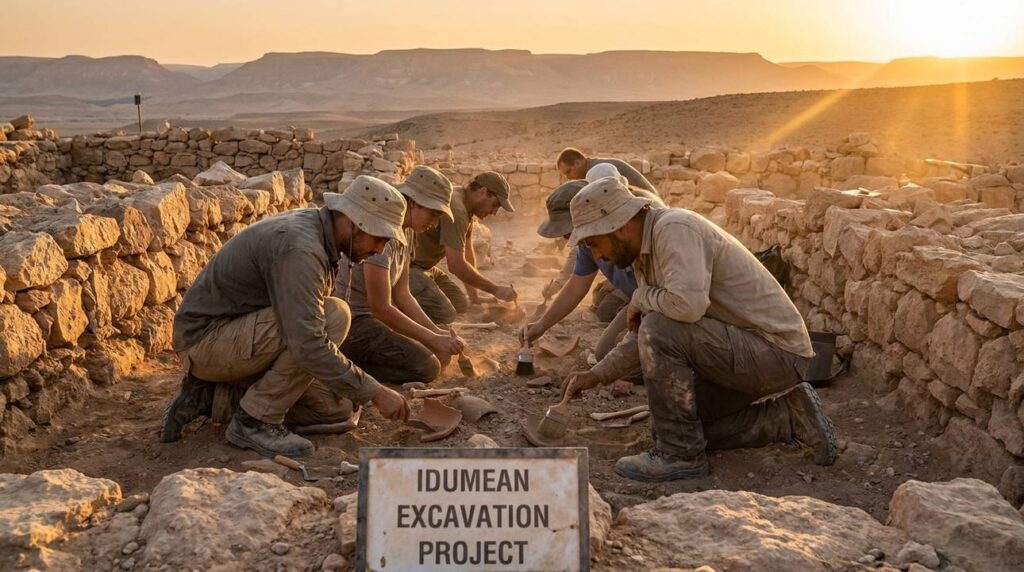

Idumea, a historical region, holds significant prominence in ancient texts. It is often associated with Edom, the territory linked to Esau, the brother of Jacob. This connection provides insight into the complex landscape of historical narratives.
The land of Idumea is referenced in various contexts, including prophecies and historical accounts. Edom is highlighted for its role in the broader historical story.
This article explores Idumea’s historical location, its connections to events, and its evolution over time. The region’s history is intertwined with key figures and events, offering insight into the cultural and political dynamics of the ancient Near East.
Understanding Idumea’s place in history helps illuminate the broader narrative of the region.
from the Western Wall to Masada.

The region’s significance is further highlighted by its depiction as a place of judgment.
These references provide a framework for understanding the complex relationships and power struggles that characterized the ancient Near East. Idumea’s role in these narratives underscores its importance in the historical and cultural fabric of the region.
What Was Idumea?
Idumea, also known as Edom, was situated south of ancient Judea, encompassing parts of present-day southern Israel and Jordan. It was a region characterized by its rocky terrain and proximity to the Dead Sea.
The land played a crucial role in trade, acting as a bridge between the southern Arabian Peninsula and the Mediterranean. The Bible mentions Idumea in connection with the descendants of Esau, who were believed to inhabit the area.
Esau is described as the ancestor of the Edomites, linking the region to historical patriarchs.
Idumea’s strategic location made it a vital corridor for caravans, facilitating the exchange of goods such as spices, textiles, and metals. This trade network contributed to the region’s economic significance in the ancient world.
The Unique Story of Idumea
Idumea is referenced in several historical texts, often in the context of its relationship with Israel. The Psalms and other texts mention Edom as a neighboring nation frequently in conflict with Israel.
These interactions highlight Idumea’s complex political and territorial dynamics with the Israelites.
Edom is noted for its hostility towards Israel, illustrating the longstanding enmity between the two nations.
These narratives provide a glimpse into the geopolitical tensions of the time, reflecting the broader struggles for power and territory in the ancient Near East. Idumea’s role in these stories underscores its significance in historical accounts.
Idumea in Historical Context
During the Hasmonean period, Idumea became part of the expanding Jewish state. It was incorporated into the kingdom by John Hyrcanus around 125 BCE, who converted many Edomites to Judaism, as recorded by the historian Josephus.
This assimilation marked a significant shift in the region’s identity and political alliances, illustrating the fluidity of boundaries in the ancient world.
The conversion of the Idumeans was a notable event in Jewish history, as it led to the integration of Idumean culture into the broader Jewish society.
This period of transformation is reflected in archaeological findings, such as the remains of synagogues and ritual baths, which indicate the adoption of Jewish religious practices by the Idumean population.
This period of integration also saw the rise of influential Idumean leaders, such as Herod the Great, who was important in the history of Judea. Herod’s reign is documented in various historical sources, highlighting the lasting impact of Idumea’s incorporation into the Jewish state. Herod, known for his architectural projects like the expansion of the Second Temple, was of Idumean descent, illustrating the blend of cultures during this era.
The blending of cultures and traditions during this time left a lasting imprint on the region, contributing to its historical tapestry. Herod’s political alliances and building projects reflect the complex interplay of Idumean and Jewish identities. His reign, as recorded by Josephus, marks a significant chapter in the history of Judea, showcasing the influence of Idumean leaders in shaping the region’s destiny.
Archaeological Findings in Idumea
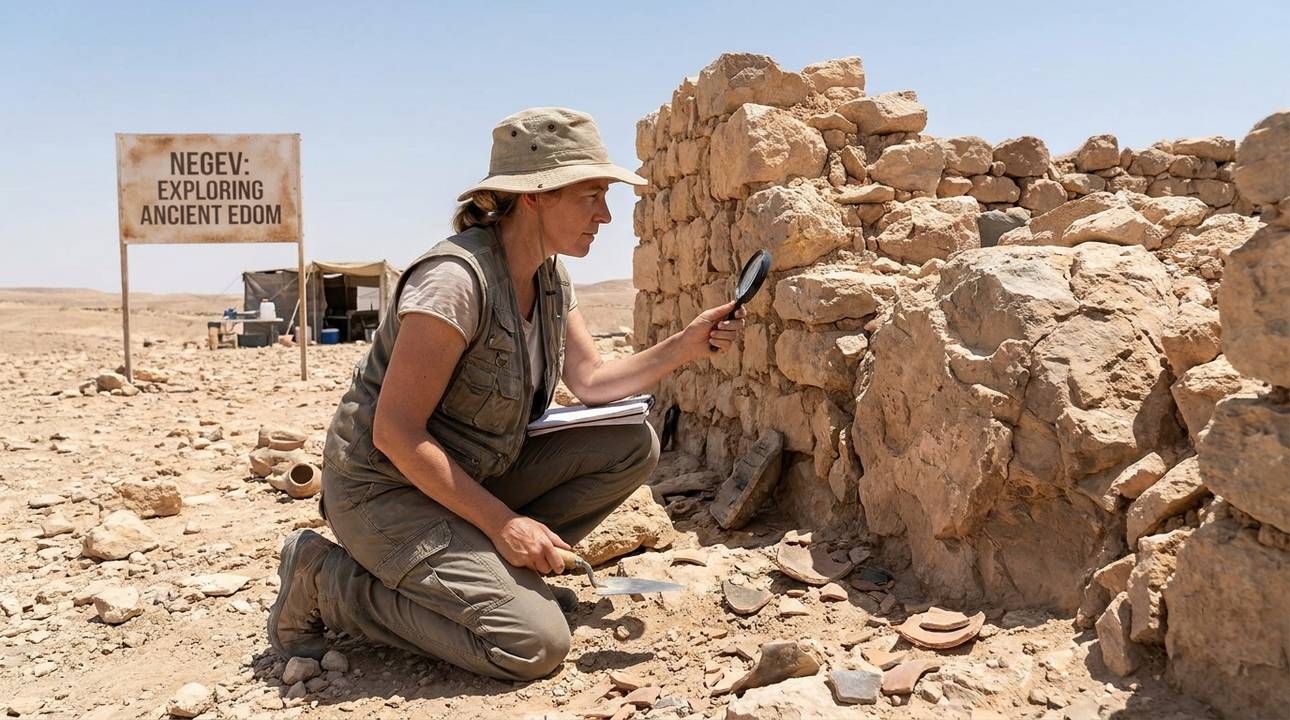
Archaeological excavations in Idumea have uncovered artifacts and settlements that provide insight into the region’s inhabitants and their way of life. Pottery shards and inscriptions offer glimpses into the daily lives and interactions of the Edomites with neighboring cultures. For example, inscriptions found in the area often include references to trade and commerce, indicating a economic environment. These findings help historians reconstruct the cultural and economic activities that once thrived in Idumea.
The discovery of pottery shards from the 8th century BCE, for instance, reveals the influence of surrounding cultures such as the Moabites and Israelites.
Additionally, the presence of inscriptions in both Hebrew and Edomite scripts suggests a complex linguistic landscape. These archaeological insights are crucial for understanding the social and economic dynamics of Idumea during historical times.

Idumea’s Role in Trade
Idumea’s strategic location made it an essential hub in ancient trade routes. It linked caravan paths from Arabia to the Mediterranean, facilitating commerce and cultural exchange.
Products such as spices, textiles, and metals flowed through Idumea, enriching its people and amplifying its influence in the region. The exchange of goods also fostered cultural interactions.
The region’s prosperity was further enhanced by its natural resources, including copper mines, which were highly valued in the ancient world. These resources contributed to Idumea’s economic strength and its role as a key player in regional trade.
Historical records, such as those by the historian Josephus, mention the wealth generated from these mines, which were located near the Arabah Valley. The legacy of these trade routes can still be seen in archaeological findings.
from the Western Wall to Masada.
Artifacts such as copper ingots and mining tools have been found, indicating the extent of metallurgical activities.
These findings reveal the sophistication of Idumea’s industrial capabilities and its connections to neighboring civilizations, including the Nabataeans and Egyptians. The economic prosperity derived from these resources played a crucial role in shaping Idumea’s historical narrative.
The Decline of Idumea
The rise of new powers and shifting political landscapes eventually led to Idumea’s decline. Post-Hasmonean control dwindled, and the area saw reduced prominence in the centuries that followed.
Roman occupation introduced new administrative structures, altering the region’s dynamics. The Roman influence brought changes in governance and infrastructure, reshaping Idumea’s role in the broader geopolitical landscape.
Roman occupation and later changes in trade routes contributed to its fading significance, transforming Idumea into a region of historical reflection rather than contemporary power.
Despite this decline, the archaeological remnants of Idumea continue to offer insights into its past, preserving the memory of its once-thriving communities and their contributions to the ancient world.
The decline of Idumea was marked by the loss of its strategic importance as trade routes shifted and new centers of power emerged. This transition is reflected in the historical records of the time, which document the changing political landscape.
The rise of Roman influence in the region, for instance, altered traditional trade patterns, diminishing Idumea’s role as a trade hub.
Despite its decline, Idumea’s historical legacy continues to be a subject of interest for historians and archaeologists, who seek to uncover the stories of its past and its role in the ancient world.
The remnants of Idumean settlements, along with inscriptions and artifacts, offer valuable insights into the region’s cultural and economic history, preserving its memory for future generations.

Idumea Today
Today, Idumea’s legacy endures in archaeological and historical studies. Its ancient cities, inscriptions, and artifacts remain subjects of interest for scholars and enthusiasts alike. Sites such as Petra, once a bustling center, offer insights into the region’s past.
While the physical region is no longer identified by the name Idumea, its historical impact is preserved in the study of ancient regions and their neighbors. The exploration of these sites continues to reveal new aspects of Idumean culture.
Archaeological excavations have uncovered remnants of Idumean settlements, including pottery and inscriptions, which provide valuable information about daily life and trade practices in the region.
These findings contribute to our understanding of Idumea’s role in the ancient world and its interactions with surrounding cultures. The ongoing research into Idumea’s history highlights its significance in the broader context of Near Eastern studies.
The discovery of inscriptions in both Hebrew and Edomite scripts suggests a diverse linguistic landscape, reflecting the cultural exchanges between Idumea and its neighbors.
Additionally, the presence of trade goods from distant regions indicates the extent of Idumea’s commercial reach, underscoring its importance as a hub of economic activity in the ancient Near East.
Modern Connections
Idumea’s integration into ancient history is a testament to the enduring ties between land and identity. Today, the historical narratives of these lands are woven into the broader fabric of regional heritage, highlighting the deep connections between the past and present.
Lev Haolam offers curated boxes featuring products from local artisans, reflecting the cultural history of regions like Idumea. These boxes include items that allow individuals to engage with history in a tangible way.
These curated boxes provide a link to the region’s diverse cultural landscape, allowing customers to experience the creativity and craftsmanship of local artisans. By engaging with these products, individuals can connect with the land’s history, fostering a sense of community and shared heritage.
The products often include items inspired by traditional crafts, such as ceramics and textiles, which reflect the artistic heritage of the region. By supporting these artisans, individuals help preserve the cultural traditions that have been passed down through generations. This connection to the land and its people is a meaningful way to honor the history and culture of the region.

Idumea in Context
