Unveiling Tishbe: A Historical Exploration


Tishbe, known as the hometown of Elijah, holds a special place in history. The town is first mentioned in historical texts, where Elijah is introduced as ‘Elijah the Tishbite’.
This small village in Gilead is more than just a geographical location; it is a symbol of prophetic beginnings. Elijah’s life and mission, which began in Tishbe, have left an indelible mark on Jewish tradition and narratives.
His confrontation with King Ahab and Queen Jezebel highlights his fearless dedication to his calling.
Elijah’s life is marked by miraculous events, like reviving a widow’s son and ascending to heaven in a chariot of fire. These miracles reflect his divine connection and steadfast faith.
Tishbe holds deep spiritual meaning due to its link with Elijah’s powerful presence and the messages he delivered. It serves as a source of inspiration for those on their own quests.
from the Western Wall to Masada.

In this article, we delve into the origins, historical references, and legacy of this significant location. Tishbe’s association with Elijah highlights its importance, even though its precise location remains a mystery. The town’s mention in historical texts underscores its role as the starting point for one of the most influential prophets, whose messages of faith and resilience are still remembered. Elijah’s story begins with his introduction as ‘Elijah the Tishbite’, marking Tishbe as a place of prophetic beginnings.
Elijah’s mission, originating in Tishbe, has profoundly impacted Jewish tradition and stories. His bold confrontation with King Ahab and Queen Jezebel showcases his unwavering commitment to his purpose.
Tishbe’s importance is highlighted by its connection to Elijah’s influential presence and the messages he conveyed. It inspires those seeking guidance and strength in their journeys.
Where Is Tishbe Located?
Tishbe is traditionally identified in the region of Gilead, in what is now modern-day Jordan. Its exact location has been a topic of scholarly debate, with limited archaeological evidence to pinpoint it precisely.
Despite this, Tishbe’s reputation remains significant as it is mentioned as the birthplace of one of the most notable prophets, Elijah. The general area is thought to be characterized by its rugged terrain and historical ties to the ancient tribes of Israel.
This landscape adds to the mystique surrounding Elijah’s origins.
Elijah’s mission, originating in Tishbe, has profoundly impacted Jewish tradition and stories. His bold confrontation with King Ahab and Queen Jezebel showcases his unwavering commitment to his purpose.
Tishbe’s importance is highlighted by its connection to Elijah’s influential presence and the messages he conveyed. It inspires those seeking guidance and strength in their journeys.
Who Was Elijah of Tishbe?
Elijah, known as Elijah the Tishbite, stands out as one of the foremost prophets in historical texts. His story begins with his emergence from Tishbe in Gilead. Elijah’s sudden appearance in the narrative marks him as a pivotal figure in spiritual and social leadership.
Throughout the Books of Kings, Elijah is depicted as a staunch opponent of idolatry. His life is filled with miraculous events, such as reviving a widow’s son and ascending to heaven in a chariot of fire.
Elijah’s confrontations with King Ahab and Queen Jezebel are central to his story. He challenges the prophets of Baal on Mount Carmel, demonstrating his unwavering faith. This event not only solidifies his role as a prophet but also as a defender of monotheism. His ascension to heaven, witnessed by Elisha, signifies the passing of prophetic authority. Elijah’s legacy is still remembered by those who seek to maintain faith and integrity in challenging times, marking him as a unique figure in religious history.

Tishbe in Historical Narrative
In historical texts, Tishbe is first mentioned with the introduction of ‘Elijah the Tishbite’. This marks the start of a series of interventions, focusing on Elijah’s prophetic missions rather than the town itself.
His challenges to King Ahab and Queen Jezebel are key moments in the narrative, emphasizing his role as a messenger. Elijah’s unwavering dedication to his mission highlights Tishbe’s backdrop to his journey.
Elijah’s life is filled with miraculous events, such as providing endless oil and flour to a widow. These miracles illustrate his divine connection and unwavering faith. Tishbe gains importance through Elijah’s influential presence and the messages he delivered.
The strength associated with Tishbe inspires those seeking guidance and strength in their journeys.
Although Tishbe is not central in stories, it gains importance through Elijah’s influential presence and the messages he delivered. His miracles, such as providing endless oil and flour to a widow, illustrate his divine connection.
These acts, performed during his prophetic missions, highlight Tishbe’s strength, inspiring those seeking guidance. Elijah’s steadfast faith and courage continue to resonate with individuals exploring their paths.
Elijah’s life is marked by miraculous events, like reviving a widow’s son and ascending to heaven in a chariot of fire. These miracles reflect his divine connection and steadfast faith.
Tishbe holds deep spiritual meaning due to its link with Elijah’s powerful presence and the messages he delivered. It serves as a source of inspiration for those on their own quests.
The Significance of Tishbe Today
Today, Tishbe remains a symbol of calling and prophetic strength due to its association with Elijah. Elijah’s story emphasizes his role as a fearless prophet who challenged the status quo. Its historical and religious importance is recognized within Jewish tradition, serving as a sign of Elijah’s enduring influence. His actions, such as confronting the prophets of Baal on Mount Carmel, are legendary. This event showcases his unwavering faith and mission.
Elijah’s legacy is honored through various Jewish traditions, emphasizing his role as a protector and guide. His story is still remembered in reflections on themes of justice and faith, highlighting Tishbe’s cultural and historical significance. The stories of Elijah and Tishbe are shared and celebrated, ensuring the enduring spiritual importance of his legacy in Jewish culture and religious history.
Despite the lack of concrete archaeological evidence about its exact location, Tishbe is part of the larger historical and cultural landscape of the region. Scholars often place it in the area of modern-day Jordan, though this remains speculative.
The mystery surrounding Tishbe adds to its allure, inviting believers and historians alike to explore its significance in the context of Elijah’s life and the broader narrative. The region’s rugged terrain and historical ties to tribes contribute to its enigmatic charm.
from the Western Wall to Masada.
Elijah’s life is marked by miraculous events, like reviving a widow’s son and ascending to heaven in a chariot of fire. These miracles reflect his divine connection and steadfast faith.
Tishbe holds deep spiritual meaning due to its link with Elijah’s powerful presence and the messages he delivered. It serves as a source of inspiration for those on their own quests.
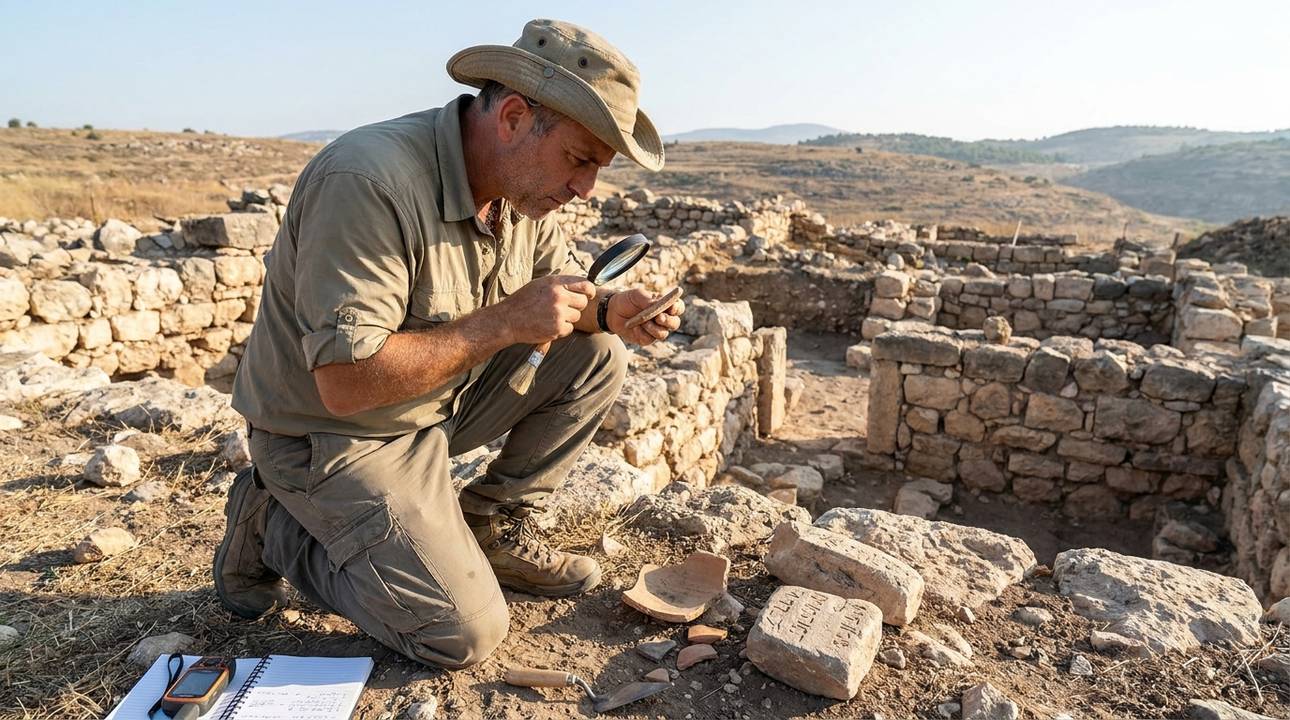
Elijah’s Influence Beyond Tishbe
Elijah’s impact extends far beyond Tishbe, influencing Jewish thought, ritual, and culture. Celebrated in Jewish tradition, Elijah is remembered during ceremonies.
His role as a harbinger of peace and redemption continues to resonate, making Tishbe’s connection to him particularly meaningful. Elijah’s anticipated return highlights his ongoing significance.
This prophecy speaks of Elijah coming before the ‘great and dreadful day’, underscoring his enduring role in Jewish eschatology.
This ongoing relationship keeps Elijah’s legacy alive, highlighting the important role he plays in narratives. His presence at ceremonies signifies hope for future redemption. According to Jewish tradition, Elijah is expected to return to announce the coming of the Messiah, a belief rooted in prophecy. Through these traditions, Elijah’s spirit of peace and justice is kept alive, reminding us of the enduring power of his message and the importance of Tishbe in this narrative.
Elijah’s legacy is honored through various Jewish traditions, emphasizing his role as a protector and guide. His story is still remembered in reflections on themes of justice and faith, highlighting Tishbe’s cultural and historical significance. The stories of Elijah and Tishbe are shared and celebrated, ensuring the enduring spiritual importance of his legacy in Jewish culture and religious history.
The Prophetic Role of Elijah
Elijah is known for his fierce advocacy for monotheism during a time when idol worship was widespread. His confrontations with the prophets of Baal are legendary. Elijah’s role as a defender of the covenant and a miracle worker solidifies his status as a prophet. His stories depict the trials and triumphs of maintaining faith and integrity. Elijah’s ascension is seen as a fulfillment of his divine mission, marking him as a unique figure in religious history.
Elijah’s legacy is kept alive through Jewish traditions, such as his symbolic presence at ceremonies. The cup of Elijah signifies hope for future redemption, reflecting his enduring influence. According to Jewish tradition, Elijah is expected to return to announce the coming of the Messiah. Through these traditions, Elijah’s spirit of peace and justice is still remembered, reminding us of the enduring power of his message.

Tishbe and Modern Interpretations
Modern interpretations of Tishbe often focus on its symbolic representation of faith, resilience, and prophetic purpose. Elijah’s life is a sign of unwavering faith, as seen in his confrontation with the prophets of Baal. Literary and cultural references to Tishbe interpret it not just as a place, but as a source of inspiration and resonance. It represents the call to action and the enduring spirit of leadership embodied by Elijah. His legacy encourages believers to embrace their own journeys with courage.
Today, Tishbe remains a source of inspiration for those seeking strength and guidance in their journeys. Elijah’s ascent to heaven in a chariot of fire serves as a powerful reminder of his divine mission.
This event, witnessed by Elisha, signifies the transfer of prophetic authority and is celebrated in Jewish tradition. It encourages individuals to pursue their paths with courage, drawing inspiration from Elijah’s legacy and Tishbe’s significance.
Elijah’s story is deeply embedded in Jewish tradition, serving as a sign of his enduring influence. His life and actions are still remembered by those who seek to maintain faith and integrity in challenging times. The legacy of Tishbe as a symbol of spiritual calling and prophetic strength is recognized within Jewish tradition, reflecting the historical and religious importance of Elijah’s story and the town associated with his beginnings.
Cultural Legacy of Tishbe in Judaism
Jewish culture honors Tishbe through its connection to Elijah, reflecting themes of justice and divine intervention. The legacy of Elijah as a protector and guide retains a vital place in Jewish law and storytelling.
This association strengthens the cultural and historical identity of Tishbe as a symbol of eternal truths and prophetic legacy. Tishbe’s importance is sustained not through physical evidence, but through the narratives that continue to be shared and celebrated.
Elijah’s story inspires ongoing reflection on themes of justice and faith.
Elijah’s legacy is honored through various Jewish traditions, emphasizing his role as a protector and guide. His story is still remembered in reflections on themes of justice and faith, highlighting Tishbe’s cultural and historical significance. The stories of Elijah and Tishbe are shared and celebrated, ensuring the enduring spiritual importance of his legacy in Jewish culture and religious history.
About Tishbe and Elijah