
Discovering the Significance of Meshek in Historical Contexts
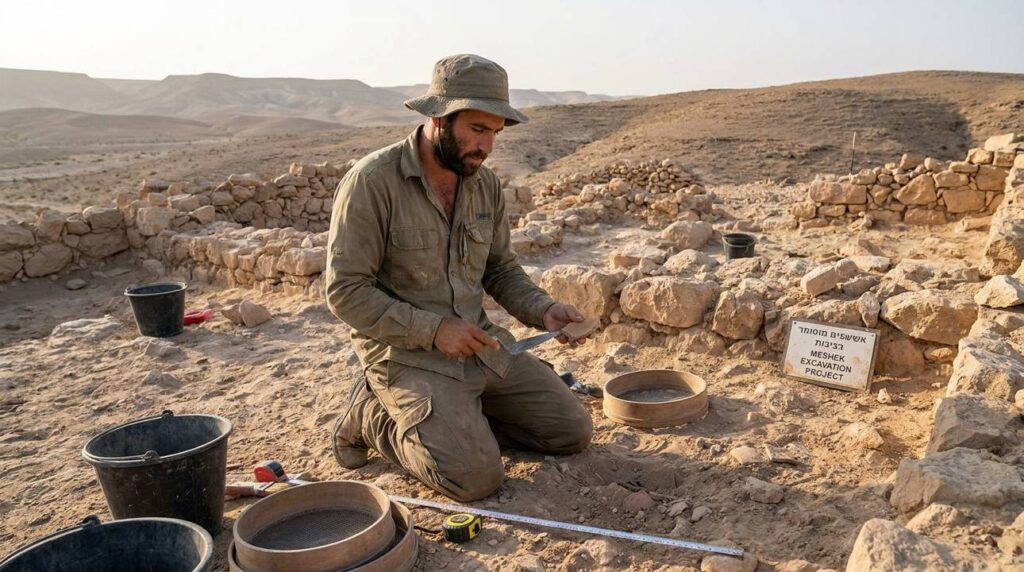

The ancient name Meshek resonates with layers of history and culture. Meshek, often overshadowed by more prominent historical locations, holds its unique significance in historical narratives. It is mentioned in ancient texts as one of the nations that will come against Israel in the prophecy of Gog and Magog. This reference places Meshek within a broader context of ancient geopolitical alliances and conflicts. Here, we explore its role in cultural narratives and its legacy.
Meshek’s narrative is woven into the fabric of historical prophecy and history. In ancient texts, Meshek is again mentioned, highlighting its role in the prophetic vision of future events. These references provide insight into the complex relationships and power dynamics of the ancient world.
Meshek’s inclusion in these prophecies underscores its perceived significance in the historical narrative, offering a window into the past and its influence on future expectations.
from the Western Wall to Masada.

What Is Meshek?
Meshek appears in ancient texts, primarily known through its connection with descendants and the lineage of ancient peoples. In the genealogies, Meshek often links with Tubal, another significant historical name.
The connection between Meshek and its context within historical texts provides insight into the ancient landscapes and human movements of the time. Often, Meshek is associated with broader geographical implications, hinting at migrations and settlements.
Understanding Meshek requires delving into its historical context, where this name reflects broader narratives within ancient stories. In ancient genealogies, Meshek is listed among the descendants of Japheth, suggesting a connection to the peoples of the north. This genealogical placement provides a framework for understanding the movement and interactions of ancient tribes, showing the historical and cultural landscape of the time.
Meshek in Historical Genealogies
The Bible mentions Meshek in genealogical records, placing it within a lineage of nations and tribes. Meshek is listed among the descendants of Noah, aligning with the table of nations presented in Genesis. These genealogical records offer more than just family trees.
They map out connections between different groups and their perceived relationships in the ancient world. Meshek’s inclusion in these records suggests a recognized lineage with cultural and historical relevance.
The genealogies serve to anchor Meshek within the broader historical narrative, situating it among known tribes of their era. In ancient genealogies, Meshek is listed alongside Tubal and other descendants of Japheth, suggesting a northern origin. This placement provides a framework for understanding the movement and interactions of ancient peoples, showing the historical and cultural landscape of the time.
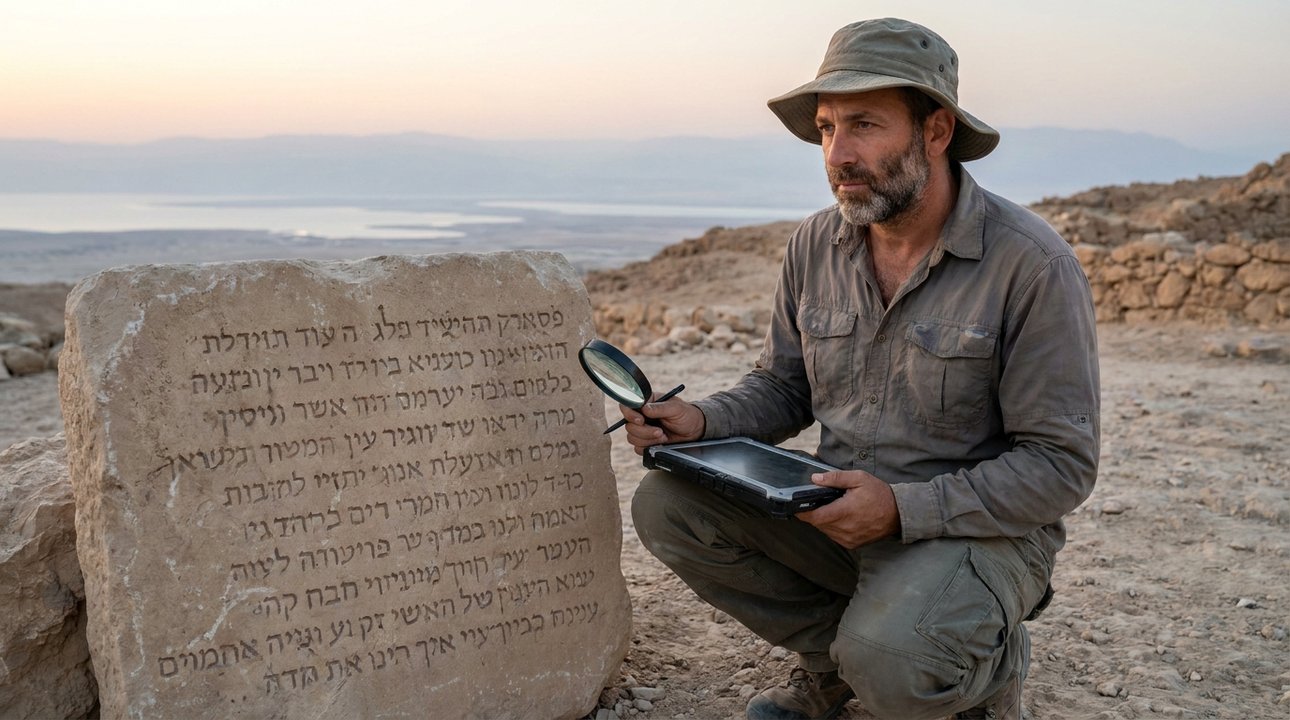
Geographical Considerations of Meshek
Meshek’s geographical association lies in its depiction as part of regions surrounding ancient territories. It is frequently mentioned alongside other territories and groups, revealing a complex map of alliances and unions.
Ancient texts refer to Meshek as a trading partner of Tyre, highlighting its role in ancient commerce. While some historical references provide insights into Meshek’s location, interpretations vary among scholars.
Some identify it with regions north of Israel, suggesting ties to Anatolia or territories within adjacent areas. These geographical clues enrich our understanding of Meshek’s role.
In regional dynamics and its place within historical texts, Meshek is mentioned alongside Tubal in ancient narratives. This further suggests a northern location, possibly linked to the ancient peoples of the Black Sea region.
Such associations provide a vivid picture of the interconnectedness of ancient societies. Trade routes and alliances played crucial roles in shaping historical narratives.
Meshek’s geographical context continues to intrigue scholars and enthusiasts alike, offering a window into the past and the interconnected world of ancient societies.
The mention of Meshek as a trading partner of Tyre further emphasizes its role in ancient commerce. This association with trade highlights the economic significance Meshek may have held in the region.
Such references provide insight into the economic and cultural exchanges that shaped the ancient world. Meshek’s place within these narratives underscores the importance of understanding the broader context of historical mentions.
Historical and Cultural Contexts
Exploring the history of Meshek leads us to consider its cultural role alongside its historical mentions. Meshek’s connection with trading and warfare in some interpretations highlights its role beyond genealogy. References often link Meshek to trading routes that pass through significant historical pathways. Such connections underline the economic relevance and strategic position Meshek might have held in historical contexts.
These historical contexts are essential to appreciating Meshek’s place beyond the pages of ancient texts, presenting it as a community within a network of civilizations.
In ancient narratives, Meshek is mentioned as a trading partner of Tyre, emphasizing its role in the economic landscape of the ancient Near East. Such references provide insight into the complex interactions that shaped the history and culture of the region.
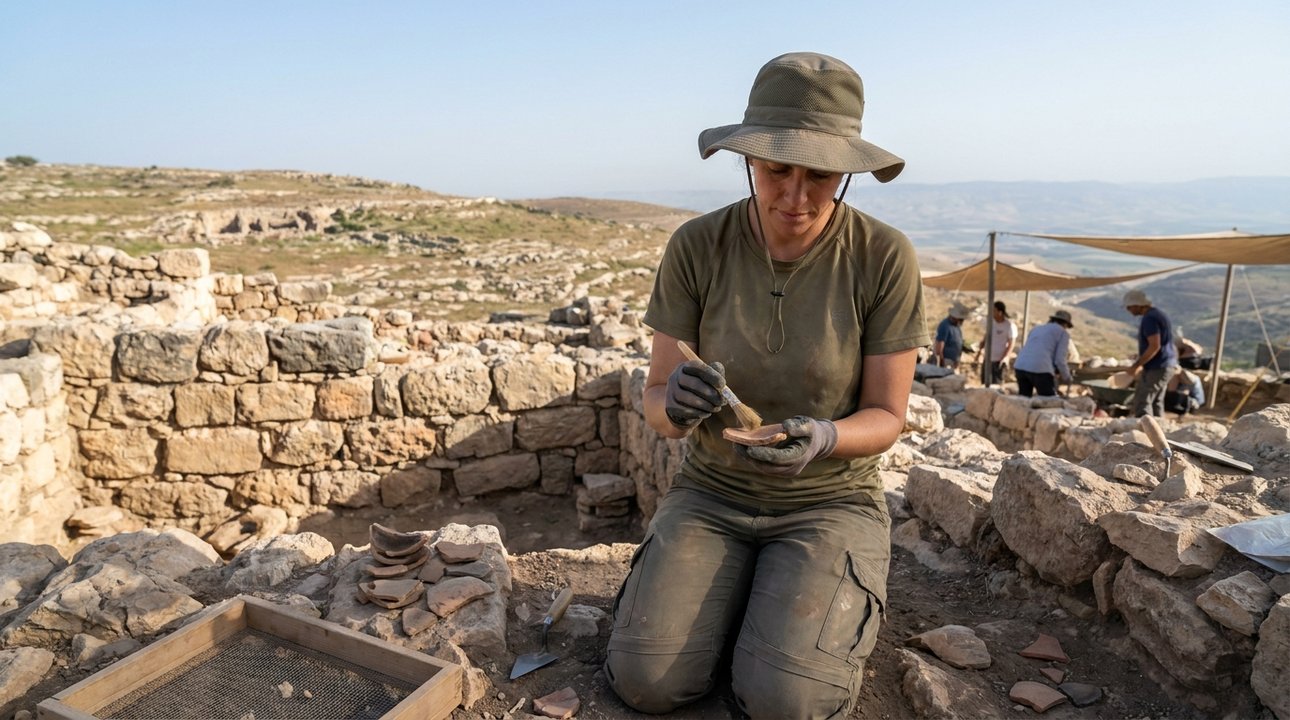
Meshek in Post-Historical Perspectives
Subsequent historical writings and interpretations continue to explore Meshek’s significance after earlier periods. Such works often investigate its role within the evolving landscape of history.
For example, Josephus, a first-century Jewish historian, mentions Meshek in his writings, associating it with the region of Cappadocia. This link highlights the geographical and cultural shifts that occurred over time.
Post-historical literature sometimes associates Meshek with changing political landscapes, reflecting shifts in power and influence observed in later centuries. The evolution of Meshek in these contexts illustrates how its identity and perception transformed over time. These historical interpretations provide a deeper understanding of Meshek’s role in the broader narrative of history and its legacy.
from the Western Wall to Masada.
This transformation channels insights into how ancient peoples viewed their neighbors and allies. The ongoing interest in Meshek underscores its importance in understanding the complex web of relationships that defined the ancient Near East. For instance, in ancient texts, Meshek is mentioned in the context of prophecy, where it is grouped with other nations like Tubal. Such references highlight Meshek’s role in the intricate mix of ancient alliances and conflicts.
Through these historical lenses, Meshek becomes more than a mere name. It is a symbol of the dynamic interactions and cultural exchanges that shaped the historical and post-historical world.
Ancient texts, for instance, provide context for these interactions, highlighting Meshek’s role in prophecy and history. This is not only about military alliances but also about cultural exchanges that influenced the region’s development.
Legacy and Modern Connections
Today, the mention of Meshek evokes connections to the mix of historical lands referenced in ancient texts. Its legacy is a blend of historical inquiry and cultural reflection. For those exploring historical narratives, Meshek offers a point of engagement with ancient stories. In ancient texts, it is mentioned as a place associated with exile and longing. This captures the emotional weight of Meshek in historical literature, symbolizing a distant and challenging place.
It provides a lens through which to view how particular names endure through narrative and folklore. The modern intrigue with Meshek is a sign of the power of ancient texts and their ability to capture the imagination of generations. The continued study of Meshek allows us to connect with the emotional and historical layers embedded in historical texts, showing the lives and struggles of ancient peoples.
Offering threads of continuity in the study of history, Meshek serves as a key to unlocking the stories of ancient societies. The enduring fascination with Meshek reflects the broader human quest to connect with our roots and understand the forces that have shaped our world.
Through the study of Meshek, we not only uncover historical truths but also engage with the stories that continue to resonate across time. This link bridges the past and present in meaningful ways, much like how ancient texts connect us to historical emotions and experiences.
In ancient texts, Meshek is often associated with distant lands and peoples, where it is mentioned as a trading partner of Tyre. This highlights the interconnectedness of ancient societies through trade and cultural exchange.
Such associations provide insight into the interconnectedness of ancient societies. Trade routes and alliances played crucial roles in shaping historical narratives. Meshek’s geographical context continues to intrigue scholars and enthusiasts alike.
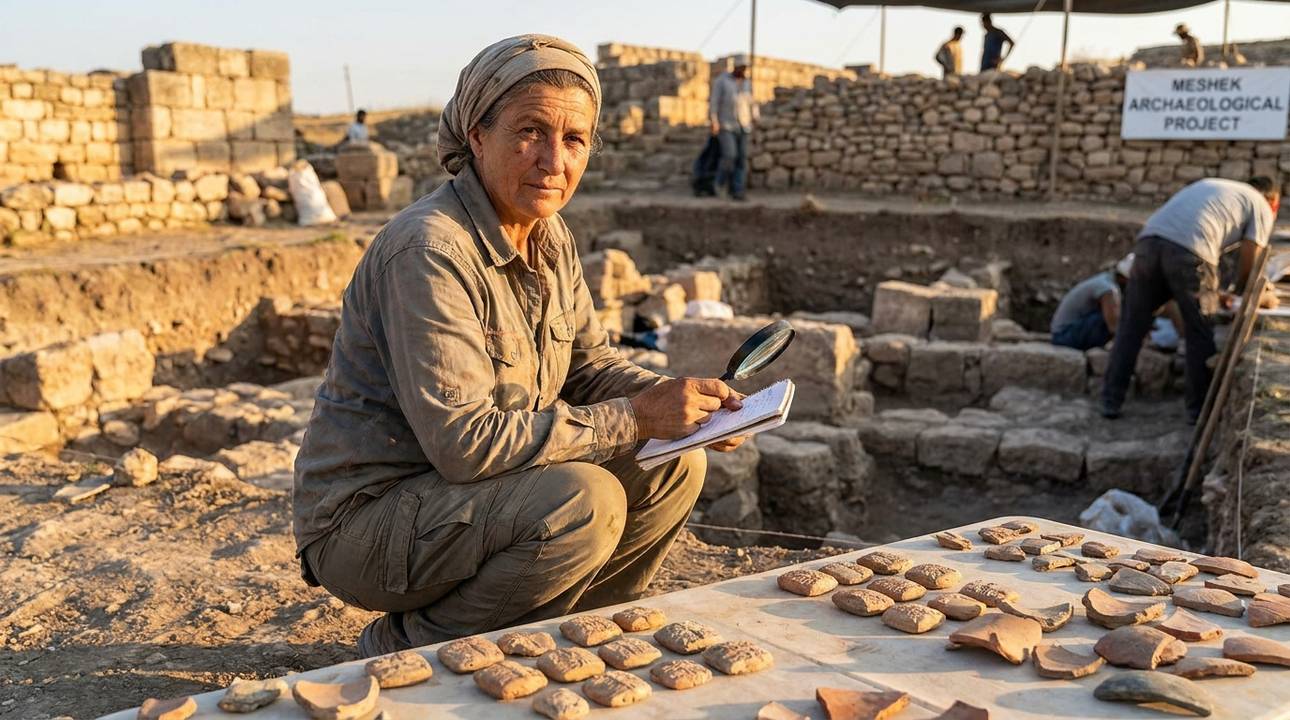
Meshek’s Importance
The name Meshek may not be as widely recognized today, but its presence in ancient texts provides an anchor for understanding ancient societies. In historical literature, every name and location carries with it a story, and Meshek is no exception.
Mentioned in ancient genealogies, Meshek is listed as a descendant of Japheth, linking it to early post-flood genealogies. Its historical roots provide cultural and theological points of interest, enriching historical studies.
These layers of meaning ensure that Meshek remains a significant study area for historians and scholars alike, seeking to unlock past mysteries.
Conclusion: Meshek in the Present Day
Meshek, though less prominent than some historical counterparts, is a fascinating study of how geography, history, and culture intertwine.
Its appearances in ancient texts, where it is listed among the sons of Shem, invite us to explore the depths of ancient narratives and the stories that shaped them.
Meshek serves as a reminder of the ways in which places, known and obscure, contribute to the broader understanding of the historical world.
In studying Meshek, we gain insight into the distant past, connecting with the legacy that these historical sites offer. The mention of Meshek as a trading partner of Tyre highlights its role in commerce and cultural exchange. These connections underscore the importance of Meshek in understanding the interconnectedness of societies and the economic networks that linked them.
Common Questions
