Unearthing the Story of Chezib in the Bible


Chezib is a location mentioned in ancient texts, associated with the area of Judah. It is believed to be near Adullam, where Judah settled after leaving his brothers. The narrative continues with Judah marrying a Canaanite woman, and Chezib becomes the birthplace of his third son, Shelah. This article delves into its historical context, highlighting its importance and the stories that surround it, including its role in the genealogical records of Judah’s family. The mention of Chezib serves as a geographical marker that helps trace the movements and settlements of Judah’s descendants, illustrating the cultural and familial dynamics of the time.
What Is the Historical Reference to Chezib?
Chezib appears in ancient narratives related to Judah’s life, marking one of the places he visited. Judah’s journey to Chezib is noteworthy, as it is here that his wife gives birth to Shelah, underscoring the site’s role in the unfolding of Judah’s lineage. This birth is crucial for understanding the ancestry of the tribes of Israel, as Shelah becomes an ancestor of the Shelanites, a clan within the tribe of Judah. The mention of Chezib in this context highlights the importance of geographical locations in historical narratives, serving as touchpoints for the unfolding story of Judah and his descendants.
from the Western Wall to Masada.
Historical Context of Chezib
Chezib is situated within the area historically known as Judah, mentioned as part of the tribal allotments given to Judah’s descendants. This region was central to the narratives of the tribes of Israel. The mention of Chezib highlights the strategic importance of certain locations in historical narratives, serving as markers for the movements and settlements of Judah’s family. Its mention highlights specific familial and tribal movements during earlier times, contributing to our understanding of the area’s settlement patterns and the socio-political landscape of the era. These insights are vital for comprehending the historical context, offering a view into the dynamics of tribal life and the importance of lineage and inheritance in the region.
Chezib’s Mention in Genealogical Records
In various texts, Chezib is mentioned in genealogical contexts that provide insight into the lineage of Judah. These genealogies offer a broader view of Judah’s family, tracing the lines of his descendants through various generations. Understanding these mentions helps piece together the lineage connections that are important in historical narratives, illustrating the continuity of Judah’s line through various generations. These genealogies are crucial for tracing the roots of the tribes of Israel, providing a framework for understanding the historical and cultural role of Judah’s descendants in the broader context of Israel’s history.
Archaeological Insights on Chezib
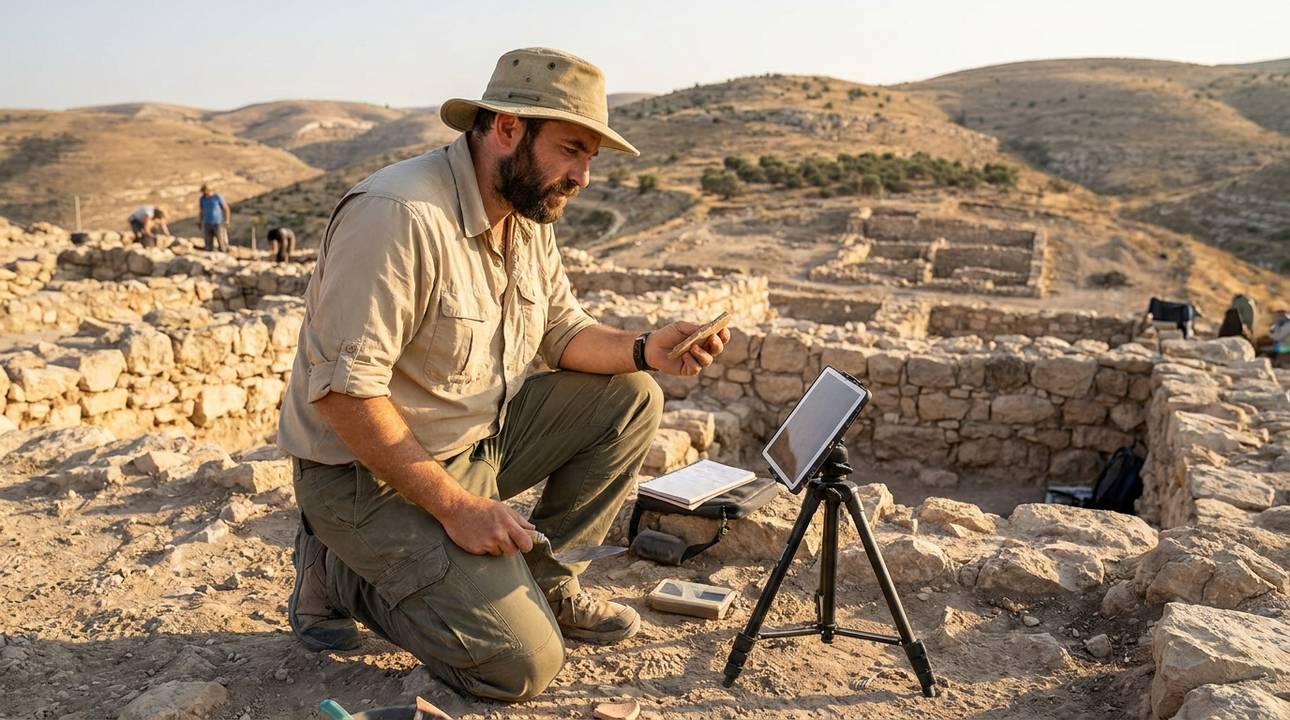
While specific archaeological finds at Chezib are limited, its identification with sites such as Tel Akziv offers valuable context. Tel Akziv, located in what is now Israel, is thought by some to be the ancient location of Chezib, providing a geographical anchor for historical narratives. The connection between these sites offers insights into the historical landscape of Judah’s time. These findings help reinforce the historical narratives present in texts, providing tangible connections to the stories of Judah and his descendants. This connection aids in visualizing the ancient world described in historical accounts, offering a deeper understanding of the cultural and historical backdrop against which these stories unfolded.

Chezib in Jewish Tradition
Jewish commentary, such as that of Rashi, highlights Chezib’s significance by exploring its connections and implications in the narrative of Judah. Rashi, a medieval French rabbi known for his comprehensive commentaries, delves into the events surrounding Judah and Tamar, showing the moral complexities faced by Judah. Rashi’s interpretations provide a deeper understanding of the ethical dilemmas and familial obligations depicted in the narrative. This also enriches understanding of the moral and ethical discussions related to these stories, where Judah’s actions lead to the birth of Perez and Zerah. The story of Tamar and Judah is a powerful example of the complexities of human relationships and the enduring importance of family and lineage in historical tradition.
from the Western Wall to Masada.
How Does Chezib Feature in Later Texts?
Chezib is referenced in subsequent historical traditions and analyses, appearing in texts where it is noted as the birthplace of Judah’s son, Shelah. This mention ties Chezib to the broader narrative of Judah’s family and their role in Israel’s history. These accounts serve as a sign of its enduring presence in historical study and Jewish historical reflection, offering insights into the familial and tribal dynamics of ancient Judah. Such reflections help keep the stories and lessons of history alive today.

Chezib’s Role in Understanding Judah
The narrative involving Chezib offers insight into the complexities of Judah’s character and his familial relations. This chapter highlights Judah’s departure from his brothers and his settlement in Adullam, where he meets Hirah the Adullamite. Judah’s marriage to the daughter of a Canaanite named Shua is also noted, setting the stage for the birth of his sons, Er, Onan, and Shelah. By examining these stories, we gain a clearer picture of Judah’s legacy and its implications, such as the importance of lineage and inheritance in earlier times. The birth of Shelah at Chezib is significant, as it marks a pivotal moment in Judah’s life, reflecting the intertwining of personal and tribal narratives. The story of Tamar further emphasizes the complexities of familial duty and the continuation of Judah’s line, which is crucial for understanding the ancestry of the tribes of Israel.
What Does Chezib Represent Today?
Today, the significance of Chezib is more resonant in its historical mentions. Chezib is noted as the place where Judah’s wife gave birth to Shelah, marking it as a site of personal and familial importance. This event is a key moment in the narrative of Judah, reflecting the intertwining of personal and tribal histories. Though not a major archaeological site, its narrative remains a point of interest for scholars and those interested in the foundational stories of the region. This interest is fueled by its role in the lineage of Judah, a key figure in the history of Israel. The story of Chezib offers a glimpse into the ancient world, providing context for the movements and settlements of Judah’s family.

Exploring Chezib with Lev Haolam
Lev Haolam provides an opportunity to connect with regions mentioned in historical texts. By purchasing products from artisans in various areas, members receive distinctive items while contributing to the local economy. This engagement fosters appreciation of the region’s cultural landscape, creating a connection that goes beyond commerce and touches on shared history and tradition.
Historical Context