
Exploring the City of Nahor in Historical Context


Nahor holds an intriguing place in history, named after Nahor, the grandfather of a significant historical figure. It was a center of cultural and familial importance, mentioned in ancient genealogies, where Nahor is listed as the son of Serug and the father of Terah.
In this article, we will explore its origins, role in historical narratives, and significance within the ancient world. This location was a focal point for the descendants of Terah, including key figures in historical texts.
Situated in Aram-Naharaim, it became a hub for family and trade connections, playing a crucial role in the stories of these descendants.
What Was the City of Nahor?
Nahor, mentioned as the dwelling place of Terah’s family, is located in Aram-Naharaim. This area served as a strategic and cultural hub, first referenced in ancient texts when Eliezer travels there to find a wife for a key historical figure.
It was integral to familial and trade networks, providing a backdrop to significant historical events. Eliezer’s journey to find Rebekah highlights its role in maintaining lineage, showcasing its strategic location for trade and cultural exchanges.
from the Western Wall to Masada.

Nahor’s prominence in historical narratives is underscored by its strategic location, which facilitated trade and cultural interactions. Its ties to familial networks are evident in the story of Rebekah. The history is further emphasized by mentions in ancient texts, showing the social and economic dynamics of the ancient world. Nahor’s legacy continues to be a subject of interest for scholars and enthusiasts alike.
Where Was the City of Nahor Located?
The exact location of Nahor remains elusive, yet it is traditionally linked to Paddan-Aram, a region identified in ancient texts. Here, a key historical figure advises another to seek a wife from Laban’s daughters, who resided in this area.
Paddan-Aram, corresponding to parts of modern-day northern Syria and Turkey, was inhabited by the Arameans. These Semitic people significantly influenced the region’s cultural and economic landscape, making it a central hub for tribal interactions and trade.
Its strategic position facilitated exchanges between local tribes, enhancing its importance. The Arameans, mentioned in several ancient texts, were known for their linguistic and cultural contributions to the ancient Near East.
Nahor’s role as a cultural and economic center is underscored by historical references, highlighting its significance in the broader narrative of ancient texts. Mentions provide a glimpse into its historical and cultural context.
The City of Nahor in Historical Narratives
In ancient texts, Nahor becomes central when a significant figure sends Eliezer to find a wife for another. This journey underscores its role as a familial link, reflecting the importance of lineage through strategic marriages.
Eliezer’s interaction with Rebekah, who becomes a key figure in the story, highlights the cultural influence. Rebekah’s acceptance of the marriage proposal marks a pivotal moment in the continuation of the lineage, emphasizing its role in preserving family ties.
The cultural role is further illustrated by its mention in the context of these familial connections. Nahor’s role in historical narratives provides a window into the customs and traditions of the time. This event not only highlights the importance of marriage alliances but also the influence in shaping the course of history. The strategic marriages facilitated played a crucial role in maintaining the lineage and traditions of the descendants.
Cultural and Economic Significance
Nahor was strategically located at trade route crossroads, facilitating interactions with neighboring regions. Its economy likely relied on agriculture and trade, exchanging goods like textiles, spices, and metals. The presence of the Arameans contributed to its cultural blend, influencing language and customs. This exchange of ideas and goods fostered a community, playing a vital role in its history as seen in historical mentions.
Nahor’s economic activities and cultural exchanges underscored its importance in the ancient Near East. Its strategic location allowed it to thrive as a center of trade and cultural interaction. The blend of cultures and ideas highlights its role in shaping the region’s history and its legacy in historical narratives. The history is reflected in contributions to the cultural and economic landscape of the time.
from the Western Wall to Masada.
Legacy of the City of Nahor
Although the physical presence of Nahor has faded, its legacy persists through historical narratives. These stories illuminate the family dynamics and traditions of ancient peoples. Mentions in texts continue to intrigue scholars and enthusiasts seeking to understand its historical role. The significance serves as a reminder of the culture that shaped early narratives, showing the ancient world’s social structures.
Mentions alongside figures like Rebekah underscore its role in pivotal events. Nahor’s legacy is preserved through contributions to these enduring narratives, highlighting its cultural and familial importance. As we delve into these stories, we gain a deeper understanding of the traditions and customs that influenced early societies. The history remains a topic of interest for those exploring the ancient world’s cultural heritage.
Nahor Beyond the Bible
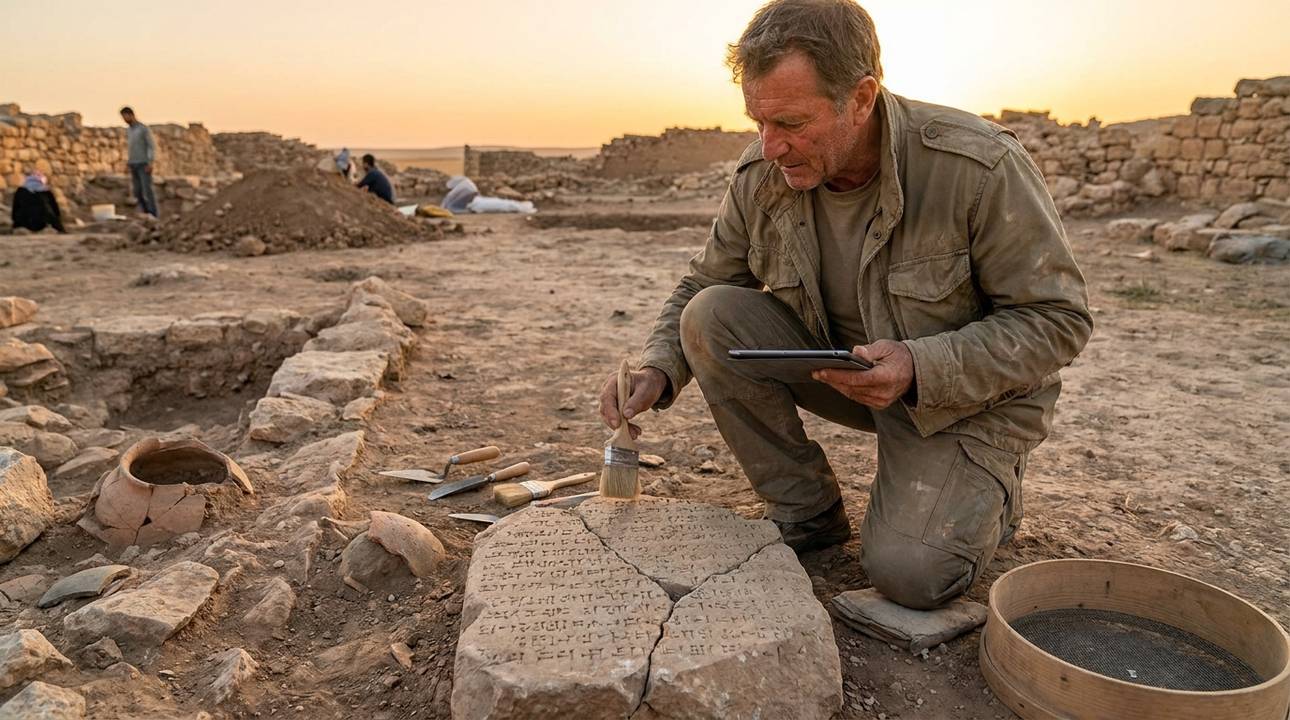
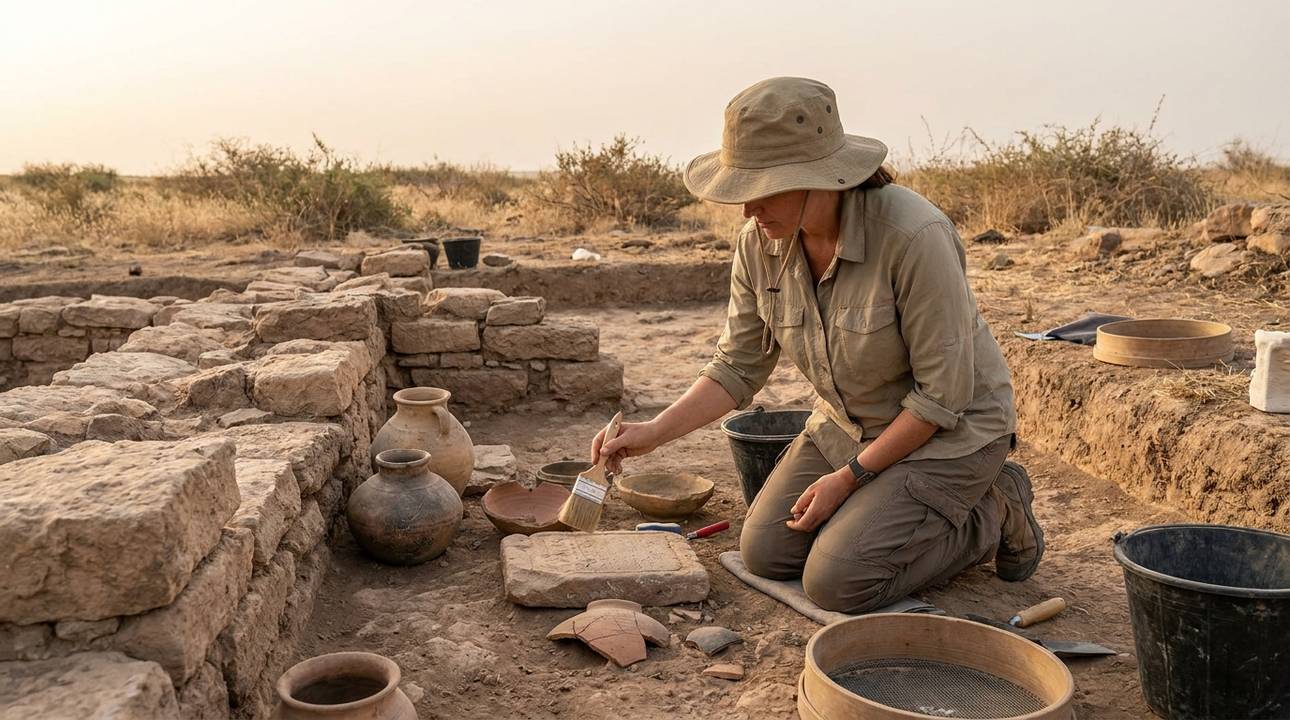
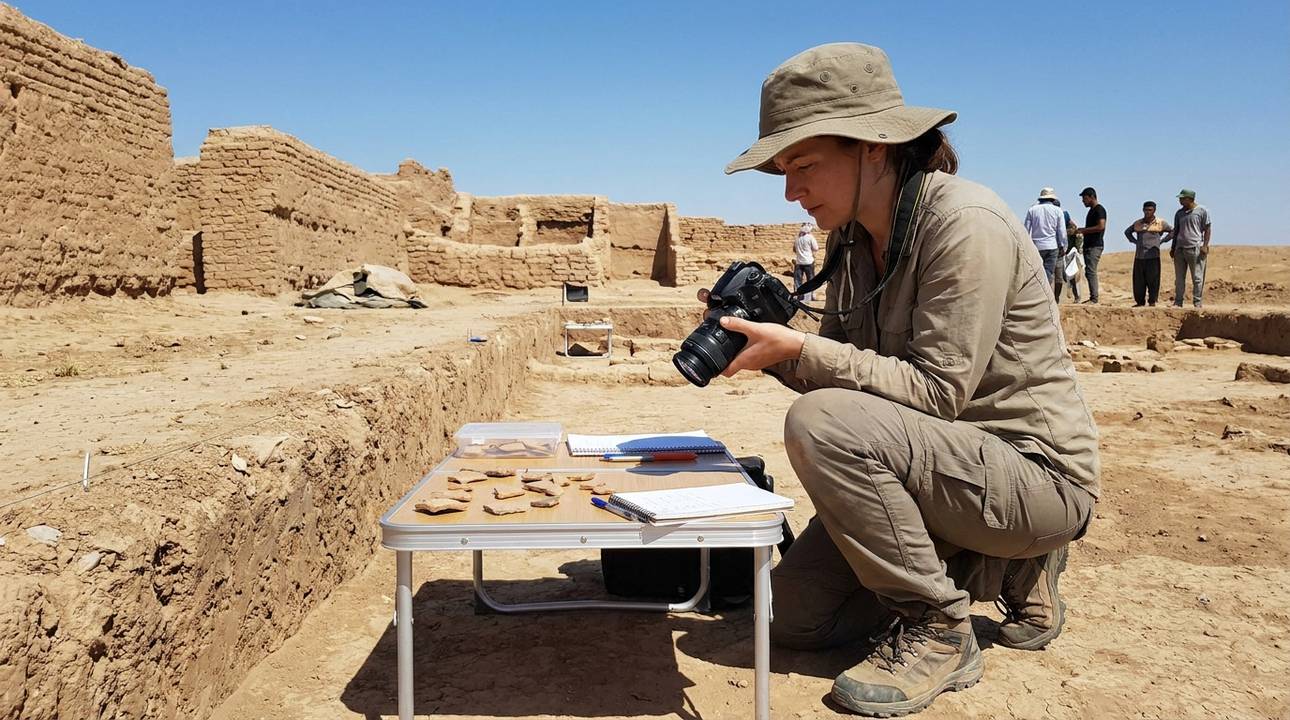
Archaeologically, little is known about Nahor. Some scholars suggest links to sites in modern Turkey and Syria, such as Tell Hariri, believed to be ancient Mari, due to its proximity to the Euphrates. Ongoing studies aim to uncover more about its past and verify historical accounts.
The quest to unravel its mysteries reflects a broader interest in piecing together early history through texts and tangible evidence, potentially shedding light on its historical role.
Discoveries at sites like Tell Hariri could illuminate the cultural impact and history. These archaeological efforts aim to provide a clearer picture of Nahor’s role in history. Potential connections to these historical locations offer insights into the broader historical and cultural context of the region. As research continues, we hope to gain a deeper understanding of Nahor’s place in history and its legacy.
Conclusion: Connecting Past and Present
Nahor holds a pivotal place in historical narratives, symbolizing familial and cultural connections. In ancient texts, it is the destination of a servant, Eliezer, who seeks a wife for a key figure, underscoring its familial importance.
This journey highlights its role in maintaining lineage and traditions through strategic marriages. Although the historical role is not fully understood, its mention in texts ensures relevance in historical discussions.
Inclusion in these narratives offers insights into the cultural and familial mix of human history. Mentions alongside figures like Rebekah emphasize its significance in the continuity of lineage. As we explore these early connections, we gain a deeper understanding of the social structures and traditions that shaped early societies. The legacy endures through contributions to these enduring narratives.
City of Nahor Insights
