
Exploring Shunem: A Location of Significance


Shunem is a location mentioned in several key historical texts. Found in the northern part of the region, it played a role in various narratives, providing rich insight into its historical and cultural context.
Shunem is first mentioned in historical records as part of the territory allotted to the Tribe of Issachar. This allocation underscores its importance within the tribal divisions of the region.
from the Western Wall to Masada.
The town is also notably featured in the story of Elisha and the Shunammite woman, where it becomes a setting for significant events.
The narrative of Elisha and the Shunammite woman highlights themes of hospitality and faith. Elisha, a prophet, frequently visited Shunem and was offered a place to stay by a kind woman and her husband. This act of kindness led to a series of events where Elisha prophesied the birth of a son to the couple, and later, revived the child after a sudden illness.
Shunem’s location near the Jezreel Valley, a fertile and strategic area, further emphasizes its significance. The valley was known for its agricultural productivity, which supported the livelihoods of its inhabitants.
Where Is Shunem Located?
Located in the Jezreel Valley, an area known for its lush plains and strategic significance, Shunem was near Mount Gilboa and was important for its agricultural productivity. This placement made it an appealing location for settlement, providing resources and proximity to major routes.
The Jezreel Valley has been a crucial area throughout history, serving as a corridor for trade and military movements. Shunem’s position within this valley highlights its role in the broader geopolitical landscape of the region.
The town is referenced in the Tribe of Issachar, highlighting its role in the ancient tribal territories of the region. Specifically mentioned as part of the allotment to Issachar, it emphasizes its importance within the tribal structure.
Today, scholars have identified its location near the modern village of Solem. This historical backdrop helps us understand how Shunem fit into the broader geopolitical landscape of the time.
The identification of its location aids in archaeological studies, providing a tangible connection to the historical narratives associated with the area. Archaeologists have found artifacts that help piece together the daily life and culture of its ancient inhabitants.
Shunem in Historical Narratives
Shunem appears prominently in the story of Elisha and the Shunammite woman. The narrative describes a woman from this town who showed hospitality, leading to a significant event.
This story reflects the culture of hospitality that was central to the communities of the region. Shunem is also the site where the Philistines camped before a major battle.
The location’s strategic importance is highlighted in these military movements. These accounts contribute to Shunem’s reputation as a place of encounters and significant historical events.
The Role of Shunem in Ancient Society
As a part of the rich Jezreel Valley, Shunem’s establishment provided agricultural sustenance to its inhabitants. The Jezreel Valley is known for its fertile land, which allowed for ample cultivation, making it an essential part of the region’s economy.
The Jezreel Valley itself is a significant geographical feature, stretching across northern Israel and known for its lush plains. This made Shunem a prime location for farming and settlement, contributing to its economic and strategic importance.
Shunem’s location near crossroads amplified its trade significance, enabling connections with other prominent cities and peoples. It served not just as a residential area, but as a noteworthy location in the religious and cultural matrix of the region.
The town’s proximity to major trade routes facilitated the exchange of goods and ideas, fostering a dynamic community. This connectivity is reflected in the historical narratives that highlight Shunem’s role as a hub of activity and interaction.
Archaeological Insights into Shunem
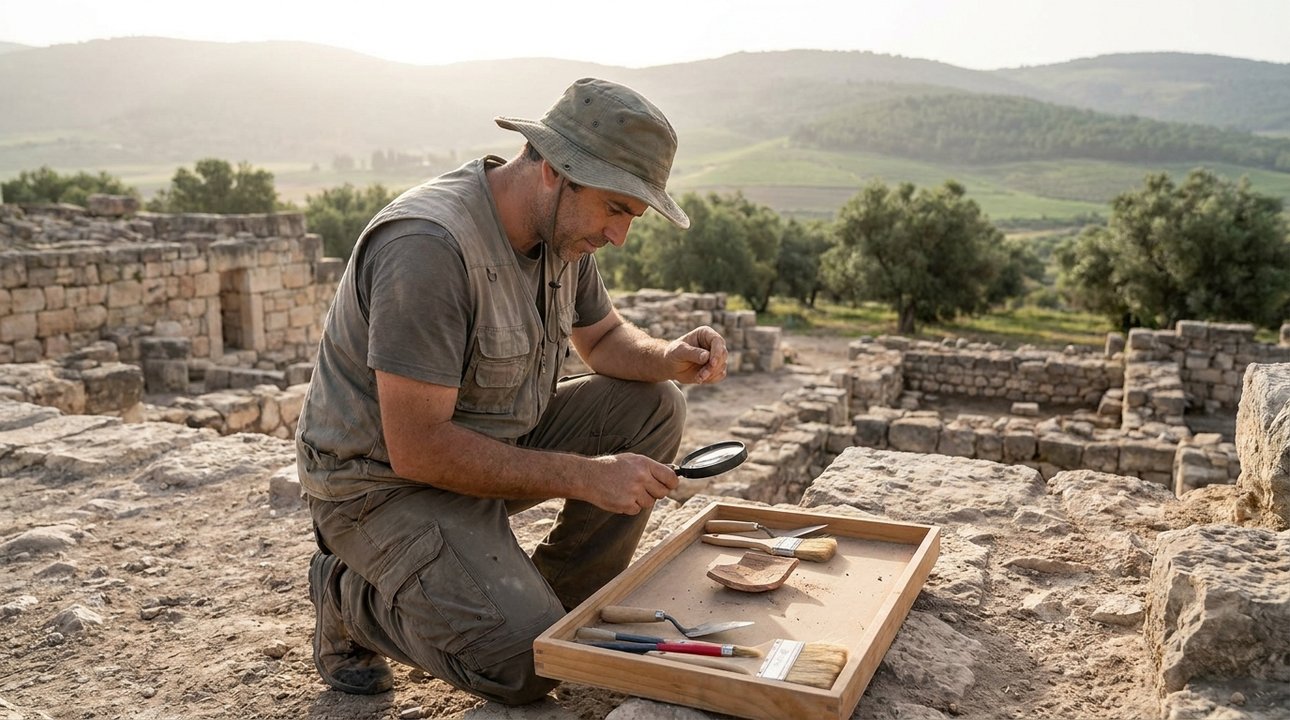
Archaeological studies in the Jezreel Valley have uncovered artifacts dating back to the Iron Age, corresponding to the period of Shunem’s mention. These findings offer clues about the daily lives of its ancient inhabitants.
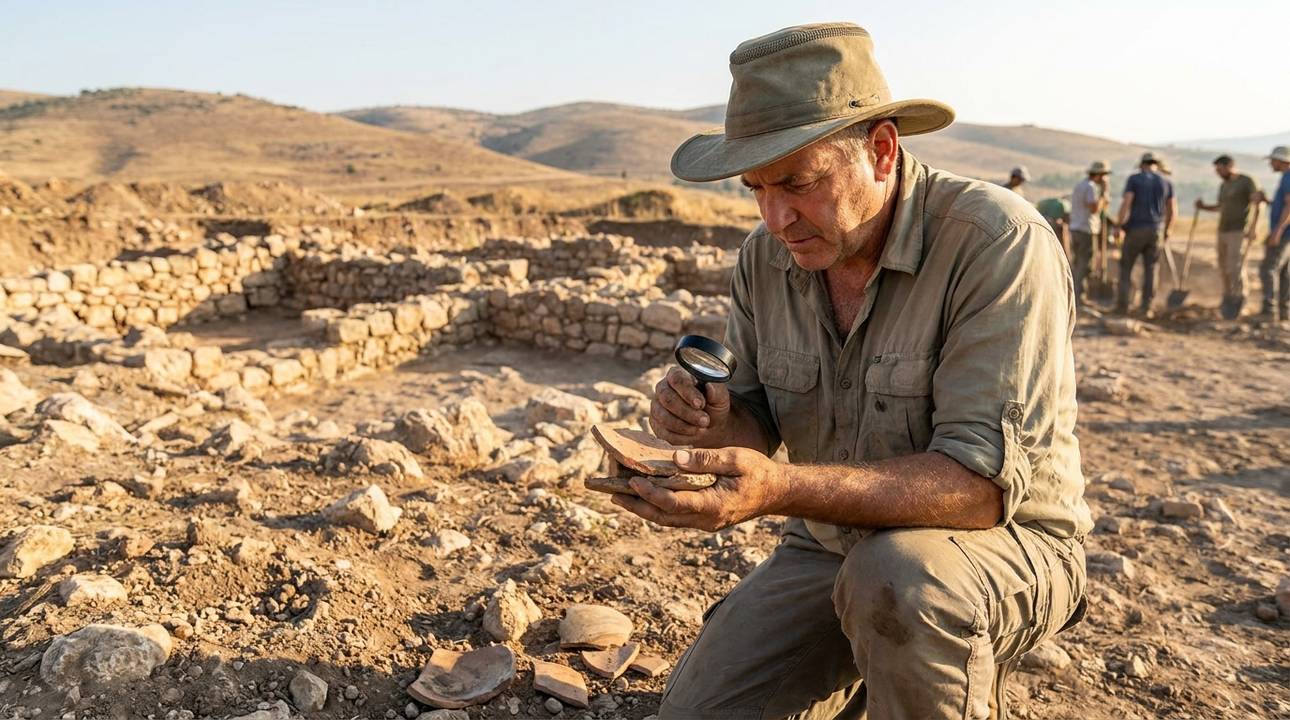
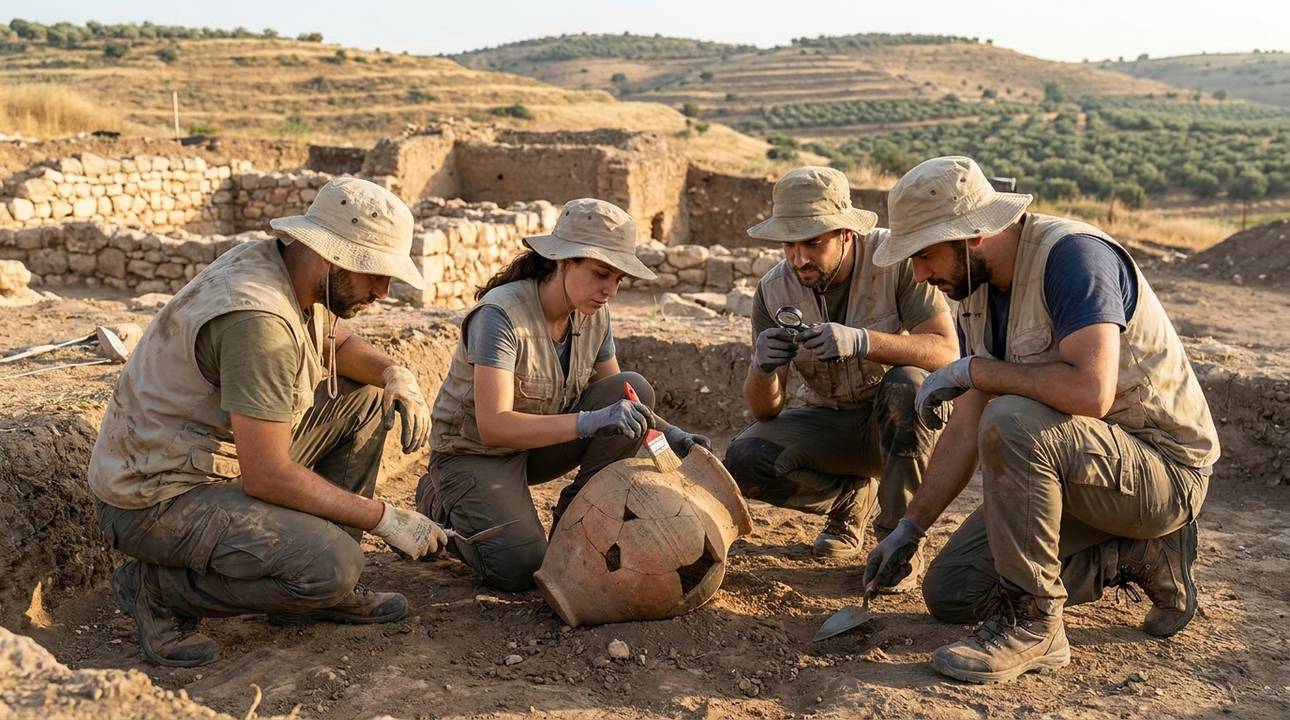
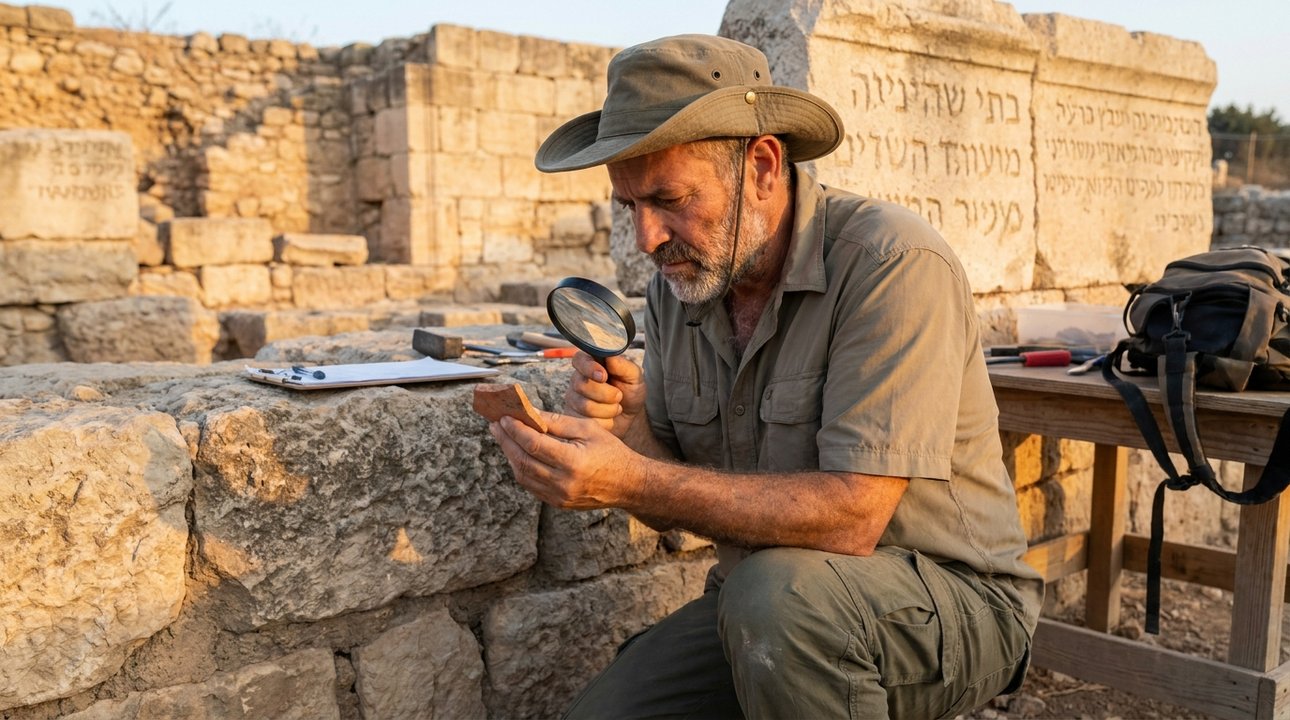
Pottery shards, remnants of buildings, and other artifacts serve as a tangible connection to the past. Such discoveries contribute vastly to our understanding of how Shunem was structured and inhabited during significant historical events.
These insights reveal not just the practicality of life in Shunem but also its cultural richness as reflected in historical stories.
Key Figures Associated with Shunem
The town is known for figures like the Shunammite woman, a significant character demonstrating hospitality. Her interaction highlights profound themes of trust and reward. Abishag, another notable figure from Shunem, was chosen to attend to a king in his old age. Her story showcases the town’s connection to royal narratives. These individuals are central to understanding the societal dynamics embodied by Shunem and its portrayal in literature. Their stories continue to resonate, offering lessons on human dignity and providence.
from the Western Wall to Masada.
Later Historical and Cultural Developments
Throughout history, Shunem maintained its significance within historical lore and post-historical interpretations. In Jewish tradition, sites such as Shunem are placed into cultural memory through stories, folklore, and texts, retaining their significance long after their peak periods.
The story of Elisha and the Shunammite woman, for example, is a tale that has been retold in various forms, emphasizing themes of faith and divine intervention. These narratives continue to resonate within Jewish cultural and religious traditions.
Modern explorations frequently include Shunem, not just for its historical importance but also for its reflection of ancient society. The town is mentioned in narratives where significant events occur, highlighting its importance.
Today, it is a subject of interest for historians and scholars alike seeking to understand the full spectrum of the ancient world it belonged to.
Archaeological excavations in the area have provided valuable insights into the material culture of the time, helping to contextualize the historical accounts. Findings include pottery, tools, and remnants of structures that illustrate daily life in Shunem.
Present Understanding of Shunem’s Legacy
Present-day recognition of Shunem involves both academic study and spiritual reflection, as scholars aim to elucidate its historical context. Its stories is still remembered narratives of faith and perseverance, cherished across generations and cultures.
Archaeological studies in the region have uncovered artifacts that provide insights into the daily lives of its ancient inhabitants. These findings help paint a picture of Shunem as a community with strong ties to the agricultural and trade networks of the time.
As part of Israel’s tapestry, Shunem exemplifies how ancient locations continue to inform modern understandings. Whether through religious study or archaeological exploration, the legacy of Shunem persists, inviting all to delve into its layered past.
The stories associated with Shunem are not only narratives but also reflections of the values and social structures of the region. This duality makes Shunem a rich subject for both historical and scholarly exploration.
Conclusion: Why Shunem Matters Today
Understanding Shunem’s placement and role in historical texts provides a window into ancient life and themes that still hold relevance today. This ancient town offers connections to the values, struggles, and beliefs of the past, continuing to teach important lessons applicable in modern life.
The narratives set in Shunem, such as the story of Elisha, emphasize themes of faith, hospitality, and divine intervention. These stories have been passed down through generations, illustrating the enduring nature of these values.
In examining such locations, we celebrate the unbroken narrative of faith, community, and resilience that ties the ancient with the present. By considering Shunem, we gain a deeper appreciation of the spiritual and historical complexities that reside within the Bible.
The archaeological and textual evidence from Shunem helps us understand the broader historical context of the region, offering a glimpse into the everyday lives of its ancient inhabitants and their interactions with prominent figures.
Understanding Shunem
