
Exploring the History of Ancient Marjaayoun


In antiquity, the area known as Marjaayoun served practical needs for people who lived by its springs and fields. Archaeological evidence shows settled life centering on farming, food storage, and the use of local stone for buildings. Documentary fragments and material finds yield a picture of daily routines and economic connections over many centuries. This text summarizes findings from field surveys, excavation reports, and published studies, emphasizing observable evidence and dated material.
The landscape around Marjaayoun features low hills and natural springs. These water sources supported small-scale agriculture and livestock. Archaeologists note that households were frequently sited near reliable water. Building stones from nearby outcrops and sun-dried mud-brick appear repeatedly in the foundations uncovered by digs.
from the Western Wall to Masada.

Remains of paths and rudimentary roads link terraces and settlement sites. Pottery shards found along these routes indicate movement of goods and people. Field surveys record ceramics matching typologies dated to the Bronze and Iron Ages. Such finds point to repeated human use of the routes for trade and seasonal travel.
Some scholars propose that maritime traders and inland merchants used these corridors to move timber, ceramics, and foodstuffs. Material evidence includes imported pottery forms and trade-weight implements. When discussing long-distance exchange, researchers rely on ceramic typology, petrographic analysis, and recorded find contexts to link objects to broader trade networks.
Understanding the Role of Ancient Marjaayoun
The place-name Marjaayoun translates as ‘Meadow of Springs’. The name reflects the local environment and suggests why people settled here. Water made it possible to cultivate wheat, barley, and olives. Parcel boundaries and small terraces near springs appear in survey maps and excavation plans.
Mentions in Ancient Writings
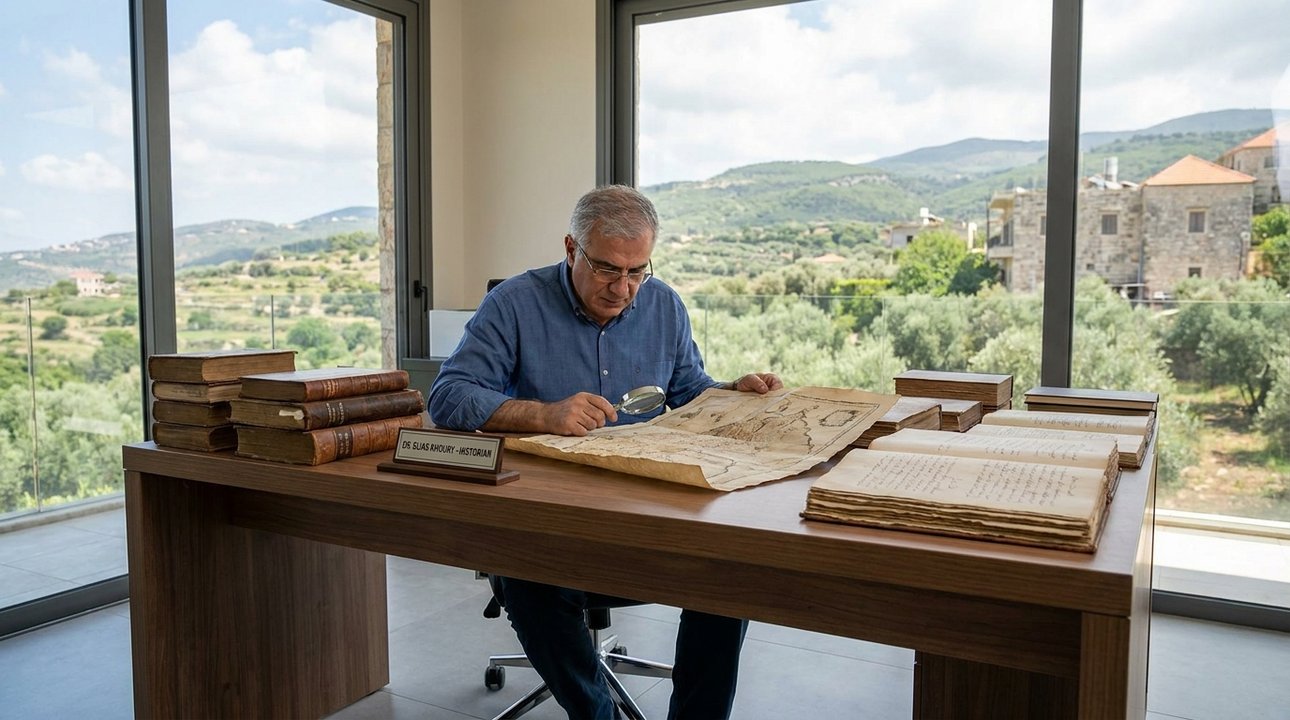
References to this area, or to names that resemble Marjaayoun, appear in some inscriptions and clay tablets from the wider region. These documents often record agricultural transactions, shipments, or place-names associated with fields and storage. When mentions occur, they tend to describe routine economic activity rather than grand political events.
Scholars reconstruct local history by comparing written records with material remains. Pottery shapes, tool marks, and sediment layers help match texts to archaeological phases. Where direct textual references are sparse, researchers proceed cautiously and indicate uncertainty in their interpretations.
Agricultural potential made the area suitable for small villages. Remains of terraces and storage pits indicate systematic food processing. Over time, households developed techniques for preserving grain and oil that appear in storage jars and silo contexts.
Marjaayoun in Archaeological Records
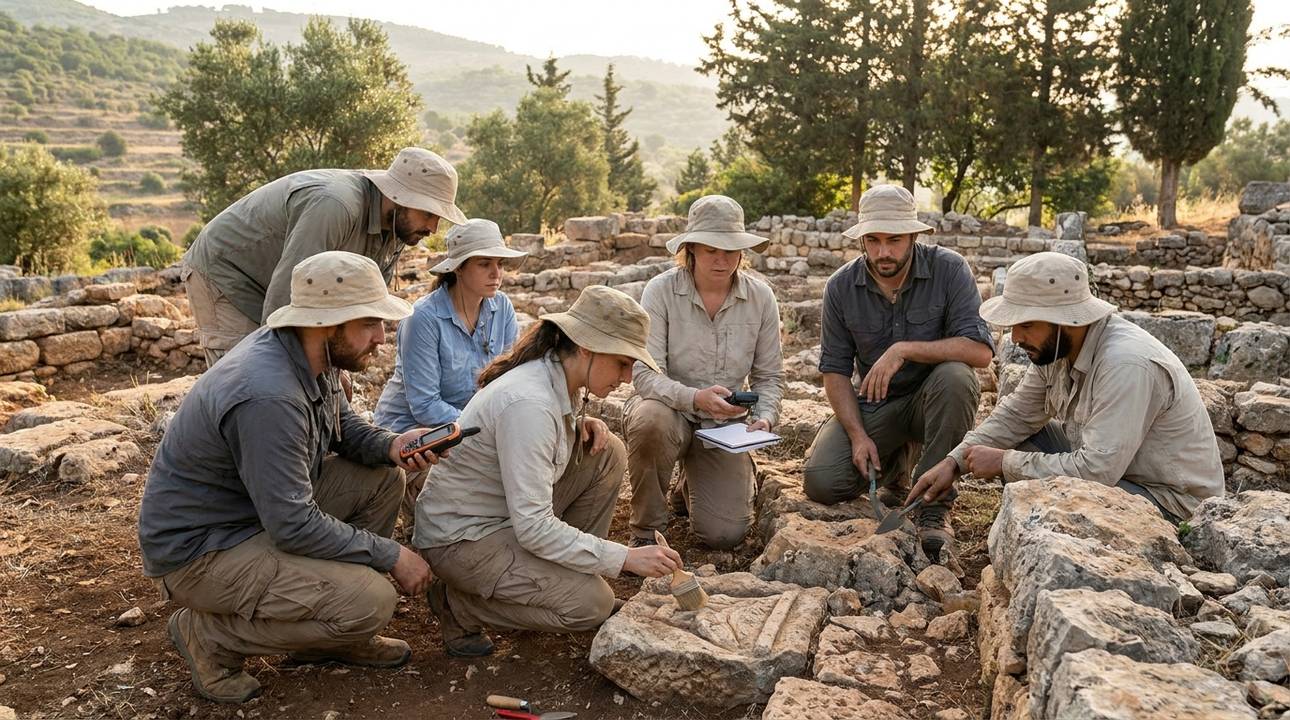
Excavations have produced pottery sherds, stone tools, and foundation remains. Specialists assign many of these finds to the Bronze and Iron Age periods based on typology and stratigraphy. Radiocarbon dates from organic samples, reported in some excavation summaries, provide approximate chronological anchors for occupation levels.
Clay tablets and administrative records from neighboring sites occasionally mention deliveries of grain or oil. Such entries support the interpretation that rural production fed larger distribution systems. Imported ceramics recovered in workshop areas show links with distant production centers, inferred through fabric analysis and vessel form comparisons.
Structures and Settlement Patterns
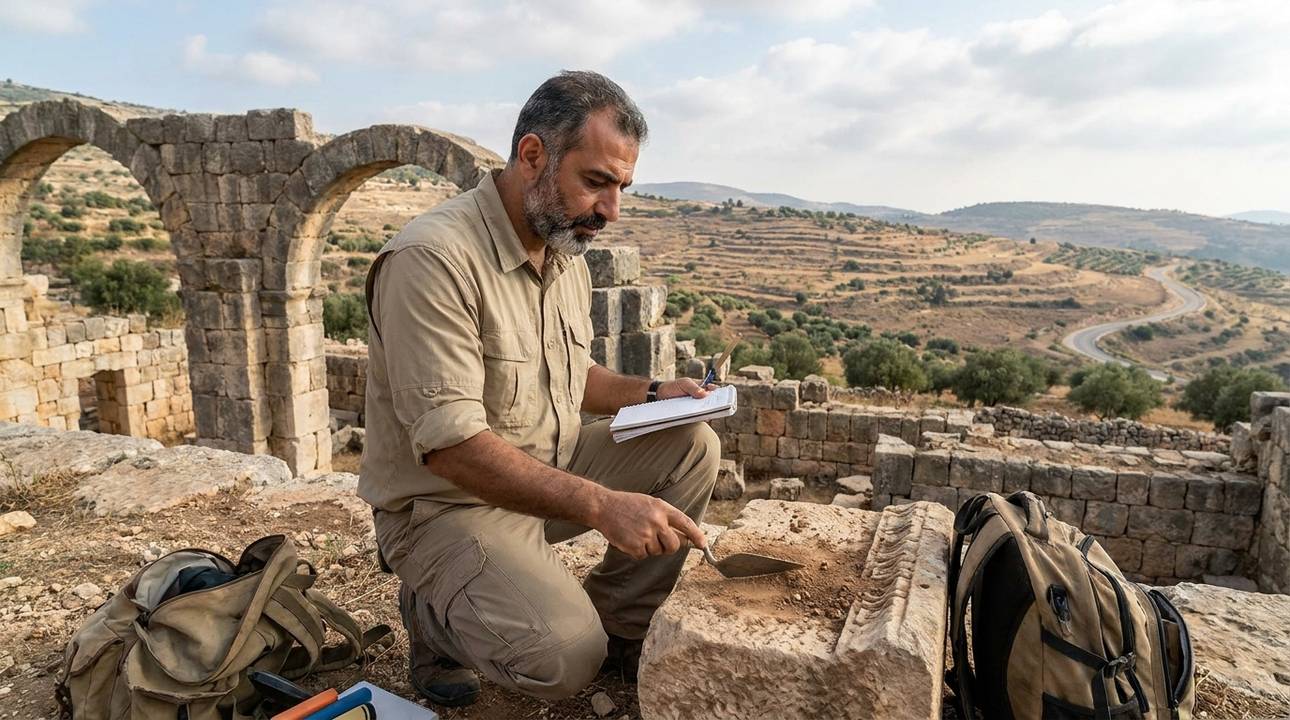
Archaeological trenches reveal house foundations laid on slightly raised terraces. Many houses cluster in compact groups, which suggests social units living close together for mutual support. Storage features, such as pits and jars, sit near domestic floors. Hearths and simple ovens indicate onsite food preparation.
Construction techniques include fieldstone foundations and mud-brick upper walls. Comparisons with nearby sites show similarities in wall bonding and floor surfaces. Such technical parallels are helpful for dating and for understanding building traditions shared across the region.
Archaeological teams publish season-by-season reports. These reports document context sheets, feature plans, and artifact catalogs. When available, they include specialist studies on ceramics, lithics, and botanical remains that illuminate diets and craft activities.
Ongoing archaeological studies continue to add new pieces to the puzzle. Each field season refines chronologies and clarifies occupation sequences. Researchers emphasize the fragmentary nature of the record and avoid sweeping claims beyond what the evidence supports.
While many questions remain, the material record clearly shows sustained agricultural life and local craft production that adapted to environmental conditions.
Agriculture and Daily Life in Antiquity
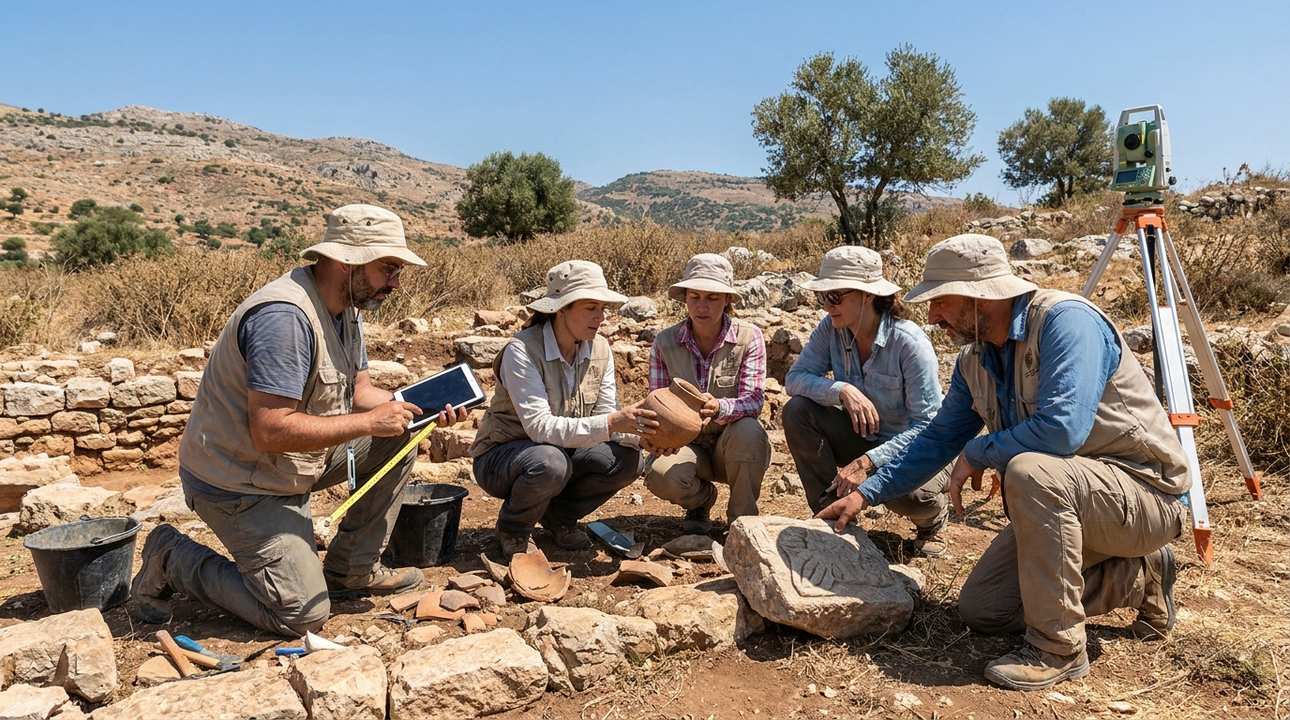
Farming appears to have been the primary occupation. Evidence points to cultivation of cereals and olives. Stone mills, querns, and sickle blades are common finds. Clay storage jars and sealed containers show practices for preserving surplus.
from the Western Wall to Masada.
Analyses of charred seeds and wood provide direct clues about crops and fuel. Such archaeobotanical remains allow researchers to reconstruct seasonal activities. For example, harvest residues and storage debris help identify processing stages and times of year when labor peaked.
Domestic craft is visible in the form of simple ceramics, spindle whorls, and basic metalworking debris. These items indicate households produced many of their own goods. At the same time, specialized pottery from other regions shows that some finished items arrived via trade.
Seasonal festivals and communal gatherings likely punctuated agricultural cycles. Written sources from neighboring areas describe harvest rites and market days; parallels can be informative when applied cautiously to local practice. Oral memories, where recorded, sometimes preserve fragments of seasonal customs.
Oral Traditions and Local Stories
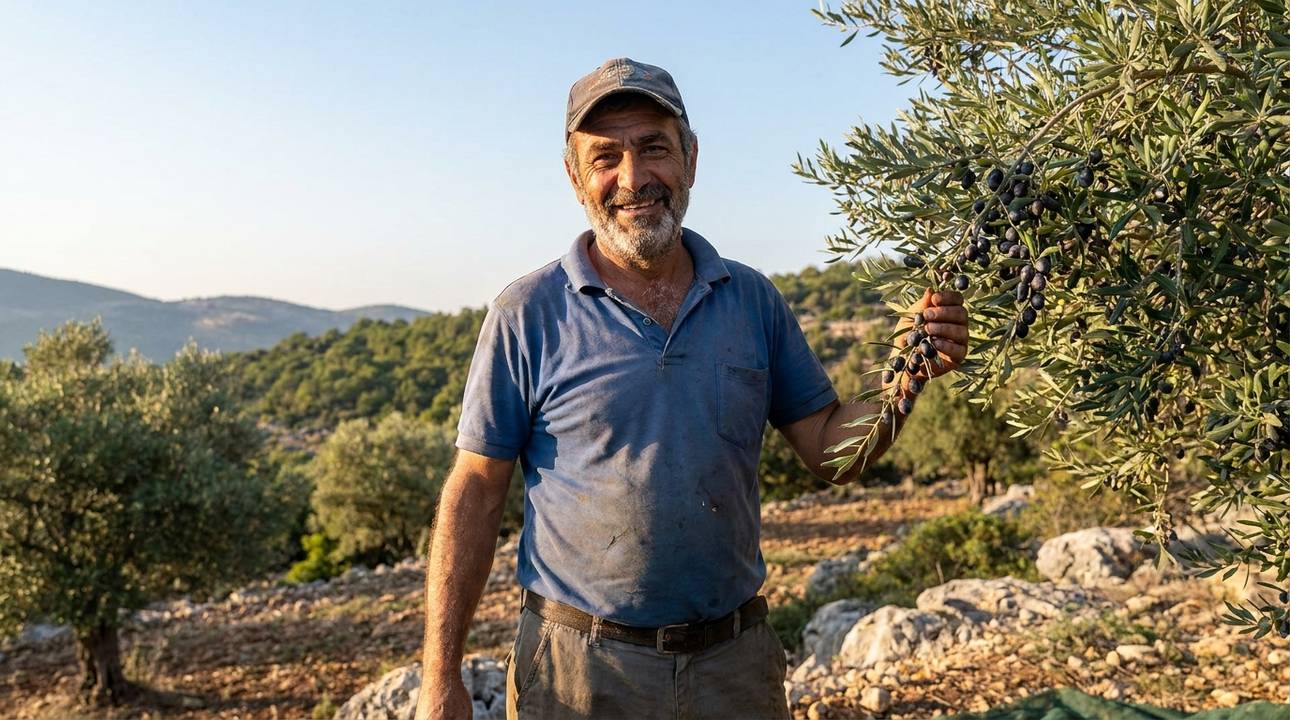
Generations passed down stories tied to planting, harvest, and weather. These tales often contain practical advice about crop cycles and animal care. When recorded by ethnographers, such narratives offer contextual color but must be tested against material evidence before being used as historical fact.
Some local sayings describe wise elders and skilled farmers whose practices improved yields. These figures appear as mnemonic devices for passing on labor techniques. Similar motifs exist across many rural societies in the ancient Near East.
Traditions in this area show strong links to environmental stewardship and household labor routines. Field boundaries, planting calendars, and property markers are recurring themes in both oral accounts and in the archaeological record.
Current Research and Interpretation
Archaeologists and historians continue to study the site through excavation, survey, and laboratory analysis. Methods include stratigraphic recording, ceramic seriation, radiocarbon dating of organic remains, and petrographic study of pottery fabrics. Each method contributes a piece to the chronological and functional picture of past life.
Published reports and specialist articles provide the most reliable summaries of new findings. When possible, researchers cross-check artifact typologies with dated sequences from well-published neighboring sites to refine local chronologies. Interpretations remain tentative where data are incomplete.
Researchers aim to describe what can be observed and dated, and to avoid claims that extend beyond the evidence. Where broader cultural connections are proposed, authors typically indicate their degree of confidence and cite relevant comparative material.
Concluding Remarks
The archaeological record for this area documents long-term agricultural occupation, local craft production, and connections with wider exchange networks. Material culture and environmental remains together allow a reconstruction of rhythms of work, storage, and household life across centuries.
As fieldwork progresses, specialists publish updated catalogs, radiocarbon results, and contextual studies. Readers interested in technical details should consult excavation reports and peer-reviewed articles listed in academic bibliographies. Further research will continue to refine our understanding of settlement sequences and daily life.
This account emphasizes material evidence and scholarly caution. It avoids modern political framing and focuses on ancient lifeways, archaeological methods, and the written sources that can be securely linked to the local record.
Historical Context
