
Discovering Hamonah in Israel’s Historical Landscape
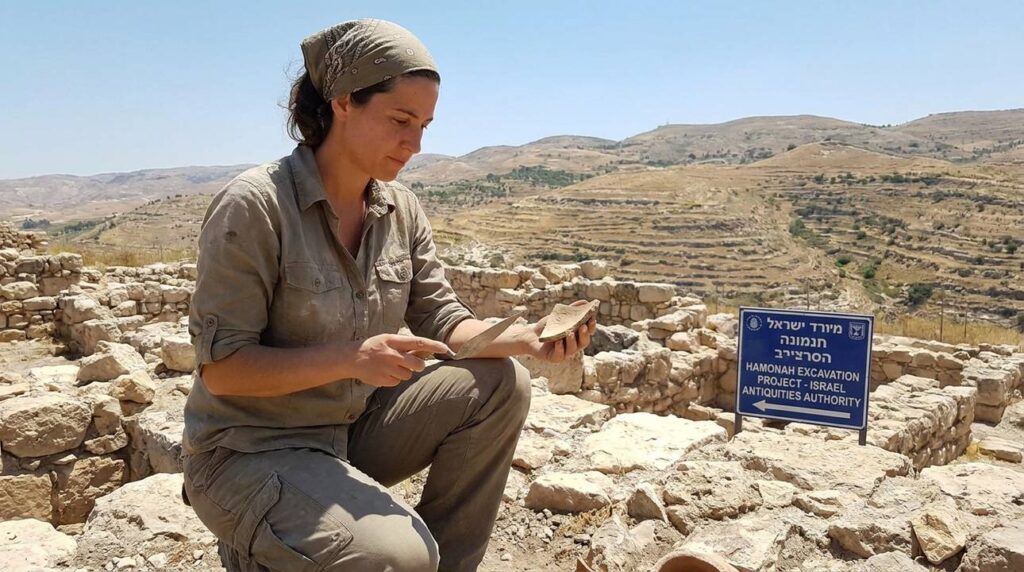

In historical narratives, Hamonah appears as a place connected to a significant prophecy in the Book of Ezekiel. As a part of Israel’s mix of sites, Hamonah offers insights into the ancient conflicts and symbolism that have shaped the region’s identity. The name ‘Hamonah’ itself means ‘multitude’, reflecting the vast numbers involved in the prophetic events. This article dives into the historical context, geographical location, and cultural role of Hamonah in the annals of history.
__INTRO__ Located near the Valley of Hamon Gog, its mention signifies a place where significant events manifest, underscoring its importance in prophecy. The Valley of Hamon Gog is described as a burial ground for defeated armies, symbolizing the ultimate victory of Israel over its adversaries. The narrative of Hamonah is intertwined with themes of justice and restoration. It serves as a powerful reminder of the enduring faith and perseverance of the Jewish people, as they continue to navigate the challenges of history.
from the Western Wall to Masada.
What Does Hamonah Mean in the Bible?
Hamonah is directly mentioned in the Book of Ezekiel as a site associated with the prophecy concerning Gog and Magog. The name means ‘multitude,’ reflecting its connection to the aftermath of a significant battle. This city serves as a monumental symbol in prophecy, marking a place in Judah’s territory where enemies were defeated. The prophecy speaks of a time when the forces of Gog would be defeated, leading to a cleansing of the land. The prophecy of Gog and Magog, found in Ezekiel 38-39, is a vivid narrative describing a future invasion of Israel by a coalition of nations. This prophecy is often interpreted as a metaphor for the ultimate triumph of good over evil. Hamonah, as a site of this prophecy, becomes a symbol of hope and renewal for the people of Israel. The mention of Hamonah in Ezekiel is significant because it highlights the theme of divine justice. The defeat of Gog and Magog is seen as a divine intervention to protect and restore Israel.
Where Was Hamonah Located?
The exact location of Hamonah remains a subject of scholarly debate. Some suggest it was situated near ancient battlefields in the plains of Israel, possibly close to the Jezreel Valley. This valley was a site of numerous battles, making it a plausible location for Hamonah. In historical times, the region was known for its strategic importance, serving as a gateway between different territories in Israel. Hamonah’s name evokes a sense of finality connected to triumph over adversaries, symbolizing the purification and renewal of the land. The Jezreel Valley, often referred to as the ‘Valley of Armageddon,’ has been the backdrop for many significant events. The valley’s strategic location made it a focal point for military campaigns throughout history. The association of Hamonah with this region underscores its symbolic role in prophecy. As a site of significant events, it represents the ultimate victory of Israel over its enemies, a theme that resonates throughout history.
The Connection to Gog and Magog
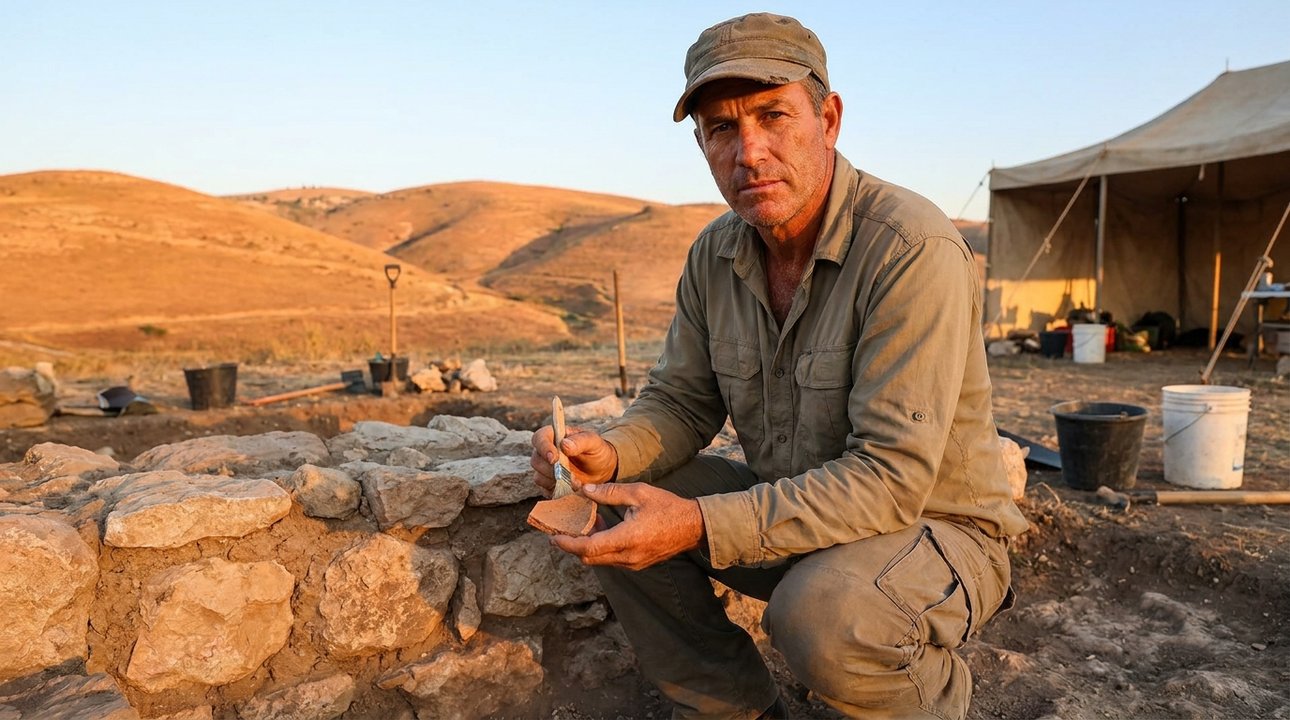
Hamonah is intrinsically linked to the enigmatic figures of Gog and Magog. According to the prophecy in Ezekiel, Hamonah serves as a site of culmination where the forces of Gog meet their destiny. This valley, known as the Valley of Hamon Gog, is described as a burial place for Gog’s multitude, symbolizing the end of chaos. The prophetic literature uses Gog and Magog to signify future conflicts and significant events. Hamonah, therefore, becomes a symbol of triumph over chaos and the establishment of order. The narrative of Gog and Magog is also echoed in other texts, emphasizing the universal theme of good prevailing over evil.
Hamonah in Historical Context
Historically, sites like Hamonah offer context to the geopolitical struggles in Israel. The geographic references in Ezekiel hint at a time when kingdoms vied for control over crucial passages. For example, Ezekiel describes the conflict involving Gog and Magog, highlighting the strategic importance of locations like Hamonah. Archaeological surveys have yet to definitively identify Hamonah, adding an air of mystery to its historical existence. Understanding its role illuminates the narrative of justice and territorial restoration present in texts. The conflict involving Gog and Magog is often seen as a symbolic representation of the forces that oppose Israel. This struggle is not just a physical battle but also a spiritual one, reflecting the ongoing challenges faced by the Jewish people throughout history. The lack of archaeological evidence for Hamonah adds to its enigmatic nature, sparking curiosity and debate among scholars. Despite this, its mention in texts is still remembered in discussions on the themes of justice and restoration.
Why Is Hamonah Significant Today?
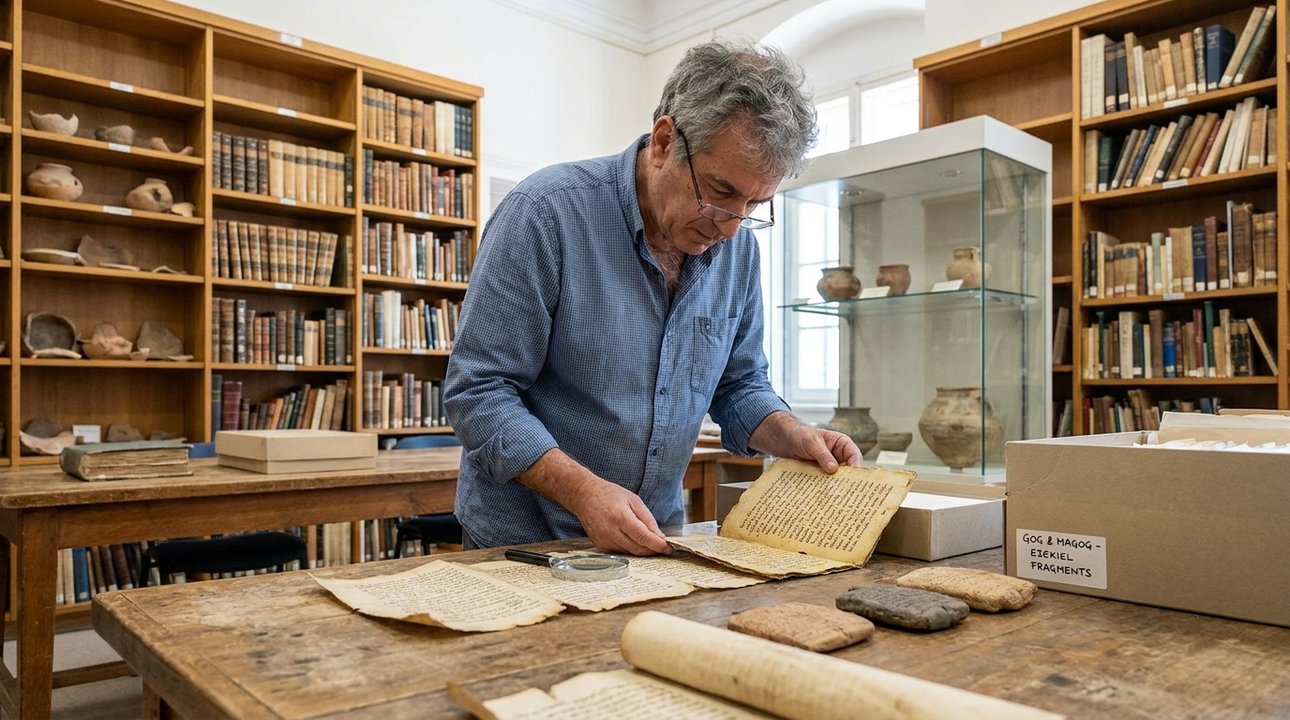
Today, Hamonah’s significance is found in its enduring symbol as a place of prophecy fulfillment. The city’s mention in literature, particularly in Ezekiel, is still remembered interest among scholars and enthusiasts alike. It is a focal point for discussions on prophetic events and their implications for the future. Hamonah stands as a sign of themes of hope and renewal, common in narratives about Israel’s future. By exploring Hamonah, one gains insight into the worldview and the continuing relevance of these ancient places. The prophetic events associated with Hamonah highlight the enduring nature of promises. These themes resonate with those who see in them a reflection of their own hopes and aspirations. Hamonah’s story encourages reflection on the enduring nature of promises and their impact on contemporary thought. It serves as a reminder of the timeless messages of hope and renewal found in texts, offering inspiration for future generations.
from the Western Wall to Masada.
References to Hamonah in Jewish Tradition
Jewish traditions often explore the symbolic nature of Hamonah, delving into its representation of ultimate redemption. Rabbinic interpretations emphasize its role in the plan for Israel’s future, aligned with expectations. For example, the Talmud discusses the significance of such sites in the context of prophecy. Liturgical references to Hamonah bring its message into yearly practices, highlighting the cultural memory maintained by the Jewish people. This reinforces the broader narrative of renewal and hope that forms the core of many stories. The Talmud, a central text in Jewish tradition, often reflects on the themes of redemption and restoration. In discussing sites like Hamonah, it emphasizes the enduring hope for a future where peace and justice prevail. Hamonah’s role in liturgy and tradition serves as a reminder of the promises of redemption and the importance of maintaining hope. These themes are woven into the fabric of Jewish cultural and religious life, underscoring the perseverance of the Jewish people.

Theological Implications of Hamonah
Theologically, Hamonah challenges readers to consider themes of judgment and salvation intertwined within its story. Its role in prophecy underscores the promise for Israel’s deliverance. The valley becomes a site where justice is enacted, marking a turning point in the narrative. To many, it represents the ability to transform chaos into order, akin to the broader themes explored in literature. The lessons from Hamonah stress faithfulness and hope amidst adversity, vital tenets in teachings. This transformation from chaos to order is a recurring theme, reflecting the overarching narrative of redemption. Hamonah’s story is a sign of the enduring faith of the Jewish people and their unwavering hope for a future of peace and redemption. It serves as a reminder of the timeless messages of hope and renewal found in texts, offering inspiration for future generations.
Hamonah’s Influence on Modern Thought
In modern thought, Hamonah inspires those who find meaning in its promises. Its narrative continues to capture the imagination of those interested in prophecy, particularly in relation to Ezekiel’s visions. Scholars often explore how these ancient prophecies might relate to contemporary events, sparking discussions on their relevance today. Hamonah’s symbolism transcends its historical roots, resonating with new interpretations in cultural and religious dialogues. This lasting impact highlights its place within the wider story of Israel and its significance. Its story encourages reflection on themes of hope and justice, which remain pertinent in modern discourse.

Conclusion: Hamonah’s Place in Historical Memory
Hamonah holds a unique position within the mix of history, serving as both a literal and symbolic landmark. Its association with Gog and Magog, as detailed in Ezekiel, offers lessons in perseverance and renewal. The site is emblematic of the struggle between chaos and order. By studying Hamonah, one gains insights into the enduring themes that continue to shape the narrative of the Jewish people. Its legacy serves as a reminder of the ongoing journey towards fulfillment and peace. The story of Hamonah, intertwined with the fate of Gog and Magog, underscores the perseverance and hope that are central to the Jewish experience. This narrative is not just about a physical location but also about the journey of a people. The themes of chaos and order, struggle and triumph, are prevalent throughout history. Hamonah’s story is a sign of the enduring faith of the Jewish people and their unwavering hope for a future of peace and redemption.
