Discovering the Ahava Canal in Historical Context
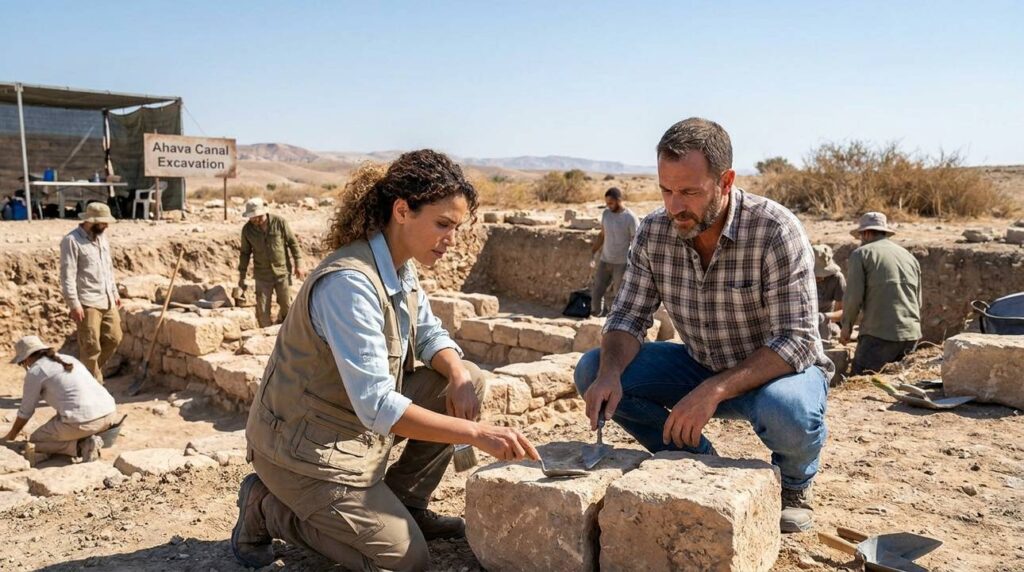

The Ahava Canal is an important site in historical accounts. It was a gathering place for Jewish exiles preparing to return to Jerusalem. Beyond its physical attributes, it symbolized renewal for those in exile. Leadership played a critical role in organizing the journey back, ensuring readiness for the challenges ahead.
This article explores the significance and role of the Ahava Canal in historical journeys. The canal highlights the importance of unity in overcoming challenges and achieving communal goals. Its legacy continues to inform, connecting modern Jewish communities with their history and traditions.
from the Western Wall to Masada.

What Is the Ahava Canal?
The Ahava Canal is referenced in the context of the Jewish return to Jerusalem as described in ancient texts. It was a key location where leaders gathered those intending to travel from Babylon to their homeland. This site served as a meeting point and a place for preparation, marking the renewal of Jewish life in their ancestral home. While the exact location is not known, it represents hope and renewal for the Jewish people. Scholars believe it was a waterway near Babylon, frequently used for travel and trade. This moment in history is pivotal as it represents the determination and faith of the leaders and their companions during a critical period. Its significance is deeply tied to this moment of gathering and regeneration.
The Historical Context of the Ahava Canal
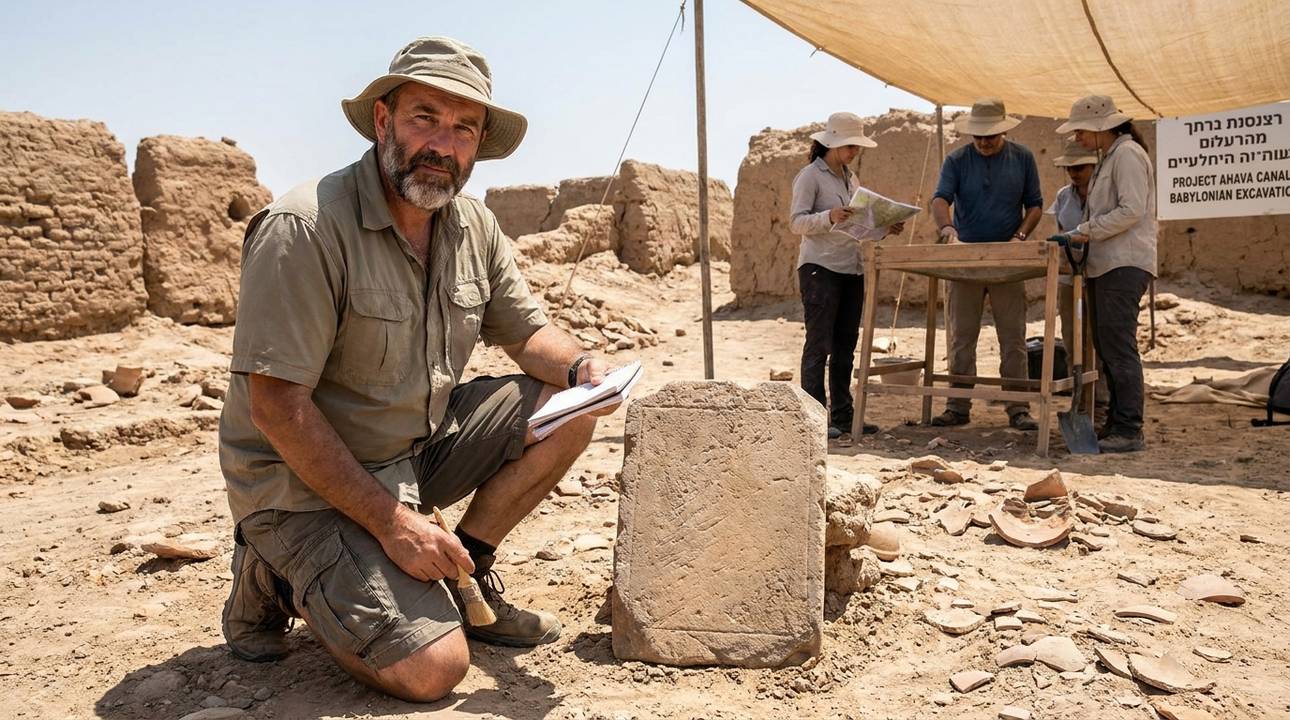
The historical context of the Ahava Canal is rooted in the Jewish exile period. Following the Babylonian conquest of Jerusalem, many Jews were forcibly relocated. Their return years later was a significant moment of reclamation. The canal was instrumental during the preparations for this journey back to Jerusalem. It represented a crossing point, both physically and spiritually, for the Jewish diaspora. It was where resources vital for the temple’s restoration were collected. This location served as the starting point for bringing Jewish culture back to life in its traditional home. Its historical relevance is underscored through its association with this critical Jewish migration.

The Role of the Ahava Canal in Historical Texts
Historical texts describe the Ahava Canal as a focal point for the return journey. Leaders assembled the people and crucial items for the temple restoration project at this location. It was a place of reflection and preparation for the journey ahead. This act of gathering symbolized their reliance on communal strength. The canal marked not just a geographical waypoint but a milestone of unity.
Leadership at this site demonstrated the ability to unite the people and prepare them for the challenges ahead. Thus, the Ahava Canal became a symbol of hope, embodying the spirit of renewal for the Jewish people. It underscores the importance of unity in overcoming adversity.
By gathering at the Ahava Canal, leaders reinforced their commitment to their community goals. This location provided strategic advantages for organizing the significant expedition back to Jerusalem. Its proximity to trade routes and water sources made it an ideal gathering point for the exiles. Leadership demonstrated the ability to unite the people and prepare them for the challenges ahead.
The Ahava Canal thus became a symbol of hope, embodying the spirit of renewal for the Jewish people. Leadership’s ability to organize and inspire the community was pivotal. This narrative highlights the enduring power of unity in overcoming adversity. It emphasizes the importance of leadership and community in achieving shared goals, serving as an enduring symbol of perseverance.

Symbolism of the Ahava Canal in Jewish Culture
The Ahava Canal is more than a physical location; it embodies significant cultural symbolism. For Jews, it represents a bridge from exile to freedom, a return to cultural roots. The preparation and unity experienced there reflect hope. As a site of collective gathering, it exemplifies the strength of community. Leadership and organizational efforts symbolize effective governance and the ability to inspire community-driven initiatives.
The site reflects the tenacity of community-driven initiatives and the courage of leaders. The Ahava Canal serves as a powerful symbol of hope, embodying the spirit of renewal for the Jewish people. It underscores the importance of leadership and community in achieving shared goals.
The Ahava Canal is frequently mentioned in Jewish prayers and texts, serving as a symbol that keeps its legacy alive among Jews worldwide. In historical texts, it is highlighted as a key location for the gathering of exiles returning to Jerusalem. This symbolism reinforces its enduring presence in discussions about Jewish heritage. The canal serves as a powerful reminder of the importance of unity in overcoming challenges and achieving communal goals. It connects modern Jewish communities with their history.
Through its story, the Ahava Canal is still remembered and educates, linking generations to their cultural traditions. The canal’s narrative serves as a link between past and present, reminding us of the collective strength and determination that have characterized Jewish history. Its legacy continues to be a source of inspiration and a symbol of hope.

Archaeological Insights and Debates
Many archaeological efforts have sought to pinpoint the Ahava Canal’s exact location. While its precise geography remains uncertain, theories suggest it was near Babylon, a major center of Jewish life during the exile. This guess is based on references to trade routes and water systems of the era, as well as historical texts that describe the journey of the exiles. Ongoing debates focus on interpreting textual evidence from historical sources, such as the Talmud and other documents. No definitive site has been identified.
from the Western Wall to Masada.
The search for the Ahava Canal’s location is reminiscent of the quest to find other historical sites. Scholars continue to explore various possibilities, using archaeological and textual evidence to piece together its history. This narrative is a sign of the enduring quest for knowledge and understanding of the past. It encourages ongoing dialogue and study, fostering a deeper appreciation of cultural heritage.
This debate enhances the canal’s mystique and the desire to uncover its actual history. Archaeological inquiries continue to stimulate interest in its broader historical impact. The unknowns invite curiosity and further research among historians and theologians, who seek to understand the full scope of its role in Jewish history. The Ahava Canal’s story is a sign of the enduring quest for knowledge and understanding of the past. It encourages ongoing dialogue and study.
The canal’s narrative fosters a deeper appreciation of Jewish heritage. Through both scholarly inquiry and cultural memory, the significance of the Ahava Canal endures. This ongoing connection demonstrates the importance of historical places in Jewish history and culture.

Modern Connections to the Ahava Canal
In contemporary Jewish studies, the Ahava Canal remains a significant topic. It symbolizes unity and the historical experiences of Jewish communities. Present discussions often focus on the broader implications of cultural renewal, drawing parallels to the journeys taken by Jewish communities throughout history. The canal’s story illustrates key themes in Jewish education and heritage programs. Such narratives highlight efforts in community leadership and preservation.
The Ahava Canal serves as a powerful symbol of hope, embodying the spirit of renewal. This narrative highlights the enduring power of unity in overcoming adversity. It underscores the importance of leadership and community in achieving shared goals.
The canal is still remembered in modern interpretations of historic journeys. Its tale reverberates in cultural discussions, maintaining its relevance today. Scholars and educators use the story of the Ahava Canal to teach about the importance of community in overcoming adversity. By examining the historical context and significance, modern Jewish communities find inspiration in their own journeys. The canal serves as a reminder of the power of unity.
The Ahava Canal’s narrative is often used in Jewish education to illustrate the themes of perseverance. Through its historical and cultural role, the canal is still remembered and educates, connecting modern Jewish communities with their heritage. It serves as a powerful symbol of hope in the face of challenges.

Concluding Thoughts: Ahava Canal’s Legacy
The Ahava Canal’s legacy persists through its portrayal as a site of cultural prominence. Its role in uniting the Jewish community in anticipation of their return highlights its significance. This legend continues to inform Jewish history and cultural identity. The narratives stemming from the canal exemplify collective strength for Jews globally. Modern interest in its mysterious history is still remembered in current scholarship. While much remains uncertain, its symbolic power remains significant.
Through both scholarly inquiry and cultural memory, the significance of the Ahava Canal endures. This ongoing connection demonstrates the importance of historical places. The canal serves as a powerful symbol of hope, embodying the spirit of renewal for the Jewish people. It underscores the importance of unity in overcoming adversity.
Understanding the Ahava Canal