Understanding Bokim in Historical Context
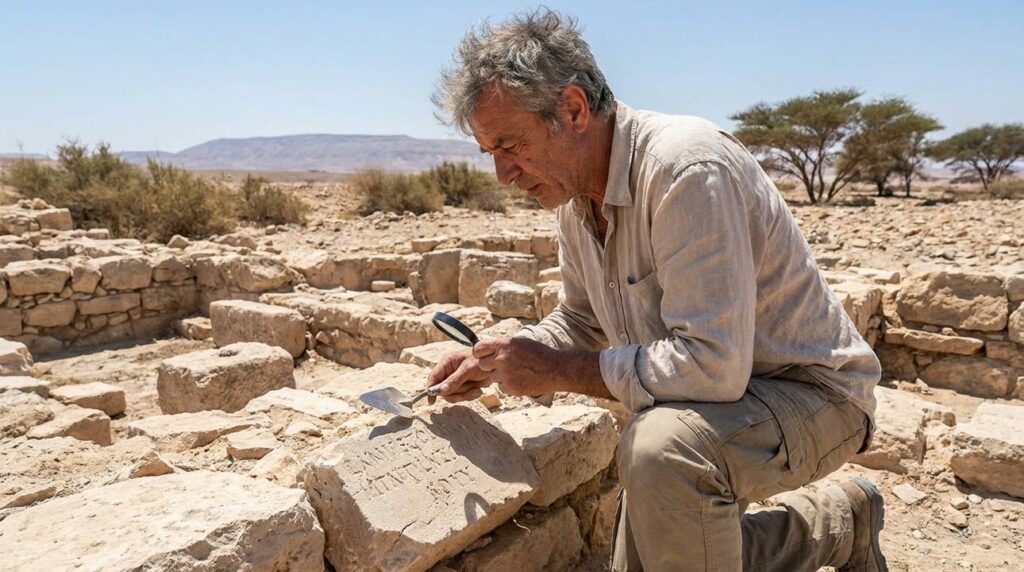

Bokim, a lesser-known site, holds significance within the narrative of the Israelites. It is mentioned in ancient texts, where an angel of the Lord reproaches the Israelites for their disobedience.
The name ‘Bokim’ means ‘weepers’, reflecting the people’s sorrow and repentance. In this article, we explore Bokim’s role in historical context, drawing on passages and scholarly interpretations.
Bokim’s connection to lament offers insights into reflection and the importance of covenantal faithfulness.
The narrative highlights the Israelites’ struggles with their covenantal obligations and the need for repentance. This idea is echoed in other narratives, such as a leader’s repentance.
from the Western Wall to Masada.
What Is the Meaning of Bokim?
The term ‘Bokim’ translates to ‘weepers’ or ‘those who weep’ in Hebrew. It is primarily associated with a location where the Israelites were reproved and expressed remorse, as recounted in the Book of Judges.
This site symbolized a place of deep emotional and spiritual transformation for the people at that time. The narrative highlights collective human emotions of regret and repentance, offering a window into the responses of ancient communities to divine messages.
The account of Bokim serves as a poignant reminder of the Israelites’ struggles with their covenantal obligations.
The weeping at Bokim reflects their recognition of past failures and the need for repentance. This theme of remorse and renewal is echoed in other narratives, such as a leader’s repentance.
Where Is Bokim Mentioned in the Bible?
Bokim appears in ancient texts. An angel of the Lord visits the Israelites and admonishes them for not fully obeying commands.
In response, the people raise their voices and weep, naming the place Bokim. This passage serves to articulate themes of covenantal faithfulness and the consequences of disobedience within the Israelite narrative.
The Israelites’ reaction at Bokim reflects their recognition of their failures and the need for repentance, a recurring theme throughout historical accounts.
This moment of communal weeping is reminiscent of other stories, such as the Israelites’ lamentation after the golden calf incident. Bokim thus serves as a powerful reminder of the importance of maintaining one’s covenant.
What Does Bokim Represent Symbolically?
Bokim’s mention conjures imagery of communal sorrow and penitence, reflecting a poignant moment of introspection for the Israelites.
The act of naming the site Bokim underlines the humility and acknowledgment of their faults. The Israelites’ weeping signifies their awareness of the broken covenant.
The symbolism serves as a timeless reminder of the importance of reflection and renewal in life, a theme resonant throughout teachings.
Bokim encourages individuals to examine their own lives and seek reconciliation with their values. This theme of repentance is echoed in other stories, such as a city’s repentance.
Why Is Bokim Important in Historical Context?
Bokim’s significance lies in its association with divine-human interaction, highlighting the recurring motif of divine patience and justice contrasted with human wavering.
The moment at Bokim reveals the Israelites’ struggle to align with their covenantal obligations. This site illustrates the dynamic dialogue between the divine and devout in historical lore, a theme that pervades much of the teachings.
The narrative at Bokim reminds us of the Israelites’ recurring challenges in maintaining their covenant. This struggle is echoed in other stories, such as the golden calf incident.
The theme of divine patience is also evident in a story, where a city is given a chance to repent. Bokim thus serves as a powerful symbol of the ongoing relationship between humanity and the divine.
Bokim’s Location in Historical Context
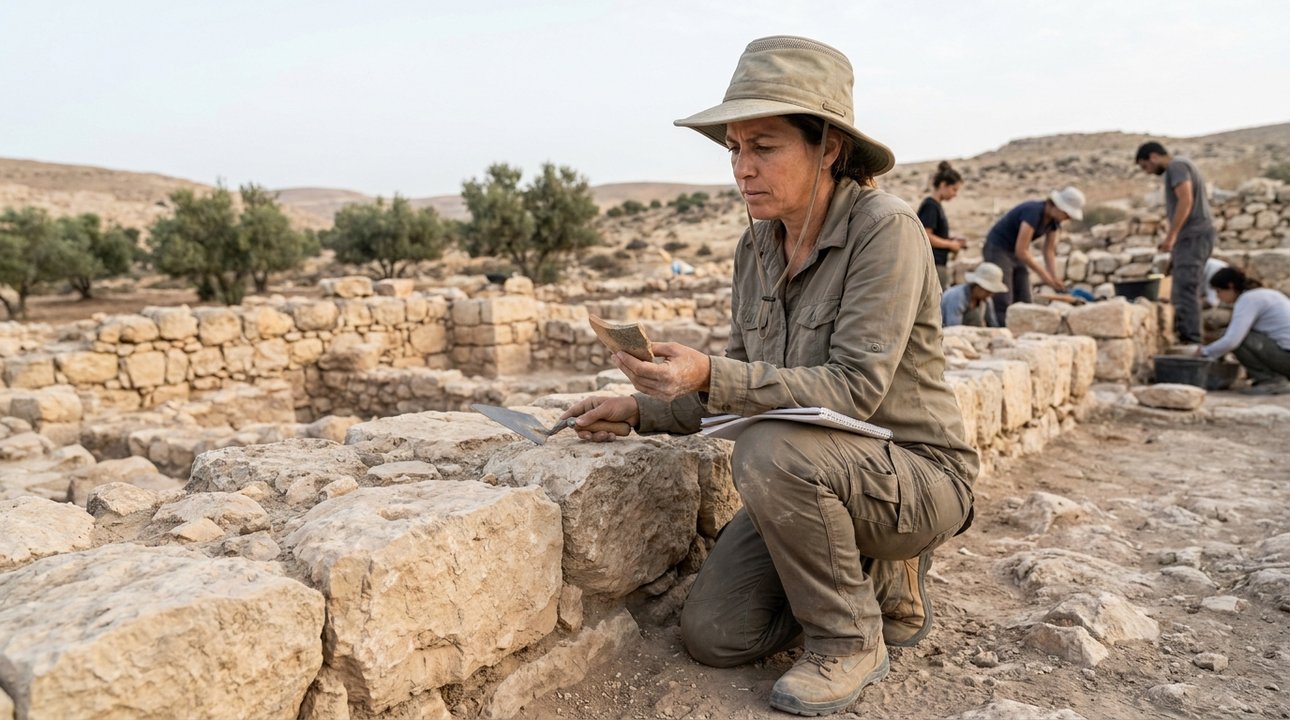
While Bokim’s precise location is uncertain, it is understood within the narrative as being in the region historically associated with the Israelites. This connects it with the broader geographical and cultural landscape of their journey.
Understanding Bokim in historical terms provides context to its role as a waypoint in the journey of the Israelites. It serves as a reminder of the challenges faced by the Israelites as they sought to establish themselves in the region.
Bokim’s Role in Modern Interpretation
Modern scholars examine Bokim within the framework of ritual and repentance, exploring its function as more than a physical location but as a symbol of personal redemption.
The interpretive evolution reflects an enduring examination of moral responsibility within teachings. Bokim’s story highlights the Israelites’ need for repentance and the consequences of failing to uphold their covenant.
from the Western Wall to Masada.
Contemporary applications draw parallels between ancient and current spiritual struggles, illustrating Bokim’s lasting theological relevance.
The themes of repentance and renewal found at Bokim are echoed in modern religious practices, encouraging believers to reflect on their spiritual journeys. By studying Bokim, individuals can gain insights into the importance of personal growth and moral responsibility.
Cultural Impact of the Bokim Narrative
The narrative of Bokim has influenced a variety of cultural and religious expressions. In Jewish tradition, it serves as a narrative touchstone for exploring themes of repentance and reflection.
Bokim’s role in the Book of Judges highlights the consequences of disobedience and the need for spiritual renewal. The site’s symbolic associations contribute richly to liturgical practice and theological discussion.
Bokim’s story is a reminder of the Israelites’ covenant and their journey toward faithfulness.
This theme of repentance and renewal is echoed in other narratives, such as a leader’s repentance. Bokim thus serves as a powerful symbol of the ongoing relationship between humanity and the divine.
Bokim’s Relevance for Today’s Readers
For modern readers, Bokim offers a timeless moment of connection with the human experience of returning to one’s values and commitments. It speaks to the universal journey of acknowledging shortcomings and striving for betterment. The Israelites’ weeping at Bokim underscores the importance of repentance and renewal.
Encouraging reflection, its lessons resonate across generations, emphasizing themes of community, responsibility, and personal growth. Bokim’s story invites individuals to consider their own journeys and the steps needed for personal transformation.

Bokim as Inspiration for Contemporary Faith Discussions
In contemporary discussions, Bokim represents a model for repentance and renewal. It invites individuals to engage deeply with their journeys, examining the relationship between past actions and future aspirations.
The account serves as a reminder of the Israelites’ struggles with covenantal obligations. This narrative encourages modern individuals to reflect on their own paths and the importance of aligning actions with values.
Exploring Bokim provides insight into broader narratives and is still remembered in communities to foster a consciousness of their paths. The site emphasizes the enduring themes of repentance and renewal, encouraging individuals to seek personal growth. By reflecting on Bokim, individuals can better understand the significance of introspection and the ongoing journey toward faithfulness.
Conclusion: the Legacy of Bokim
In summary, Bokim is a symbol within tradition. Its narrative legacy continues to evoke emotional and introspection, encouraging individuals to consider their own position on the journey of values. By exploring Bokim, we gain deeper appreciation for the layered meanings and timeless messages that enrich study. The site is a reminder of the Israelites’ struggles and the importance of repentance, where they weep for their shortcomings.
The account of Bokim serves as a timeless reminder of the importance of repentance and introspection.
The Israelites’ weeping at Bokim reflects their recognition of past failures and the need for renewal. This theme is echoed in other narratives, such as a city’s repentance, highlighting the ongoing journey toward faithfulness.

Understanding Bokim