
Understanding Gibeath Haaraloth in Historical Context


Gibeath Haaraloth is a significant yet often overlooked site in history. Known primarily for its role in the narrative of the Israelites, this place marks an essential event in Jewish history.
The name translates to ‘Hill of Foreskins’, a reference to the mass circumcision event described in historical texts. This event occurred as the Israelites, led by Joshua, prepared to enter a new land.
In this article, we’ll explore the meaning and historical context of this site, examining its place in historical texts and its cultural relevance today.
What Is Gibeath Haaraloth?
This location is mentioned in historical texts, serving as the site where the Israelites performed circumcisions upon entering a new land. This ceremony symbolized a profound renewal of the covenant between the people and their heritage. According to historical accounts, it was here that Joshua circumcised the new generation of Israelites. The name itself translates to ‘Hill of Foreskins,’ commemorating this covenantal event. Situated near the ancient city of Gilgal, it marks a new beginning after the Israelites’ long journey through the desert. It stands as a sign of the faith of a people returning to their land, reinforcing cultural traditions. Here, the Israelites reaffirmed their identity and connection to their roots.
from the Western Wall to Masada.

The Significance of the Covenant at Gibeath Haaraloth
What took place at Gibeath Haaraloth was more than a ritual; it was an essential re-establishment of the Israelites’ connection with their ancestors.
This moment is pivotal because it underscores the continuity of the covenant initially made with their forebears, maintaining the symbols and practices that defined this ancient faith.
It emphasizes the renewed spiritual purity of the Israelites, marking their transition from wanderers to the rightful inheritors of the land promised to them.
It also served as a unifying ritual, forging a collective identity and deepening their commitment to following the cultural heritage of their forebears.
This ceremony reconnected the generation with the traditions and promises laid down in the past, symbolizing obedience and faithfulness to cultural law.
Location and Geography of Gibeath Haaraloth
Gibeath Haaraloth is geographically situated near the Jordan River, close to the ancient city of Jericho. This strategic location is significant, as it was the first place the Israelites camped upon crossing the Jordan. The surrounding area is noted for its history, playing host to several key events. Its proximity to places like Gilgal highlights its central role in the initial stages of the Israelite settlement. The terrain would have provided a suitable site for the encamped Israelites to perform the covenantal ceremony, allowing them to reflect on their journey and prepare for the challenges ahead. Known for its rugged yet fertile scenery, this area now serves as a means of understanding the physical landscapes the Israelites navigated on their journey. It demonstrates the interplay between geographical locations and cultural milestones, intertwining land with identity.
The Cultural Legacy of Gibeath Haaraloth
The legacy of Gibeath Haaraloth transcends the geographical boundaries of the site. It is intertwined with cultural beliefs and practices that continue to influence Jewish life today.
Commemoration of this event persists through rituals and traditions that emphasize the continuity of the Jewish covenant. Circumcision remains a central rite within Judaism, reflecting the historical and spiritual significance of the covenant made at this site.
It serves as a reminder of the faith exhibited by the Israelites, fostering a sense of belonging and continuity within Jewish communities. Through rituals connected to circumcision today, the historical memory of Gibeath Haaraloth is kept alive, reflecting the enduring bond between people and cultural promises.
Its narrative endures in stories and teachings, perpetuating a heritage that honors past commitments and inspires future generations. This connection to history reinforces the values and traditions that define Jewish identity.
Gibeath Haaraloth in Historical Scholarship
Scholars have long examined Gibeath Haaraloth’s significance within the context of Israelite history. By analyzing historical texts, experts explore how this event exemplifies themes of renewal and continuity in the narrative.
This place has become a focal point for discussions on the historical and cultural evolution of the Israelite identity. The mass circumcision event marked a new beginning for the Israelites as they prepared to conquer Jericho and establish themselves in a new land.
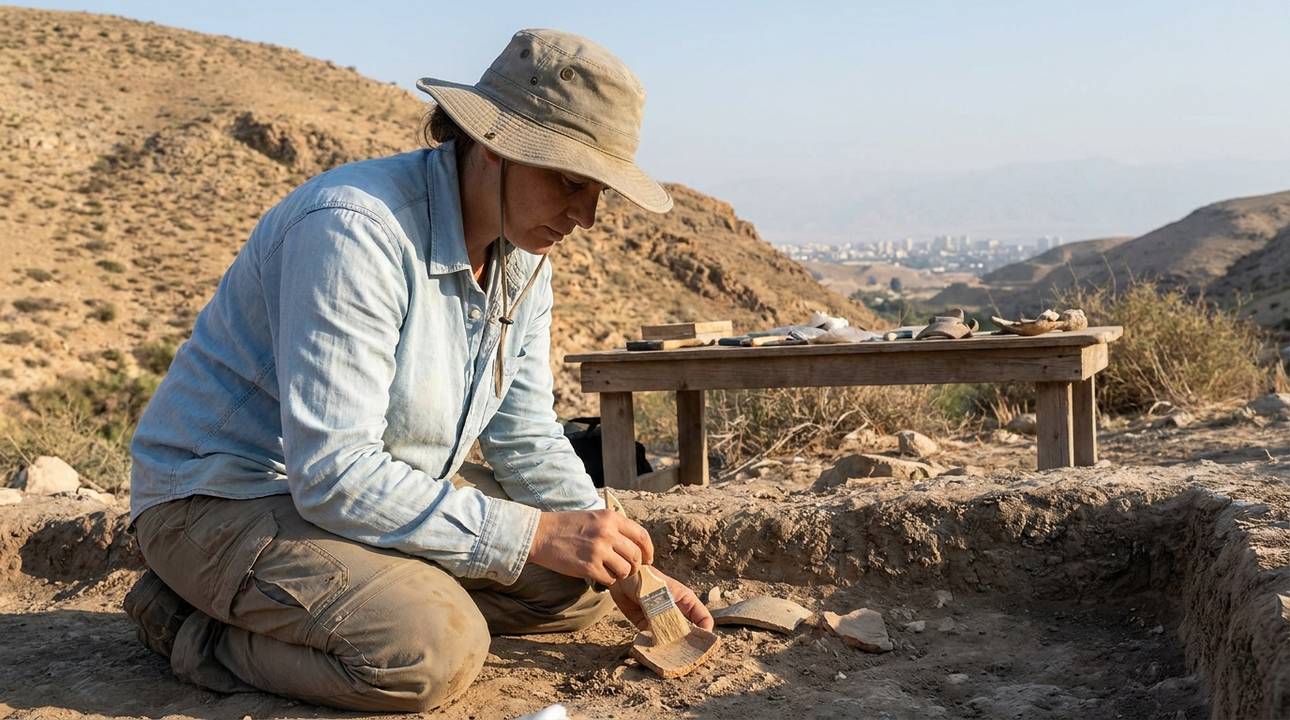
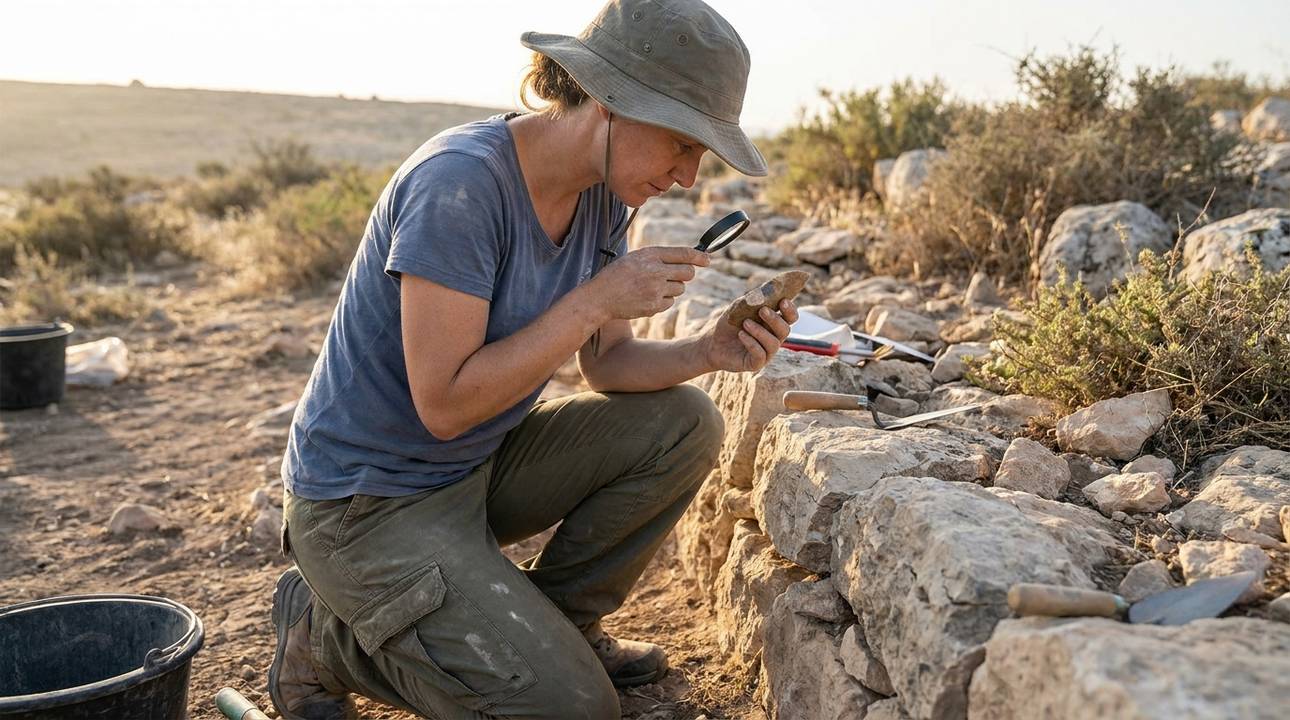
Archaeological efforts near Jericho have sought to uncover more about the specific practices and daily life of the Israelites during this time. Although the exact location of Gibeath Haaraloth remains disputed, these investigations provide insights into the broader historical context of the narrative.
These investigations provide insights, although the exact location remains disputed, emphasizing the challenges and complexities of connecting historical events with archaeological evidence. Researchers continue to study the region to better understand the lives and customs of the Israelites.
from the Western Wall to Masada.
Theological Reflections on Gibeath Haaraloth
The implications of Gibeath Haaraloth bring focus to themes of faith, identity, and continuity. This place serves as a reminder of the Israelites’ commitment to uphold the covenant.
Understanding this site deepens comprehension of how physical actions shape spiritual identities in the narrative. The mass circumcision event was a pivotal moment, symbolizing the Israelites’ readiness to embrace their identity as a chosen people before entering a new land.
By maintaining traditions like those at Gibeath Haaraloth, communities of faith reinforce their commitment to the principles and history that define them. The practice of circumcision continues to be a rite of passage that connects Jewish individuals to their ancestors and religious heritage.
This theme of renewal continues to resonate within Jewish thought, symbolizing the ongoing relationship between people and their spiritual heritage. It highlights the importance of physical rituals in maintaining and expressing one’s faith and identity.
Gibeath Haaraloth in Modern Context
Today, Gibeath Haaraloth reminds us of the importance of cultural continuity. Although the exact location is uncertain, its story remains vital in understanding the broader context of Jewish history.
Modern discussions often focus on its role as a symbol of renewal and commitment to tradition among Jewish communities. The event at this site is seen as a reaffirmation of the covenant made with their forebears, where circumcision was established as a sign of this covenant.
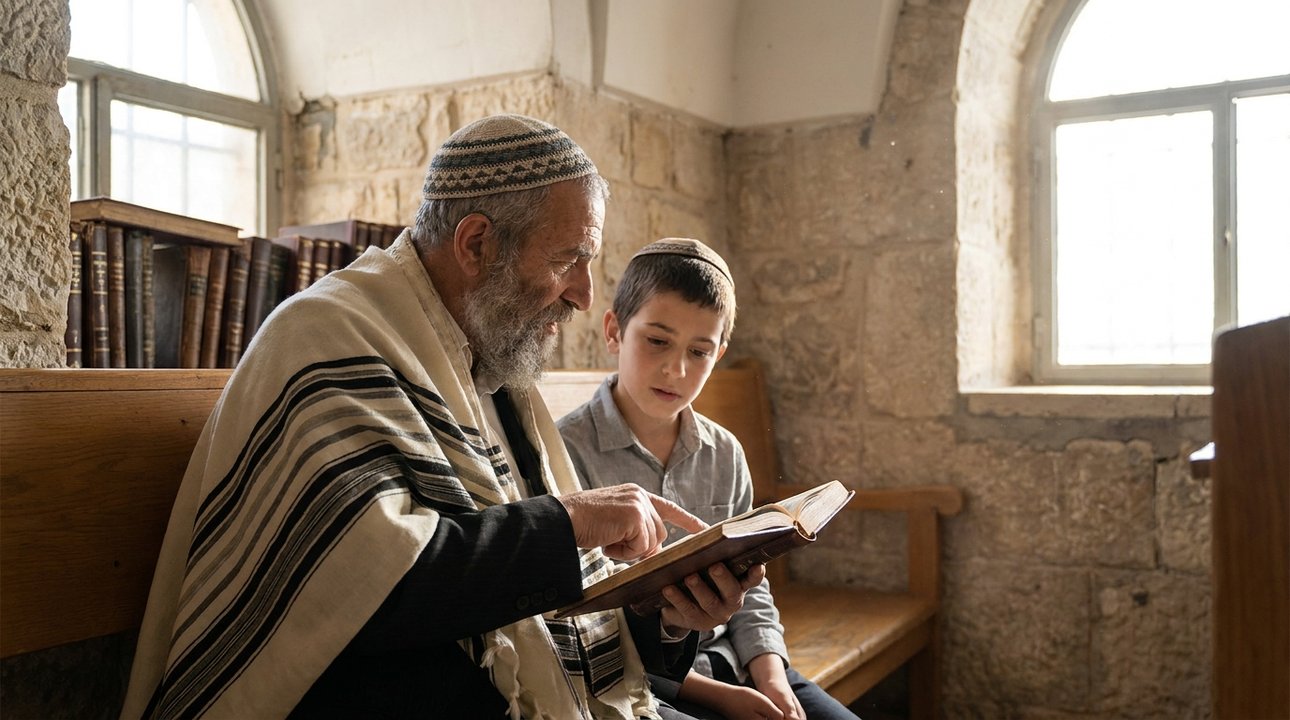
In educational settings, Gibeath Haaraloth is used to teach about the ancient customs that define Jewish cultural identity. Schools and religious institutions highlight how this event underscores the importance of adhering to tradition and the continuity of faith practices.
By reflecting on its significance, individuals are encouraged to appreciate the enduring power of tradition in forming collective identities. This reflection helps maintain a connection to the past while fostering a sense of community and shared values among Jewish people today.
In Short: the Legacy of Gibeath Haaraloth
Gibeath Haaraloth signifies much more than a geographical location; it represents a pivotal moment of transition and fulfillment in the historical story. Its narrative holds enduring relevance, showcasing the dedication of the Israelites in preserving their commitments.
As a focal point of cultural identity and reflection, this site continues to impact Jewish cultural consciousness. The event is often discussed in cultural studies as a critical example of renewal and adherence to commitments.
In summary, Gibeath Haaraloth symbolizes the profound connection between space, ritual, and identity within the Jewish tradition. The physical act of circumcision was more than a religious duty; it was a public declaration of faith and unity among the Israelites. Its legacy endures through cultural memory and practice, showing the journey and evolution of faith. The story serves as a reminder of the enduring power of tradition and the importance of maintaining one’s cultural and spiritual heritage.
Understanding Gibeath Haaraloth
