
Discovering the Meaning of Leb Kamai in the Bible


Leb Kamai is a term found in ancient writings, used as a code for the Chaldeans. This reference provides insight into the historical context of that era. The Chaldeans were key figures in the Neo-Babylonian Empire. This article explores the importance of Leb Kamai within historical records.
The focus will be on the context and significance of Leb Kamai in historical texts. By looking at cryptograms, we can gain a deeper understanding of the influences on these writings.
from the Western Wall to Masada.

Decoding Leb Kamai uncovers the complexities of prophetic literature. It shows why coded language was necessary to protect sensitive messages from authorities. Understanding this term highlights the challenges faced by prophets in their communication.
This understanding enhances our appreciation for ancient texts. Cryptograms demonstrate the creativity of authors, revealing the importance of their messages.
What Is Leb Kamai?
‘Leb Kamai’ is thought to be a cryptogram for Babylon, illustrating the use of coded language. Jeremiah’s cryptograms can be compared to other ancient practices, such as Egyptian hieroglyphics, which encoded texts for specific audiences.
Understanding cryptograms enhances our grasp of narrative techniques. The period required careful communication. By encoding messages, Jeremiah safeguarded his prophecies, aiding in cultural preservation.
Historical Context of Leb Kamai
Leb Kamai is linked to a time of significant change and warnings. The text encodes the fate of the Babylonian empire, emphasizing themes of justice and the fall of a powerful city. Other texts also predicted Babylon’s decline, showing consistent themes across writings.
The use of names in this way reveals how ancient texts communicated secretive information. Encoding messages was crucial for survival during difficult times. Studying these cryptograms shows the authors’ dedication to preserving their culture.

Leb Kamai in the Book of Jeremiah
In historical texts, ‘Leb Kamai’ illustrates the cryptic language used in prophecies against Babylon. These writings often include encoded messages meant to convey deeper truths while remaining hidden from adversaries. Such cryptograms are part of a broader tradition of symbolic language to communicate visions about different empires.
Understanding these codes provides clarity on narrative intent. ‘Leb Kamai’ highlights the tensions between ancient powers, which culminated in the capture of Jerusalem in 586 BCE. This context explains why messages needed to be cryptic. The fall of Babylon, as predicted, occurred when Cyrus the Great conquered it in 539 BCE, fulfilling these prophecies.
The Use of Cryptograms in Historical Texts
Cryptograms like Leb Kamai were used to convey hidden messages, protecting communications from adversaries. During certain reigns, cryptic messages were essential for communication with allies. The political climate required secure methods, as kingdoms navigated complex alliances. Decoding such messages reflects the interaction between text, authors, and audience.
This highlights the strategic use of language in historical contexts. Cryptograms allowed authors to convey complex ideas while protecting their messages from adversaries. Examining these texts provides insight into innovative communication methods, ensuring their survival and continued relevance throughout history.
Cryptograms also demonstrate the importance of preserving cultural identity. Encoding messages ensured teachings would endure despite external threats. This practice underscores the commitment to safeguarding traditions.
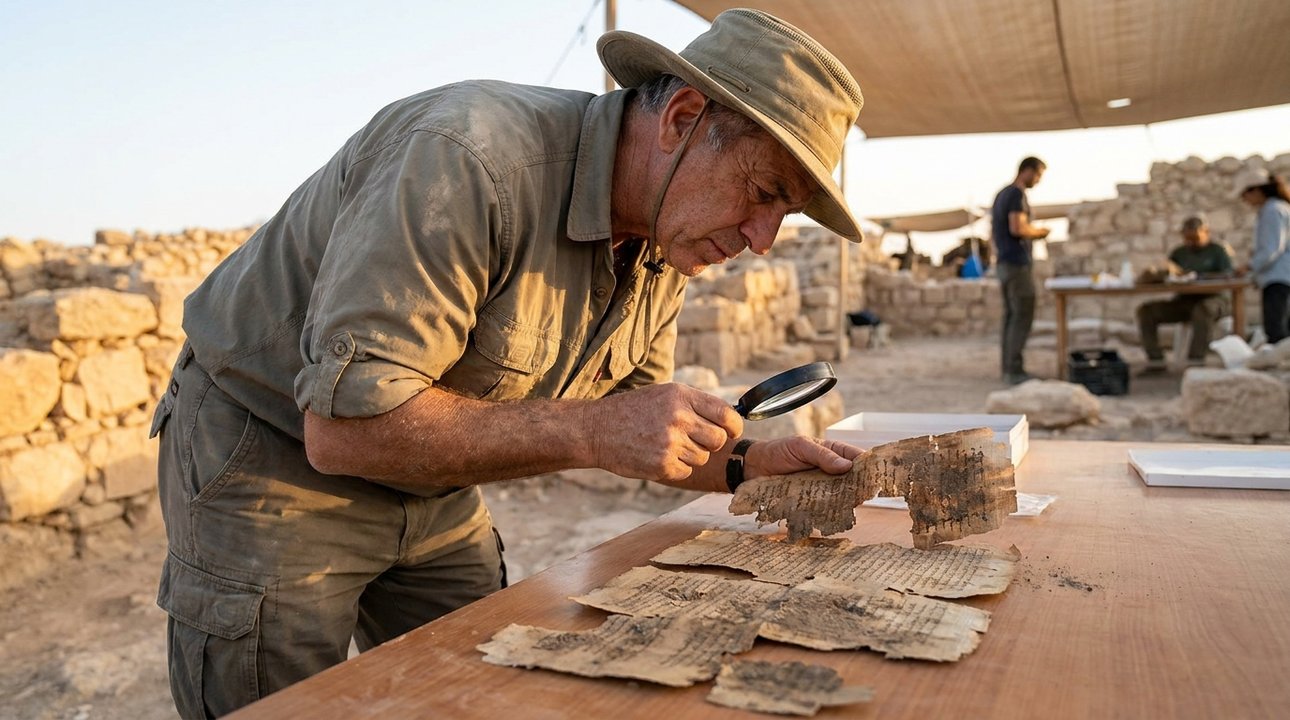
It illustrates the enduring power of the written word to convey truths across generations. Ancient scrolls, discovered in the 20th century, contain encoded texts that exemplify cryptography in preserving teachings. These scrolls, hidden in caves, provide insights into the religious practices and beliefs of ancient communities.

Historical Examples of Cryptography
Throughout history, cryptography has kept communications confidential. From military messages to royal decrees, codes protected vital information from opponents. For instance, during specific reigns, messages were encoded to prevent interception. Leb Kamai exemplifies this tradition, inviting readers to uncover meanings within sacred texts. This method preserved sensitive religious and political information.
from the Western Wall to Masada.
Cryptography in historical times is similar to methods used by ancient Egyptians, who employed hieroglyphics to protect sacred texts. This highlights the universal need for secure communication across cultures and eras. According to historical sources, the Greeks also used steganography, hiding messages within innocuous texts.
Interpretation and the Role of Cryptograms
Interpreting cryptograms requires understanding historical context, linguistic skills, and insight. Scholars analyze these elements to uncover the intentions behind the text’s veiled messages. For instance, using letters as numerical values adds layers of meaning. Cryptograms like Leb Kamai offer a unique lens through which we can view messages and their implications for the ancient world.
The study of cryptograms involves examining the environment in which texts were written. Understanding the historical context provides insight into the motivations behind coded messages. This approach allows scholars to reconstruct historical narratives and appreciate the authors’ creativity.
It highlights the enduring relevance of these texts in understanding human history and spirituality. Cryptograms in the Bible testify to the adaptability and creativity of the Jewish people. Delving into these texts provides appreciation for the challenges faced by prophets and their innovative communication methods, ensuring teachings would endure for future generations.
Leb Kamai’s Impact on Historical Studies
The analysis of Leb Kamai has prompted extensive discussion among scholars. It serves as a case study for understanding prophetic literature, its language, and goals. Scholars have debated the implications of cryptic language in historical texts. Prominent sages emphasized interpreting hidden meanings, reflecting the ongoing fascination with cryptographic language in religious texts.
This exploration strengthens appreciation for historical texts and broadens comprehension of ancient communication methods. It offers insights into the authors’ minds and the challenges they faced in conveying messages. Studying cryptograms provides understanding of historical and cultural factors shaping these texts, highlighting the authors’ creativity.
Exploring Leb Kamai allows scholars to understand the context of the time. Cryptograms in historical texts may reflect tensions between regions. Messages were often directed at people in exile, yearning for return and restoration. This analysis enhances knowledge of historical literature and illuminates historical dynamics shaping these texts.
Such studies reveal the intricate relationship between divine messages and human history. Examining these cryptograms provides insight into how the Jewish people maintained faith and traditions despite challenges of foreign influences.
Modern Relevance of Ancient Cryptograms
Today, cryptographic methods have advanced, but the principles remain unchanged. The use of secret language in ancient texts continues to intrigue modern audiences. Modern cryptography, such as that used in digital security, echoes these ancient practices. Leb Kamai bridges past and present, enriching engagement with historical studies. It serves as a reminder of the enduring human quest for secure and meaningful communication.
The fascination with cryptography spans cultures and eras, from famous machines to ancient secret codes. This continuity illustrates the universal need for privacy and information protection. Exploring Leb Kamai connects us with a tradition shaping human history.
Exploring Leb Kamai connects us with a tradition influencing our understanding of communication. It highlights innovative ways people have adapted to challenges over time. Cryptography in various cultures underscores the shared human experience of seeking to protect and preserve vital information.

Understanding Leb Kamai
