
Unveiling the Significance of Gilead in the Bible


Gilead captivates with its storied past and geographical intrigue. Spanning the area east of the Jordan River, Gilead is frequently mentioned in historical narratives. Its landscapes are woven into the lives and events of the past, making it an important study for understanding history. The region is noted for its cultural importance, where Jacob fled from Laban.
Gilead’s terrain, characterized by its rugged hills, played a crucial role in various historical accounts. These geographical features provided natural fortifications and influenced the strategic decisions of the people who lived there, making Gilead a key player in the historical narrative.
from the Western Wall to Masada.

Gilead served as a refuge during early conflicts of leadership. This strategic location made it a focal point in power struggles, providing a secure base for those vying for leadership. The area was also known for its balm, a valuable resin used for medicinal purposes. This made Gilead not only a military stronghold but also an economic hub, contributing to its history.
Where Was Gilead Located?
Gilead is located east of the Jordan River, stretching from the northern city of Mahanaim to the southern reaches near the river Jabbok. Its geographical location was critical, forming a natural boundary and offering a place of refuge. The rugged terrain of Gilead provided strategic advantages while serving as a haven for various historical figures, including fugitives and warriors.
This strategic positioning is highlighted in several historical accounts, showing Gilead’s importance in regional history. The natural defenses offered by its landscape made it a key location in the narratives of the past.
What Role Did Gilead Play in the Bible?
Gilead’s role is multifaceted, acting as a stage for numerous events. One significant event involved Jacob and Laban, who made a covenant of peace on a mountain within Gilead. Furthermore, it is known as the home to the balm of Gilead, a healing ointment. The region also served as a setting for military campaigns, particularly during early leadership struggles. Its strategic location made it a frequent site of battles and refuge, reflecting its important role in ancient warfare and diplomacy.
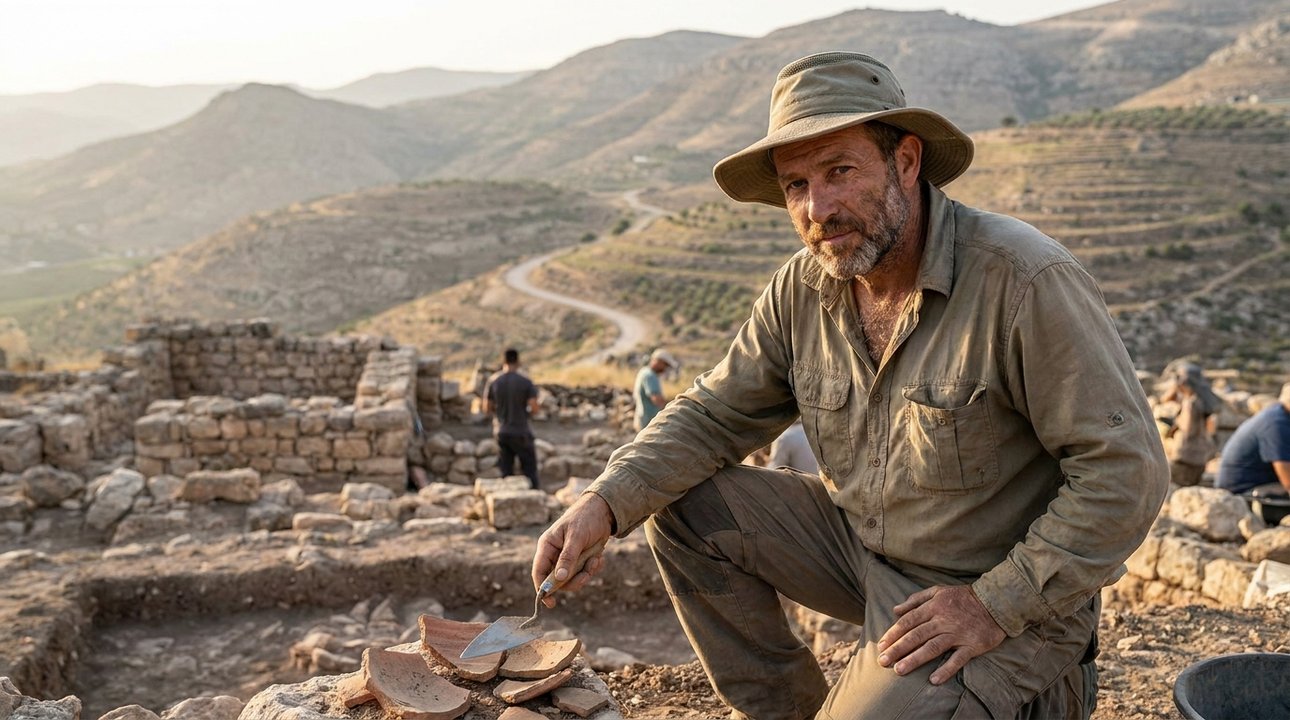
Gilead’s Historical and Cultural Context
The cultural richness of Gilead is embedded in its history and its diverse inhabitants. Often considered a borderland, Gilead was a crossroads for different tribes and peoples. This mix of cultures and influences enriched its local traditions and livelihoods. Historical accounts describe Gilead as a land of rich pastures, contributing to its reputation for livestock and agriculture, essential for the region’s economy.
This fertile nature was central to the way of life for its inhabitants, influencing their economy and daily activities. The agricultural abundance of Gilead supported its communities and played a crucial role in the region’s history.
Who Were the Notable Figures Associated with Gilead?
Gilead is associated with several notable historical figures, such as Elijah, who hailed from Tishbe in Gilead. Another significant figure is Jephthah, a leader who secured a major victory against the Ammonites. These figures and their stories contribute to Gilead’s legacy, highlighting the region’s role in shaping history.
Their actions and decisions impacted the course of events, underscoring Gilead’s importance as more than just a geographical location.
Elijah’s prophetic mission and Jephthah’s leadership demonstrate how Gilead served as a backdrop for pivotal moments in Israel’s history.
Elijah’s story, found in 1 Kings 17, begins with his proclamation of drought, demonstrating his important role in Israel’s spiritual history. Jephthah’s vow and subsequent victory over the Ammonites are key events that highlight Gilead’s strategic importance. These narratives illustrate how Gilead served as a backdrop for divine interventions and leadership, shaping Israel’s destiny.
The region’s rugged terrain and isolation provided a setting for reflection and revelation for these historical figures. Gilead’s landscape, with its challenging environment, offered a unique backdrop for the unfolding of these significant events.
How Is Gilead Viewed in Modern Studies?
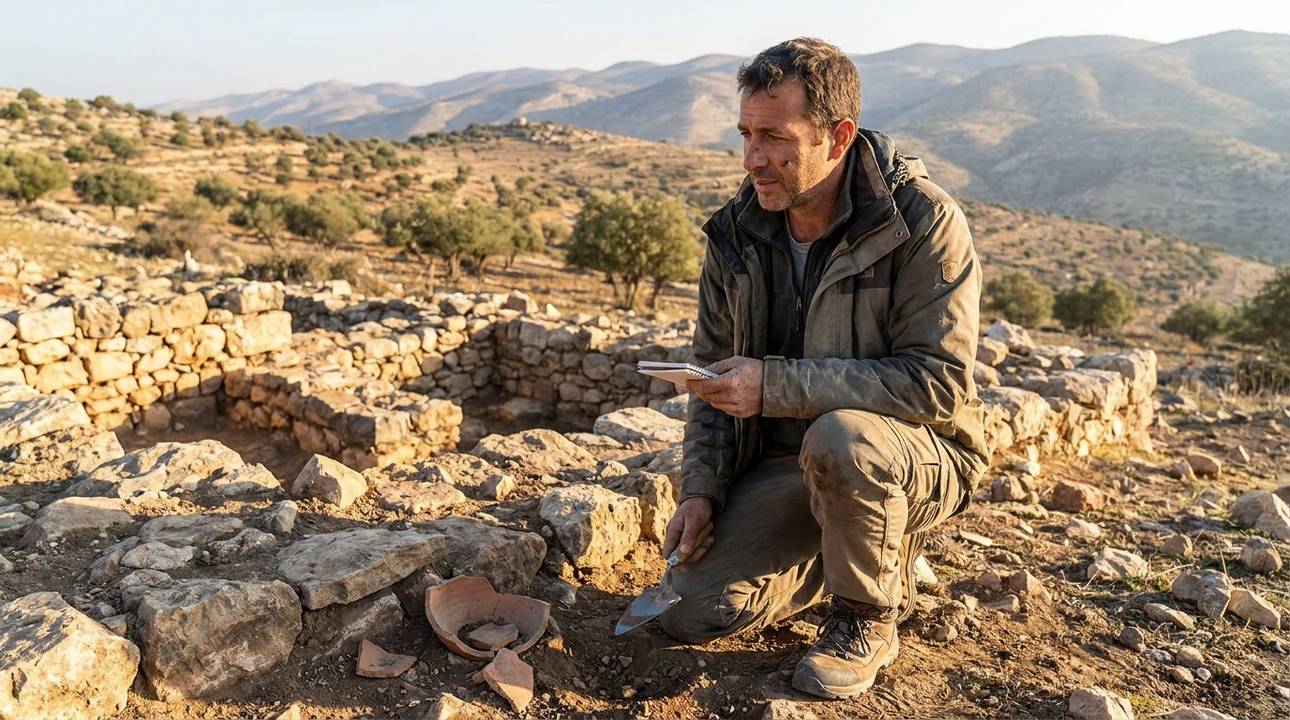
Today, Gilead remains a subject of fascination in historical studies. Researchers explore its archaeology and geography to gain deeper insights into its historical role. Modern studies have uncovered artifacts that offer glimpses into the daily life of Gilead’s ancient inhabitants. These findings help scholars piece together the complex mix of Gilead’s past, revealing the cultural and economic dynamics of the region.
By understanding its physical and cultural landscape, we can appreciate the region’s importance in history. The ongoing research continues to shed light on how Gilead’s unique characteristics influenced its role in historical narratives.
from the Western Wall to Masada.
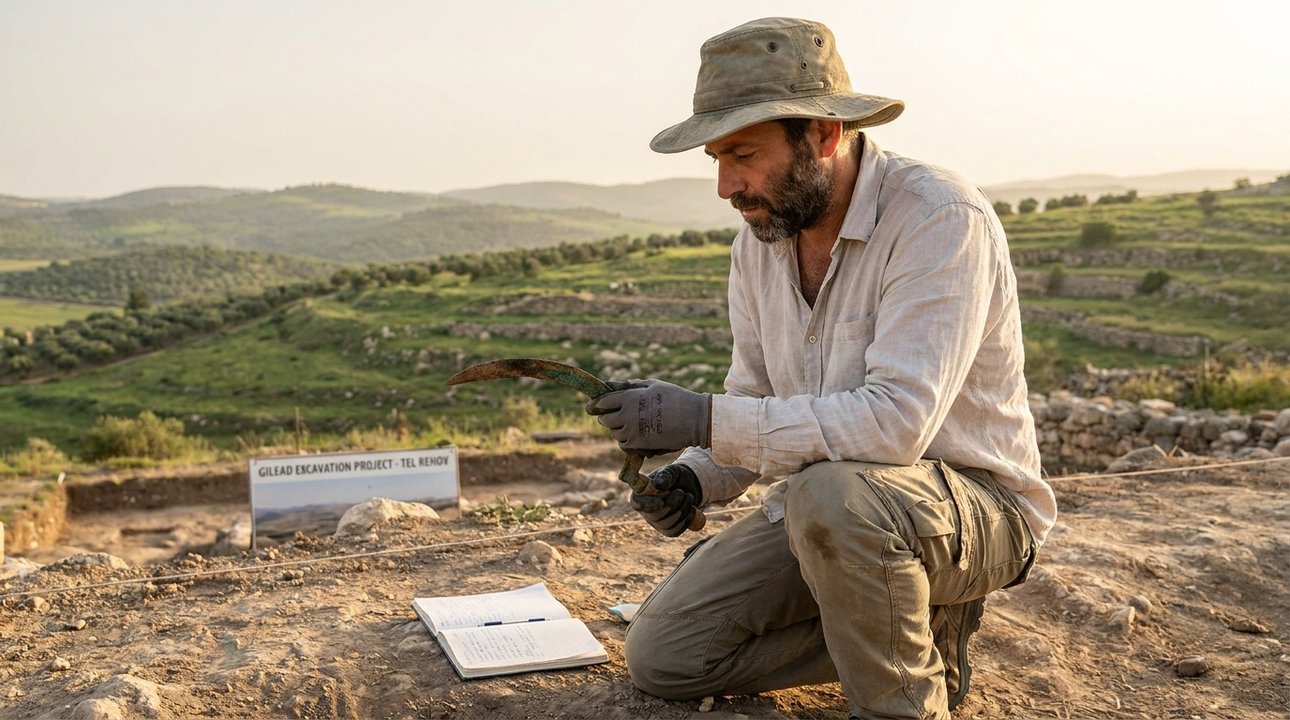
Recent excavations have revealed pottery and tools dating back to the Iron Age, providing evidence of the region’s long-term habitation. These discoveries, alongside ancient texts, help reconstruct the social and economic life of Gilead.
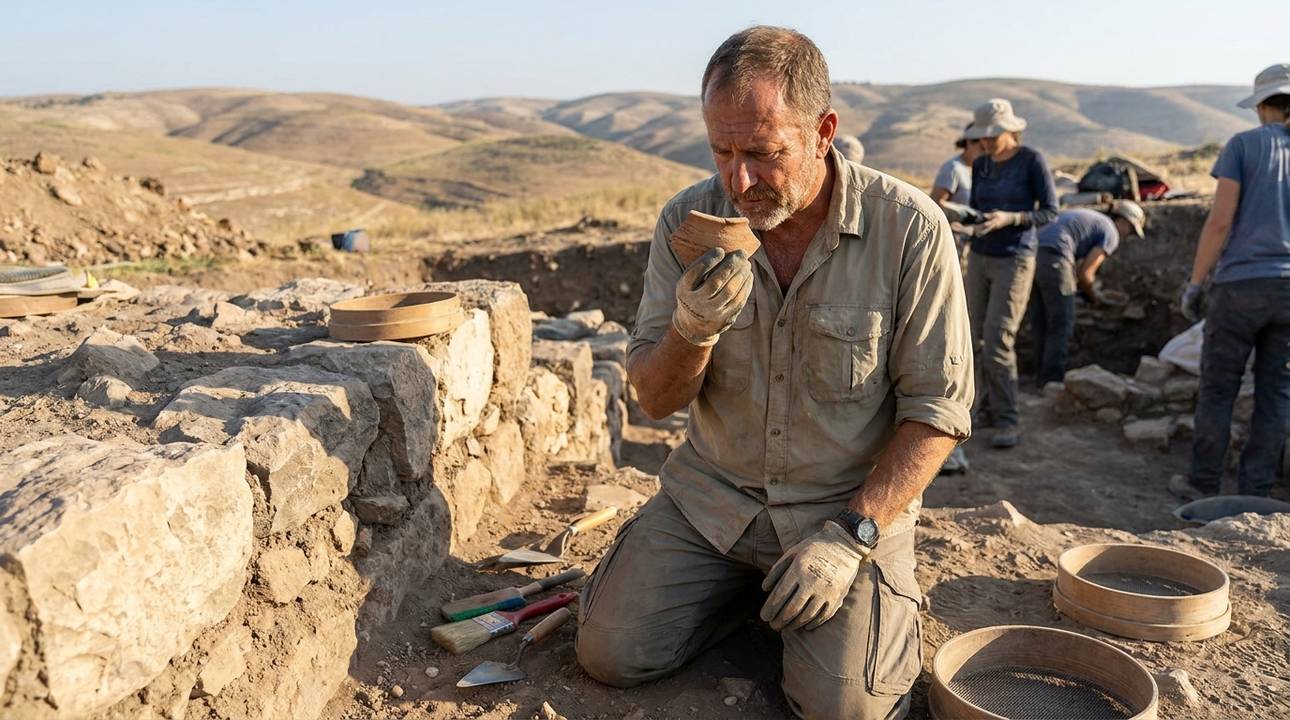
Artifacts such as storage jars and agricultural tools offer insights into the daily lives of its inhabitants, shedding light on their agricultural practices and trade.
The study of Gilead’s past not only enriches our understanding of historical events but also connects us to the lives of those who once walked its hills and valleys, offering a tangible link to the stories we cherish. Through these findings, we gain a deeper appreciation for the resourcefulness of the people who lived in this historically significant region.
Gilead in the Context of Israel
Gilead’s inclusion in historical narratives places it firmly within the context of Israel’s history. It served as a tribal territory for the half-tribe of Manasseh, contributing to Israel’s broader national and cultural identity. The stories involving Gilead highlight its integral role in the formation and development of the Israelite nation, illustrating its importance in both sustenance and defense.
Its location and resources made it vital for both sustenance and defense, playing key roles in the struggle for survival and establishment. Gilead’s strategic and economic significance is reflected in the numerous accounts that emphasize its role in Israel’s history.
The allocation of Gilead to the tribe of Manasseh emphasizes its importance in the tribal division of land. The fertile lands supported agriculture and livestock, essential for the tribe’s prosperity. Gilead’s strategic position also provided a defensive buffer against eastern tribes, as seen in the battles against the Moabites and Ammonites. This dual role in sustenance and defense underscores Gilead’s critical place in Israel’s history.
What Are Some Historical Sites in Gilead?
Gilead’s landscape is dotted with historical sites such as Ramoth-Gilead, a city of refuge and a fortress town. These locations provide insights into the life and defense strategies of ancient peoples. Ramoth-Gilead, in particular, is mentioned during early leadership struggles as a strategic point contested by neighboring armies. Its significance underscored the value placed on Gilead as a region rich with both resources and strategic value.
The city served as one of the Levitical cities, offering sanctuary to those seeking asylum. This role was crucial in providing a safe haven for those fleeing from retribution or injustice. Additionally, Ramoth-Gilead was a site of significant military engagements. These events highlight the strategic importance of Gilead in the ancient geopolitical landscape.
The battles fought over Ramoth-Gilead reflect the broader geopolitical struggles of the region, where control over such key locations could sway the balance of power among Israel’s neighbors.
For instance, during the reign of King Jehoshaphat, alliances and conflicts centered around this city, illustrating its significance in maintaining regional stability and influence.
Why Study the Map of Gilead in the Bible?
Studying the map of Gilead enables a deeper understanding of historical narratives. By analyzing its geographic context, one can better appreciate the strategic and economic importance of the region to Israel. Gilead’s location east of the Jordan River made it a buffer zone against eastern tribes. This form of study helps illuminate the historical realities behind the stories, providing a lens through which the dynamics of events are understood in their broader setting.
The region’s fertile lands supported agriculture, which was crucial for sustaining the tribes of Gad and Reuben, who settled there. Understanding Gilead’s topography helps us grasp why it was so fiercely contested, such as during the battles against the Ammonites. The lush valleys and abundant resources made it an attractive target for neighboring tribes and a vital asset for Israel’s sustenance.
By examining ancient maps and archaeological findings, scholars can reconstruct the socio-political landscape of the time, showing how geography influenced history. These studies reveal the strategic importance of Gilead’s location, serving as a buffer zone and a point of contention among rival factions.
Understanding Gilead
