Unveiling the Mysteries of Harosheth Haggoyim


Harosheth Haggoyim is a notable site in ancient narratives. Known as the base of military leader Sisera, it is featured in historical texts. This location is mentioned as the residence of Sisera, the commander of the Canaanite army. This article explores its historical context and legacy. The site likely offered a crucial vantage point over the surrounding region.
Its role in conflict highlights its significance. Harosheth Haggoyim’s position near the Kishon River and fertile lands provided a tactical advantage and essential resources for a military presence. The stories surrounding this site reflect its importance in the wider narrative of Israel’s struggles during the time of the Judges.
from the Western Wall to Masada.

What Is Harosheth Haggoyim in the Bible?
Harosheth Haggoyim is noted as the residence of Sisera, the commander of King Jabin’s army. Located in the region traditionally associated with northern Israel, it served as a military hub during a period of conflict. This place gained significance due to its strategic location and the impactful events described in historical texts. Harosheth Haggoyim is highlighted as a point of power and control, a place that would later witness significant developments.
Its role in the battle against Israel is central to the narrative. The name ‘Harosheth Haggoyim’ suggests a place associated with multiple peoples or nations. This identity adds depth to its role as a military stronghold in historical stories. Sisera gathered his chariots and troops at Harosheth Haggoyim, emphasizing its importance.
The narrative builds to a dramatic point where the forces of Israel confront Sisera’s army near the River Kishon. This battle showcases Harosheth Haggoyim’s role within the historical account. The vivid descriptions in the text bring the site’s historical relevance to life, illustrating the importance of the location in the conflict.
The victory is attributed to both human strategy and natural phenomena. The River Kishon becomes significant in the battle, as a sudden storm is said to have caused the river to flood, aiding the Israelites in their victory. This natural event is seen as a turning point in favor of the forces.
Further descriptions highlight how the river played a role in the victory. The location near the Kishon River provided a tactical advantage, allowing the Israelites to exploit the terrain effectively. This battle underscores the significance of Harosheth Haggoyim and its surrounding geography in the broader narrative of Israel’s struggle for independence and survival.
Geographical and Historical Context
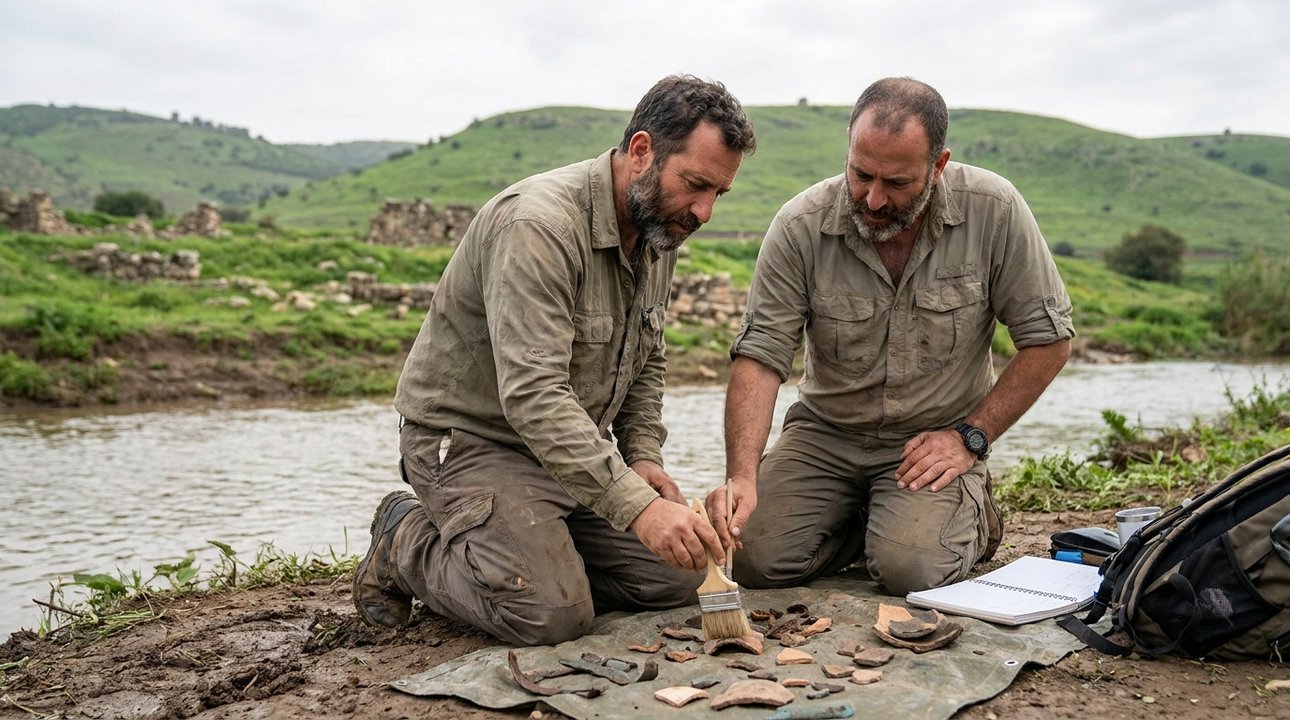
Geographically, Harosheth Haggoyim is believed to be near the Kishon River. This location is significant due to its proximity to vital trade routes and fertile lands. The area provides insights into the livelihoods of its ancient inhabitants, whose daily lives were intertwined with these natural resources. Historical texts and archaeological studies continue to explore and expand our understanding of this prominent location, shedding light on its role in regional trade and agriculture.
The placement near the river would have been crucial for transportation and communication. The fertile lands would have supported agriculture, while the trade routes facilitated commerce, making Harosheth Haggoyim a hub of activity. These factors contributed to its significance as a military and economic center, highlighting its role in the broader historical and cultural landscape.
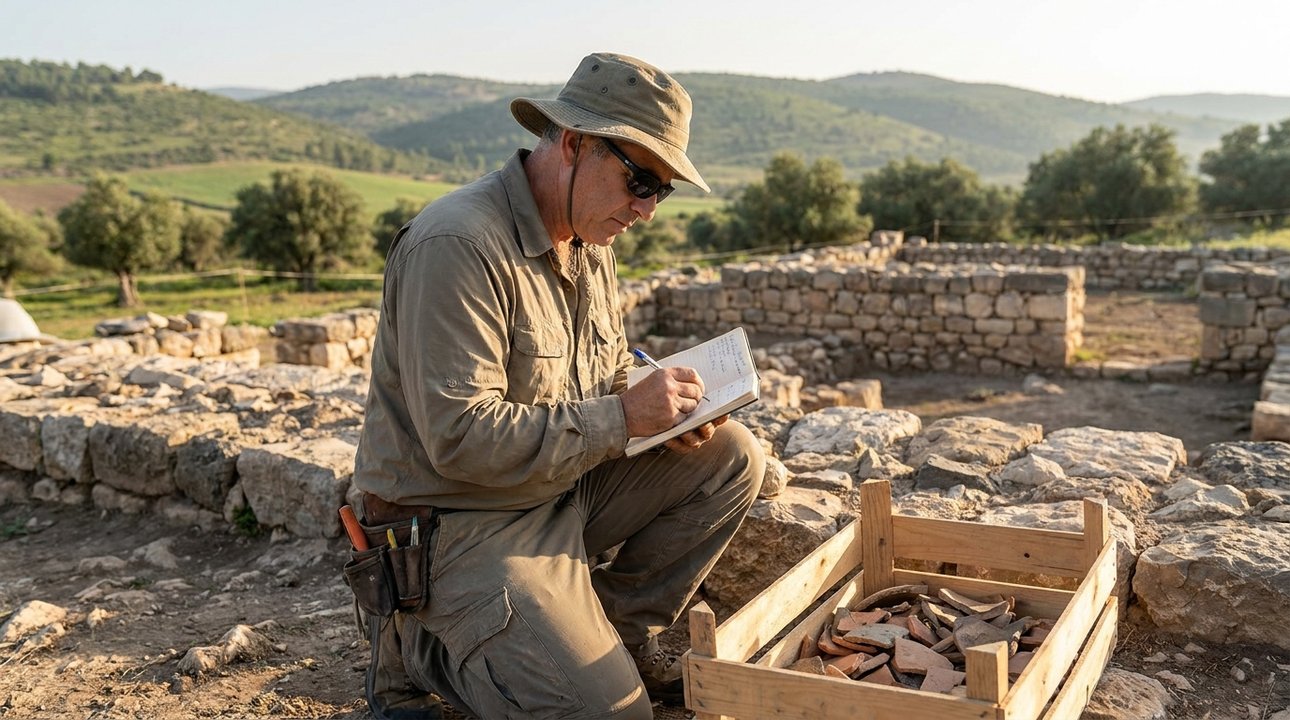
The fertile lands around Harosheth Haggoyim would have supported agriculture, providing sustenance for its inhabitants and contributing to the area’s economic stability. The proximity to trade routes would have facilitated commerce and cultural exchange, making it a hub of activity. Archaeological findings, including pottery and tools, offer glimpses into the daily life and industry of the time, enriching our understanding of the site’s history.
These artifacts suggest a community engaged in farming and trade, vital for sustaining the local population. The economic activities around Harosheth Haggoyim would have been crucial in maintaining the military and civilian life in the region. The site’s roles highlight its importance not only in military history but also in the broader context of ancient society.
The name ‘Harosheth Haggoyim’ suggests a place associated with multiple peoples or nations. This identity adds depth to its role as a military stronghold in historical stories. Sisera gathered his chariots and troops at Harosheth Haggoyim, emphasizing its importance. The interplay of its natural and strategic features highlights why it held such significance in the narratives of the past.
Research continues to shed light on the contributions and complexities of this important historical site. The area around Harosheth Haggoyim was fertile and located near trade routes, which would have made it a hub of activity and cultural exchange. This location provided the resources and connectivity necessary for sustaining a military presence, underscoring its significance in historical narratives.
Harosheth Haggoyim in Historical Narratives
The story of leadership unfolds around Harosheth Haggoyim, forging its place in history. A prophetess and judge played a crucial role in rallying the Israelites against Sisera. The subsequent battle marked a turning point for the Israelites against their Canaanite oppressors. This moment stands as a sign of the determination and courage of the people involved in these historical events.
from the Western Wall to Masada.
Harosheth Haggoyim is noted as the residence of Sisera, the commander of King Jabin’s army. Located in the region traditionally associated with northern Israel, it served as a military hub during a period of conflict. This place gained significance due to its strategic location and the impactful events described in historical texts. Harosheth Haggoyim is highlighted as a point of power and control, a place that would later witness significant developments.
Leadership is further highlighted where encouragement is given to advance, assuring victory. The role of a judge and prophetess underscores the significance of female leadership. The battle near Harosheth Haggoyim, where Sisera’s forces were defeated, is a key moment in history, demonstrating the power of unity. The victory is celebrated in a song, which recounts the triumph and praises the bravery of the participants.
A song is a poetic retelling of the battle and victory, emphasizing the courage and unity of the tribes. This song is one of the oldest passages, providing insight into the cultural and societal life of the time. The song highlights the roles of various tribes and individuals, including Jael, who played a crucial part in the defeat of Sisera. It reflects the communal celebration and the acknowledgment of assistance in their victory.
Sisera’s defeat is depicted as both a military and strategic victory. Jael, a woman who strikes down Sisera, becomes an emblem of courage and resourcefulness. Her act is detailed where she uses a tent peg to kill Sisera, demonstrating the pivotal power women held in these narratives. The connection to Harosheth Haggoyim underscores the site’s importance as a backdrop to these enduring stories, highlighting the cultural values of the time.
This event is celebrated in a song, where Jael is praised above women in tents for her decisive action. Her story is a powerful example of how unexpected figures can alter the course of history through bravery and determination. The narrative of Jael and Sisera has inspired countless discussions on gender roles and leadership, showcasing the diverse contributions of women in history.
Jael’s actions are celebrated in a song, which praises her bravery and cunning. This event emphasizes the role of women in stories, where they often emerge as unexpected heroes. The narrative of Sisera’s defeat at the hands of Jael is still remembered in discussions about gender roles and leadership. This portrayal of women as decisive figures reflects the broader themes of empowerment and determination present in the text.
Jael’s story highlights the unexpected ways in which victory can be achieved. Her decisive action at Harosheth Haggoyim showcases the significant impact individuals can have in pivotal moments. The story of Jael and Sisera is not just a tale of victory but also a narrative that challenges traditional gender roles, illustrating the diverse contributions women made to their communities.

Harosheth Haggoyim Today
Today, Harosheth Haggoyim is a critical reference point for scholars studying historical geography and military history. While specific archaeological evidence from the period remains sparse, the narrative power of the site endures. Its depiction in historical texts continues to fuel interest, worth exploring and interpretation. Harosheth Haggoyim stands as a silent witness to a complex past, drawing interest for its literary and historical resonance.
The site is often linked to the stories of leadership and strategy. Researchers and historians continue to explore the potential locations of Harosheth Haggoyim, using historical texts and archaeological findings to piece together its history. Despite the challenges in pinpointing its exact location, the stories associated with Harosheth Haggoyim remain a sign of its importance in history.
Modern discussions focus on its geographical significance and role within the broader context of history. As an artifact of cultural memory, Harosheth Haggoyim prompts conversations about leadership and legacy. These elements continue to spark interest and research, adding layers of understanding to the historical narrative. Revisiting these stories offers valuable insights into the past and its influences on contemporary narratives, highlighting the enduring impact of these ancient events. The site’s connection to historical figures enriches its historical context.
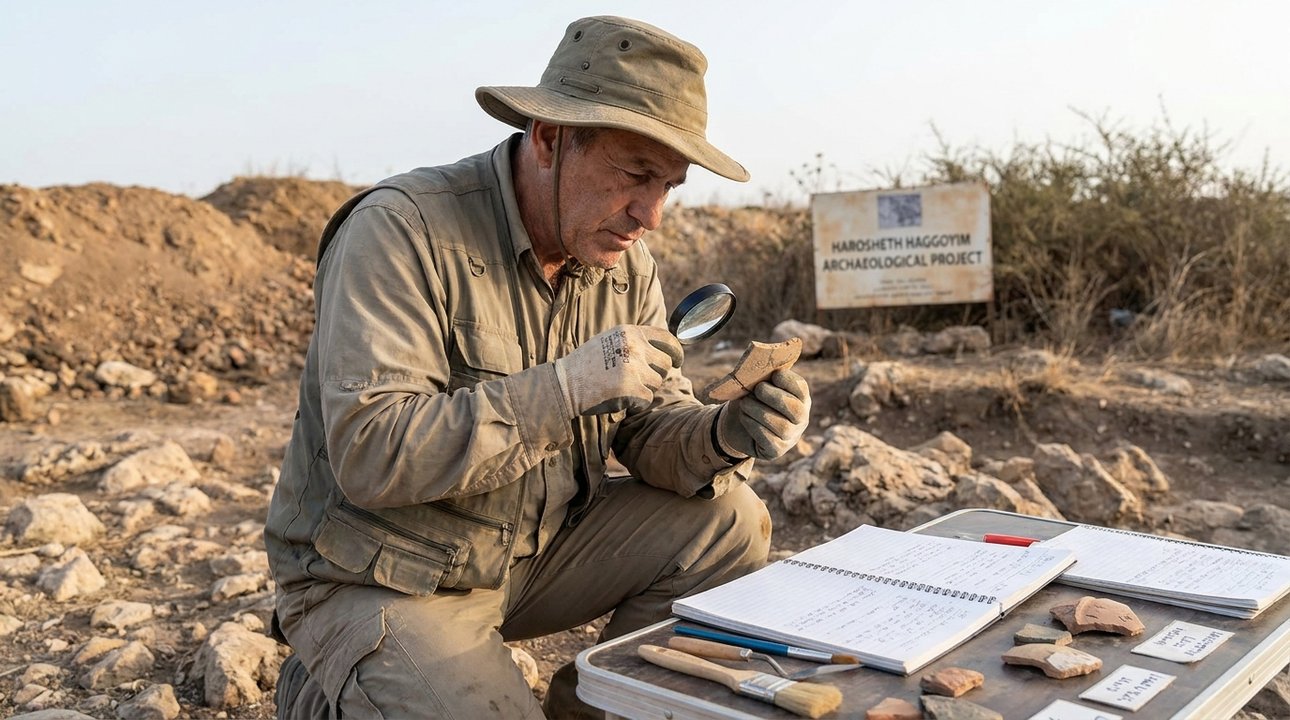
The ongoing research into Harosheth Haggoyim helps to illuminate the historical context of the stories, providing a richer understanding of the cultural and societal norms of the time. Scholars and archaeologists work together to piece together the site’s past, using both textual evidence and material findings. This collaborative effort contributes to a deeper appreciation of the site’s significance, ensuring that its legacy continues to inform and inspire future generations.
Understanding Harosheth Haggoyim