
Understanding Ephes Dammim in History
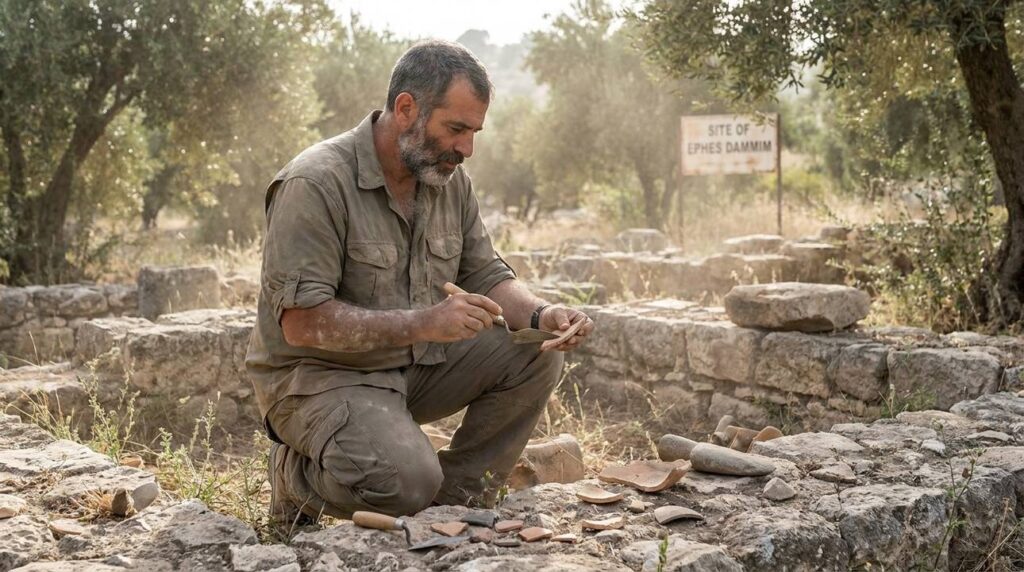

Ephes Dammim is renowned as the battlefield where David faced Goliath. According to historical accounts, this site is where the young shepherd boy, David, bravely confronted the Philistine giant, Goliath, armed only with a sling and five smooth stones.
The events unfold in the Valley of Elah, a significant location in Judah, emphasizing the courage that David displayed.
This article explores its role in Israel’s history and the lessons of courage it continues to impart.
The Valley of Elah, where Ephes Dammim is situated, was a strategic location due to its proximity to the Philistine territory. The Philistines, known for their conflicts with Israel, often sought to expand their influence into this area. This geographical setting highlights why the confrontation between David and Goliath holds such importance in history. The lessons from this event are still remembered by many, illustrating how determination can overcome seemingly insurmountable challenges.
from the Western Wall to Masada.
What Is Ephes Dammim?
Ephes Dammim is a location known as the place where the Israelites faced the Philistines. This battlefield lies in the territory of Judah. The name itself provides a strategic clue, often translated as ‘boundary of blood.’
This translation reflects the many conflicts that occurred in this region. It is the setting for the famous confrontation between David and Goliath, one of the most iconic stories in history.
The account underscores the theme of support in battles.
The narrative of David and Goliath is not only a tale of physical confrontation but also a story of resilience. David’s victory is often seen as a sign of the power of determination and the belief that with support, even the most daunting challenges can be overcome. This message has resonated throughout generations, illustrating the enduring relevance of historical teachings in addressing the struggles and fears that people face in their own lives.
Ephes Dammim in the Bible
The account of Ephes Dammim appears prominently in historical texts. It is detailed as the site where the armies of Israel and Philistia gathered.
This location served as the backdrop for the face-off between the young shepherd David and the giant warrior Goliath, a pivotal moment in Israel’s history. The battle is often seen as a turning point, not just militarily but also in David’s rise to prominence.
David’s victory paved the way for his future leadership and the unification of Israel.
The confrontation at Ephes Dammim is symbolic of the broader struggle between the Israelites and the Philistines. The outcome of this battle had significant implications for the political and cultural landscape of the region. David’s triumph over Goliath is celebrated as a victory of courage over brute force. This event is a key moment in history, illustrating how individual actions can alter the course of a nation’s destiny. The narrative is still remembered by those who seek to overcome their own challenges with determination.
Where Is Ephes Dammim Located?
Ephes Dammim is situated within the region historically known as Judea, in the southwestern part of Israel. Its precise archaeological location remains a point of scholarly debate. The terrain of this area, with its hills and valleys, provided natural defenses.
This landscape facilitated its role as a battleground, offering clear vantage points for both armies, making it a strategically important location in military campaigns. The natural features influenced the tactics used in battles.
The Story of David and Goliath
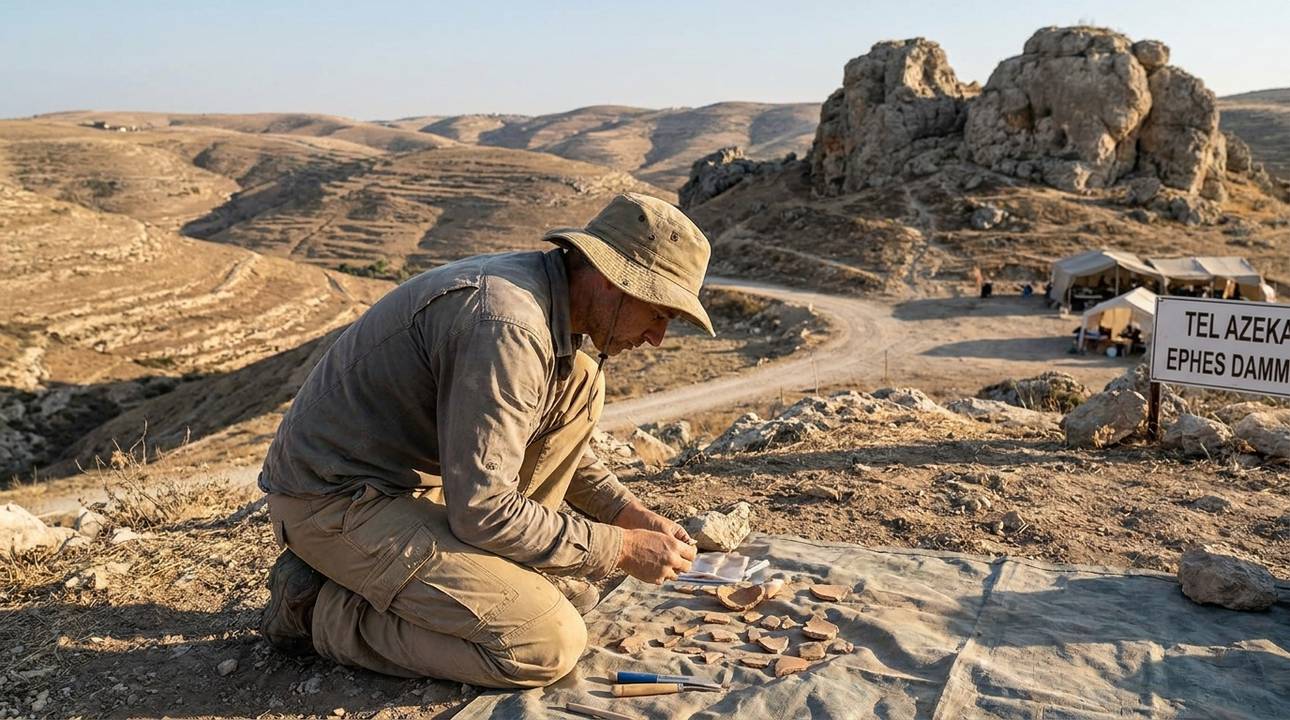
The encounter at Ephes Dammim is central to the tale of David and Goliath. As described in 1 Samuel 17, the young David defeats the giant Goliath with a sling and a stone. This victory is seen as a turning point for Israel, symbolizing the triumph of faith and courage over brute strength.
David’s success led to his rise in popularity and eventual kingship, marking a new era for the Israelites. His leadership is often credited with unifying the tribes of Israel. The account of David and Goliath continues to be a powerful symbol of overcoming adversity.
David’s victory at Ephes Dammim is not only a sign of his bravery but also a reflection of his deep faith. This event marked the beginning of his journey from shepherd to king, a path that would eventually lead to the unification of Israel under his rule. The tale of David and Goliath has been retold throughout history, each time reinforcing the message that faith and courage can triumph over seemingly insurmountable odds. It remains a source of inspiration for those facing their own battles.
Ephes Dammim in Historical Context
Historically, Ephes Dammim represents a border region where many battles occurred between opposing forces. The site marked a strategic line of defense for those inhabiting the Judean hills. The Philistines, often in conflict with Israel, sought control over this area to exert influence.
The region’s significance is underscored by its mention in 1 Samuel 17, where the armies of Israel and Philistia faced off. Understanding its geographical importance helps explain why this location was chosen for such an epic conflict, as it was a key point in the defense of the nation.
The Judean hills provided a natural barrier, making Ephes Dammim a crucial point of defense. This area was not only a military stronghold but also a cultural intersection where different civilizations met.
The frequent battles in this region reflect the ongoing struggle for dominance and control over vital trade routes and resources. The historical context of Ephes Dammim enhances our understanding of the narrative, highlighting the strategic importance of this location.
Archaeological Findings at Ephes Dammim
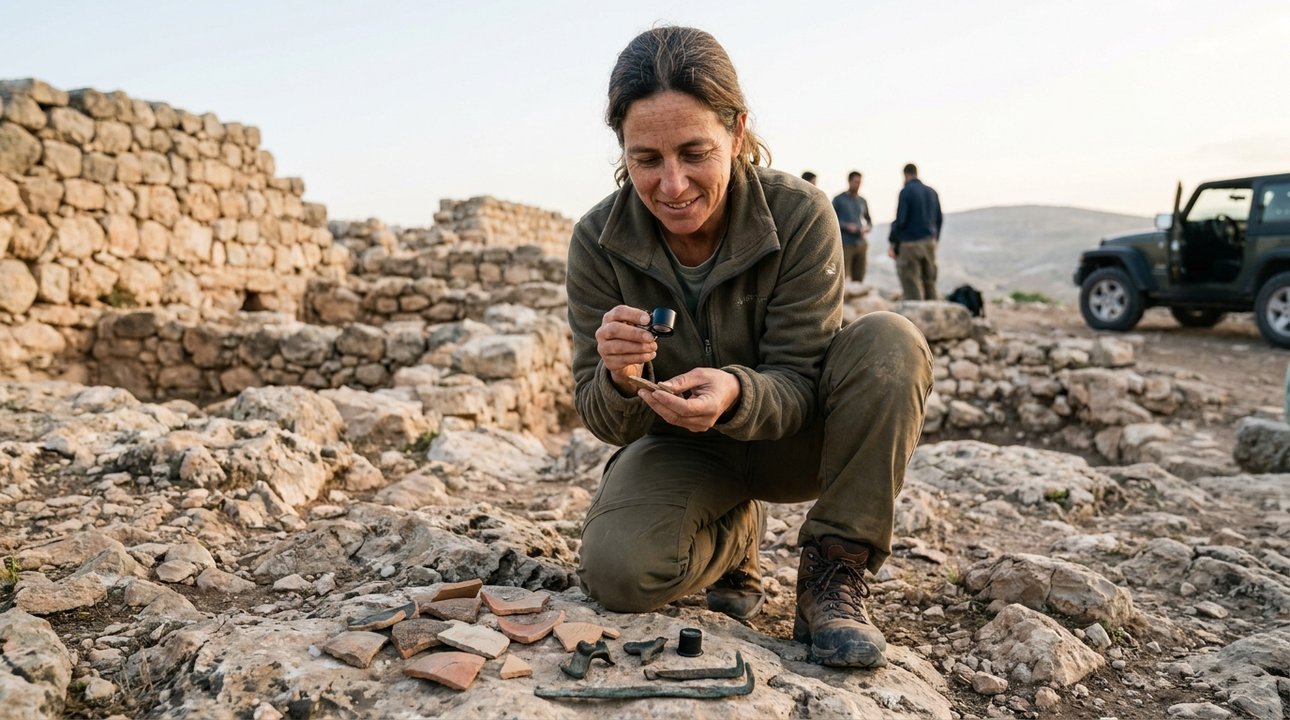
Archaeologists have explored the region of Ephes Dammim to uncover artifacts that align with historical accounts. Pottery and ancient remains indicate settlement activity consistent with descriptions from the era of the united monarchy, around the 10th century BCE.
These findings provide additional context to the stories depicted in narratives, bridging history and tradition. Scholars often reference these discoveries when discussing the historical accuracy of events.
The artifacts found in the area help paint a clearer picture of the life and times during David’s era.
The archaeological discoveries at Ephes Dammim offer valuable insights into the daily lives of those who lived during the time of David. These findings, including pottery and tools, help corroborate the historical narrative and provide a tangible connection to the past.
By examining these artifacts, researchers gain a deeper understanding of the cultural and historical context of the region. This ongoing exploration continues to shed light on the stories that have shaped cultural traditions for generations.
from the Western Wall to Masada.
Cultural Role of Ephes Dammim
Culturally, Ephes Dammim serves as a symbol of faith and bravery. David’s victory is celebrated in song and story, reinforcing the notion that conviction and courage can prevail against daunting odds. The tale is recounted in Jewish tradition, underscoring the values of perseverance and trust.
This narrative has also found its way into broader cultural traditions, inspiring countless retellings in literature and art. Its themes are universal, resonating with audiences worldwide. The impact is evident in its continued relevance and the lessons it imparts.
The tale of David and Goliath at Ephes Dammim has transcended its origins, becoming a cultural touchstone for stories of underdogs overcoming great challenges. This narrative has been adapted into various forms of media, each time highlighting the timeless themes of courage.
The story’s enduring appeal lies in its ability to inspire individuals to face their own ‘giants’ with determination and belief in their abilities. It serves as a reminder that even the smallest actions can lead to significant change.
Ephes Dammim Today
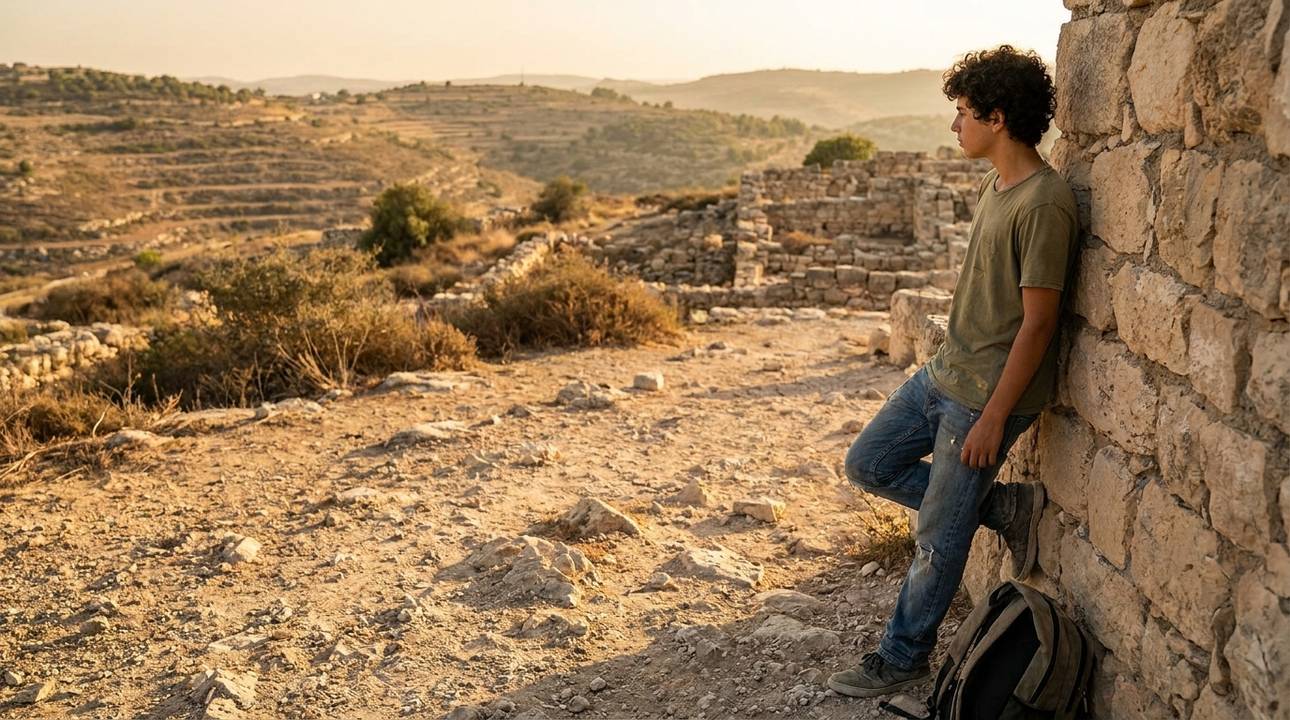
Today, Ephes Dammim is recognized for its profound historical context rather than as a tourist destination. The area remains a subject of interest for scholars and historians seeking to understand the cultural and historical dynamics of Israel. The tale of David and Goliath, connected to this site, is still remembered and educates new generations. Its lessons on courage resonate with people seeking inspiration from the past. The site serves as a reminder of the enduring power of stories and their ability to convey timeless truths.
While not a major tourist attraction, Ephes Dammim offers a unique glimpse into the past for those interested in history. Archaeological studies in the region have unearthed artifacts that provide insights into the lives of those who inhabited the area during the time of the united monarchy.
These discoveries help bridge the gap between history and tradition, offering tangible evidence of the stories that have shaped cultural traditions for centuries.
Conclusion: Ephes Dammim’s Lasting Impact
In exploring Ephes Dammim, one uncovers more than a mere location. It is a place where narratives and historical events converge, showing the past. The battlefield is a sign of the enduring power of stories that transcend time. The confrontation between David and Goliath is not just a historical event but a narrative that is still remembered for courage. These stories continue to resonate with people’s hearts, providing lessons on individual courage. The site’s history invites reflection on the values that have shaped cultures.
The account of David and Goliath at Ephes Dammim serves as a powerful reminder of the strength found in faith and determination. This narrative has been retold in various forms across different cultures, each time emphasizing the universal themes of bravery and perseverance.
As people reflect on this story, they are encouraged to draw strength from their own beliefs and to face their challenges with the same courage that David displayed on that historic battlefield.
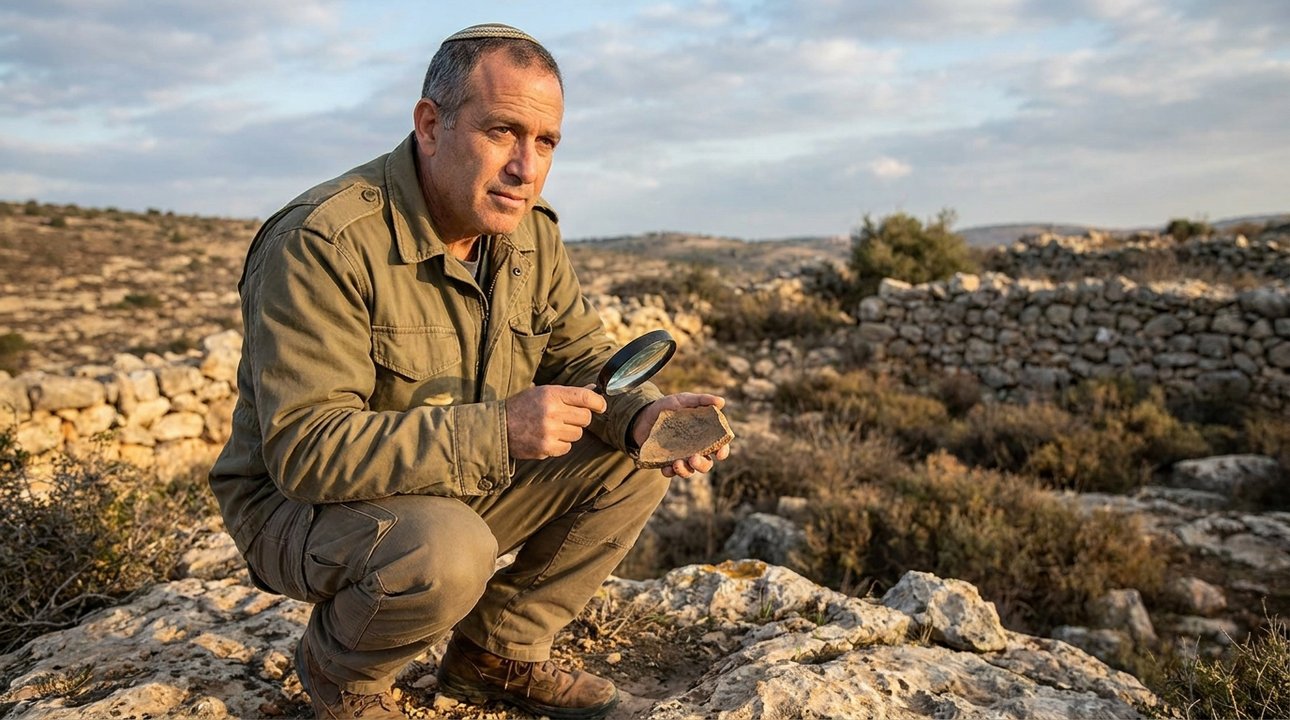
Ephes Dammim is the site of David’s battle with Goliath. This pivotal event is a cornerstone of history, illustrating the power of determination over might. Located in Judea, it played a strategic role in Israel, serving as a defensive boundary against Philistine advances.
The Valley of Elah, where this battle took place, was a crucial area for both military and cultural exchanges. This geographical significance highlights its importance in military and cultural history. The site remains a symbol of strategic victories.
The tale of David and Goliath is more than just a story of a young shepherd defeating a giant. It represents the triumph of faith and courage over fear and intimidation. David’s victory at Ephes Dammim marked a turning point in Israel’s history, leading to his rise as a beloved leader and eventual king. The cultural impact of this tale extends beyond religious texts, influencing literature, art, and popular culture, where it is still remembered people facing their own ‘giants’ in life.
The narrative symbolizes courage, continuing to inspire generations. David’s victory is celebrated not only in texts but also in art and literature throughout history. For instance, the famous sculpture by Michelangelo captures David’s determined expression before the battle. This story has transcended its original context, becoming a universal symbol of triumph against overwhelming odds. Artists and writers across cultures have drawn from this tale, emphasizing its appeal.
Ephes Dammim: Questions & Answers
