
Exploring the Historical Importance of Sokoh in Judah

Sokoh was a significant town in the region of Judah, playing an essential role in historical narratives. Its strategic location made it a focal point during various historical moments, such as battles against the Philistines. This article delves into the intriguing past and legacy of Sokoh, exploring its mentions and archaeological findings that reveal its history. Sokoh’s position along key trade routes enhanced its influence in the region, facilitating interactions between different cultures.
The town’s prominence is further highlighted by its inclusion in the tribal territories of Judah. Archaeological excavations have uncovered artifacts that provide insights into the daily life and economic activities of its inhabitants. These findings include pottery shards and tools from the Iron Age, aligning with the historical timeline and supporting the accounts of Sokoh’s community. The town’s legacy continues to captivate historians and archaeologists alike.
from the Western Wall to Masada.
What Is the Historical Context of Sokoh?
Sokoh, located in the Shephelah region of Judah, is mentioned as part of Israel’s tribal territories. Its strategic position on trade routes made it a focal point during the era of the United Monarchy. Historically, Sokoh was an important settlement with connections to key figures and events, such as the battles against the Philistines, marking its impact on the region and its legacy in Jewish history. The town’s location in the fertile Shephelah made it a valuable asset for agricultural and military purposes.
Sokoh’s proximity to the Elah Valley, where a famous battle took place, further highlights its significance. The town’s role in these narratives underscores its strategic importance in the ongoing conflicts between the Israelites and their neighbors.
The accounts of Sokoh provide a glimpse into the complex social and political dynamics of ancient Judah, where towns like Sokoh played crucial roles in shaping the history and identity of the region.
The town’s first mention appears in the tribal lists of Judah in the Book of Joshua. This inclusion underscores its established presence during the allocation of land among the Israelite tribes. Sokoh’s history is further highlighted during the battles against the Philistines, where its strategic location played a crucial role. These accounts emphasize Sokoh’s importance in the military and cultural landscape of ancient Judah.
The town’s strategic location made it a key player in the ongoing conflicts between the Israelites and their neighbors. Its inclusion in the tribal lists of Judah reflects its significance in the social and political landscape of the time.
The narratives that mention Sokoh provide valuable insights into the historical context, highlighting the town’s role in shaping the region’s history and identity.
Sokoh in Historical Narratives
In historical narratives, Sokoh is notably recognized as the camp of the Philistines before a famous encounter. This association with pivotal events underscores its strategic and symbolic importance. The area’s role as a battleground highlights its history in the narrative of Israel’s battles, serving as a backdrop to one of the most well-known stories. The Philistine army gathered at Sokoh, setting the stage for a significant victory.
This event not only marked a turning point in the struggle between the Israelites and Philistines but also elevated David’s status, eventually leading to his kingship.
The presence of the Philistines in Sokoh reflects the ongoing territorial disputes of the time, further emphasizing the town’s importance in the region.
Sokoh’s mention in this context illustrates the broader geopolitical dynamics of the ancient Near East, where control of strategic locations often determined the outcomes of conflicts.
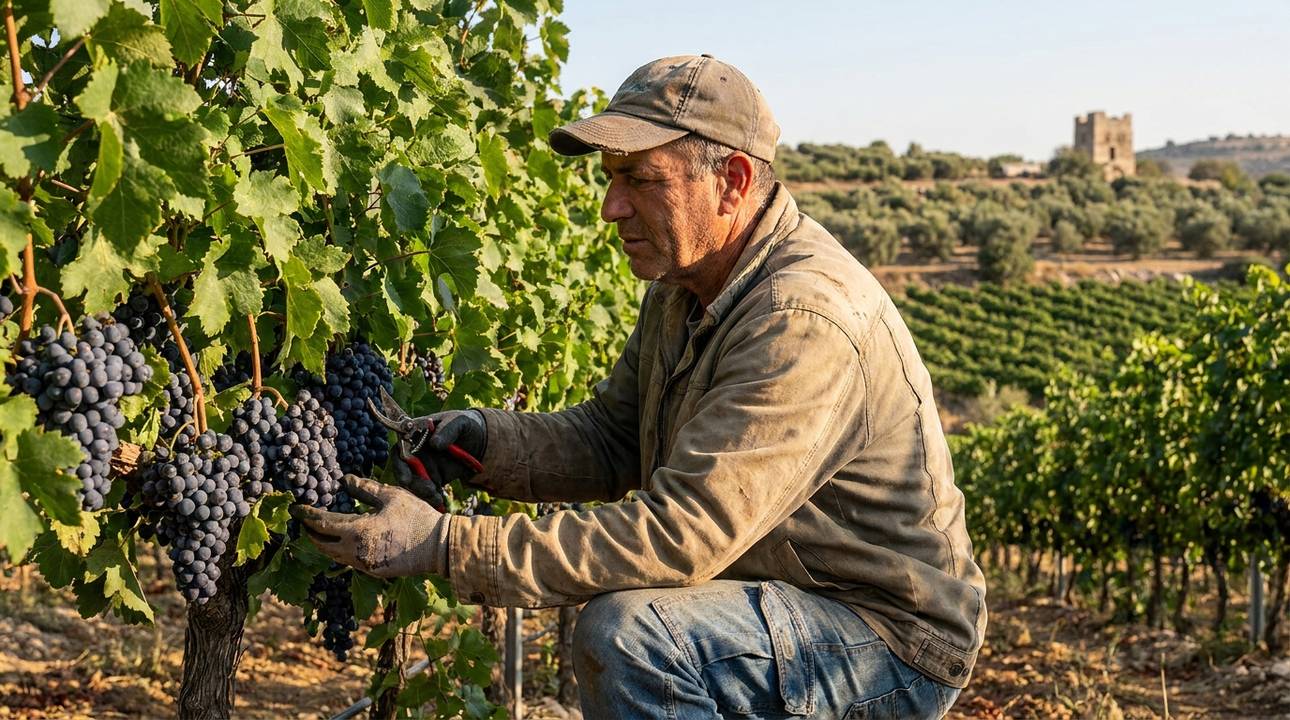
Beyond military history, Sokoh’s agricultural land contributed to its economic stability. The fertile lands of Judah are often highlighted, describing a land flowing with abundance. This agricultural prosperity fostered a thriving community, supporting both trade and sustenance. The fertile lands surrounding Sokoh were a sign of the region’s ability to sustain its inhabitants and contribute to its history.
Archaeological Discoveries at Sokoh
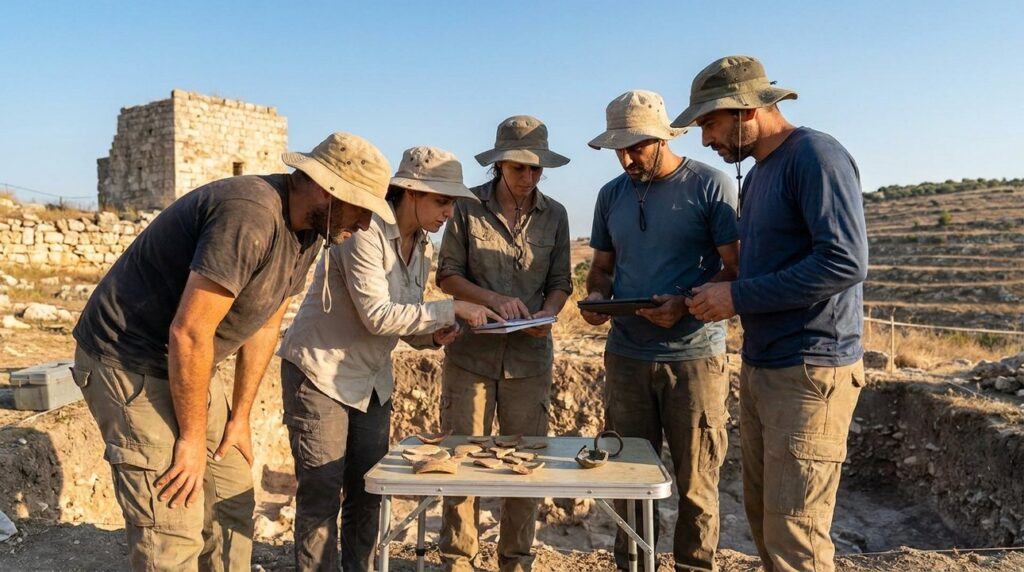
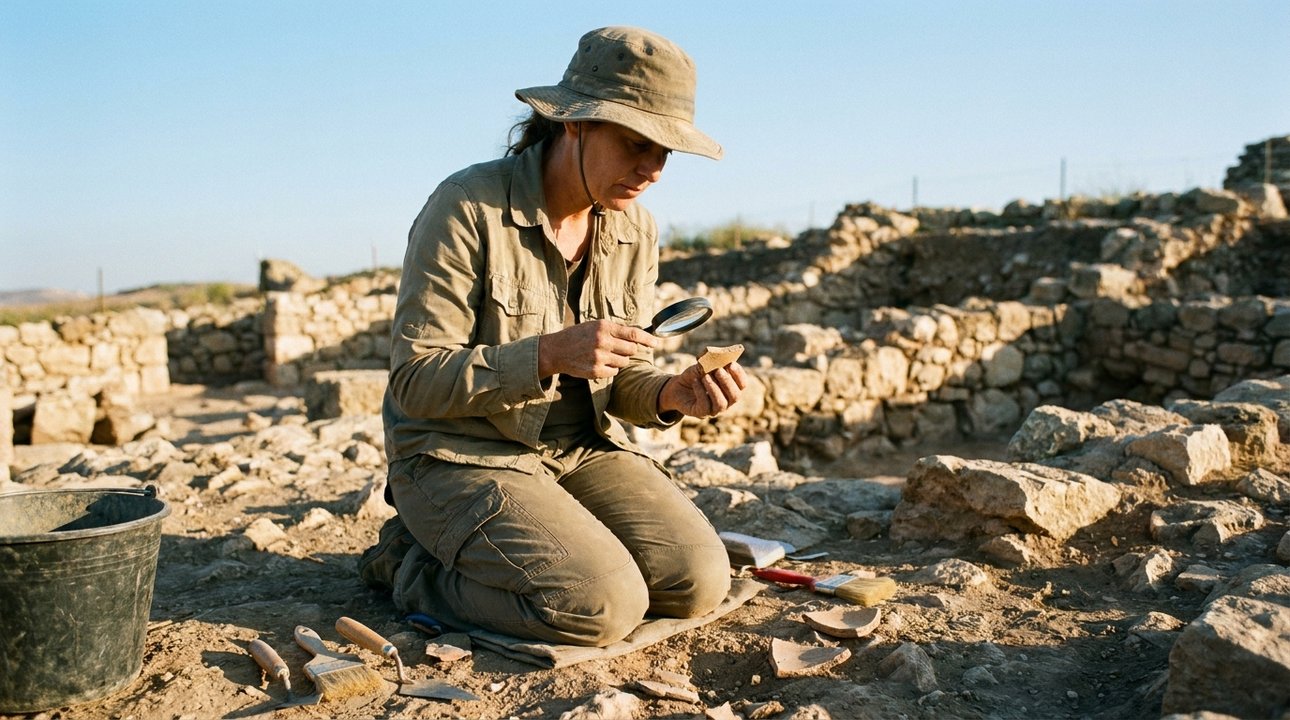
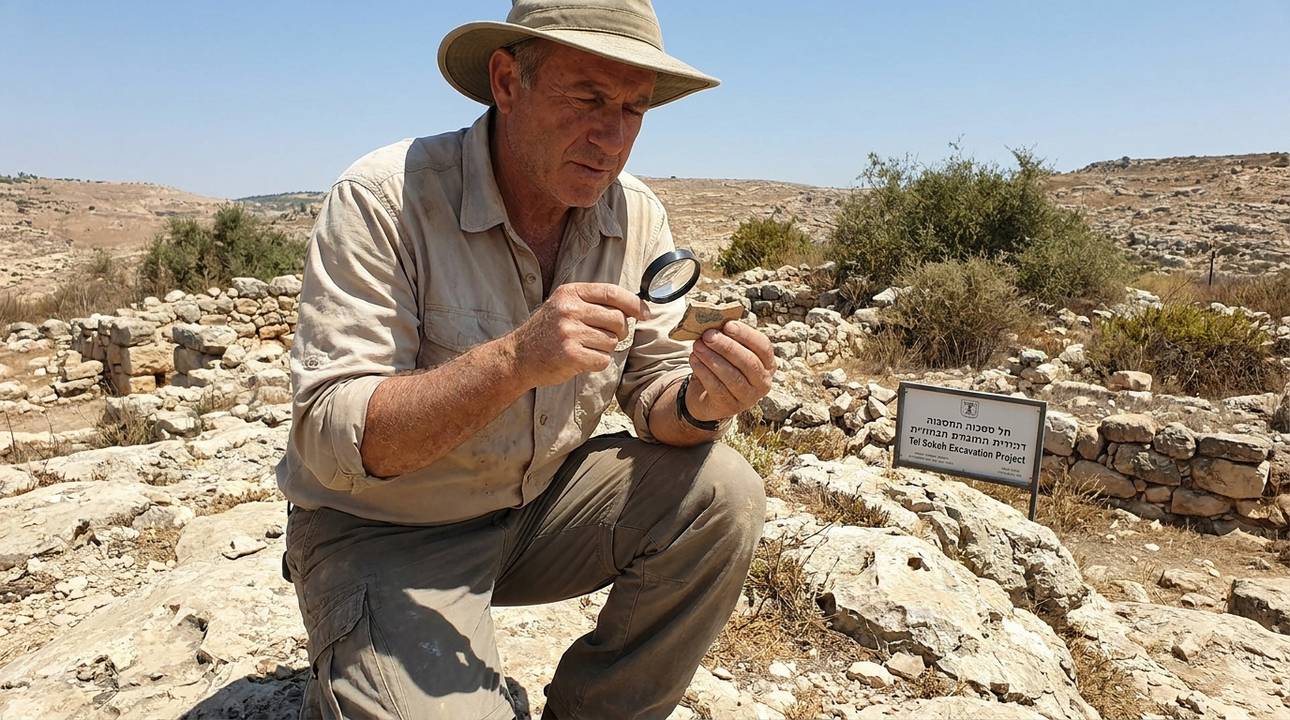
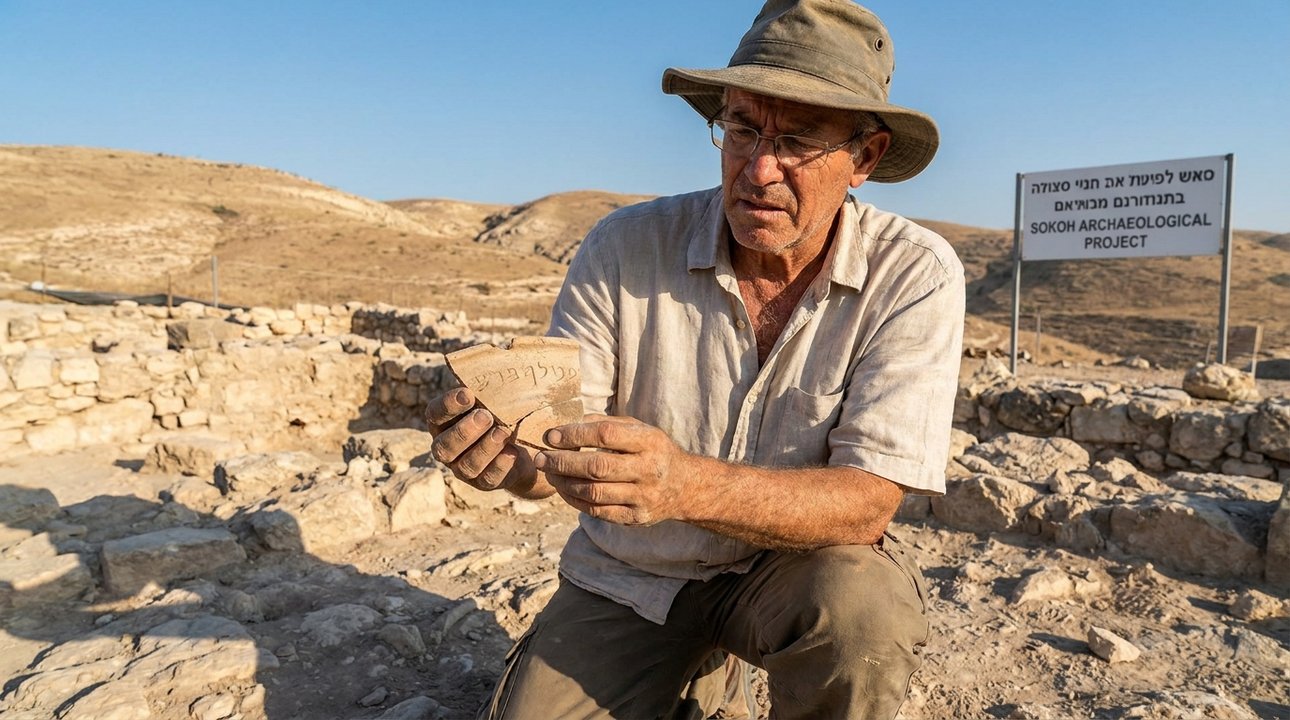
Archaeologists have uncovered numerous artifacts at the site of Sokoh, shedding light on its cultural and historical role. Among these are pottery shards dating back to the Iron Age, which align with the historical timeline.
Excavations revealed pottery, tools, and remnants of buildings, providing evidence of an active settlement. These findings support accounts of a lively community in the area, enriching our understanding of daily life in ancient Judah.
The artifacts offer a glimpse into the economic and social activities of the town’s inhabitants.
The discovery of these artifacts helps historians and archaeologists piece together the broader picture of life in ancient Judah. The pottery styles and tools found at Sokoh provide insights into the trade and cultural exchanges that took place in the region.
These findings not only corroborate historical narratives but also enhance our understanding of the historical context in which these stories unfolded, offering a tangible connection to the past.
One notable discovery includes fortification remnants, suggesting Sokoh’s strategic military importance. These structures highlight its role in defense.
Such discoveries align with historical references, offering a tangible connection to the narratives of the past. The presence of these structures highlights the town’s defensive role in regional conflicts, underscoring its significance in Judean history.
from the Western Wall to Masada.
Sokoh in Modern Understanding
Today, Sokoh is identified with modern-day Khirbet Shuweikeh, near the Elah Valley, a site of history due to its proximity to a significant battle location. This site continues to be a point of interest for historians and archaeologists exploring the lands. Ongoing research enriches our understanding of the cultural and historical layers of Judah, revealing insights into ancient life and traditions. The site’s proximity to key events makes it a valuable resource for understanding the historical context.
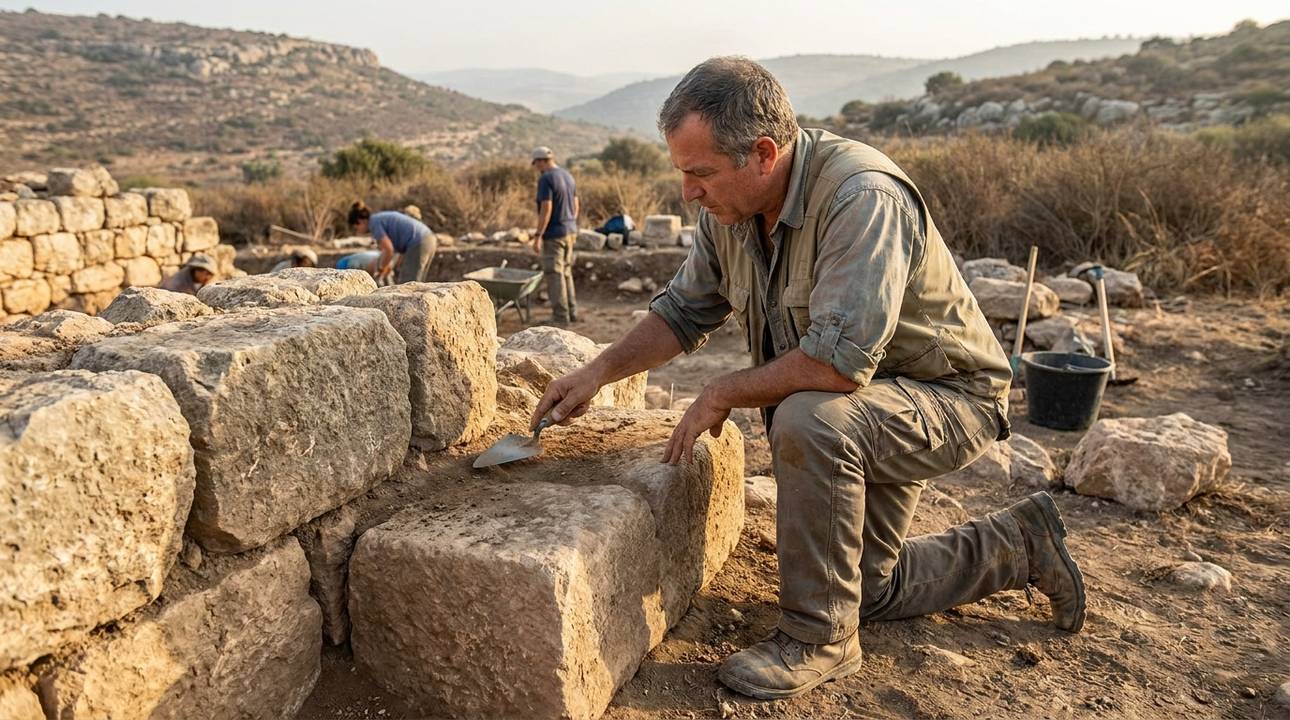
Excavations at Khirbet Shuweikeh have uncovered remnants of ancient structures, pottery, and tools, providing tangible connections to the past. These discoveries help piece together the daily lives of the people who once inhabited this region.
The site’s ongoing study contributes to a deeper appreciation of the historical and cultural heritage of Judah, offering a window into the lives of those who lived during the time of the narratives.
While the name ‘Sokoh’ may not appear widely in modern guides, its historical roots remain significant. It is mentioned in the context of battles and territorial boundaries. The site’s ongoing study contributes to the overall knowledge of societal structures. Understanding Sokoh helps piece together the broader picture of the region’s history, showing the social and political dynamics of the time. The town’s role in these narratives underscores its importance in the historical landscape.
The mention of Sokoh highlights its strategic position within the tribal territories of Judah. This inclusion reflects its significance in the allocation of land and the establishment of territorial boundaries.
The study of Sokoh and its surrounding areas continues to provide valuable insights into the historical and cultural context, helping to illuminate the complex social and political landscape of the time.
The Legacy of Sokoh in Jewish Tradition
Sokoh’s impact extends beyond its physical ruins; it holds a place in cultural memory. Mentioned in historical texts, Sokoh is where the Philistines gathered before a famous battle. Its association with victory reinforces its symbolic role in identity. Sokoh represents triumph within the historical mix of Judah, embodying the enduring spirit of the people and their heritage. The town’s legacy is still remembered by those who cherish the stories of bravery.
The story of David and Goliath, set against the backdrop of Sokoh, serves as a powerful reminder of the themes of courage and perseverance. This narrative has been passed down through generations, becoming an integral part of Jewish storytelling and education. Sokoh’s mention in these stories ensures its continued relevance in Jewish cultural and religious contexts, highlighting the town’s importance in the shared history of the Jewish people.
The town’s integration into narratives ensures its continued relevance in education and storytelling. Sokoh is mentioned as part of the inheritance of the tribe of Judah.
As part of the greater Judean landscape, Sokoh contributes to the heritage that informs history. Its legacy encapsulates the enduring spirit of the people, serving as a reminder of their historical continuity.
The town’s role in these narratives highlights its importance in the broader historical context.
Sokoh’s presence in the tribal lists of Judah underscores its established status during the allocation of land among the tribes. This inclusion reflects its significance in the social and political landscape. The town’s mention in these contexts ensures that its legacy continues to be a part of cultural and educational narratives, reminding future generations of the history and traditions of their ancestors.
Understanding Sokoh's Significance
