
Uncovering the Location of Mamre in the Bible
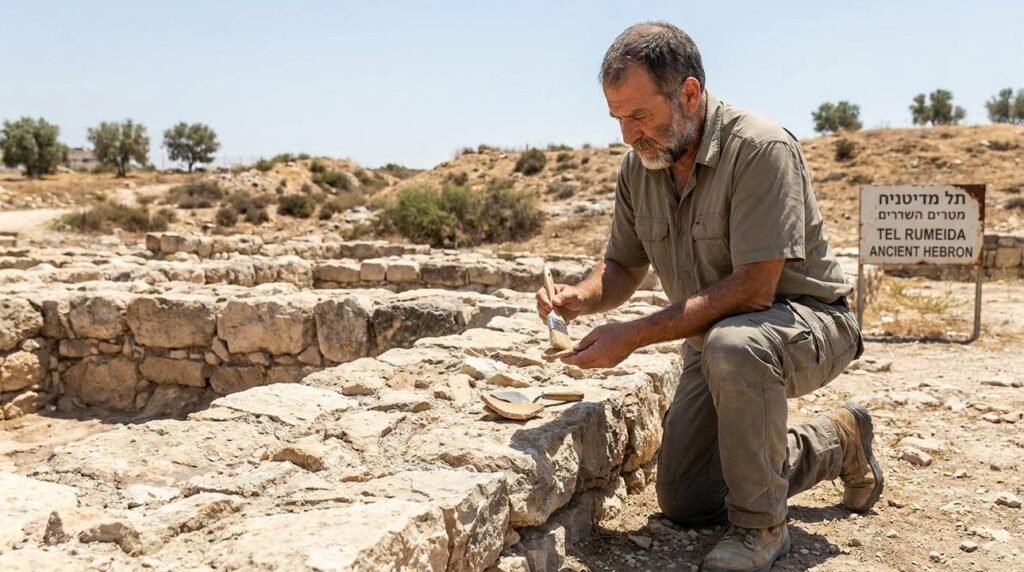

Mamre holds a special place in history, often associated with significant events in the lives of ancient figures. It is mentioned as a place connected to notable leaders, providing a backdrop for some of the most meaningful narratives.
In ancient texts, it is noted that a leader settles at the oaks of Mamre, near Hebron, building an altar there. This site becomes a recurring location where he communicates with important messengers.
Further highlights of Mamre include it being the place where a leader receives visitors who predict significant future events.
These events at Mamre are pivotal, as they emphasize themes of community and hospitality. The oaks of Mamre serve as a setting for important encounters and promises that shape the future of the people.
Interactions at Mamre, including alliances with local leaders, showcase the area’s strategic importance in history.
from the Western Wall to Masada.

Mamre is renowned as a burial site for notable figures in the Cave of Machpelah. This burial site underscores its enduring importance as a family and heritage site.
Located in Hebron, the Cave of Machpelah is among the oldest continuously used prayer sites globally. It is believed to have been purchased as a family burial plot, marking it as a place of deep ancestral connection.
The purchase of the Cave of Machpelah is detailed in ancient texts, where negotiations are made to secure a burial place.
This transaction is one of the earliest recorded land purchases, highlighting the significance of the site as a family heritage location.
The burial of notable figures at Machpelah cements its role as a sacred site, deeply intertwined with the history and identity of the people.
Where Is Mamre Located in the Bible?
Traditionally identified with a site near Hebron in the southern part of the present-day West Bank, Mamre is a notable landmark from historical narratives, famously hosting significant events.
This connection places Mamre as a pivotal location in historical narratives. The area around Hebron includes several significant sites from historical accounts, with Mamre being a crucial part of these stories.
Its proximity to Hebron, a city with deep historical roots, further highlights its importance.
Hebron itself is one of the oldest cities in the world, with archaeological evidence suggesting habitation dating back to the early Bronze Age. As such, Mamre’s location near Hebron made it a strategic site for trade and communication in the ancient world.
This strategic position allowed leaders and their descendants to establish and maintain alliances with local tribes, enhancing their influence and security.
History of Mamre
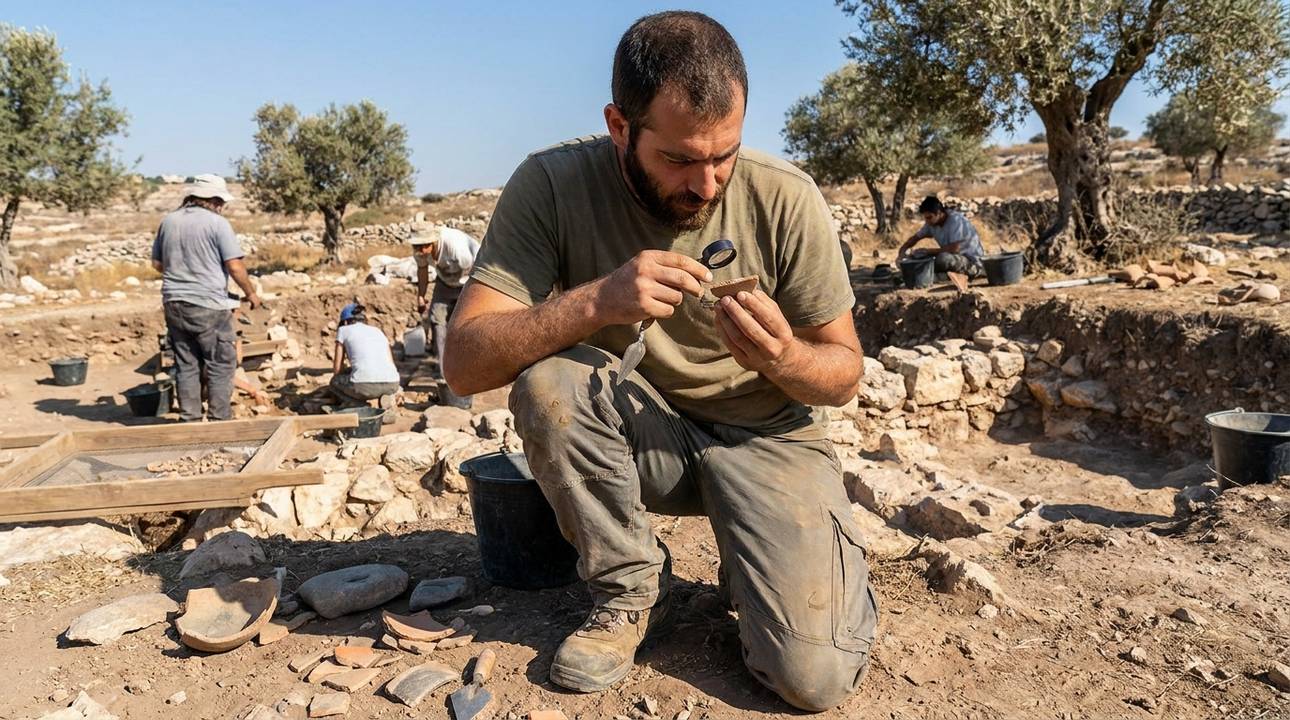
Many scholars consider Mamre an important site due to its frequent mention in connection with notable leaders. According to ancient texts, a leader settled here and built an altar. The area served as a hub for various events, including significant announcements.
This long-standing historical connection highlights its importance in regional history. Located near Hebron, Mamre was a strategic site for trade and communication in the ancient world. Its significance is reflected in its recurring mention in historical narratives.
The strategic location of Mamre near Hebron allowed it to be a center of activity and interaction for leaders and their descendants. The site’s frequent mention underscores its role as a place of important encounters and significant events. The altar built at Mamre serves as a sign of the site’s cultural relevance, marking it as a place of worship and communication with important messengers.
What Events Took Place at Mamre?
Mamre is notably where significant visitors were received, predicting future events. This moment is central to narratives, illustrating themes of hospitality and promise.
The encounter emphasizes the role of leaders exemplifying community and service, as they welcome the visitors with open arms. Descriptions highlight how preparations were made to honor the guests, showcasing eagerness to serve.
Hospitality is a key theme in this story.
The visitors’ prophecy about future events is pivotal in the narrative, reaffirming promises made to leaders.
This assurance of future generations is central to the covenant between leaders and their people, marking a significant step in the unfolding of the lineage. The events at Mamre highlight the importance of community, hospitality, and promise in the lives of notable figures.
The site’s association with such events cements its role as more than just a physical location but a place of cultural relevance and messages. The promise made at Mamre shapes the future of the people and their covenantal relationship.
Details of this assurance highlight the promise of future generations, underscoring enduring faith and trust in plans.
The covenantal promise made at Mamre marks a defining moment in the narrative, continuing the plan through future generations.
Central to the identity and heritage of the people, this promise serves as a reminder of the faith and trust required to fulfill promises.
The events at Mamre underscore the site’s significance as a place of important encounters and messages resonating through generations.
Mamre Today
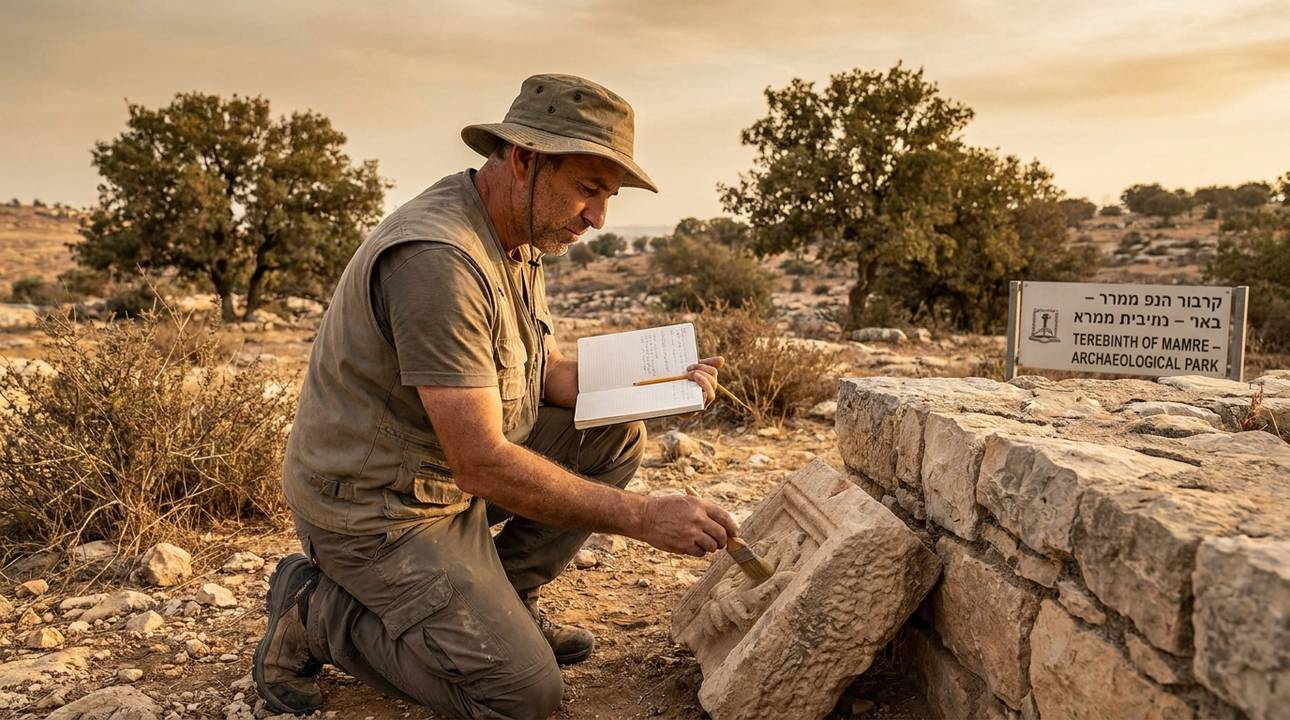
In present-day terms, Mamre is often identified with Ramat al-Khalil near Hebron. Archaeological findings suggest this area was inhabited in earlier times, providing a tangible link to historical stories.
Although modern politics complicate the direct connection, the importance of Mamre remains undiminished for many. The site continues to be a place of pilgrimage and reflection for those seeking to connect with their ancestral roots.
Archaeological evidence supports the accounts of Mamre’s importance.
The identification of Mamre with Ramat al-Khalil is supported by findings that indicate continuous habitation in the area since early times. These findings provide a historical context for the narratives, offering a glimpse into the world of ancient figures. Despite the complexities of modern geopolitics, the site’s cultural role endures, drawing visitors who wish to experience the history and heritage of the era.
from the Western Wall to Masada.
Is Mamre Mentioned in Other Historical Stories?
Beyond its mention with notable leaders, Mamre appears in several other contexts in ancient texts. Descriptions include Mamre as part of a coalition allied in significant events.
This coalition included local allies, showcasing the strategic alliances formed in the region. These alliances were crucial for maintaining peace and security in a time of frequent conflicts and shifting power dynamics.
The rescue of important figures highlights the importance of these alliances.
The alliance with Mamre and other Amorite leaders demonstrates the complex social and political landscape of the time. Such partnerships were essential for survival and prosperity in the ancient Near East.
The narrative of Genesis 14 provides insight into the relationships and negotiations that shaped the lives of the patriarchs, emphasizing the significance of Mamre as more than just a geographical location.
Such stories not only reinforce Mamre’s strategic importance but also its role in demonstrating the interconnectedness of the narratives. The alliances at Mamre highlight the broader social and political landscape of the time, where kinship and loyalty were vital for survival and success.
Mentions of alliances reflect the complex social dynamics and mutual support among different groups.
Cultural Impact of Mamre
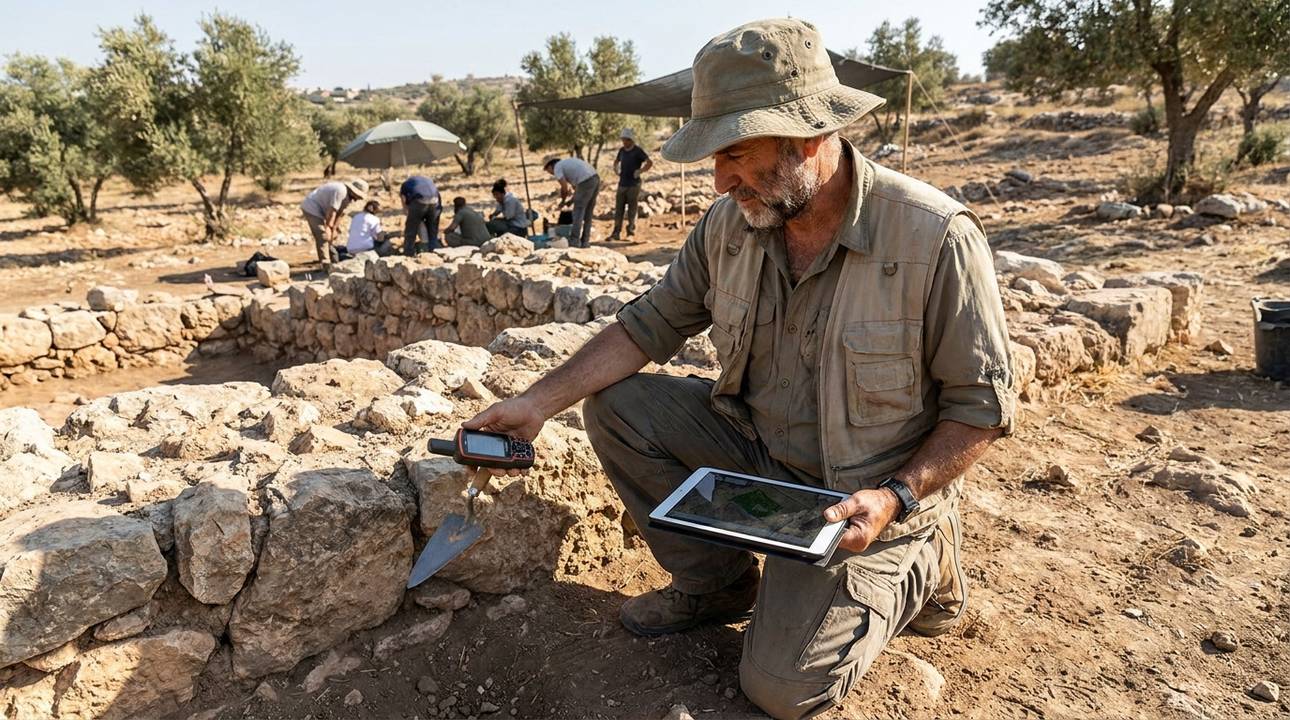
Mamre stands as a culturally significant site in tradition, symbolizing promise and presence in the lives of notable figures. Its name is derived from an Amorite chief allied with leaders, reflecting the site’s early historical connections. The oaks of Mamre are traditionally seen as a place of hospitality, where leaders welcomed visitors. This setting underscores the importance of hospitality and kindness in the narrative. The site’s association with these themes highlights its enduring cultural role.
The story of hospitality at Mamre exemplifies the values of kindness and generosity central to tradition. The oaks of Mamre symbolize these values, representing a place where promises are made and fulfilled. The site’s historical and cultural resonance is still remembered by those seeking to connect with their heritage and the legacy of notable figures.
It continues to evoke a sense of connection to history, demonstrating the ongoing narrative of legacy that Mamre embodies.
The site’s historical and cultural resonance is evident in its mention in various texts and its role in pivotal events like significant announcements.
Descriptions recount the moment when visitors tell leaders about future generations, marking a significant fulfillment of promise and hope for future generations. This moment is a key element in the story of notable figures.
The promise of future generations at Mamre is a sign of the enduring faith and trust in plans characterizing the lives of notable figures. This moment is a cornerstone of identity, shaping the nation’s future and its covenantal relationship. The site’s association with pivotal events underscores its role as a place of cultural relevance and a symbol of hope and promise for future generations.
Conclusion: the Legacy of Mamre
Mamre’s significant role in stories extends beyond its physical location. It is established in the sacred narratives, symbolizing enduring faith and encounters. Descriptions highlight the site as a place where leaders receive promises, highlighting themes of faith and intervention. This assurance is a cornerstone of identity, as future generations become central figures in the lineage of notable figures. The events at Mamre are foundational to the covenantal relationship.
The promise at Mamre is not just a personal moment for leaders but pivotal for the entire nation. This moment signifies the continuation of the covenant and the future establishment of a great nation.
The narrative at Mamre serves as a reminder of the enduring faith and trust required to fulfill promises, shaping the cultural heritage of the people.
Its presence captivates those exploring the intersections of geography, history, and culture. The legacy of Mamre is reflected in its repeated mention in texts, serving as a sign of the profound moments that occurred there. Mamre is referenced in several key events, highlighting it as a location where promises and human faith intersect.
Understanding Mamre
