
Exploring the Map of Genesis 14


Genesis 14 offers a fascinating glimpse into ancient paths and alliances. This section, which includes the story of the Battle of the Valley of Siddim, highlights the conflict among several kings, including Chedorlaomer, king of Elam, and the kings of Sodom and Gomorrah.
The depiction of these regional conflicts invites us to explore a map filled with intriguing locations and stories. The mention of places like Shinar, Ellasar, and Elam provides insight into the geopolitical landscape of the time.
What Is Genesis 14 About?
Genesis 14 describes the battle between several ancient kings, featuring a significant event where Lot is captured, prompting a rescue mission.
The account not only illustrates ancient conflicts but also underscores leadership and strategy. The locations mentioned offer insights into historical landscapes and movements, forming a crucial part of the historical geography.
The swift response to Lot’s capture demonstrates a commitment to family and justice. The geographical details provide context for the strategic movements and alliances that shaped this historical account.
Key Locations on the Genesis 14 Map
The battle takes place in the Valley of Siddim, near the Dead Sea. Cities like Sodom and Gomorrah are central, known for their eventual destruction. Elam, Shinar, and Ellasar are cited as regions of involved kings, illustrating a broad geographic reach.
These locations form a vital part of the story, reflecting the interconnectedness of early civilizations. The Valley of Siddim was a strategic location due to its proximity to trade routes.
The involvement of these cities and regions highlights the complexity of alliances and conflicts in the ancient Near East. The historical context of these places adds depth to the story, showing how local politics could influence larger events.
Journey
The pursuit to rescue Lot involved significant travel. Starting from the Oaks of Mamre, allies were gathered to pursue Chedorlaomer and his coalition of kings. The journey highlights the vast territory covered, showing dedication and the strategic importance of these locations.
Mamre became a key encampment, depicted as a place of alliance and decision-making. The account emphasizes the role of Mamre as a supportive ally.
The Oaks of Mamre, located near Hebron, were significant not only for their strategic value but also as a place associated with hospitality and covenant.
The Valley of Siddim
The Valley of Siddim, described as full of bitumen pits, served as the battlefield. Strategically located near the Dead Sea, it provided both advantages and challenges in warfare. The area’s treacherous terrain played a role in the story, as many fell into the pits during the battle.
This valley’s geography is crucial to understanding the military tactics and outcomes described in the account. The bitumen pits were natural traps for fleeing armies.
The presence of these pits illustrates the natural hazards of the region, which could be both a defensive advantage and a peril for those unfamiliar with the terrain. This aspect of the story highlights the importance of local knowledge in ancient warfare.

Sodom and Gomorrah’s Role
Sodom and Gomorrah were significant players, being cities involved in the conflict. Their location near the Dead Sea contributed to their strategic and economic role, as they were part of the five-city coalition that rebelled against Chedorlaomer.
The eventual downfall of these cities is foreshadowed in the text, adding depth to their part in the narrative. This foreshadowing is later realized where their destruction is detailed.
Their mention emphasizes the dramatic transformations these events brought about. The cities’ involvement in the battle and their subsequent defeat highlight the volatility and shifting power dynamics of the region.
Sodom and Gomorrah’s story serves as a cautionary tale of moral and political decline, resonating throughout history and literature. The eventual destruction of these cities underscores the consequences of their actions.
The story of Sodom and Gomorrah is revisited in various texts, including the prophets, who often use it as a symbol of divine judgment. The cities’ fate is a recurring theme in Jewish teachings, reminding communities of the importance of ethical conduct and justice.
Modern Exploration of Genesis 14 Sites
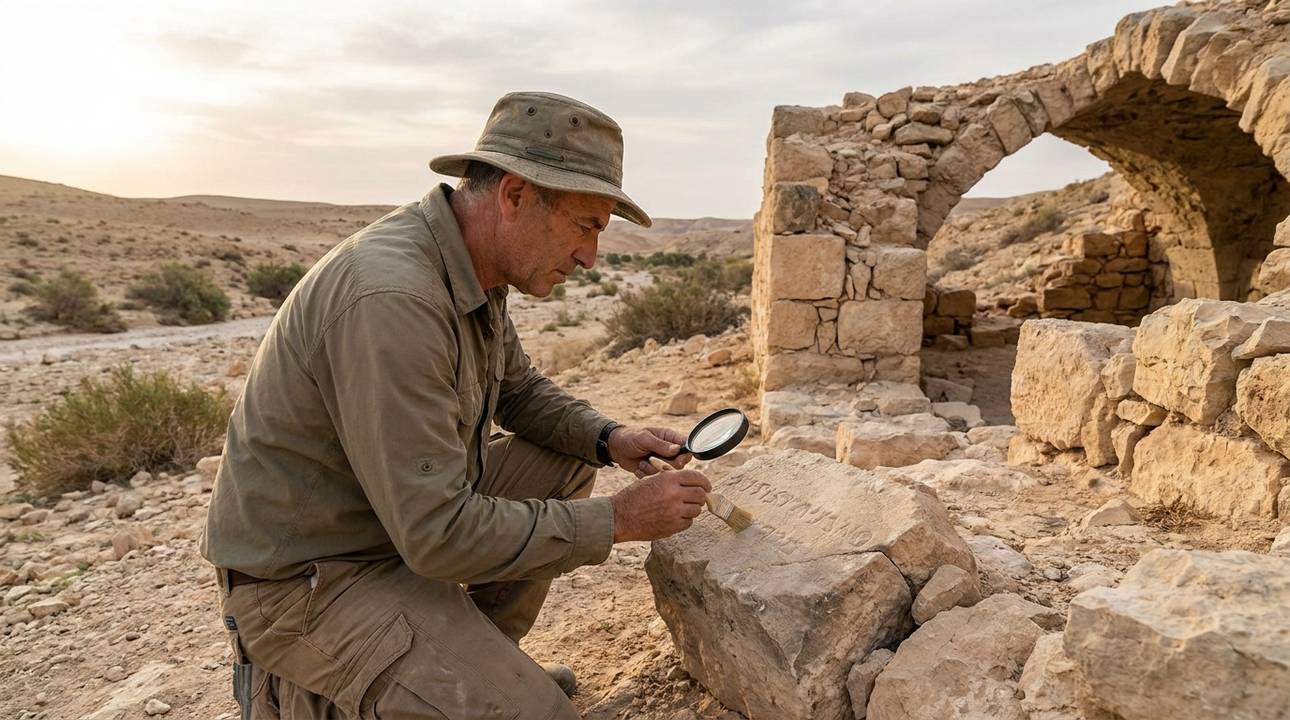
Modern archaeology seeks to uncover remnants of these historic locations. While many places remain debated among scholars, efforts continue to identify these sites, such as the proposed location of Sodom near the southern basin of the Dead Sea. Exploring these areas provides a tangible connection to the stories, showing the lives and environments of the historical figures. Excavations in the region aim to find artifacts that could confirm the historical accuracy of these accounts.
Archaeologists have discovered ruins and geological formations that suggest the possibility of ancient cities once thriving in these areas. These findings contribute to our understanding of the cultural and environmental conditions of the time.
The integration of historical text with archaeological findings enriches our understanding of these events. Discoveries like the Ebla tablets, which reference cities such as Sodom, help corroborate accounts and provide context for the ancient world.
These findings bridge the gap between text and history, allowing us to appreciate the depth and complexity of the narrative. The Ebla tablets, dating back to the 3rd millennium BCE, offer insights into the socio-political landscape of the time.
Such archaeological evidence supports the existence of city-states and their interactions, as described in Genesis 14. The tablets reveal the intricate trade networks and alliances that were crucial to the survival and prosperity of these ancient communities.

Understanding Genesis 14’s Historical Context
Genesis 14 offers a snapshot of ancient Near Eastern politics and warfare. The alliances and conflicts provide context for regional power dynamics, as seen with the coalition led by Chedorlaomer. Chedorlaomer’s coalition exemplifies how local and distant powers interacted, with the kings of Shinar, Ellasar, and Elam joining forces. This section enriches the wider story of history by illustrating the complex political landscape.
The text also details the rebellion of the five kings, including those of Sodom and Gomorrah, against Chedorlaomer’s dominance.
This rebellion and the subsequent battle provide insight into the shifting alliances and the struggle for regional control. Such events are pivotal in understanding the intricate web of relationships and power struggles that characterized the ancient Near East.
The rebellion marks a significant moment of resistance against foreign dominance. It reflects the desire for autonomy among the city-states and the constant flux of power dynamics in the region.
How Genesis 14 Influences Jewish Tradition
Leadership in Genesis 14 is often highlighted in Jewish tradition. This passage describes how, upon hearing of his nephew Lot’s capture, 318 trained men were gathered to rescue him.
The account showcases faith, courage, and familial duty, as the captors were pursued as far as Dan. These themes resonate deeply within Jewish ethical teachings, emphasizing the importance of kinship and bravery.
The number 318 is symbolic in Jewish tradition, often interpreted as representing the strength and unity of the household. This story is a sign of the power of determined leadership and the bonds of family loyalty.
This story in this section is still remembered in discussions about leadership and moral responsibility. The encounter with Melchizedek, king of Salem, is particularly significant. This meeting highlights the value of righteous leadership and the recognition of authority, which are central to Jewish teachings on moral conduct and community leadership. Melchizedek’s role as a priest-king exemplifies the integration of spiritual and temporal authority.
Melchizedek’s acknowledgment is often seen as a recognition of a divine mission and moral integrity. This interaction is a key moment in the story, emphasizing the mutual respect between leaders of different backgrounds.

Genesis 14 in Contemporary Discussion
Genesis 14 is often studied for its insights into ancient diplomacy and conflict resolution. The text invites reflection on alliances and the development of regional influence, as seen in the interactions between leaders.
Contemporary scholars view it as a valuable account of early civilization interactions, providing a window into the diplomatic practices and the role of leaders in maintaining peace and order.
The meeting between leaders is a notable example of peaceful exchange and mutual respect. It illustrates how diplomacy and shared values can transcend cultural and political boundaries.
Its lessons continue to be relevant for understanding historical and cultural evolutions. The chapter’s depiction of the rescue mission underscores the importance of strategic alliances and decisive action in conflict resolution.
This account highlights the enduring relevance of these ancient stories in modern discussions on leadership and international relations. The alliance with Mamre, Eshcol, and Aner exemplifies the power of unity.
The story of the intervention is often seen as a precursor to later diplomatic efforts in history. By forming alliances, safety was secured and a precedent for cooperative strategies in resolving disputes was established.
Understanding Genesis 14
