
Understanding the Wilderness of Zin through Maps


Zin holds significant historical importance, being the setting for events where Miriam died and was buried.
Situated in the desert regions of Israel, it served as a backdrop for various historical events, including the Israelites’ wanderings.
In this article, we explore this intriguing area through detailed maps and historical insights, revealing the landscape that shaped these ancient stories.
What Is the Wilderness of Zin?
Zin is a desert region mentioned in historical texts, where it is described as a place of significance.
Its location is generally identified as part of the Negev Desert in modern-day Israel, a region known for its arid climate and unique geological features.
The area is characterized by its rugged terrain and dry landscape, making it a formidable environment for ancient travelers who relied on their determination.
from the Western Wall to Masada.
This harsh landscape played a crucial role in the stories of the Israelites, who wandered here for 40 years.
Zin is also associated with the story of Miriam’s death, adding to its significance and serving as a reminder of the challenges faced by the Israelites.
These narratives highlight the challenges faced by the Israelites in their quest, illustrating their determination.
In historical texts, Zin is first noted as a boundary point during the Israelite journey, marking a pivotal region.
It marks a critical region for the Israelites as they wandered, facing numerous challenges along the way.
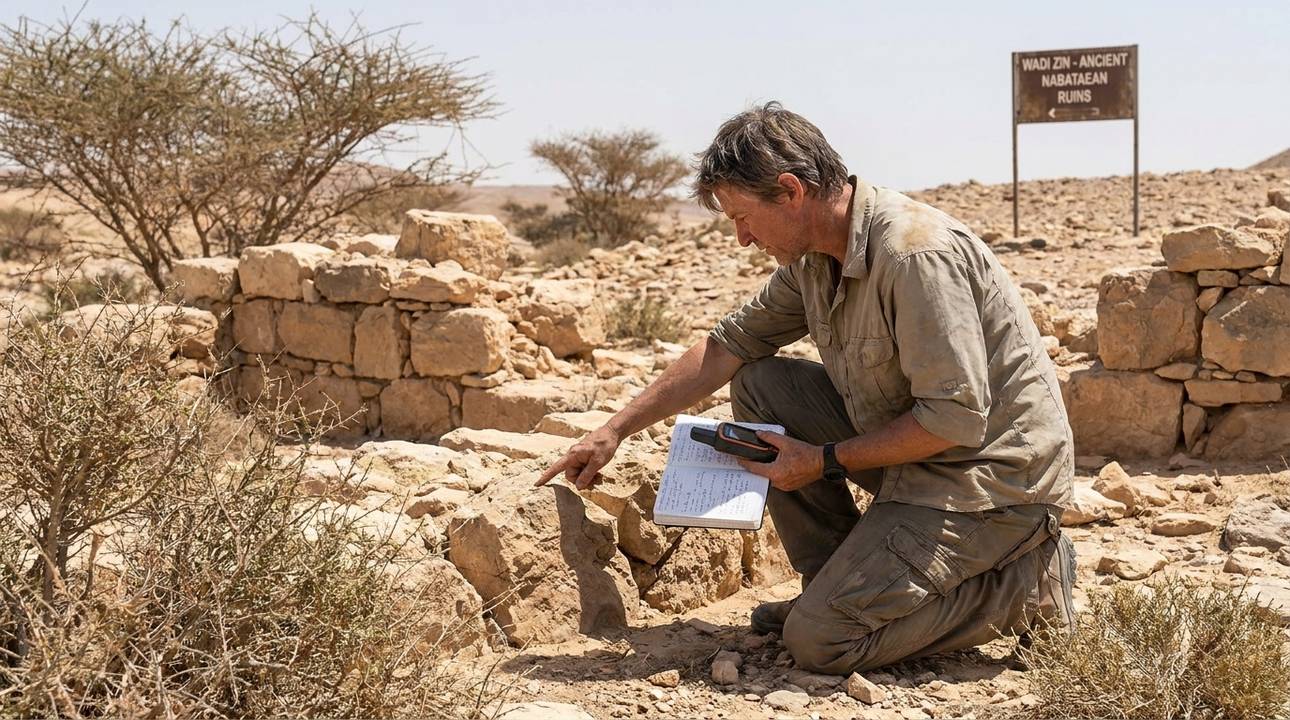
Understanding its geographical and historical setting enriches our reading of these ancient texts, providing context for the narratives.
History of the Wilderness of Zin
Zin served as a significant checkpoint during the Israelites’ journey, as described in historical accounts. Its challenging landscape is referenced metaphorically as a test of endurance, reflecting the trials faced by the Israelites. This region is important in Jewish cultural memory, symbolizing perseverance and guidance.
The experiences of the Israelites in this harsh environment are often seen as lessons in trust, as they navigated the challenges of the desert. Zin is not only a geographical location but also a symbol of the journey, representing perseverance. These narratives continue to resonate with those who seek to understand the deeper meanings of perseverance, offering lessons.
The terrain of Zin necessitated trust and reliance on guidance, as seen in the story of the spies, where they were sent to explore the land.
According to historical texts, spies were sent to explore the land from Kadesh, which was within this wilderness, highlighting the strategic importance of the region.
This exploration helped shape Israel’s history and identity, as it determined their approach to entering the land, influencing their future.
The challenges faced by the spies, including the report of giants in the land, tested the faith of the Israelites. Their experiences in Zin became a defining moment in their journey, influencing their future decisions and shaping their identity. These events are deeply embedded in Jewish cultural memory and continue to be studied for their lessons, showing determination and faith.
Wilderness of Zin in Historical Archaeology
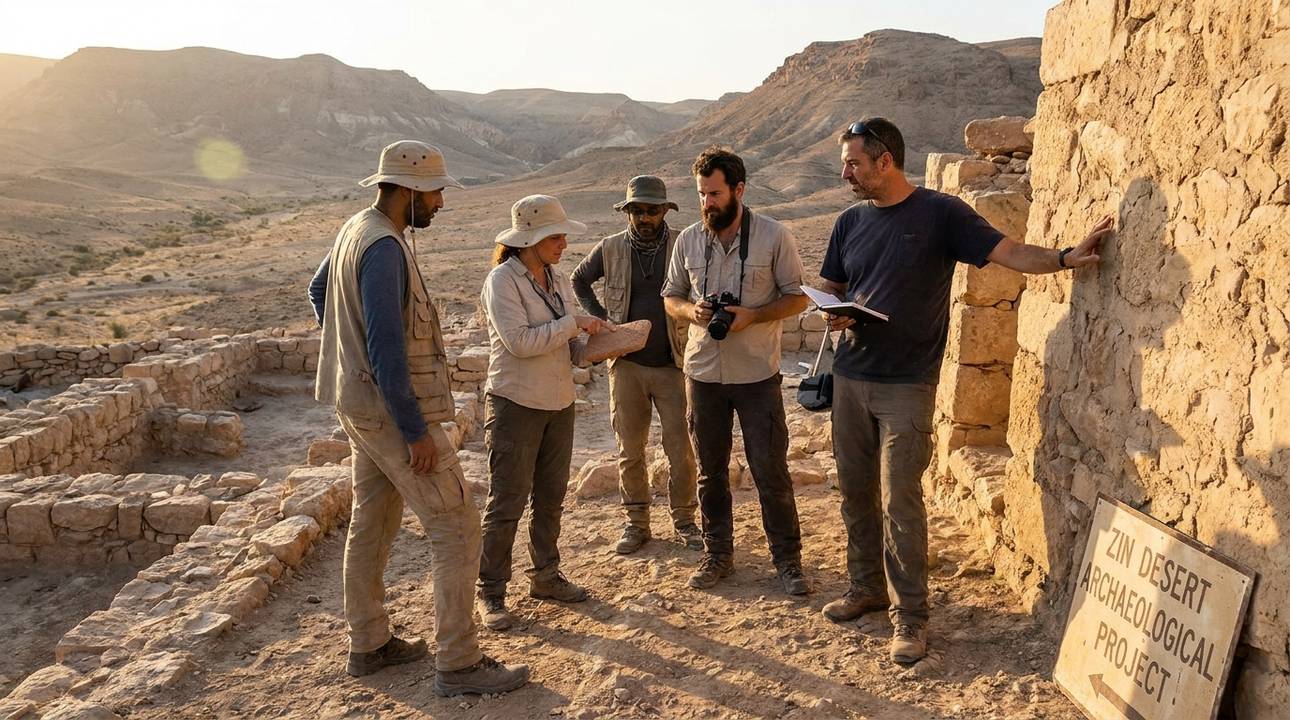
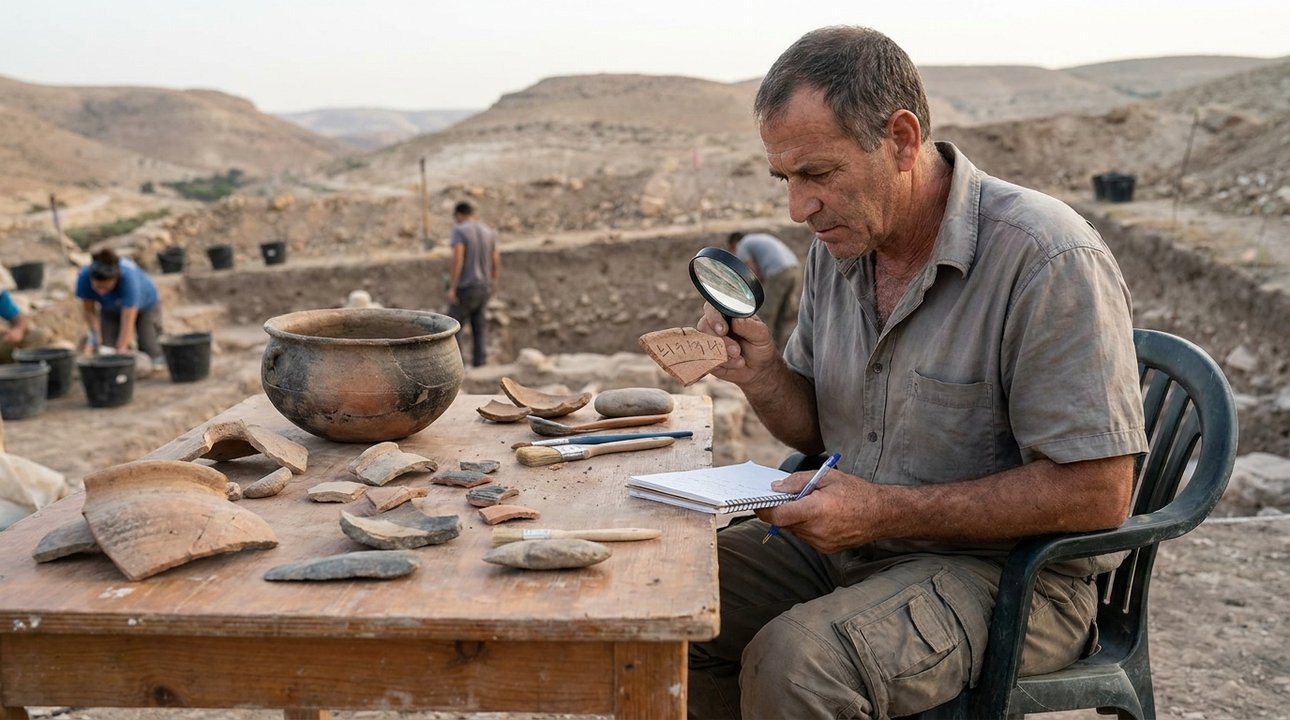
Archaeological findings within Zin provide insight into its historical context, with discoveries like ancient pottery and tools indicating settlement.
Artifacts suggest settlement and use over various periods, aligning with historical narratives.
Researchers continue to study this desert area to uncover more about its past, using advanced technologies like ground-penetrating radar to locate hidden structures.
Sites like Kadesh Barnea in Zin have yielded pottery and inscriptions dating back to historical eras.
These findings offer a glimpse into life during these eras and are crucial for verifying historical accounts.
Such discoveries enrich our understanding of the text’s historical accuracy, as they align with descriptions found in historical texts.
The artifacts found at these sites include everyday items such as cooking pots and tools, providing insight into the daily lives of the people who lived there.
Inscriptions offer clues about the social and political structures of the time, revealing connections to other cultures.
These archaeological finds are invaluable for historians and scholars alike, offering tangible evidence of life in the past.
Where Is the Wilderness of Zin Today?
Today, Zin is located in Israel’s southern region, within the Negev Desert, a vast and arid area.
It remains sparsely populated, characterized by its harsh but striking beauty, attracting those interested in its historical and natural landscapes.
Visitors often explore its trails for historical and natural allure, retracing the steps of ancient travelers who once journeyed through this challenging terrain.
The region’s unique landscape offers a glimpse into the past, with its dramatic cliffs and expansive vistas reminiscent of the scenes described in historical texts.
Hiking through Zin allows for reflection on the perseverance of those who once journeyed here.
This connection to history and nature makes it a meaningful destination for many, offering a tangible link to the stories of determination and faith.
from the Western Wall to Masada.
The desert’s modern boundaries align closely with ancient descriptions found in historical texts, where the borders of the land are delineated.
Efforts to preserve its natural state reflect the region’s ongoing cultural and environmental significance, as it is home to unique flora and fauna that have adapted to the harsh conditions.
It serves as a bridge between past narratives and present appreciation, connecting us to the stories of the Israelites’ journey.
Map Interpretations of the Wilderness of Zin
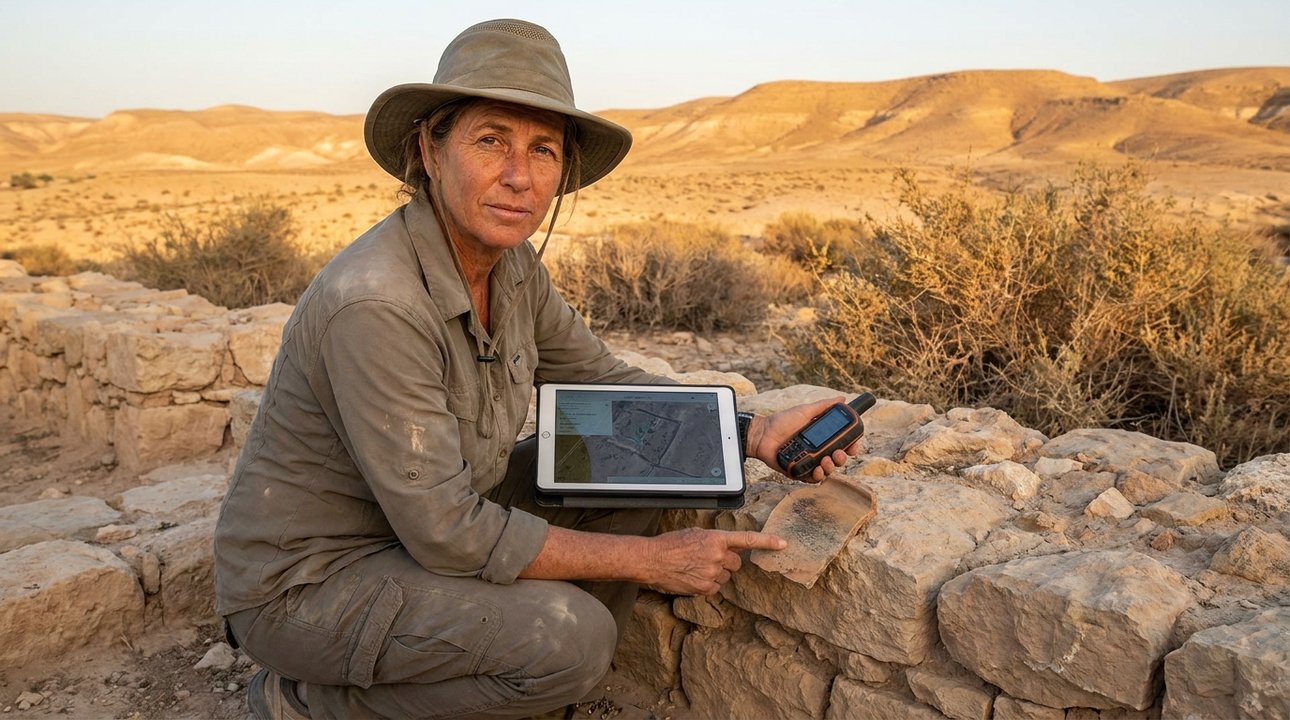
Maps of Zin provide valuable insights into its historical context, highlighting areas where boundaries are described.
These maps showcase boundaries and key locations such as Kadesh and other landmarks significant to the Israelites, offering a clearer picture of their journey.
Interpretations often incorporate archaeological and textual analysis to provide a comprehensive view of the region, enriching our understanding of its history.
The maps are not only tools for navigation but also serve as historical documents that capture the essence of narratives. By examining these maps, researchers can trace the movements of ancient peoples and understand the geopolitical landscape of the time, showing their strategies. This helps in reconstructing the events that shaped the history of the Israelites, providing a clearer picture of their journey and challenges.
Understanding these maps enhances our appreciation of the Israelites’ journey, where they were led by a pillar of cloud by day.
They illustrate the strategic challenges faced by ancient travelers, such as finding water and safe passage through the desert.
By studying these depictions, we gain a clearer view of historical events and the routes taken during the exodus, deepening our understanding of their experiences.
These maps often highlight key locations like Kadesh, which was a significant encampment for the Israelites.
The geographical features depicted help historians understand the logistical challenges faced by the people, such as navigating the rugged terrain.
Such insights are crucial for comprehending the broader narrative of the Israelites’ wanderings, offering a clearer picture of their journey.
Exploration and Research in the Wilderness of Zin
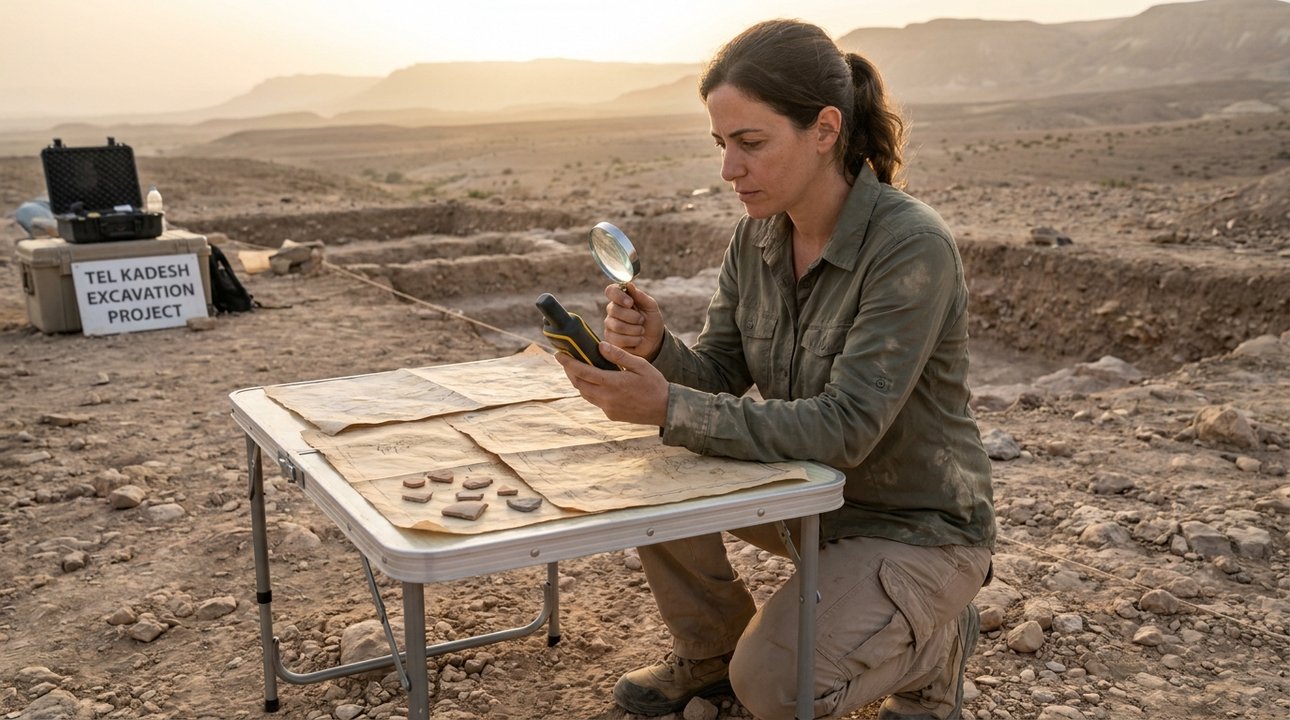
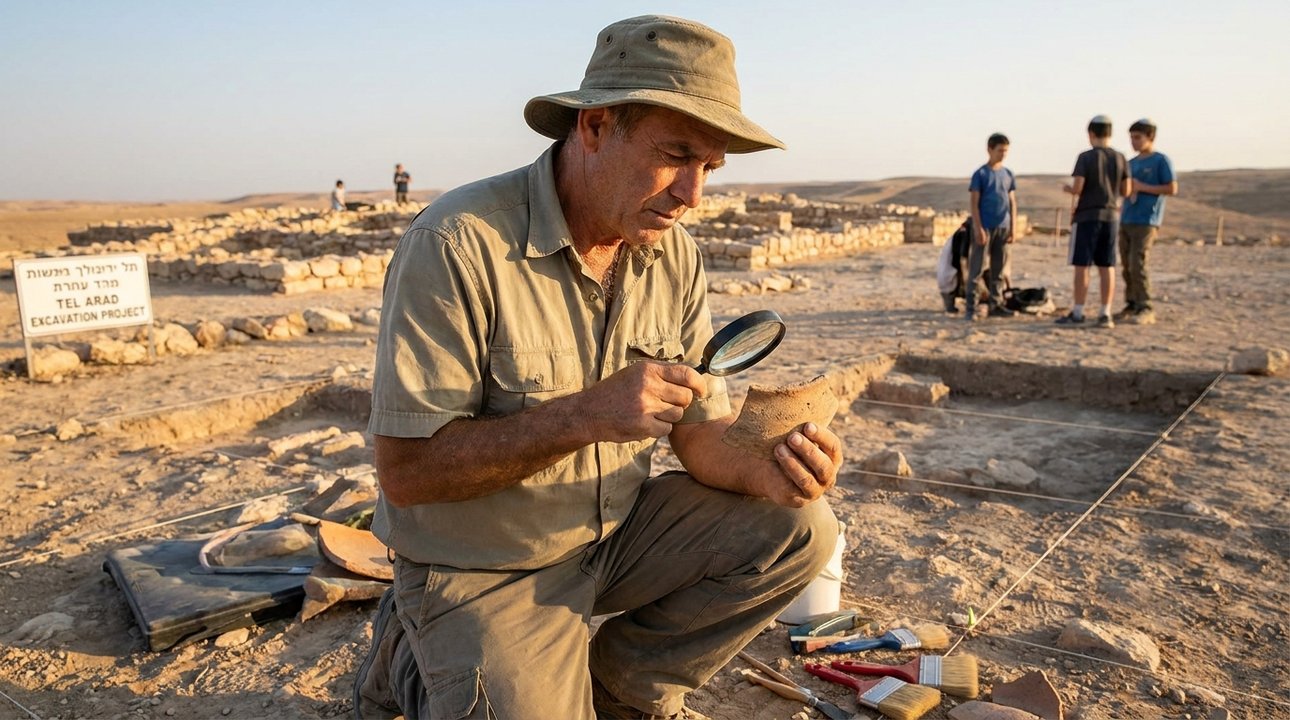
Ongoing research in Zin continues to reveal new findings, with scholars examining sites like Tel Arad, which has provided insights into ancient life.
Researchers analyze archaeological and geographical data to gain fresh perspectives, using tools such as carbon dating to establish timelines.
These efforts contribute to our understanding of ancient life and historical narratives, providing context for stories found in historical texts.
Modern explorers and researchers follow in the footsteps of historical figures.
Their work highlights the area’s enduring mystery and significance, as noted in historical accounts where the land was explored.
Continued investigation offers potential for new discoveries and insights, much like the findings at sites such as Kadesh Barnea.
These explorations are not only about uncovering historical facts but also understanding the cultural and spiritual narratives tied to the land.
The work of archaeologists and historians often sheds light on the daily lives and struggles of ancient peoples who once inhabited these regions.
By piecing together artifacts and ancient texts, researchers hope to bridge the past with the present.
In Summary: the Wilderness of Zin Today
Zin remains an area of intrigue, blending historical and cultural narratives that captivate researchers and visitors alike.
Its location offers valuable insights into ancient and modern contexts, as it was a pivotal area during the Israelites’ wanderings.
Maps and archaeological research continue to uncover its untold stories, revealing new facets of its past and enriching our understanding of the region.
The discoveries made here contribute to our understanding of history and its impact on Jewish heritage, highlighting the importance of sites like Kadesh. Each artifact and site uncovered adds another layer to the complex mix of the region’s history, providing clues about the social and political structures of the time. The ongoing exploration of Zin ensures that its stories remain alive and relevant, offering new insights into ancient life.
Exploring the Wilderness of Zin
