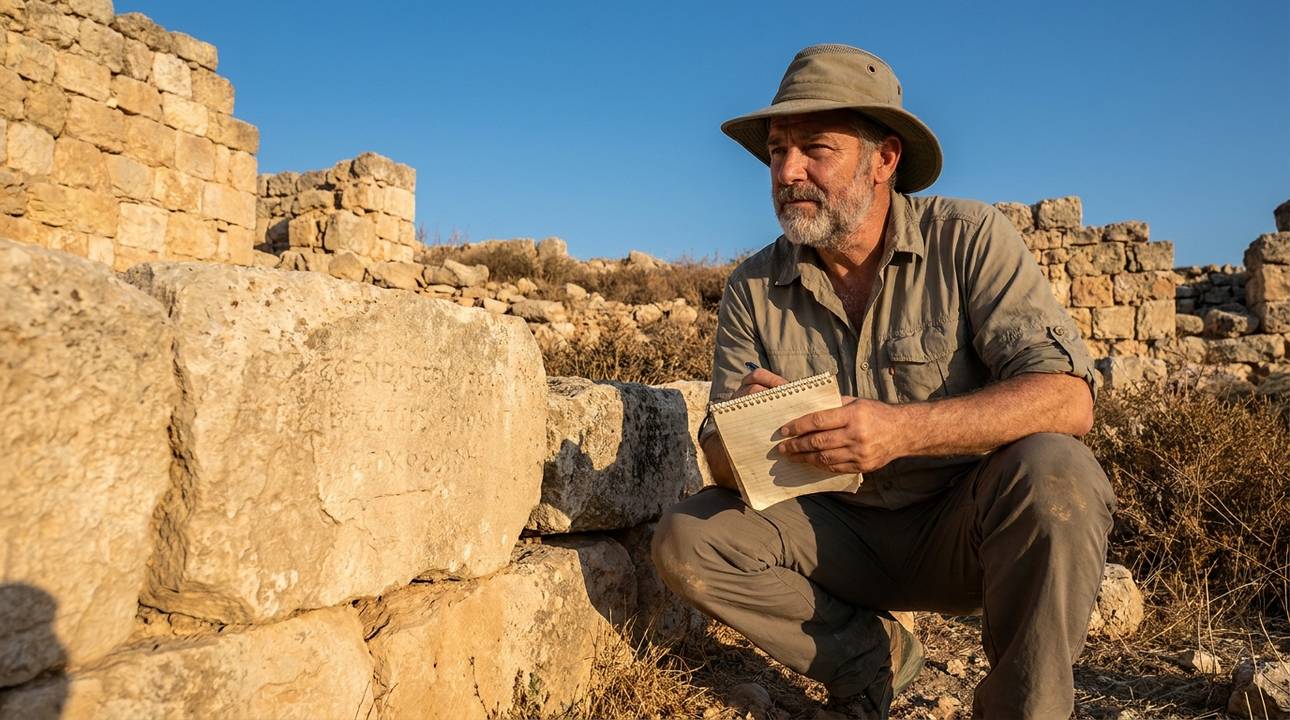
Exploring the Ancient City of Bezer


Bezer is mentioned as one of the cities of refuge, specifically in historical texts. These cities were designated as safe havens for individuals who had accidentally caused harm, providing them protection from retribution. Located in the territory of the Reubenites, east of the Jordan River, Bezer is outlined in historical records. This article delves into the history of Bezer, exploring its role and importance in historical Israel. The idea of cities of refuge highlights the balance between justice and mercy, emphasizing the need for fair treatment and protection.
__INTRO__ The establishment of cities like Bezer reflects the broader legal and ethical framework of historical Israel, where the rights of individuals were safeguarded to prevent unjust punishment. This system of refuge cities is a sign of the advanced legal thinking of the time. By understanding the historical context and significance of Bezer, we can appreciate the enduring influence of these ancient laws on modern legal systems. The justice and mercy that underpinned Bezer’s role continue to resonate in today’s world, offering valuable insights into the evolution of legal practices.
from the Western Wall to Masada.
What Was Bezer in the Bible?
Bezer is mentioned as one of the six cities of refuge. These were designated places where individuals accused of manslaughter could seek asylum from retribution. Situated east of the Jordan River, in the region allocated to the tribe of Reuben, Bezer was strategically positioned to serve this purpose. This refuge provided a crucial function in a society where blood vengeance was a common practice. By legislating these cities, ancient laws aimed to prevent blood feuds and promote justice. The establishment of cities like Bezer reflects the broader legal and ethical framework of historical Israel. These cities were not just places of refuge but also centers for legal proceedings, ensuring that justice was served fairly. The role of the Levites, who were often stationed in these cities, was to provide guidance. This integration of religious and legal authority highlights the interconnectedness of faith and law in historical society, contributing to its stability and cohesion.
Geographical and History
Situated in Gilead, Bezer’s location was strategic, nestled between important trade routes, which facilitated communication and commerce. This area was known for its rugged terrain and fertile lands, making it a vital part of the region’s economy. Bezer’s significance is highlighted as a place of refuge and justice. Its location in the territory set aside for the Reubenites allowed it to play a role in the settlement patterns and administrative structure of historical Israel. The Reubenites, one of the twelve tribes of Israel, were allocated this territory. Bezer’s position not only provided a safe haven but also helped in maintaining the social and legal order within the tribal confederation. Serving as a judicial center where disputes could be resolved, Bezer reflected the broader system of governance in historical Israel. This dual role underscores its importance beyond just a geographical location, contributing to the cohesion and stability of the society.
Bezer in Historical Law
Bezer’s role as a city of refuge is deeply embedded in historical law. These laws were established to provide sanctuary and to ensure a fair trial for individuals who accidentally caused the death of another. The revolutionary idea of cities of refuge offered protection and due process over vengeance. It emphasized the value of human life and the need for justice, balancing mercy with accountability. This legal framework was crucial in a society where blood vengeance was a common practice. The cities of refuge, including Bezer, were strategically placed throughout the land to be accessible to all, ensuring that anyone in need could reach safety quickly, highlighting the importance of accessibility in ancient legal systems. The presence of these cities also served as a reminder of the collective responsibility to uphold justice and protect the innocent. By legislating such cities, ancient laws aimed to prevent blood feuds and promote peace within the community, reflecting a sophisticated understanding of law and order.
The Role of Bezer in Israelite Society
As a city of refuge, Bezer played a key role in maintaining social order and justice. These cities were established to ensure that those who committed unintentional manslaughter could find asylum, preventing blood feuds. This legal framework was crucial in the community, reflecting a society that valued both protection and justice. The cities of refuge concept mirrors a societal structure that values protection for those in dire circumstances while upholding collective norms of justice. It was a system that emphasized fairness.
from the Western Wall to Masada.
Modern Understanding of Bezer
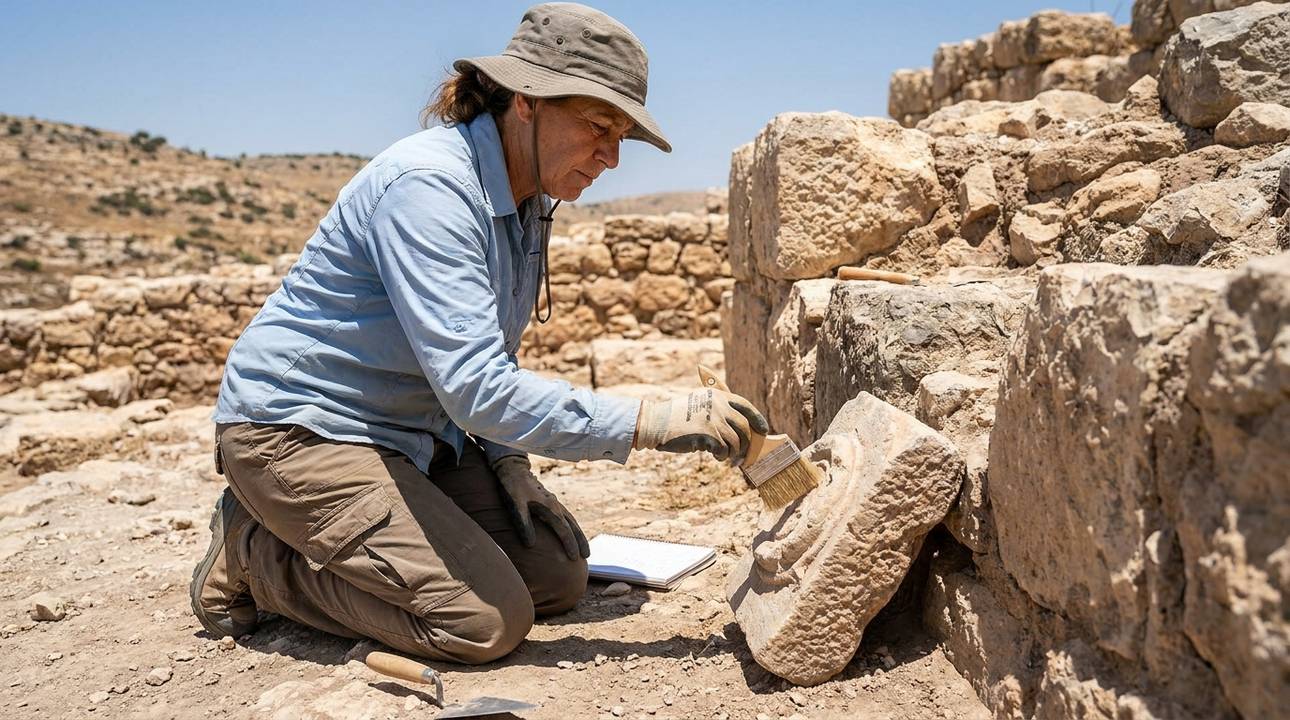
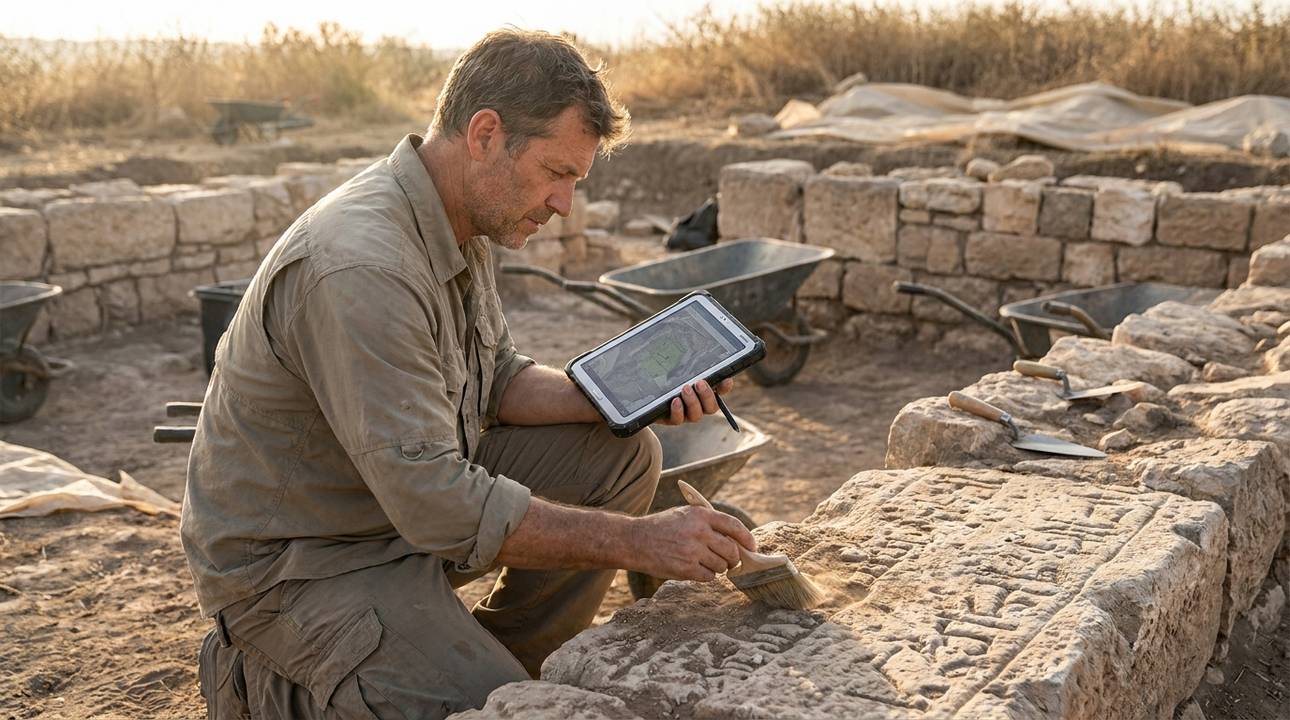
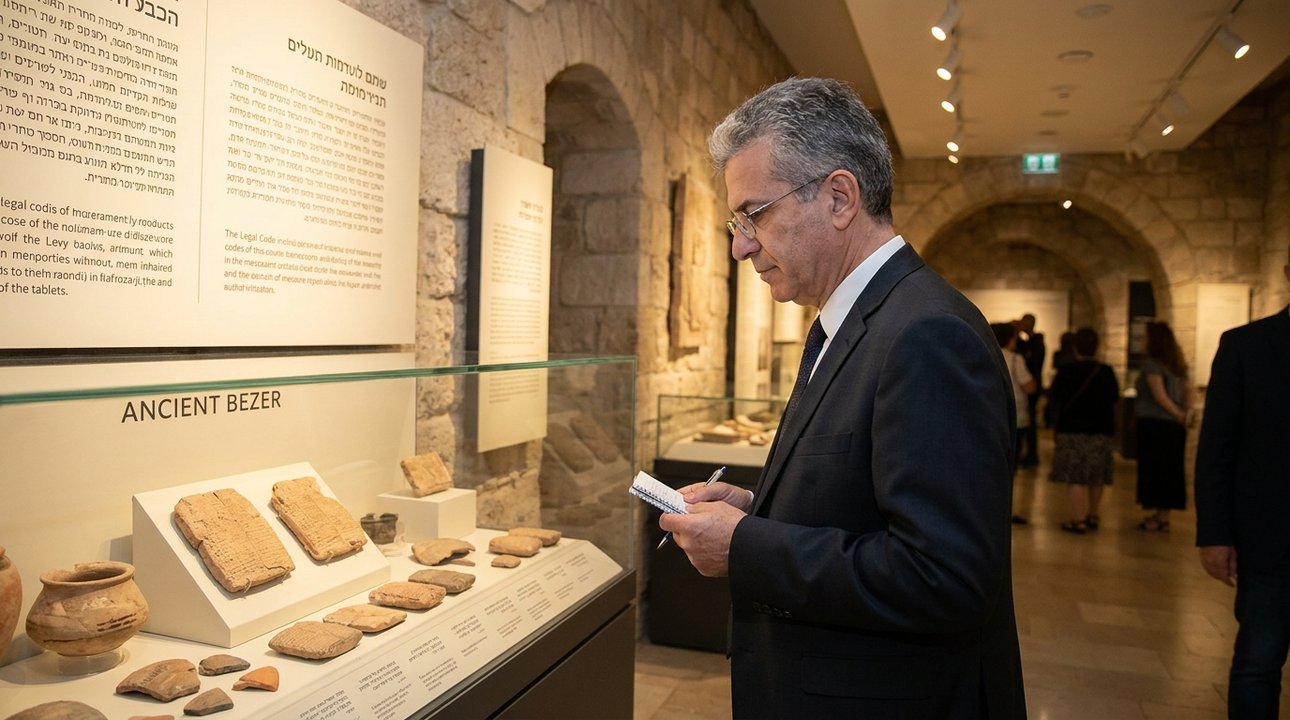
Today, Bezer’s exact location remains a subject of archaeological interest. Scholars study ruins and artifacts to understand more about its significance and the everyday lives of its inhabitants. Believed to have been located in the region of Moab, Bezer is indicated in historical texts. Symbolizing a blend of law, refuge, and community, Bezer illustrates the complexities of historical society. It stands as a sign of the sophisticated legal systems that existed, showing ancient governance and the role of cities in maintaining social order. Archaeological efforts continue to uncover new information about Bezer, shedding light on its infrastructure and role in the broader context of historical civilization. These discoveries help us piece together the daily lives of those who lived in Bezer and their interactions with neighboring regions. By examining the physical remnants, we gain a deeper understanding of the cultural and legal frameworks that shaped Bezer’s society. This ongoing research highlights the importance of archaeology in preserving and interpreting the history of ancient cities.
Bezer: Legacy and Lessons
In reflecting on Bezer, we see its legacy as a place of safety and justice. As a city of refuge, it provides modern readers with insights into the values and priorities of historical society. Understanding such places allows us to appreciate the intricate systems that shaped law and societal norms, offering valuable lessons in justice and community. This legacy is still remembered in contemporary legal principles. The ideas of refuge and protection embodied by Bezer are echoed in modern legal systems, where the rights of the accused are safeguarded to ensure fair trials. This ancient concept of sanctuary remains relevant today, emphasizing the importance of mercy and justice. The history of Bezer and similar cities underscores the enduring impact of historical laws on current legal frameworks. By studying these ancient systems, we gain a deeper understanding of how they continue to influence our approach to justice and community in the modern world.
Bezer’s Influence in Contemporary Culture
While largely unexamined in contemporary culture, Bezer’s principle of refuge continues to resonate in modern legal systems. The idea of sanctuary for those in need of protection is echoed in asylum laws today, reflecting the ancient message of mercy embodied by Bezer. Exploring Bezer’s historical narrative reveals its continuing influence on today’s societal and legal frameworks. Its role as a place of refuge is a reminder of the enduring importance of justice and protection in human societies, emphasizing the timeless need for sanctuary and fairness. The values upheld by Bezer are mirrored in modern concepts of human rights and the protection of the vulnerable. This ancient city’s legacy is seen in the ongoing efforts to ensure that justice systems worldwide prioritize the rights and dignity of individuals. Studying Bezer allows us to appreciate how ancient laws have shaped contemporary legal practices. This connection between past and present highlights the enduring relevance of historical teachings in promoting justice and compassion in society, reinforcing the timeless nature of these values.
Conclusion: Why Study Bezer?
Studying Bezer offers profound insights into the workings of historical society and its legal customs. First mentioned as a refuge city for the tribe of Reuben, it symbolizes justice and sanctuary, providing a meaningful connection to the past. Exploring Bezer enhances our understanding of how ancient values continue to shape modern life and inspire global systems of justice. The ideas of refuge and fairness found in Bezer’s story resonate in today’s legal practices, reminding us of the timeless nature of these ideals. The idea of cities of refuge, like Bezer, highlights the importance of protecting individuals from unjust retribution while ensuring that justice is served. This balance between mercy and accountability is a cornerstone of modern legal systems. The legacy of Bezer and its role in historical society offer valuable lessons for contemporary governance and community building. By examining these historical precedents, we can better appreciate the complexities of justice and the enduring influence of historical principles on today’s world.