
Understanding Hamonah in Today’s Context


Hamonah, mentioned in the prophecy of Ezekiel, intrigues many for its mysterious role in ancient texts. Today, scholars explore its potential locations and historical context.
While its exact location remains uncertain, Hamonah is thought to have been significant in the region’s historical geography. This article delves into Hamonah’s background and its relevance today, highlighting its mention as a key reference point. The description of it as a burial site adds to its significance in the narrative.
Exploring this site provides a clearer view of the prophetic visions that shaped narratives. Scholars and enthusiasts alike seek to uncover the mysteries surrounding Hamonah. This quest not only expands our knowledge of ancient texts but also enhances appreciation for the complex narratives that have influenced thought throughout history.
from the Western Wall to Masada.
The mystery of Hamonah’s location has led to various theories, with some suggesting it could be near ancient trade routes or significant battle sites. These theories are based on historical and geographical analyses of the region described in ancient texts.
This speculation fuels both historical and theological discussions, as researchers seek to understand its role in historical events. The exploration of Hamonah not only adds to our knowledge of history but also enhances our appreciation of its cultural dimensions.
The search for Hamonah encourages scholars to examine the broader context of prophecies. By exploring possible locations and historical connections, researchers aim to bridge gaps in our understanding. This ongoing exploration highlights the importance of Hamonah in history, inviting both scholars and enthusiasts to delve deeper into the mysteries of ancient texts and their enduring impact on beliefs.
What Is Hamonah?
Hamonah is mentioned briefly in ancient texts. Specifically, it’s identified as the place for burying the hordes defeated in the battle. The battle described is part of a larger prophecy concerning the end times and the defeat of adversaries.
These figures are often interpreted as symbolic of future adversaries. The prophecy suggests a time of great conflict followed by renewal, with Hamonah playing a key role in the aftermath of these events.
Hamonah’s name itself means ‘multitude’ or ‘abundance,’ aligning with its narrative role. This name reflects the sheer number of those to be buried there, emphasizing the magnitude of the event. The significance of Hamonah in this context highlights its importance in the prophetic vision. It serves as a reminder of the themes of judgment and restoration that are central to many prophecies, showing the historical dimensions of these ancient texts.
The search for Hamonah offers insights into both ancient interpretation and the quest for historical facts. Archaeologists and scholars alike are intrigued by its potential location, which remains a mystery.
Some suggest it could be near the Valley of Hamon-Gog, while others propose different sites based on historical and geographical clues. The Valley of Hamon-Gog is described as a burial site for the multitudes, adding a layer of intrigue to the search for Hamonah.
This ongoing exploration not only seeks to uncover Hamonah’s physical location but also aims to deepen our understanding of its role in prophecy. Through ancient texts and archaeological evidence, scholars hope to piece together the puzzle.
Research into Hamonah is a journey into the past, offering insights into the lives and beliefs of ancient peoples. Each theory and discovery enriches our understanding of the narrative and its impact on cultural and religious history.
Where Could Hamonah Have Been Located?
Various theories have placed Hamonah in regions traditionally associated with prophetic battles, but its exact location hasn’t been conclusively identified. Some scholars suggest it could be in the northern part of the region.
This aligns with the locations of other prophetic events described in ancient texts. Theologians and historians suggest it may align with other archaeological sites mentioned in prophecies, though no concrete evidence has yet been found.
This mysterious uncertainty keeps Hamonah an intriguing subject for scholars and enthusiasts alike, as they continue to explore its cultural and historical context. The search for Hamonah is a journey into the past.
It offers insights into the lives and beliefs of ancient peoples, enriching our understanding of the narrative and its impact on cultural and historical studies. Each theory and discovery adds depth to the story of Hamonah and its place in history.
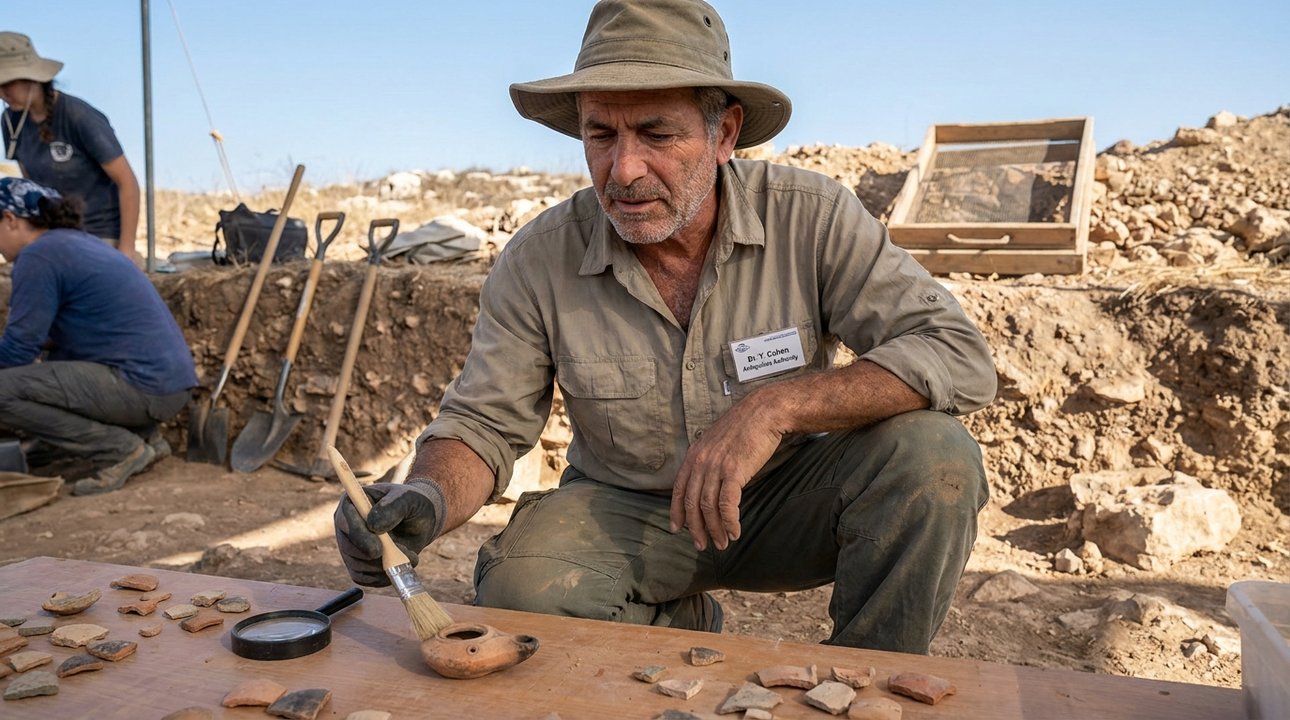
Hamonah’s Role in Prophecy
Ezekiel’s prophecy regarding Hamonah connects to a future battle and subsequent purification, highlighting themes of renewal and intervention. It is said that the house of Israel will be burying the dead for seven months to cleanse the land.
This process symbolizes purification and restoration, offering a view into the prophetic vision of a renewed land. Understanding this helps contextualize Hamonah within broader theological narratives involving restoration and the promise of future peace.
The prophetic role amplifies Hamonah’s importance beyond mere geography, embedding it within expectations of a future age where peace and renewal are promised. This vision of a cleansed and restored land resonates with themes of hope and redemption.
Examining Hamonah and its place in these prophecies offers insights into the dimensions of narratives, encouraging reflection on the themes of judgment and renewal that are central to many prophetic texts.
Cultural Role and Symbolism
In various traditions, locations like Hamonah often symbolize deeper truths or reflect communal hopes. The mention of Hamonah, therefore, serves not only historical interest but also cultural symbolism, representing ideas of justice and fulfillment. These themes are echoed in other locations such as Zion, which is often seen as a symbol of hope and redemption. This symbolic layer is interpreted by scholars and religious figures today, who see Hamonah as a metaphor for the ultimate realization of prophetic visions. Such interpretations enrich the cultural mix of identity.
The symbolic importance of Hamonah is further emphasized in teachings, where it is seen as a representation of the fulfillment of divine promises. This interpretation is supported by references to other prophetic locations in the Bible.
Zion and Jerusalem, for example, also carry deep spiritual significance, serving as symbols of divine presence and promise. The ongoing study of Hamonah enriches our understanding of these themes and their impact on cultural identity.
Exploring these connections, scholars and believers alike find renewed inspiration in the ancient texts, drawing parallels between past prophecies and present-day hopes. The study of Hamonah offers insights into the enduring relevance of narratives. These stories guide individuals on their journeys, highlighting the significance of exploration and its impact on personal growth and understanding.
from the Western Wall to Masada.

Hamonah’s Influence on Modern Studies
Theories about Hamonah continue to impact archaeological exploration and theological study. Scholars often reference ancient texts when discussing Hamonah, as it is one of the few mentions. The description as a burial place sparks interest in its historical context.
Investigating its possible locations, such as near the historic city of Megiddo, researchers strive to bridge historical gaps and enrich our understanding of past civilizations. Megiddo itself is a site of many historical battles, adding layers to the exploration of Hamonah.
The pursuit of knowledge keeps the debate around Hamonah alive and vibrant, encouraging new discoveries and interpretations. Archaeologists and theologians work together, using both ancient texts and scientific methods to uncover clues.
The search for Hamonah not only contributes to scholarship but also inspires personal reflection on the narratives that continue to shape beliefs. Each discovery, whether a new theory or archaeological find, adds depth to the story of Hamonah and its place in history.
Archaeologists are particularly interested in how Hamonah might relate to other significant sites mentioned in ancient texts, like Jerusalem or Jericho.
These cities have well-documented histories and are often referenced in narratives, providing a rich context for understanding Hamonah’s potential significance. The ongoing research not only sheds light on the past but also influences contemporary theological perspectives.
This dynamic interaction between history and theology ensures that Hamonah remains a topic of lively academic discussion and public interest, as it bridges the gap between ancient texts and modern understanding.
Hamonah in Modern Literature
Beyond theological study, Hamonah finds its way into literature, inspiring works that explore themes. Authors such as Chaim Potok have used historical settings to delve into human experiences, and Hamonah serves as a metaphorical backdrop in narratives exploring journeys. This resonates with readers, reflecting the significance of exploration and its impact on personal growth and understanding. Potok’s storytelling often intertwines personal struggles with broader themes, showing the human condition.
By weaving these ancient themes into modern stories, authors help bridge the gap between past and present, allowing readers to find relevance and meaning in their own lives. The use of Hamonah as a symbol enriches these narratives. This connection invites readers to reflect on their own journeys, drawing parallels between the challenges faced by characters and their personal experiences. The exploration of Hamonah in literature engages readers, offering lessons and insights.
The use of Hamonah in literature often parallels its mysterious nature in ancient texts, inviting readers to ponder the deeper meanings behind stories. Authors like Chaim Potok have drawn inspiration from themes, using them to explore complex human experiences and journeys.
This literary exploration not only enriches the narrative but also connects readers to the historical dimensions of the text. Potok’s works often delve into the struggles and triumphs of individuals seeking meaning, reflecting the significance of exploration.
Such works inspire new generations to explore their own paths, reflecting on the lessons found within these ancient stories. By weaving themes into modern narratives, authors help bridge the gap between past and present. This connection allows readers to find relevance and meaning in their own lives, drawing parallels between the challenges faced by characters and their own personal journeys. Hamonah, as a symbol, enriches these narratives, offering depth and insight into the human experience.

Conclusion
Hamonah remains a part of the study, cherished for its enigmatic nature. Although its exact location is unknown, its mention in prophecies continues to invite exploration and discussion. Scholars debate whether Hamonah was a real place or a symbolic representation within the prophetic narrative. Some suggest it might have been near the Valley of Hamon-Gog, adding to its mystery. This ongoing debate highlights the importance of Hamonah in understanding prophecy.
In essence, Hamonah exemplifies the continuing journey of understanding our shared historical and spiritual past. It encourages scholars and enthusiasts alike to delve deeper into texts, seeking connections and insights. This endeavor not only enriches our knowledge of ancient texts but also fosters a deeper appreciation for the complex narratives that have shaped thought throughout history. Investigating Hamonah is a sign of the enduring intrigue of mysteries.
The intrigue surrounding Hamonah fuels ongoing research and scholarly debate, with some suggesting it could be linked to the Valley of Hamon-Gog. This connection adds another layer to its mystery and significance.
The Valley of Hamon-Gog is described as a burial place for the multitudes defeated in the prophesied battle. This association with significant events enhances the importance of uncovering Hamonah’s location, contributing to the broader understanding of prophetic narratives.
The quest to uncover more about Hamonah is a sign of the enduring fascination with history and its relevance to modern exploration. Scholars continue to analyze texts and archaeological evidence to piece together its story. This endeavor not only enriches our understanding of ancient texts but also fosters a deeper appreciation for the complex narratives that have shaped thought throughout history. Research into Hamonah is a journey into the past, offering insights into the lives and beliefs of ancient peoples.
Understanding Hamonah Today
