
Exploring the Valley of the Travelers in Historical Times


The Valley of the Travelers is a captivating location mentioned in ancient texts such as Genesis and Exodus. It served as a route and a meeting ground for many ancient peoples, linking diverse cultures. This area was not just a geographical feature but a vital artery for trade and communication.
This article unravels the layers of its historical role, its geographical significance, and how it connects to our understanding of ancient narratives. For example, ancient kings moved through these regions, illustrating their strategic importance.
The importance of these valleys is further highlighted in the story of the Exodus, where the Israelites’ journey through the wilderness involved traversing various landscapes. These routes were essential for their survival and eventual settlement.
Additionally, the Valley of the Travelers can be compared to the ancient trade routes of the Incense Road, which connected the Arabian Peninsula with the Mediterranean, facilitating the exchange of valuable goods like spices and incense.
from the Western Wall to Masada.
What Is the Valley of the Travelers?
Known for its strategic positioning, this corridor has long been a significant passage. It facilitated movement and trade between regions, contributing to its historical prominence. The area is often linked to the Jezreel Valley, a site of many historical events. Various tribes and merchants traversed this path, making it a vital link in the region. Its exact location sparks debate among scholars, yet it is often associated with areas known for historical paths and trade routes, where traders passed by.
Historical References in the Bible
While not named explicitly in many records, the concept of valleys used for travel appears in narratives describing journeys and exoduses. These passages across ancient lands were more than mere landforms; they were lifelines for communities seeking sustenance and connection.
The role of these areas as settings for movement and exchange is evident in many stories, highlighting their cultural and historical role. The Valley of Kishon is mentioned as a site of strategic military importance, where significant battles were led.
This region also shares similarities with the Valley of Jezreel, known for its fertile land and strategic location. It was a crucial agricultural hub and a battleground for many conflicts.
Furthermore, its significance is echoed in the story of a journey marked by a turning point in the life of historical figures and the history of the people.
The Geography of the Valley of the Travelers
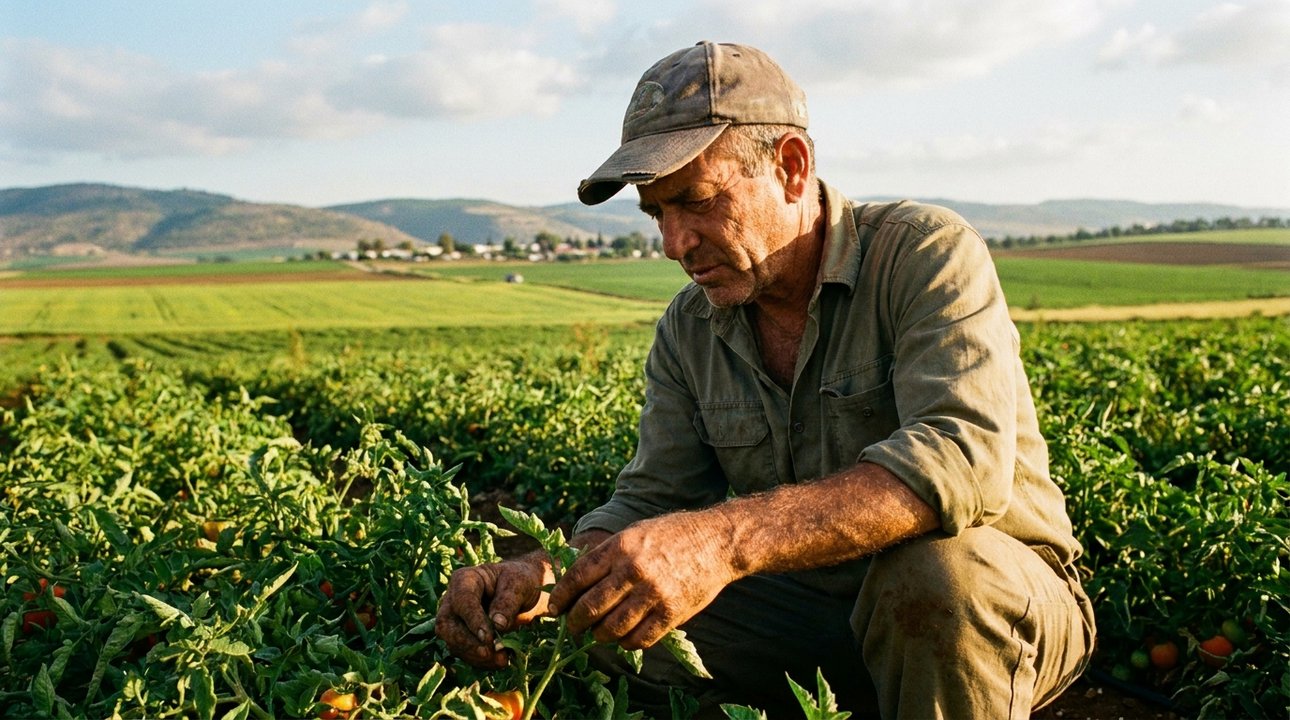
The geography of this area made it a natural choice for travel in earlier times. Situated between key locales like Jerusalem and Jericho, it offered a traversable landscape amidst challenging terrain. This strategic location is mentioned in historical texts, highlighting its importance.
Its accessibility encouraged the movement of goods and ideas, cementing its role in the prevalence of trade and cultural interactions.
Today, these paths are subjects of study and interest, as researchers seek to map ancient routes and understand their modern implications, using tools like satellite imagery.
This area also mirrors the significance of the Via Maris, an ancient trade route that connected Egypt with the northern empires of Syria and Mesopotamia. This route facilitated the exchange of goods, culture, and ideas across vast regions. Additionally, its history is akin to the ancient network of Roman roads, which facilitated the expansion of the Roman Empire by connecting distant territories. These roads were vital for military, trade, and cultural exchanges, much like the ancient paths of this region.
Cultural Impact and Connectivity
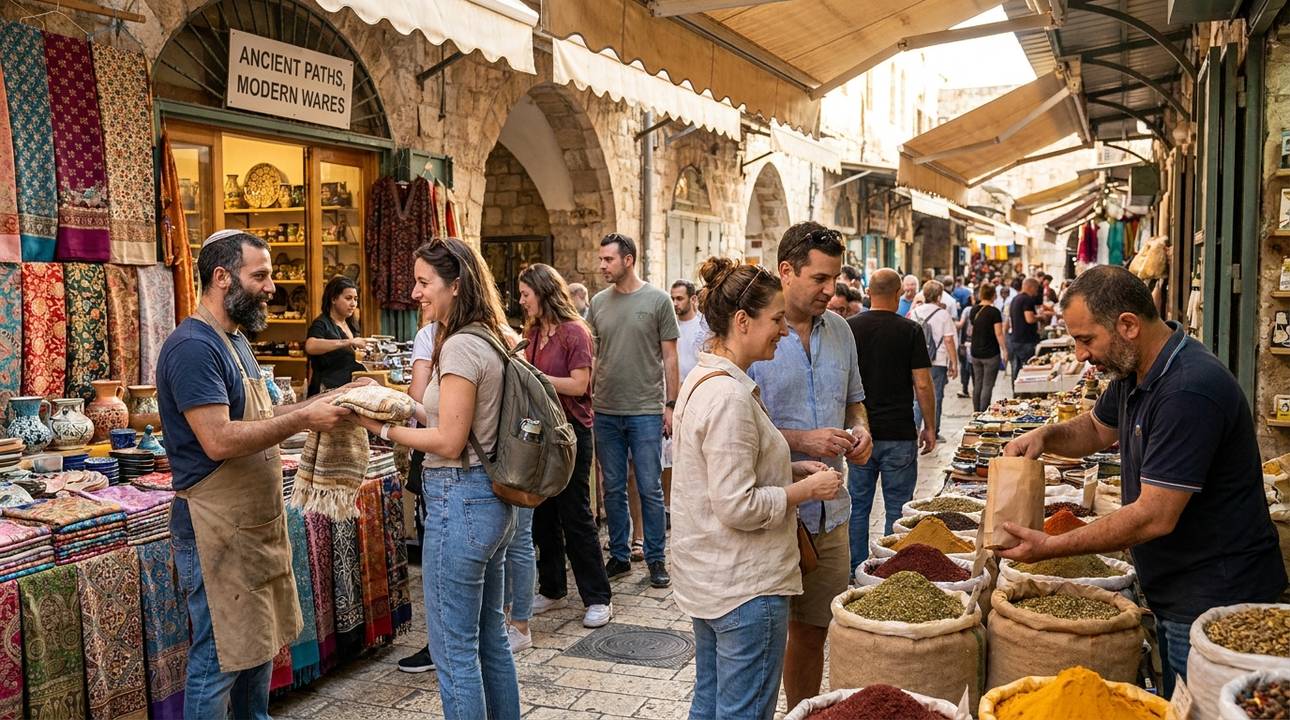
This area promoted cultural exchange, bringing diverse groups into interaction. This exchange enriched the local economies and knowledge bases of those involved. For instance, traders from Mesopotamia might encounter Egyptian merchants, sharing goods like textiles and spices.
Travelers passing through would often share stories, traditions, and goods, fostering a network of exchange that influenced regional development. Such interactions laid the groundwork for a connected society where ideas spread across vast distances, similar to the Silk Road’s impact centuries later.
Modern Understanding of the Valley
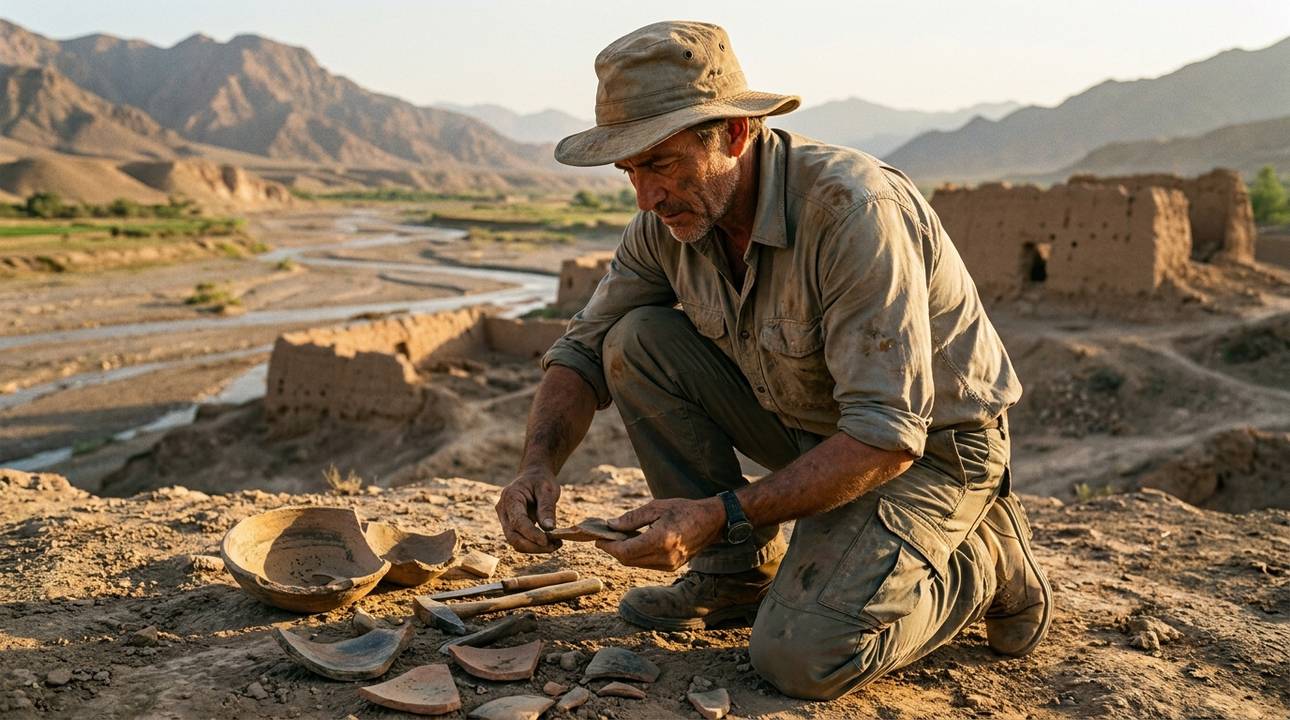
Today, this region is studied for its archaeological significance. Excavations and research continue to reveal its past, showing the lives of those who traversed it. Artifacts such as pottery and tools have been uncovered, shedding light on daily life. Though modern development has altered much of its original landscape, scholars attempt to retrace the footsteps of ancient travelers. This ongoing research unveils stories of survival, adaptation, and innovation that characterized life along these routes, akin to the discoveries in the Valley of Elah.
This area also shares similarities with the archaeological findings in the Valley of Hinnom, where ancient burial sites and artifacts have been discovered, providing a glimpse into the cultural practices of the past. Additionally, its history is akin to the ancient trade routes of the Silk Road, which connected the East and West, facilitating cultural exchanges that shaped civilizations. Such routes were crucial for the spread of ideas, goods, and technologies.
from the Western Wall to Masada.
Relevance of the Valley Today
The legacy of this region endures, illustrating human persistence and connection. It reminds us of the importance of pathways and their power to link communities. In the modern world, understanding these ancient routes enriches our heritage and offers lessons on cultural interconnectedness and resilience. This area stands as a sign of the enduring nature of travel and exchange throughout human history.
This area also reflects the journeys of historical figures who traveled through the land. These stories illustrate how valleys served as conduits for encounters and personal transformation.
Moreover, its role in trade and communication is reminiscent of the ancient Silk Road, which connected the East and West, facilitating cultural exchanges that shaped civilizations. Such routes were crucial for the spread of ideas, goods, and technologies.
The Valley as a Symbol of Movement and Hope
The history of this region is a symbol of movement and hope, representing the ever-present human desire to explore and connect. It echoes the stories of those who ventured through its paths, seeking new beginnings or sustaining old truths.
As a conduit for culture and commerce, it shaped the narratives of countless individuals who left their mark upon its soil. The journey through these areas emphasizes their role in the quest for new lands.
This journey symbolizes resilience in the face of uncertainty.
This area also parallels the journey of historical figures who traveled from one region to another. Their story highlights themes of loyalty, family, and new beginnings. Moreover, its history can be compared to the ancient network of Roman roads, which facilitated the expansion of the Roman Empire by connecting distant territories. These roads were vital for military, trade, and cultural exchanges, much like the ancient paths of this region.
Exploring the Valley of the Travelers Today
While modern travelers may not walk ancient paths, the spirit of this region lives on. Its story offers valuable lessons about the significance of journeying and connection in our own lives.
By understanding its history, we gain insight into the enduring threads that bind us together across ages and geographies.
The area’s story is reminiscent of the journeys described in ancient texts, where travelers traversed challenging landscapes in search of a new home, highlighting themes of perseverance and community.
This area also mirrors the account of historical journeys, highlighting themes of loyalty and new beginnings. In addition, its history is akin to the ancient Roman roads, which facilitated the expansion of the Roman Empire by connecting distant territories. These roads were vital for military, trade, and cultural exchanges, much like the ancient paths of this region.
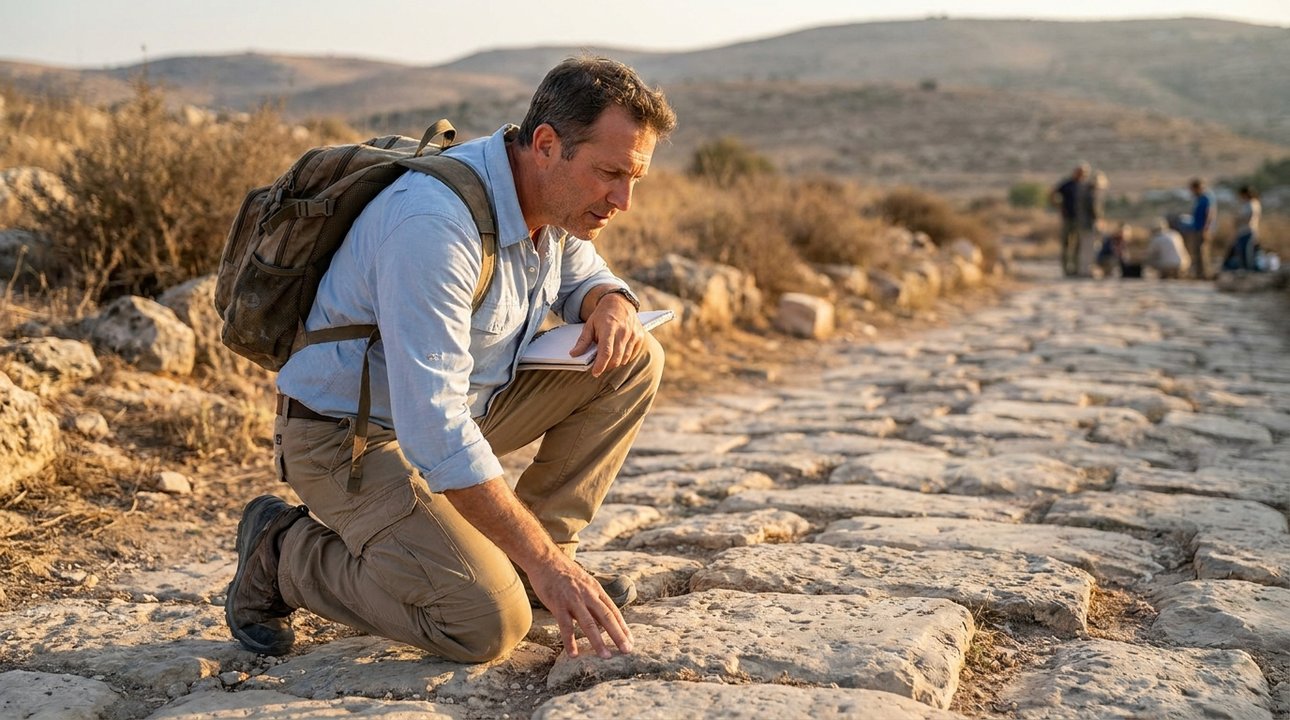
The Valley’s Role in Historical Narratives
Throughout historical accounts, valleys symbolize passages, both literal and metaphorical. This region holds a place in this complex weave, demonstrating the importance of passage and transformation.
As a historical pathway, it served as a backdrop for movements that shaped the narratives and histories of ancient peoples. The Valley of Elah is another example where significant events unfolded, highlighting the strategic use of valleys in historical times.
These areas were often sites of battles or encounters, marking pivotal moments in history.
This region also mirrors the story of the Valley of Siddim, where the battle of the kings took place. It was a setting for conflict and alliances that influenced the course of history.
Moreover, its significance is echoed in the story of a journey marked by a turning point in the life of historical figures and the history of the people.
Understanding the Valley
