
Understanding Edom and Its Modern Location


Edom, located south of the Dead Sea, was known for its rugged landscape and strategic importance. Historically, it bordered Moab, and its capital, Bozrah, was a notable center. Edom’s role in ancient trade was significant. It controlled routes linking Arabia with the Mediterranean, facilitating the exchange of goods such as copper and incense, which bolstered its economy. The King’s Highway, a major trade route, traversed Edom, enhancing its economic influence in the region.
Culturally, Edom’s interactions with neighboring peoples were complex. Thought to be descendants of Esau, the Edomites had a history of both conflict and cooperation with Israel. Their legacy continues to intrigue historians and archaeologists, who are uncovering more about Edom’s role in the ancient Near East. Excavations in sites like Bozrah provide insights into Edomite society, including their religious practices and social structures, which were distinct yet influenced by neighboring cultures.
from the Western Wall to Masada.

What Was Edom in Historical Times?
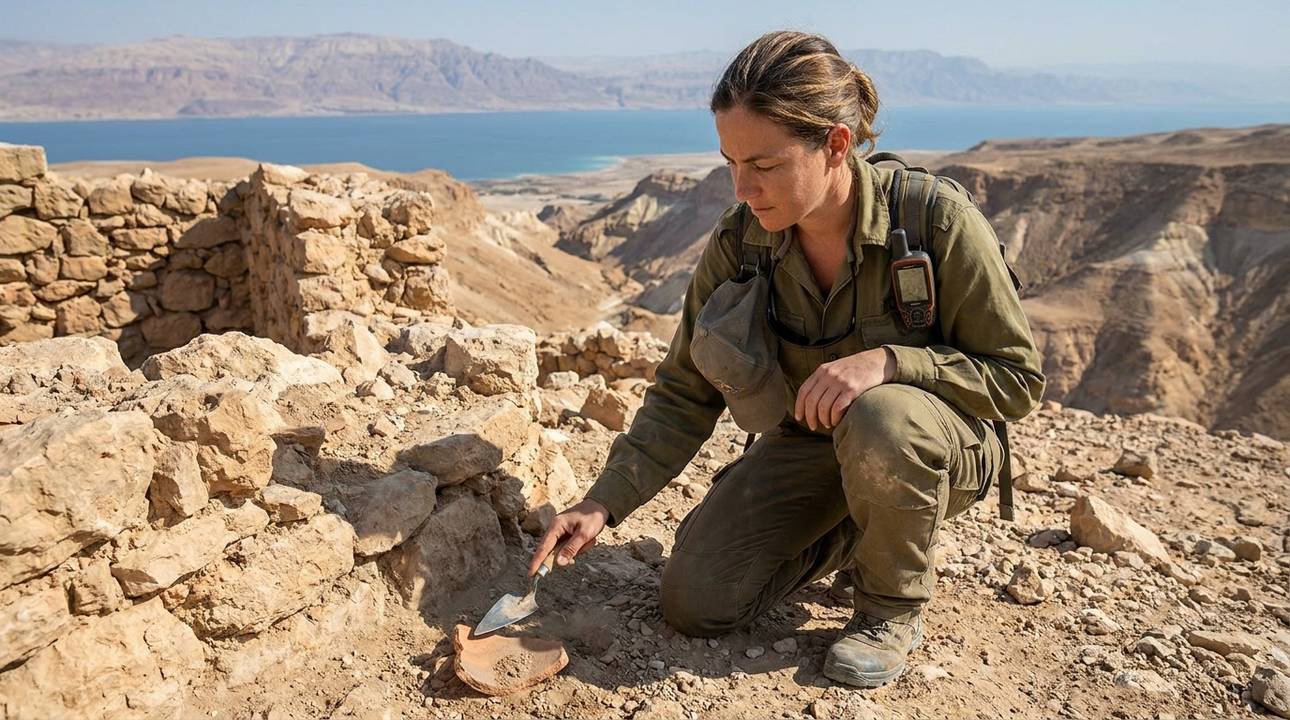
Edom was an ancient region inhabited by the descendants of Esau, the brother of Jacob. Their territory stretched from the southern Dead Sea to the Gulf of Aqaba, characterized by its mountainous terrain. The region’s geography was strategic for trade routes connecting Asia and Africa, including the King’s Highway, a major trade artery. This position allowed them to manage these vital routes, influencing trade and commerce in the region, as noted in various historical accounts.
Where Is Modern-Day Edom Located?
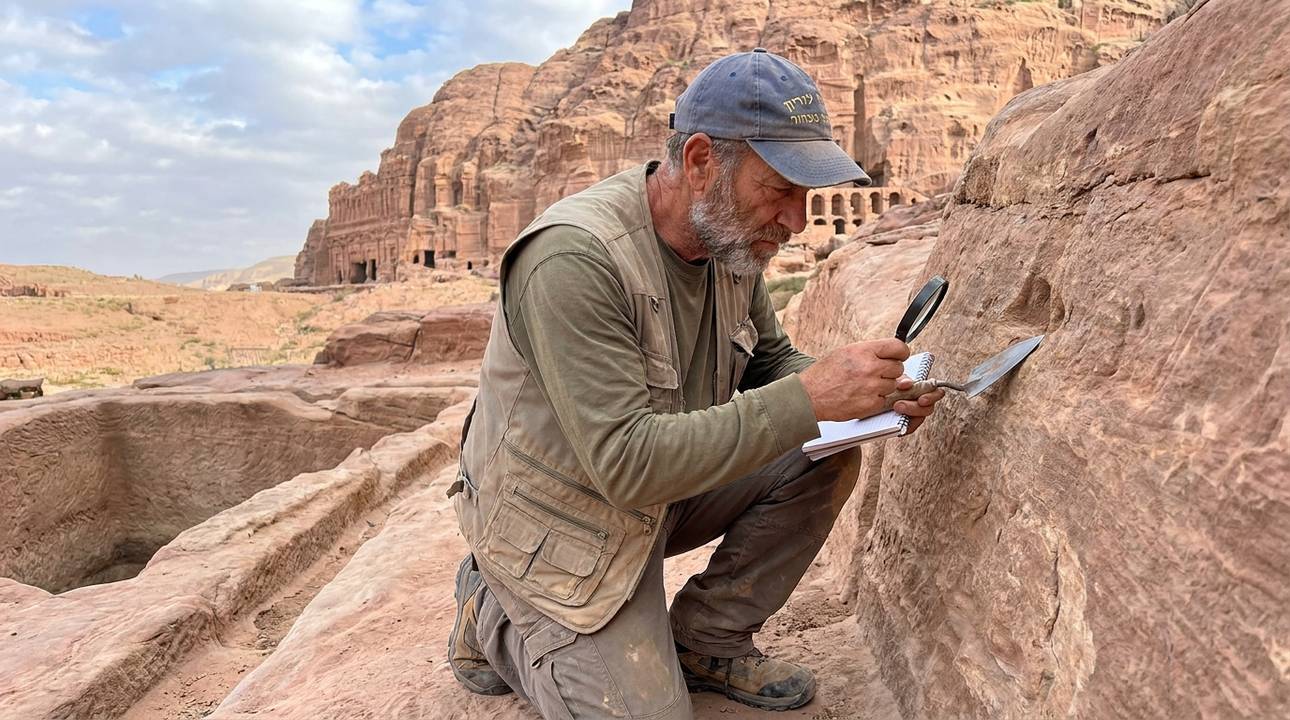
Today, the territory once known as Edom lies within southern Jordan, with Petra being a key site. Petra’s rock-cut architecture, including the famous Treasury, showcases the engineering skills of the Nabataeans, who succeeded the Edomites. Petra is believed to have been established around the 6th century BCE. Visitors to Petra are often captivated by its history and beauty, reflecting the region’s past and Edom’s legacy. The site’s designation as a UNESCO World Heritage Site highlights its cultural and historical significance.
Petra, once a bustling trade center, was strategically located at the crossroads of several trade routes. This location allowed it to flourish as a hub for commerce and culture. The Nabataeans, known for their skills in water management, controlled Petra. The city’s intricate water systems and architectural achievements continue to draw admiration, providing insight into the ingenuity of its ancient inhabitants. Petra’s famed Treasury and Monastery showcase the Nabataeans’ architectural skills, influenced by Hellenistic and Roman styles.
Edom in the Historical Narrative
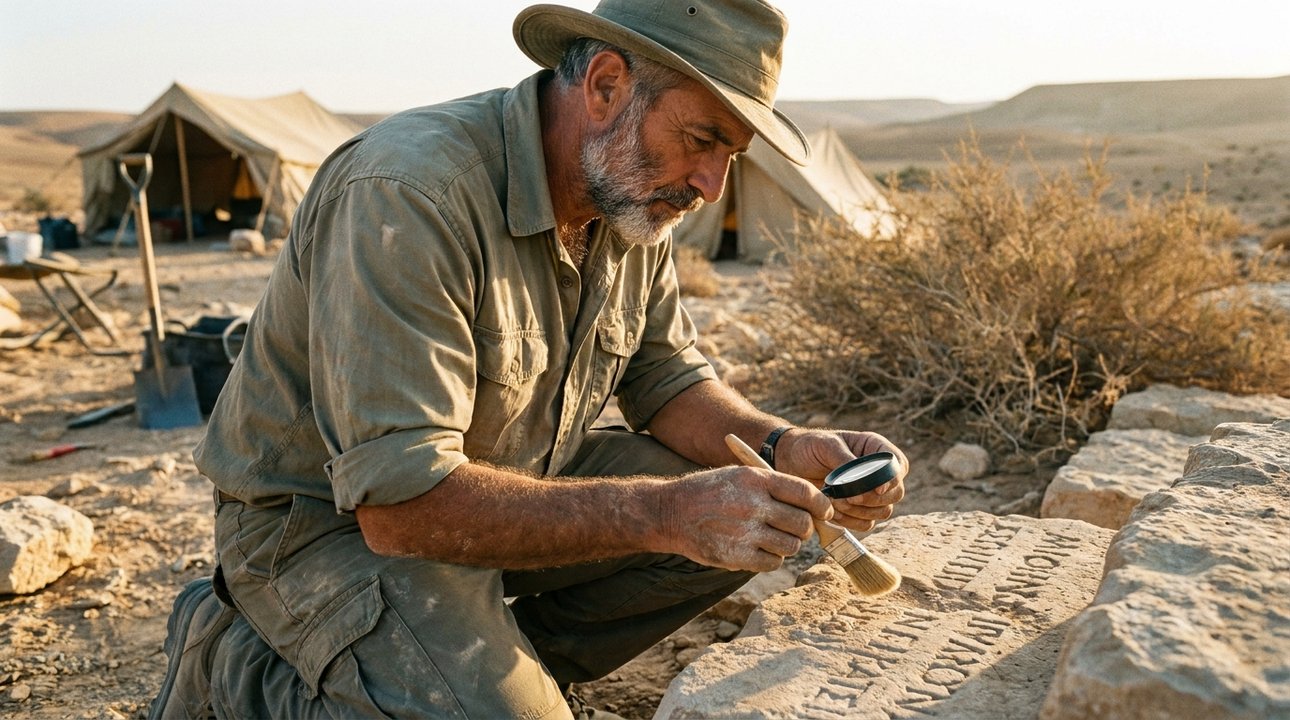
Edom is often depicted as both a neighbor and rival of Israel. During the Exodus, Edom refused passage to the Israelites, highlighting tensions between the two nations. This refusal was rooted in historical grievances, as they were descendants of Esau, leading to complex familial ties and rivalries. The animosity is further reflected in various historical accounts, which describe Edom’s interactions with Israel.
Edom’s relationship with Israel was further complicated by alliances with other regional powers. During the reign of a prominent king, Edom was subjugated, marking a significant shift in Edom’s political landscape. These interactions illustrate the shifting dynamics and power struggles that characterized the ancient Near East, with Edom playing a significant role. Alliances with powers like Babylon also demonstrate their strategic positioning and influence in regional politics, affecting the balance of power.
from the Western Wall to Masada.
Cultural and Economic Significance of Edom
Edom’s location on major trade routes, such as the King’s Highway, made it a hub for commerce. This highway connected Egypt to Mesopotamia, enabling Edom to facilitate the movement of goods like spices, textiles, and metals. The economic prosperity from trade contributed to Edom’s development and cultural exchanges with neighboring civilizations. The wealth generated from these trade activities enabled them to build fortified cities and engage in diplomatic relations with other nations, enhancing their regional influence.
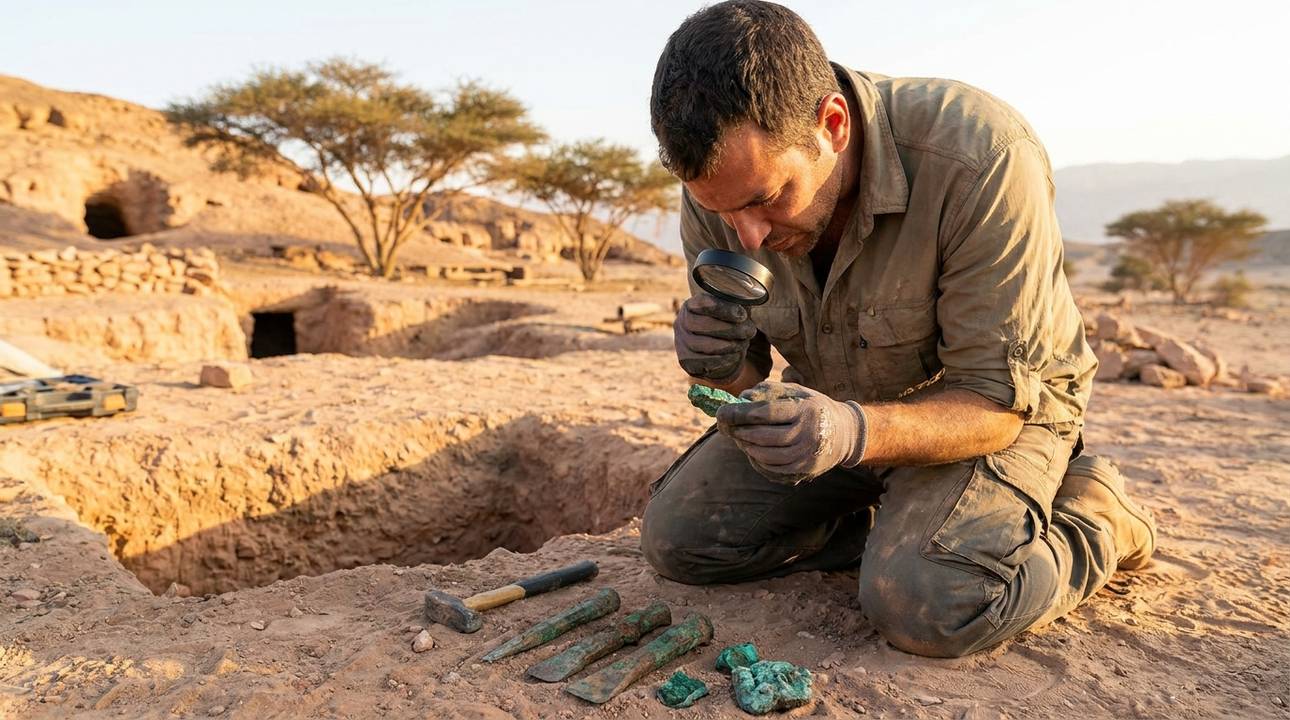
Culturally, Edom was known for its skills in metalworking, particularly copper, which was abundant in the region. This expertise contributed to their reputation and interactions with other cultures. Their interactions with neighboring peoples, including the Israelites, Moabites, and Ammonites, enriched the culture of the ancient Near East. Evidence of Edomite metallurgy has been found in Timna, a site known for its ancient copper mines, showcasing their technological advancements.
Edom’s Decline and Transformation
Over time, Edom was absorbed by neighboring powers, including the Nabataeans, who developed Petra into a major urban center. This transition marked Edom’s shift from a tribal society to part of a greater Hellenistic and Roman world. The Nabataeans are known for their trade networks and architectural innovations. By the Roman period, Edom’s identity had largely merged with the surrounding regions, influencing local culture. The Nabataeans’ development of Petra, with its impressive architecture and water systems, exemplifies this cultural integration and transformation, leaving a legacy.
Edom’s strategic location was pivotal in its interactions with empires such as the Babylonians and Assyrians. This positioning allowed Edom to control key trade routes, influencing regional commerce and politics. The Assyrian Empire, under kings like Tiglath-Pileser III, often interacted with Edom. For example, during the Babylonian conquest of Jerusalem in 586 BCE, it is suggested that Edomites may have supported the Babylonians, as mentioned in historical texts like Psalm 137:7. Such alliances and conflicts left a lasting imprint on the history of the region, influencing subsequent events and relationships.
The legacy of Edom’s influence is evident in archaeological finds and historical records. Artifacts from the region show a blend of cultural influences, reflecting Edom’s role as a crossroads of civilizations. Pottery and inscriptions found in sites like Bozrah and Sela illustrate Edom’s interactions with neighboring cultures, including the Israelites and Moabites. This transformation over centuries highlights Edom’s ability to adapt and thrive amidst changing political landscapes, maintaining its cultural identity while integrating external influences.
Understanding Edom
