
Understanding the Significance of Chinnereth in the Bible
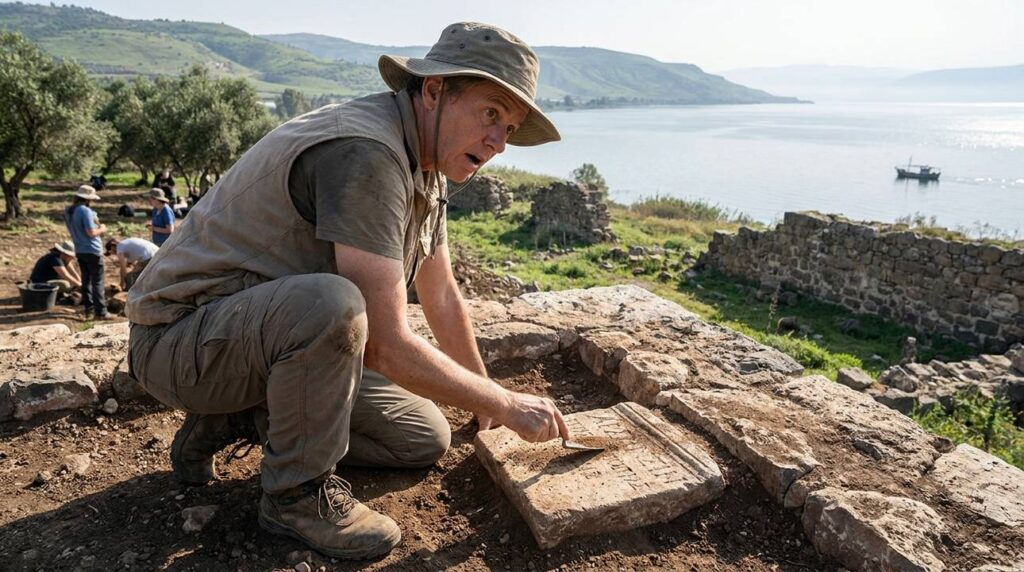

Chinnereth, known today as Kinneret, appears in several historical texts as a region or landmark near the Sea of Galilee. It played a significant role in the area’s history, serving as a vital resource and strategic location. In this article, we delve into its etymology, noting that Chinnereth may derive from a Hebrew word meaning ‘harp’, reflecting the shape of the lake. The lake’s shape and name have inspired cultural expressions and hold a special place in the shared history of the region.
Chinnereth’s place in historical texts offers insights into its geographical and cultural role. The lake’s fertile surroundings supported agriculture, while its waters facilitated fishing and trade, contributing to the prosperity of the region. The area’s historical importance is underscored by its repeated mention in narratives, which highlight its role in the lives of the people who lived there. The strategic location of Chinnereth made it a center for trade and cultural exchange, influencing the development of the region.
from the Western Wall to Masada.

What Is Chinnereth?
Chinnereth is notably mentioned in historical allocations to the tribes of Israel. Its name is derived from the Hebrew word for ‘harp,’ likely due to the sea’s shape. This mention anchors Chinnereth firmly in historical geography as a significant point of reference. The harp-like shape of the lake may have also inspired musical and cultural expressions among the people who lived around its shores.
Geographical Location of Chinnereth
Located near the Sea of Galilee, Chinnereth encompassed the fertile lands beneficial for agriculture. The area’s proximity to the sea provided rich resources and facilitated trade. The fertile landscape supported diverse agricultural activities, sustaining communities and providing a vital connection to other regions. Crops such as wheat, barley, and olives thrived here, contributing to the region’s prosperity.
The Sea of Galilee’s waters also supported a thriving fishing industry, which played a crucial role in the local economy. The abundance of fish provided sustenance for the people and a commodity for trade with neighboring regions. Fishing was a common occupation, with methods and tools passed down through generations. This combination of agriculture and fishing made Chinnereth an essential hub for the surrounding communities, fostering economic growth and cultural exchange. The lake’s resources supported not only local needs but also trade routes that connected different parts of the region and beyond.

Chinnereth in the Book of Joshua
Historical texts list Chinnereth as part of the territories allocated to the tribes. This allocation underlines Chinnereth’s strategic importance and its role in the settlement patterns of the region. The fertile lands and access to the Sea of Galilee made it a desirable location for the tribe of Naphtali, providing resources necessary for their sustenance and growth. The lake’s resources supported both agriculture and fishing, making it a vital part of the tribe’s economy and daily life.
Chinnereth’s inclusion in the tribal allotments highlights its value as a resource-rich area. The lake and its surroundings offered opportunities for agriculture, fishing, and trade, supporting the community’s economic development. The strategic location of Chinnereth also facilitated interactions with other tribes and regions, fostering alliances and cultural exchanges that enriched the lives of its inhabitants. These interactions helped to create a community that thrived on cooperation and shared resources.
Cultural and History
Beyond its agricultural value, Chinnereth also held cultural role. The area likely hosted significant gatherings and activities central to community life. Historical accounts suggest it was a meeting point for cultural interaction. This is supported by archaeological findings of artifacts from various cultures, indicating a exchange of ideas. This cultural vibrancy added to its importance, further cementing its place in the shared history of the Israelites. The gatherings and festivals that may have taken place here would have strengthened community bonds and facilitated the exchange of traditions and customs.

Historical References to Chinnereth
Chinnereth is referenced in multiple historical texts indicating its lasting significance. Various narratives incorporate Chinnereth as a backdrop, illustrating its influence in storytelling and interpretation. The lake’s presence in these texts underscores its role as a vital resource and a symbol of sustenance, shaping the lives and stories of the people of the region.
from the Western Wall to Masada.
Chinnereth’s mention in these texts highlights its importance in the territorial boundaries of the region. The lake served as a natural landmark, guiding the allocation of land among the tribes and influencing settlement patterns. Its strategic location and abundant resources made it a focal point for the communities that lived along its shores, shaping their economic and cultural development. The lake’s presence influenced where tribes settled and how they interacted with each other, fostering a sense of shared identity and cooperation.
Archaeological Insights into Chinnereth
Archaeological findings in the vicinity of Chinnereth reveal artifacts that speak to its role as a bustling hub in historical times. Items from various cultural influences have been unearthed, highlighting cross-cultural interactions. Pottery from Phoenicia and tools from Egypt are among the discoveries. These discoveries, including pottery and tools, offer tangible evidence of Chinnereth’s dynamic past and its role in regional development. The artifacts reflect the diverse peoples who interacted and traded in the area, contributing to a cultural mosaic that characterized ancient Chinnereth.
The archaeological evidence suggests that Chinnereth was a mix of cultures, with influences from nearby regions such as Phoenicia and Egypt. This exchange of goods and ideas contributed to the area’s culture. Artifacts like pottery and tools reveal the diverse cultural interactions. The findings provide a glimpse into the daily lives of the people who lived there, showing their practices, beliefs, and interactions with neighboring cultures. These interactions likely included trade, marriage, and shared religious practices, enriching the cultural landscape of Chinnereth.

Chinnereth Today
Today, Chinnereth is part of modern-day Israel, known as the Sea of Galilee. It remains a significant geographical feature in the region, attracting visitors and scholars alike. The area’s history continues to impact its identity, preserving its legacy as a crucial part of regional heritage. Its waters have supported life and culture for millennia, providing a backdrop for many historical events.
The Sea of Galilee, or Kinneret, is not only a natural wonder but also a historical landmark that has witnessed the unfolding of countless stories. Its shores have been home to various communities over the centuries, each contributing to the mix of the region’s history. The lake’s strategic location made it a focal point for trade and cultural exchange, influencing the development of the surrounding areas. Its significance is echoed in the narratives that have been passed down through generations.
The Legacy of Chinnereth
The legacy of Chinnereth is reflected in its continued cultural and history. As a historical landmark, it stands as a sign of its enduring importance in the shared history of the region. Its role in ancient narratives and its current presence in Israel enrich the culture of the region, connecting past and present. The Sea of Galilee, known as Kinneret today, continues to be a site of historical and cultural interest, drawing visitors who seek to connect with its history.
General Questions
