Understanding the Valley of Achor Today


The Valley of Achor holds historical importance due to its connection with the story of Achan. Achan’s actions led to the Israelites’ defeat at Ai, and his subsequent punishment occurred in this location. This valley is often used as a metaphor for change, suggesting a future of transformation. The themes of judgment and redemption give it a notable presence in literature.
The Valley of Achor’s role in the story of Achan underscores communal responsibility and the impact of individual actions. Achan’s transgression led to a severe punishment, emphasizing moral lessons crucial to historical narratives. Its later use as a symbol of hope illustrates its transition from a site of trouble to one of potential redemption.
from the Western Wall to Masada.

This article explores the history of the Valley of Achor and what is known about it today, shedding light on its significance. Its role in historical events and visions highlights its importance in understanding broader themes. By examining its past and present, we aim to uncover the layers of meaning that resonate with people today, offering a deeper connection to tradition.
The Valley of Achor is often mentioned as a symbol of change, reflecting the potential for renewal. This duality of judgment and redemption makes it a significant symbol in literature. By exploring its historical and cultural context, we gain insights into the values and teachings that have shaped tradition and are remembered by individuals on their personal journeys.
What Is the Valley of Achor?
The Valley of Achor is first mentioned as a place of judgment and consequence. After the Israelites’ defeat at Ai, Achan’s transgression leads to its association with trouble. This event underscores the importance of communal responsibility and the consequences of individual actions in teachings.
The story of Achan and the Valley of Achor emphasizes the significance of faithfulness and communal responsibility. Achan’s actions led to a severe punishment, highlighting the consequences of individual transgressions. This event serves as a reminder of the moral lessons central to understanding historical narratives, showing broader themes of justice and redemption.
The name Achor, meaning ‘trouble’ in Hebrew, reflects the events tied to Achan’s actions. Situated near Jericho, this valley was important in historical conquests. The story captures the importance of faithfulness and communal responsibility. Its initial significance is rooted in this foundational history, setting the stage for its symbolic evolution in later texts and interpretations, such as its mention as a symbol of hope.
The Valley of Achor’s location near Jericho adds to its historical and cultural role. Jericho, known for its walls that fell after the Israelites’ march, is a city steeped in history. This proximity enriches its context, linking it to broader themes of faith and intervention. The valley’s initial role in the story of Achan underscores the importance of communal responsibility, while its later symbolic evolution highlights the potential for renewal and change.

The Valley in Prophetic Context
In prophetic literature, the Valley of Achor gains a new dimension. It is often spoken of as a ‘door of hope.’ In this context, the valley is transformed from a place of past troubles to one of future restoration. This vision suggests that even troubled places can become sources of hope. This reinterpretation aligns with broader themes, emphasizing repentance and the willingness to restore. It reflects the dynamic nature of places, where narratives evolve over time to encompass broader moral lessons.
Geographical and Archaeological Insights
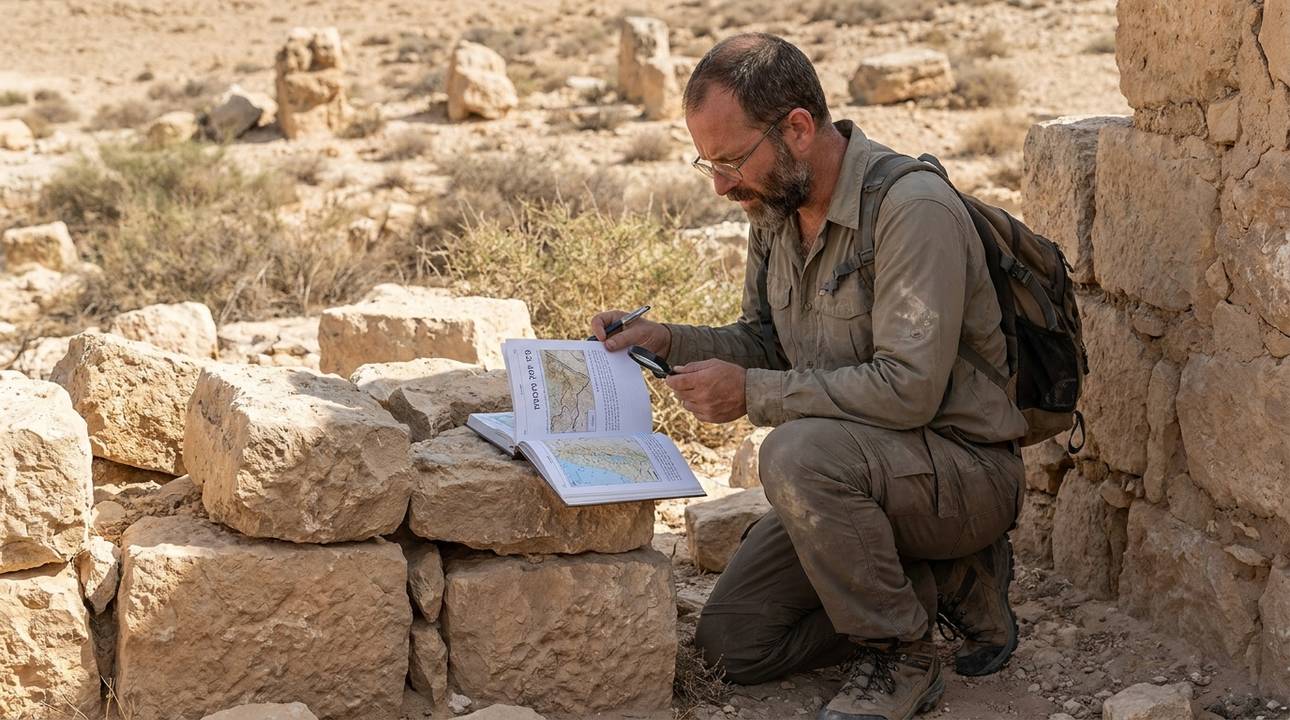
The Valley of Achor is generally identified with the region near the ancient city of Jericho. Modern explorations and archaeological studies have sought to understand its exact location, shedding light on its historical context. Although precise archaeological confirmation remains debated, the vicinity to Jericho supports its description and relevance. Interest in exploring these sites helps scholars piece together historical narratives, providing tangible connections to ancient texts. The geography of the area, coupled with limited archaeological insights, offers a picture of what life might have been like during the times described.

Cultural and Symbolic Legacy
The Valley of Achor’s story transcends its historical origins, embodying themes of judgment, repentance, and renewal. As a cultural symbol, it forms part of the broader narrative mix of tradition. Its mention as a place of hope illustrates its transformation from a site of trouble to one of potential redemption. This transformation highlights the cyclical nature of sin and renewal in teachings, showing the ongoing relevance of these themes.
The Valley of Achor’s legacy extends beyond its original context, resonating with broader themes of human fallibility and the potential for transformation. Its enduring symbolism is reflected in various forms of religious and cultural expression. The valley invites reflection on the cycles of sin and redemption, a recurring motif in religious teachings.
The transformation of the Valley of Achor from a place of judgment to a symbol of hope highlights the potential for renewal and change. This duality is central to understanding the moral lessons, offering a powerful metaphor for personal growth and transformation. Its enduring symbolism reflects on the broader themes of justice and redemption.
from the Western Wall to Masada.
The Valley of Achor Today
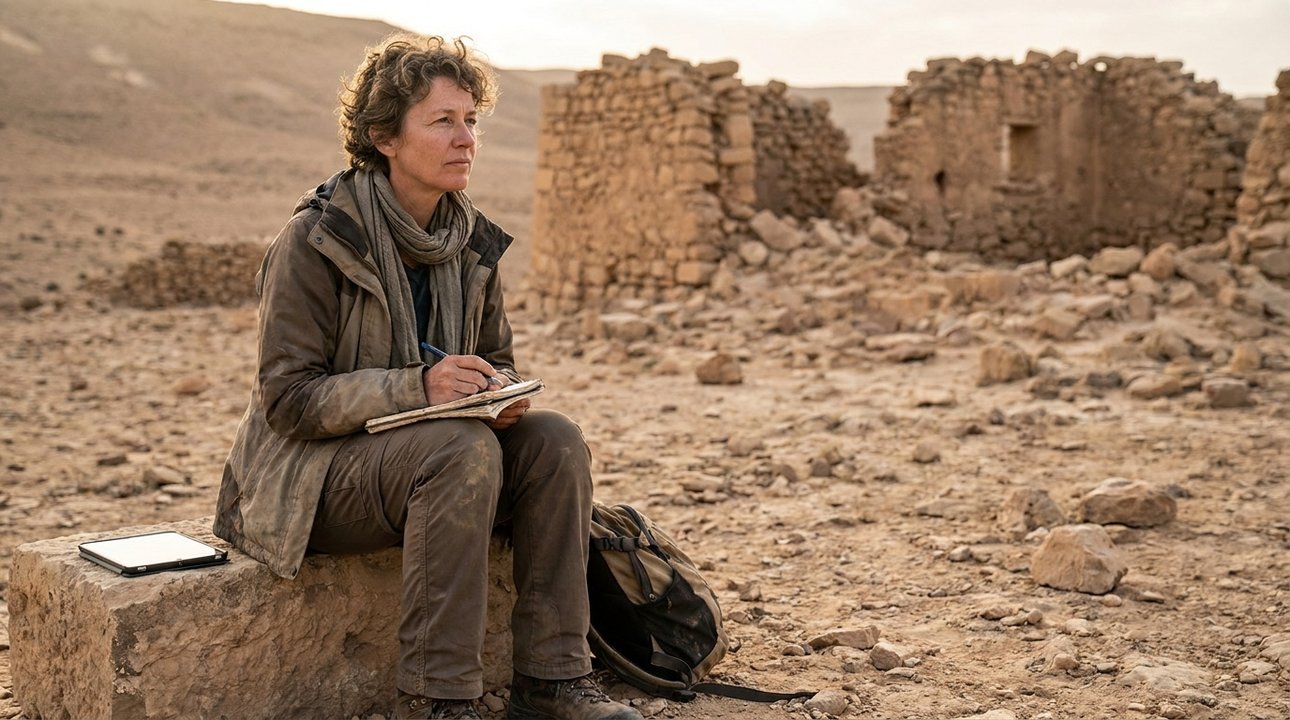
Today, the Valley of Achor remains an area of historical and cultural interest. While not a major archaeological excavation site, its ongoing study enriches our understanding of geography and its significance. Located near Jericho, a city with a long and storied past, it adds layers to its cultural context. Although physical remnants may be sparse, its symbolic weight continues to influence interpretations of narratives.
The Valley of Achor’s location near Jericho adds to its cultural role. Jericho’s walls famously fell after the Israelites marched around them, marking a pivotal moment in history. This proximity enriches its context, linking it to broader themes of faith and intervention. Though archaeological evidence may be limited, its symbolic importance continues to resonate, offering insights into the spiritual and cultural heritage.
Scholars continue to explore the Valley of Achor’s impact on narratives, maintaining its place within the broader landscape. Mentioned in prophetic literature, it emphasizes themes of justice and redemption. Achan’s story underscores the consequences of individual actions and the importance of communal responsibility. For many, the valley symbolizes the possibility of change and the promise of restoration.
The Valley of Achor’s role in prophetic literature highlights its transformation from a place of judgment to a symbol of hope. This shift illustrates the potential for renewal and redemption, offering a powerful metaphor for change. Its enduring symbolism reflects on the broader themes of justice and redemption.
The Valley of Achor stands as a reminder of the intertwining of faith, justice, and redemption in narratives. It is associated with the story of Achan, whose actions led to a significant lesson in communal responsibility and justice. Yet, its legacy extends beyond this moment, as it embodies the ongoing relevance of these narratives to inspire and guide individuals on their personal journeys.
The Valley of Achor’s history and symbolism offer insights into the values and teachings that have shaped tradition. It is reimagined as a symbol of hope, transforming it from a site of trouble to one of potential redemption. This transformation highlights the cyclical nature of sin and renewal, resonating with people today as they reflect on their own paths of growth and change.
Conclusion: A Symbol of Hope and Renewal
The Valley of Achor illustrates how a physical location can evolve into a significant metaphor for hope and renewal. Its history reflects both the challenges and transformative potential inherent in human experience. It is mentioned as a door of hope, symbolizing a transition from despair to promise. This transformation is a sign of the ongoing relevance of teachings in addressing human struggles and aspirations.
The transformation of the Valley of Achor from a place of judgment to a symbol of hope highlights the potential for renewal and change. This duality is central to understanding the moral lessons, offering a powerful metaphor for personal growth and transformation. Its enduring symbolism reflects on the broader themes of justice and redemption.
As we continue to study and interpret these places, we find ongoing relevance in their stories. The narrative of the Valley of Achor encourages a deeper connection with the heritage and teachings of the past, projecting a vision of redemption that remains timeless. Through its story, it invites reflection on the themes of repentance and renewal, showing aspects of the human condition that are as pertinent today as they were in earlier times.
The Valley of Achor’s legacy extends beyond its original context, resonating with broader themes of human fallibility and the potential for transformation. Its enduring symbolism is reflected in various forms of religious and cultural expression. By reflecting on its history and symbolism, we can gain insights into the values and teachings that have shaped tradition and continue to resonate with people today.
About the Valley of Achor