
The History and Significance of Mareshah


Mareshah, an ancient city noted in historical texts, holds a special place in history. It was one of the cities in the lowlands of Judah.
Situated in the Shephelah region of Judah, Mareshah played a critical role during various historical periods and served as a central location for trade and military operations. Fortified by Rehoboam, it was protected against invasions.
The fortification of Mareshah by Rehoboam was part of a broader strategy to secure the kingdom’s borders. This move was essential for maintaining the safety and stability of Judah during turbulent times. Mareshah’s importance highlights its role as a center of commerce and defense, reflecting its significance in the history of the region.
from the Western Wall to Masada.
Today, Mareshah offers insights into ancient life and Jewish heritage. The archaeological site reveals layers of history through its ruins, including residential areas, public buildings, and defensive structures.
These remnants provide a glimpse into the urban planning and architectural styles of the time, offering valuable information for historians and archaeologists studying the ancient Near East.
The site includes fascinating features such as underground cisterns and olive presses, which highlight the ingenuity of its inhabitants. These innovations were essential for water storage and food production, ensuring survival during times of scarcity.
Discoveries at Mareshah continue to enrich our understanding of historical life and culture.
What Is Mareshah?
Mareshah was a fortified city mentioned in historical texts. Located in the lowland region of Judah, it was an important site during the time of the Judean kingdom. Its strategic position made it a significant military and commercial hub.
The city also finds mention in accounts of King Rehoboam, who fortified it to protect his kingdom from invasions. This fortification effort was part of a larger strategy to secure the kingdom’s borders.
Located in the Shephelah region, Mareshah played a key role in the defense and trade networks of ancient Judah. Positioned between the coastal plains and the Judean mountains, it was strategically situated to control access to Jerusalem and other significant cities.
Its proximity to major trade routes facilitated commerce and cultural exchange, contributing to its prosperity and importance in the region.
The Shephelah region itself was a fertile area, known for its agriculture and vineyards, which further enhanced Mareshah’s economic significance. It served as a hub where traders from different cultures met, exchanging goods such as olive oil, wine, and pottery.
This bustling trade environment not only brought wealth but also diverse cultural influences, enriching the local community’s way of life.
Historical References to Mareshah
In historical texts, Mareshah is referenced in several accounts, including those of Joshua and Chronicles. It was part of the allotment of territories to the tribe of Judah. Chronicles reports that King Rehoboam fortified Mareshah. The Prophets mention it, illustrating its importance in narratives and historical contexts.
These historical references highlight Mareshah’s role as a significant player in the history of Judah. Its strategic location and fortifications made it a focal point for both trade and defense. Through these stories, Mareshah emerges as a symbol of continuity, reflecting the legacy of the people of Judah.
Historical references underscore Mareshah’s importance in the ancient world, serving as a backdrop for key events and decisions that shaped the history of Judah.
Its strategic location made it a focal point for trade and military endeavors. Mentioned in historical accounts, King Rehoboam fortified it, highlighting its defensive significance against potential invasions.
Mareshah’s role in history is further emphasized by its mention in prophetic accounts. These references paint a picture of a city that was not only strategically important but also culturally influential. Through these stories, Mareshah becomes a symbol of the legacy of the people of Judah.
Archaeological Discoveries at Mareshah
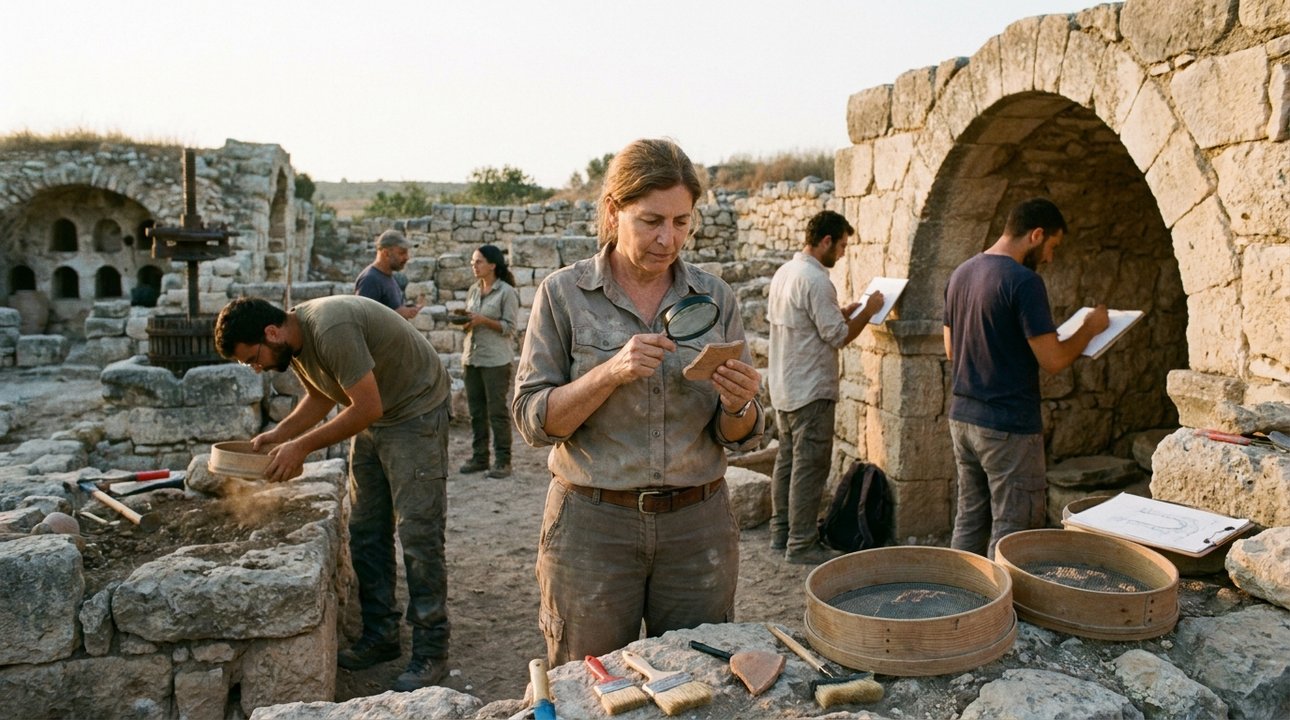
Extensive archaeological excavations at Mareshah have unearthed fascinating artifacts and architectural remnants. These discoveries include ancient dwellings, olive presses, and complex underground systems.
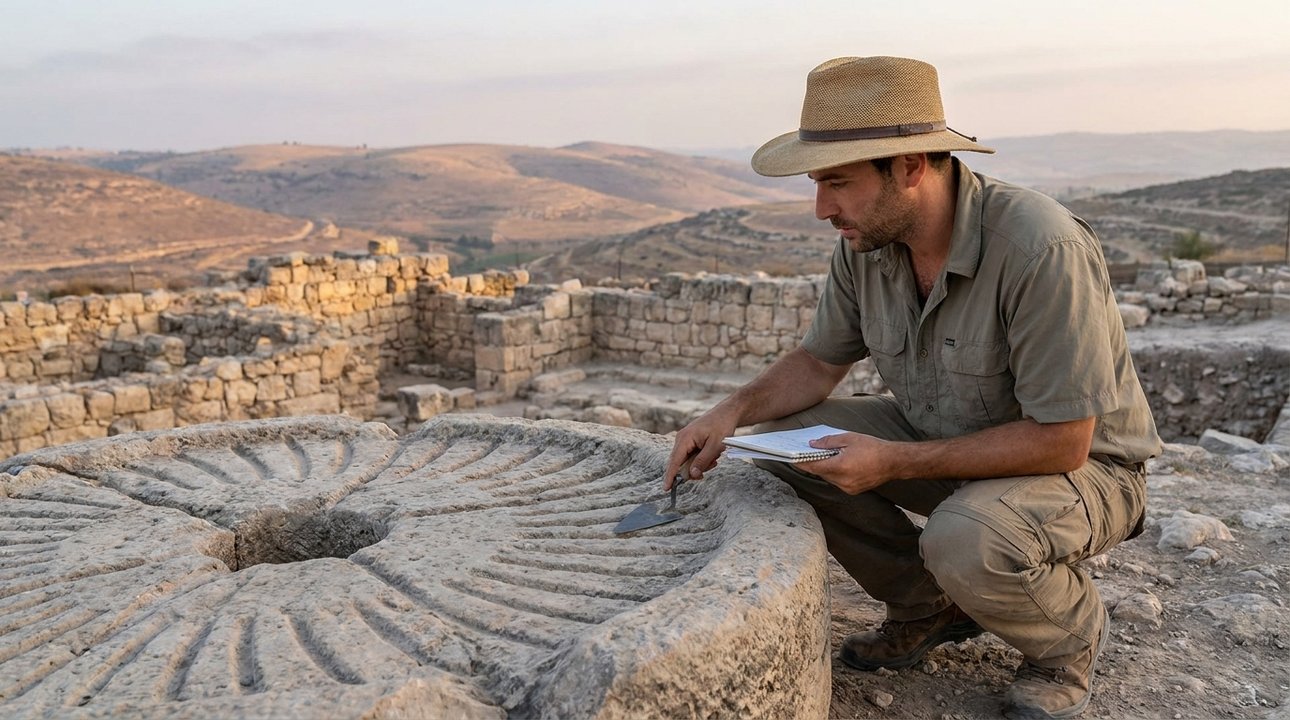
The olive presses highlight Mareshah’s role in the production of olive oil, a valuable commodity in historical times. The underground systems, such as cisterns and tunnels, reveal advanced engineering skills and were likely used for water storage and protection during sieges.
The architectural remains at Mareshah provide insights into the urban planning and social organization of the ancient city. The layout of residential areas and public buildings reflects a well-organized community that thrived in the ancient world.
These findings contribute to our understanding of the cultural and economic dynamics that shaped life in Mareshah.
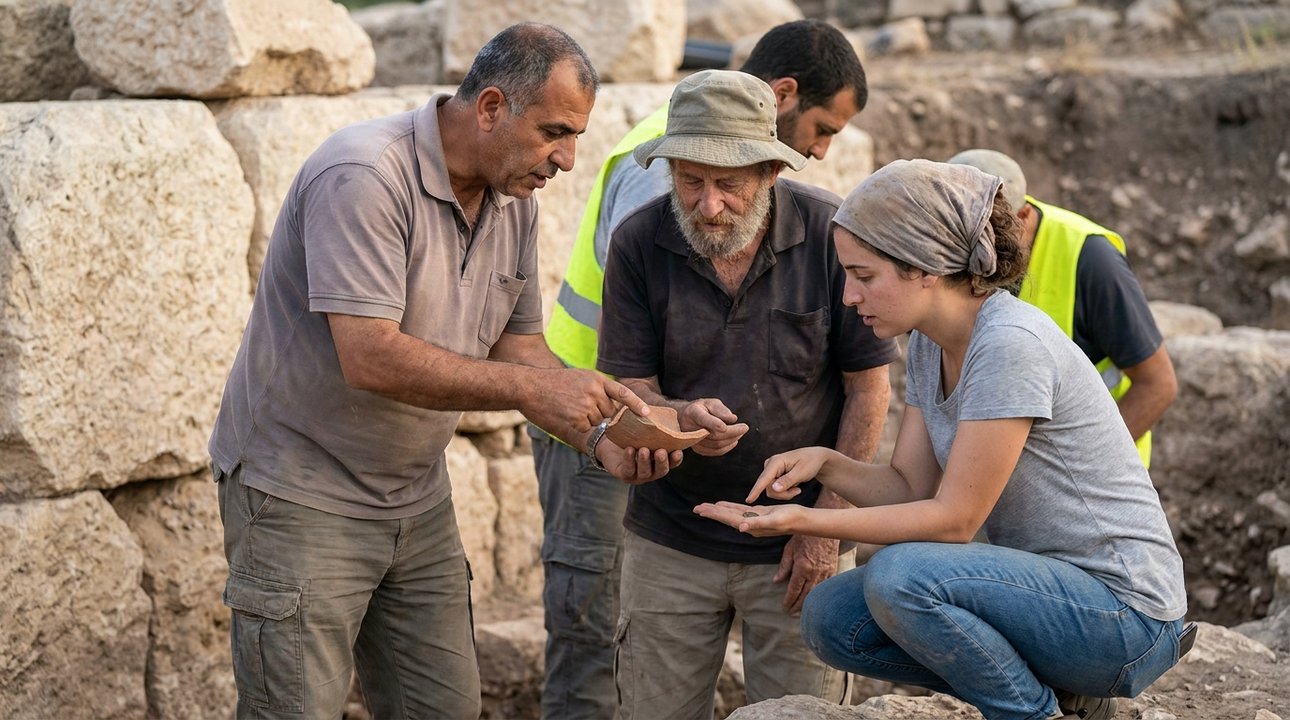
These findings provide vital insights into the lives of its ancient inhabitants and enhance our understanding of Mareshah’s role in antiquity. Artifacts like pottery and coins offer clues about the daily life and trade connections of the people who lived there.
The architectural remnants, including fortifications and residential structures, suggest a well-organized urban center that played a significant role in the region’s economic and military activities.
The discovery of olive presses at Mareshah highlights its involvement in the production and trade of olive oil, a key commodity in the ancient economy. These presses indicate the agricultural prowess of the region and its contribution to the local economy.
Through these artifacts, we gain a clearer picture of the economic activities that sustained Mareshah and its inhabitants.
Mareshah’s Role in Trade and Economy
Due to its strategic location, Mareshah developed as a significant trade center. Situated along key trade routes connecting the coastal plain with the Judean hills, it facilitated commerce.
This enabled the exchange of goods among various ancient cultures, contributing to the economic prosperity of the region. Historical records indicate that Mareshah was a hub for merchants from diverse backgrounds, including Phoenicians and Egyptians.
The city’s olive oil production was particularly renowned, signifying its importance in ancient trade networks.
Key Historical Events in Mareshah
Mareshah witnessed several historical events, often tied to broader regional conflicts. It was a battleground during the wars between the Seleucids and the Hasmoneans. Known for its fortification by Rehoboam as part of a defensive network.
This strategic move highlights its importance in protecting the kingdom of Judah.
The fortifications of Mareshah were part of a larger network designed to secure Judah’s borders against external threats. This defensive strategy was crucial during times of political instability and conflict, ensuring the safety of the kingdom’s inhabitants.
Mareshah’s role in these historical events underscores its significance as both a military and economic center in ancient Judah.
Later, Mareshah faced destruction and rebirth during various invasions, reflecting its continued importance. Its ability to withstand and recover from these challenges speaks to its strategic and economic significance in the region.
Archaeological evidence of these events provides a deeper understanding of the political and military dynamics of ancient Judah. Excavations have revealed layers of destruction and rebuilding, indicating the city’s tumultuous history.
from the Western Wall to Masada.
Mareshah’s history is marked by periods of conflict, including battles during the Hellenistic period. Involved in the struggles between the Seleucids and the Hasmoneans, these conflicts highlight its strategic importance as a military stronghold.
Despite these challenges, Mareshah’s inhabitants demonstrated remarkable adaptability, rebuilding and adapting to new circumstances over the centuries.
Mareshah in the Present Day
Today, Mareshah is an archaeological site within the Beit Guvrin National Park. The park itself is a UNESCO World Heritage Site, recognized for its history and well-preserved ruins. Visitors can explore its historical layers and appreciate the cultural legacy of ancient settlements. The site includes fascinating underground systems, such as columbaria and cisterns, showcasing ancient engineering skills.
The columbaria, used for housing pigeons, reflect the agricultural practices of the time, while the cisterns demonstrate advanced water management techniques. These features offer a window into the daily lives and technological achievements of Mareshah’s inhabitants.
Preserved structures allow visitors to connect with the past and gain a deeper appreciation for the ingenuity of ancient societies.
Efforts to preserve and study Mareshah continue to shed light on its historical narrative and significance. Archaeologists have uncovered artifacts that date back to the Iron Age, offering a glimpse into the daily lives of its inhabitants.
Ongoing archaeological work helps to piece together the story of Mareshah, providing insights into the lives of its ancient inhabitants and the broader historical context of the region.
Excavations have revealed structures such as olive presses and storage facilities, indicating the city’s role in trade.
Through these discoveries, researchers have been able to reconstruct aspects of Mareshah’s urban planning and social organization. The findings include evidence of a complex water system, which was crucial for sustaining the population during dry seasons.
This reflects the ingenuity and adaptability of the city’s builders and planners. Preservation efforts are supported by various institutions, ensuring that future generations can continue to learn from this historical treasure.
Mareshah and Its Cultural Impact
Mareshah’s influence extends into cultural and academic studies, showing ancient urban life. Mentioned in historical contexts, it is listed among the cities fortified by Rehoboam. Diverse influences from various cultures provide a mix of interactions. Archaeological findings reveal artifacts from Edomite, Greek, and Roman periods, illustrating a blend of traditions and lifestyles. Today, Mareshah serves as a reminder of historical connectivity and shared heritage.
The Legacy of Mareshah in Jewish Heritage
Mareshah represents a legacy in Jewish history, integral to understanding the region’s ancient past. It is part of the territory allocated to the tribe of Judah. Its historical associations continue to enrich Jewish cultural memory. Excavations have uncovered significant structures, including an amphitheater and burial caves, offering glimpses into past societies.
The amphitheater, a rare find in the region, suggests that Mareshah was a center of cultural and social activity. This structure, along with the burial caves, provides evidence of the city’s diverse population and their customs.
Archaeological discoveries offer a deeper understanding of Mareshah’s role in the ancient world and its contribution to Jewish heritage.
The remnants of Mareshah are valuable for both academic study and cultural reflection. These discoveries provide a tangible connection to the historical narratives of the Bible and offer a deeper understanding of the cultural and social dynamics of ancient Judah.
As a site of ongoing research, Mareshah continues to reveal new facets of its history, contributing to our knowledge of the ancient world. Recent excavations have uncovered artifacts that shed light on the daily lives of its inhabitants.
Among the most intriguing finds are the burial caves, which offer insights into the funerary practices of the time. These caves, along with other structures, provide evidence of the city’s social hierarchy and cultural practices. These discoveries allow Mareshah to serve as a bridge to the past, exploring the mix of life in ancient Judah.
Conclusion: Mareshah’s Continued Significance
Mareshah, with its archaeological treasures, remains a vital link to our understanding of ancient Judah. The site’s ongoing study provides opportunities for deeper connection to Jewish heritage and historical context.
Explorations at Mareshah continue to offer insights into the past and its enduring influence today. Artifacts and structures uncovered at the site help scholars piece together the daily lives and cultural practices of its ancient inhabitants.
Continued research at Mareshah reveals new aspects of its history, contributing to our knowledge of the ancient world. These discoveries enhance our appreciation for the adaptability of the people who once lived there. Through these efforts, Mareshah serves as a sign of the legacy of ancient Judah and its people.
The preservation of Mareshah allows for a tangible connection to the stories and events recorded in history, enriching our understanding of the region’s past. As researchers continue to uncover new findings, Mareshah stands as a sign of the adaptability of the people who once called it home. The city’s ruins, including its fortifications and residential areas, offer a window into the past, allowing us to imagine the lives of those who lived there.
Significant historical events are tied to Mareshah, highlighting its importance in the tribal allocations of the land.
The city’s enduring presence in historical narratives underscores its role as a focal point in the history of ancient Judah. Preserving Mareshah allows us to gain a deeper appreciation for the cultural and historical legacy of this ancient city.
Understanding Mareshah
