
Understanding the Location of Tarshish in the Bible

Tarshish is an enigmatic location mentioned in ancient texts. Its exact whereabouts remain a mystery, sparking curiosity and interpretation over centuries.
In this article, we delve into the possible locations of Tarshish and the historical hints left behind to locate this elusive site. The search for Tarshish is not just about geography but understanding the cultural and economic exchanges of the past. Consider subscribing to our service, where each box may feature a selection of 6-8 items, and contents vary to offer a unique experience.
The quest to pinpoint Tarshish’s location involves examining ancient texts and trade routes. Historical references, where ships of Tarshish brought gold, silver, and ivory, guide researchers. These clues connect Tarshish to the broader narrative of ancient trade and exploration. The mystery of Tarshish continues to intrigue, inviting us to explore the mix of history.
from the Western Wall to Masada.

What Is Tarshish in the Bible?
Tarshish appears numerous times in historical texts, yet its exact location is not clearly defined. It is depicted as a distant place reached by sea, where ships traveled to Tarshish.
This adds to the mystery that has fascinated both scholars and enthusiasts alike. The allure of Tarshish lies in its representation of the unknown, a land of wealth and opportunity beyond the horizon.
The narrative uses Tarshish to evoke a sense of adventure and the vastness of the world. Kings of Tarshish are mentioned, suggesting its importance and influence.
The repeated references across different texts indicate its significance in the imagination. Each mention serves to enhance the narrative’s depth, offering a glimpse into the interconnectedness of historical societies.
Possible Locations of Tarshish
Scholars have proposed various potential locations for Tarshish. Some suggest Spain, particularly the region of Tartessos, known for its rich mineral resources and mentioned by ancient historians like Herodotus.
Others theorize regions as far-reaching as India or parts of Africa, each with varying degrees of historical support. The idea of India is intriguing due to ancient trade links, while Africa’s connection is considered because of Phoenician exploration.
The debate continues as each theory offers unique insights into the trade networks of the ancient world. The mention of Tarshish as a trader of silver, iron, tin, and lead further complicates its identification.
These materials were abundant in different regions, adding layers to the mystery. The diversity of proposed locations highlights the extensive reach of ancient maritime trade and the cultural exchanges that accompanied it.
Tarshish in Historical Context
The notion of Tarshish is deeply embedded in history and narratives. It is first mentioned as a descendant of Javan, suggesting its early significance.
Its mention in accounts like those of ancient fleets suggests its participation in trade networks. The fleet brought valuable goods every three years, indicating a well-established maritime route.
The accounts of Tarshish reflect its role in the economic landscape of the time. Ships returned from Tarshish laden with treasures, highlighting the wealth associated with this distant land. These narratives illustrate the importance of maritime trade routes in connecting diverse cultures and economies. Tarshish serves as a sign of the reach and influence of historical societies.
Tarshish and Trade Connections
Texts describe Tarshish as a trading partner, known for its fine metals like silver. Tarshish is mentioned as a source of silver, iron, tin, and lead, contributing to the wealth of Tyre.
References to these goods highlight the area’s prominence within ancient economic exchanges. Wealth was partly due to fleets bringing gold, silver, and ivory from Tarshish, underscoring its importance in trade.

Archaeological Insights on Tarshish
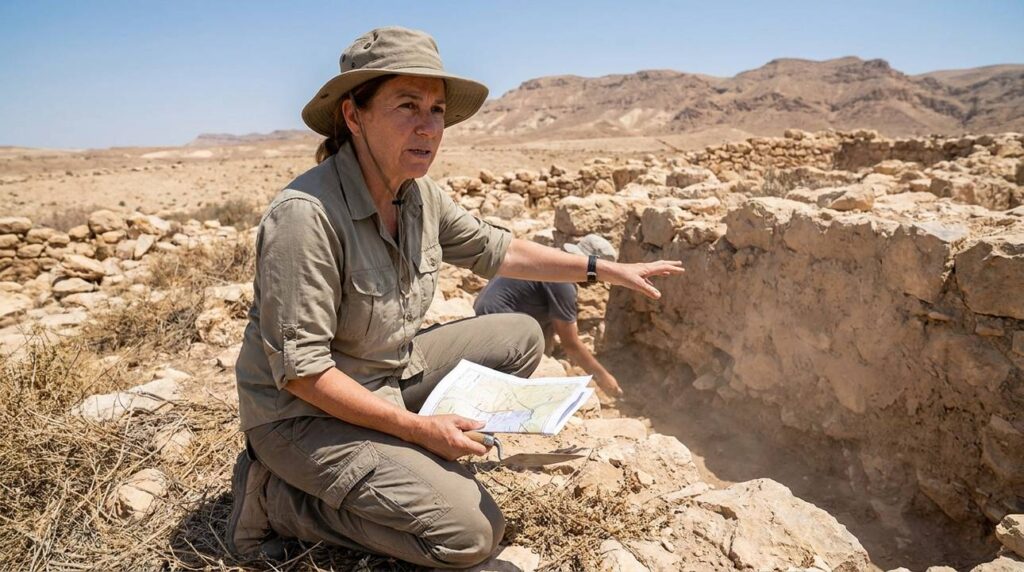
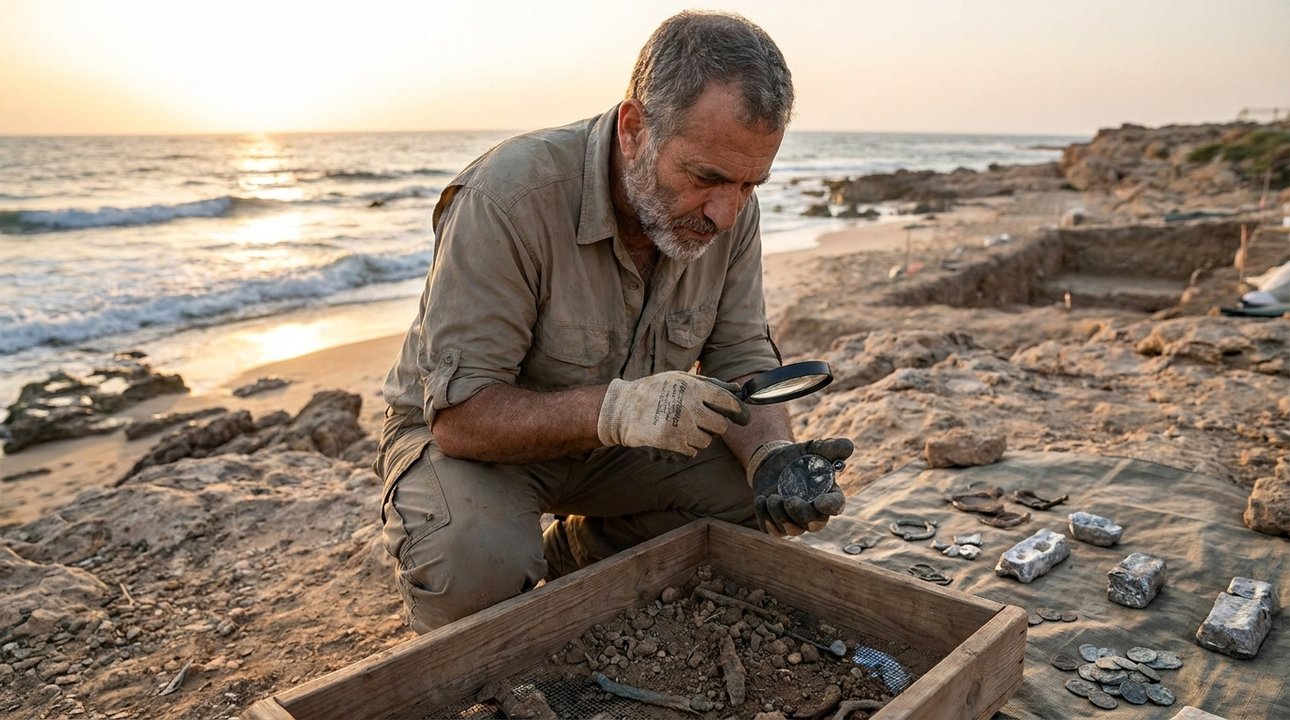
While concrete archaeological evidence remains scarce, studies continue to search for clues about Tarshish’s role and location. Some theories suggest it could be Tartessos in Spain, based on ancient writings.
Any discovery could shed light on the cultural and economic relationships of the past. Scholars examine Phoenician trade routes, hoping to find connections to Tarshish, as these routes were pivotal in ancient commerce.
The search for Tarshish involves piecing together historical, linguistic, and archaeological evidence. The Phoenicians, known for their seafaring skills, may have played a role in Tarshish’s trade networks.
Understanding these connections could provide insights into the broader context of ancient Mediterranean trade. Each new piece of evidence brings us closer to unraveling the mystery of Tarshish and its place in history.
Cultural Role over Time
The image of Tarshish has transcended its geographic mystery, becoming embedded in cultural narratives. Tarshish is referenced in a lament over Tyre, symbolizing distant lands.
It serves as a symbol of far-off lands and the vastness of ancient trade networks. This symbolism is echoed in narratives where attempts to flee to Tarshish represent the edge of the known world.
from the Western Wall to Masada.
The recurring theme of Tarshish highlights its role as a symbol of wealth and exploration. Tarshish is noted for trading in metals, underscoring its economic significance.
These references paint a picture of a world interconnected by trade and cultural exchange. The allure of Tarshish lies in its representation of both physical and metaphorical distance, inviting reflection on human journeys.

Tarshish in Popular Imagination
Over the centuries, Tarshish has captured the imagination of many, leading to its inclusion in literature and art. The mysterious land is mentioned in works like Dante’s “Divine Comedy,” reflecting its enduring allure.
This fascination continues to fuel exploration and scholarly work, seeking to unravel the historical mystery. Artists often depict Tarshish in paintings of stories, emphasizing its role as a symbol of wealth and exploration.
The allure of Tarshish extends beyond historical texts, inspiring creative interpretations across cultures. Its depiction in art and literature underscores its role as a symbol of the unknown.
These portrayals highlight the timeless human fascination with exploration and discovery. The mystery of Tarshish invites us to ponder the vastness of the world and the interconnectedness of historical societies.
Reflection and Modern Exploration
Modern efforts to locate Tarshish combine science and historical scholarship. Satellite imagery and historical texts are employed in tandem. Researchers use these tools to analyze ancient trade routes and potential settlement sites.
Such interdisciplinary methods reflect the deep interest in uncovering lost historical sites. By integrating technology with textual analysis, scholars hope to pinpoint Tarshish, bridging the gap between history and legend.
The use of modern technology in archaeology offers new possibilities for discovery. Satellite imagery allows researchers to identify potential sites that align with historical descriptions of Tarshish.
This approach enhances our understanding of ancient trade networks and their impact on cultural exchanges. The search for Tarshish exemplifies the synergy between science and the humanities in uncovering the past.

Tarshish and Its Role in Historical Narratives
Mentioned in books like Isaiah and Kings, Tarshish serves as a setting for pivotal events. It is listed among distant nations that will witness significant events.
It represents distance and vastness, often a backdrop to broader stories. Understanding its significance helps us appreciate the depth of these narratives, as it symbolizes the reach of ancient cultures and their interconnectedness.
The story of attempts to flee to Tarshish underscores its symbolic role as the edge of the known world. This narrative highlights human reluctance and the call to action.
Tarshish is part of trade networks, emphasizing its economic importance. These stories collectively illustrate the multifaceted role of Tarshish in historical literature.
Conclusion: Tarshish Today
Though the physical location of Tarshish remains uncertain, its presence in historical text endures, sparking interest and research. Tarshish is mentioned as a source of silver, highlighting its trade significance. The quest to determine its place in history is still remembered by scholars and enthusiasts alike. This ongoing research not only seeks to locate Tarshish but also to understand its impact on historical societies and their interactions.

Understanding Tarshish
