
Discovering Elam on Historical Maps


Elam, an early civilization referenced in historical texts, offers significant insights into the early world. Situated east of Mesopotamia, Elam was known for its history and interactions with other cultures. This article explores Elam’s role and its portrayal in historical texts, as well as its impact on surrounding regions. Elam is mentioned in Genesis 14, where King Chedorlaomer leads a coalition of kings, highlighting its influence and military strength in the early world.
Elam’s interactions with other cultures are evident in its frequent mention in historical prophecies. The Elamites’ influence extended beyond military might; they also contributed to the cultural and technological advancements of the region. Their legacy is preserved in the archaeological remains and historical narratives that offer a glimpse into their complex society.
from the Western Wall to Masada.

Where Was Elam Located?
Elam was located in what is now southwestern Iran, just east of Babylonia. Historical records place it between the Zagros Mountains and the Persian Gulf, encompassing a region rich in resources such as metals and fertile lands.
The Bible mentions Elam in several passages, highlighting its strategic location and significance in ancient geopolitics, including its role in trade routes that connected various civilizations. Elam’s position facilitated interactions with powerful neighbors like Assyria and Babylon.
The geographical features of Elam, such as its proximity to the Persian Gulf, allowed it to become a center for maritime trade. This access to sea routes was crucial for the exchange of goods and cultural influences.
Elam’s rich natural resources, including metals like copper and tin, were highly valued and contributed to its economic strength. These resources played a significant role in Elam’s interactions with other civilizations, as evidenced by archaeological finds.
Elam’s proximity to major early powers like Assyria and Babylon made it a pivotal player in regional politics. Its strategic position facilitated interactions and conflicts with neighboring empires, as seen in texts like Genesis 14.
These interactions underscore Elam’s importance in the early world, contributing to its frequent mention in historical narratives as a significant and influential entity. Elam’s alliances and rivalries shaped the geopolitical landscape of the time.
The strategic location of Elam allowed it to control important trade routes, enhancing its economic and political influence. This control made Elam a valuable ally and a formidable adversary in the eyes of neighboring powers.
Historical references to Elam often highlight its military capabilities and strategic alliances, reflecting its role as a key player in the power struggles of the ancient Near East. Elam’s interactions with other nations were crucial in shaping the region’s history.
Elam’s prominent cities included Susa, its capital, which played a crucial role as a center of power. The region’s fertile lands and access to trade routes made it a focal point for early travelers and empires.
Understanding Elam’s geography helps contextualize its interactions with surrounding civilizations in historical texts. For instance, Susa is mentioned in the book of Daniel (8:2) as a location of visions, underscoring its importance in historical narratives and its strategic significance.
The geographical location of Elam, nestled between the Zagros Mountains and the Persian Gulf, provided natural defenses and facilitated trade. This strategic position allowed Elam to become a hub for commerce and cultural exchange.
Elam’s fertile plains supported agriculture, which was vital for sustaining its population and economy. The region’s resources, such as metals, were highly sought after, further enhancing its role in regional politics and trade networks.
Historical References to Elam
Elam appears in historical texts as a significant player in various narratives. For instance, Genesis 14 details a battle involving Elam’s King Chedorlaomer, illustrating its influence and military prowess.
The book of Isaiah also references Elam as an instrument of judgment, highlighting its relevance in historical prophecy and its role in the unfolding of historical events. These references underscore Elam’s strategic importance and its interactions with other powerful empires.
Elam’s role in historical narratives is further emphasized in the book of Jeremiah, where it is both judged and promised restoration. This duality reflects the complex nature of Elam’s influence and its shifting alliances.
Such historical accounts illustrate Elam’s enduring presence and its multifaceted interactions with neighboring nations, providing a deeper understanding of its significance in the ancient Near Eastern political landscape.
Elam’s involvement in historical narratives extends to its interactions with other nations, as seen in Jeremiah, where it is both judged and promised restoration. This duality reflects its complex role in the historical world.
Such references emphasize Elam’s enduring presence in historical history, illustrating its multifaceted nature and influence on the ancient geopolitical landscape. Elam’s strategic location made it a key player in the power dynamics of the region.
The dual portrayal of Elam in historical texts highlights its fluctuating fortunes and alliances. These narratives provide insight into the shifting political landscape of the ancient Near East, where Elam’s position as both an ally and adversary influenced its interactions with other powers. This complexity is a sign of Elam’s importance in historical history.
Elam is mentioned in the prophetic visions of Ezekiel, symbolizing its interactions with neighboring nations. Ezekiel’s prophecy places Elam among the nations destined for judgment, reflecting its complex role in regional politics.
These historical references highlight Elam’s shifting roles-from ally to adversary-within the larger narrative, illustrating the dynamic relationships between ancient Near Eastern powers. Elam’s strategic alliances and conflicts shaped its historical legacy.
The inclusion of Elam in Ezekiel’s prophecies underscores its significance in the historical narrative and its influence on the geopolitical landscape of the ancient Near East. Elam’s interactions with other nations often involved both cooperation and conflict.
These complex relationships are evident in the historical and archaeological records, which document Elam’s role in regional power struggles and its impact on the cultural and political dynamics of the time.
In Jeremiah, Elam is subject to a prophecy of destruction, yet also a promise of restoration, indicating its importance in historical prophecy. This duality in its portrayal suggests Elam’s significant influence and the ever-changing political landscape of the time.
Such narratives underscore the multifaceted nature of Elam’s interactions with other nations, contributing to its enduring presence in historical history. Elam’s role as both a power and a subject of prophecy highlights its complex legacy.
The prophecy in Jeremiah reflects the broader themes of judgment and redemption that are prevalent in historical texts. Elam’s inclusion in these prophecies illustrates its importance as a nation that was both influential and vulnerable.
The dual nature of Elam’s portrayal in historical texts serves as a reminder of the shifting fortunes of early societies and their impact on the historical narratives of the time. Elam’s story is one of adaptation.

The Culture and Society of Elam
Elam’s culture was rich and complex, known for its art, architecture, and innovation. The Elamites maintained a unique script and contributed significantly to the art of writing with their proto-Elamite tablets.
Their society was structured with distinct levels, and the Elamite pantheon reflected their religious diversity. Key deities included Inshushinak and Kiririsha, with temples in Susa serving as major religious centers. This intricate social structure is evident in the detailed administrative tablets discovered.
The proto-Elamite tablets, some of the earliest examples of writing, highlight their innovation in record-keeping and administration. These tablets often documented transactions and offerings to temples, indicating a complex economy. Elamite art, particularly their metalwork and pottery, was known for its intricate designs and craftsmanship. These artistic achievements not only served religious purposes but also demonstrated the Elamites’ advanced technical skills and aesthetic sensibilities.
Elamites practiced a polytheistic religion, worshiping deities such as Inshushinak, the god of Susa. Their religious practices were integral to their cultural identity, with temples and rituals playing a central role in daily life.
The Elamite pantheon included gods like Kiririsha and Napir, reflecting a rich spiritual tradition. Understanding these practices enhances the comprehension of their place in historical history. Temples served as centers of worship and community gatherings.
from the Western Wall to Masada.
The religious structure of Elamite society was complex, with priests playing a vital role in conducting rituals and maintaining temples. These religious leaders were influential in both spiritual and political matters.
Elamite religious texts and inscriptions provide valuable insights into their beliefs and practices. These documents often describe rituals, offerings, and festivals dedicated to their gods, highlighting the spiritual life of the Elamites.
Religious artifacts, such as votive offerings and inscriptions, provide insight into Elamite beliefs and societal structure. These findings reveal a complex religious system that influenced their governance and interactions with other cultures. Such insights into Elamite culture contribute to a broader understanding of their history and their interactions with historical figures and narratives. The religious practices of the Elamites were integral to their identity and social organization.
The discovery of inscriptions dedicated to deities like Inshushinak and Kiririsha highlights the importance of religion in Elamite society. These inscriptions often accompanied offerings and were placed in temples as acts of devotion.
The Elamite religious system was characterized by a pantheon of gods and goddesses, each with specific roles and attributes. This diversity in religious beliefs reflects the cultural richness and complexity of Elamite civilization.

Elam in Archaeological Discoveries
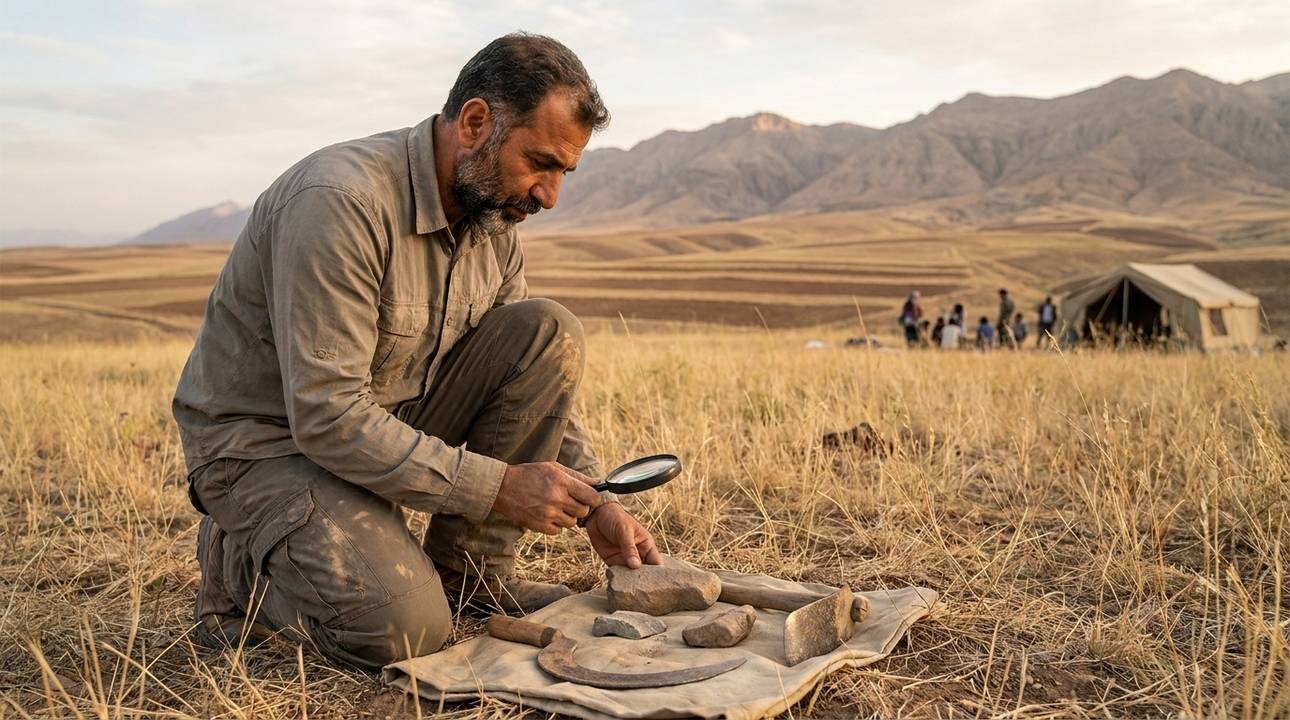
Archaeological findings in Susa, the ancient capital of Elam, and other Elamite sites provide valuable insights into their life. Excavations have uncovered temples dedicated to deities like Inshushinak, tablets inscribed with proto-Elamite script, and pottery that reveal much about their everyday activities and beliefs.
These discoveries help us understand the technological and cultural advancements of Elamite civilization. For example, the ziggurat of Chogha Zanbil, built around 1250 BCE, showcases their architectural prowess.
The tablets found at Elamite sites often contain administrative records, indicating a well-organized society. These records, comparable to those found in Mesopotamia, show trade relations with neighboring regions.
Moreover, the pottery styles found in Elamite ruins demonstrate influences from both Mesopotamian and indigenous traditions, reflecting a blend of cultures. Such artifacts are crucial for historians to piece together the daily lives and spiritual practices of the Elamites.
The ziggurat at Chogha Zanbil, recognized as a UNESCO World Heritage site, stands as a remarkable example of Elamite architecture. Built around 1250 BCE by King Untash-Napirisha, it was dedicated to the god Inshushinak. This structure is one of the best-preserved ziggurats outside Mesopotamia.
Such archaeological findings highlight the advanced architectural skills of the Elamites, showcasing their ability to construct complex and enduring structures that have withstood the test of time.
The sophistication of Elamite society is further emphasized by their intricate art and craftwork, which included detailed pottery and metalwork. These cultural artifacts provide insight into their daily lives and spiritual beliefs.
The legacy of the Elamites is evident in the way their architectural and artistic achievements continue to influence modern understanding of early societies. The craftsmanship seen in Elamite artifacts reflects a high level of skill and aesthetic sensibility.
Elamite art often depicted religious themes, with motifs representing their deities and spiritual beliefs. This art served not only as decoration but also as a means of religious expression and communication.
The discovery of elaborate jewelry and ceremonial objects further highlights the Elamites’ artistic capabilities and the importance of these items in their cultural and religious practices. These artifacts offer a glimpse into the values and priorities of Elamite society.

Elam’s Legacy in the Bible
Elam’s influence extends beyond historical records. Its interactions with Israel and other nations shaped historical narratives and prophecies. For example, in Genesis 14, Elamite King Chedorlaomer’s campaigns demonstrate its military reach.
Elam’s legacy is also reflected in its role as a symbol of judgment, illustrating its impact on regional politics and culture throughout history.
The study of Elam continues to reveal its contributions to the cultural and political dynamics of the ancient Near East. Its strategic location facilitated trade and cultural exchanges, influencing neighboring civilizations. Elam’s legacy in historical texts serves as a sign of its history and the intricate web of relationships that defined the ancient world. The archaeological findings, such as the ziggurat of Chogha Zanbil, highlight their architectural achievements.
Elam’s influence extended to its interactions with major powers like Assyria and Babylon. These relationships are documented in both historical and extra-historical sources, showcasing Elam’s role as a formidable player in regional politics. The cultural exchanges between Elam and its neighbors enriched the artistic and technological developments of the time. Elamite art and writing systems, for example, reflect a blend of indigenous and foreign influences, contributing to the culture of the ancient Near East.
As a historical entity, Elam represents the complexities of ancient geopolitics and cultural exchanges. The portrayal of Elam offers lessons about the interconnectedness of early societies and their shared histories.
Elam’s role in narratives like those found in Jeremiah and Ezekiel illustrates the lasting impressions left by Elam on historical history and its enduring influence on subsequent cultural developments.
The stories of Elam highlight the intricate relationships between early nations, offering a window into the geopolitical dynamics of the time. These narratives emphasize the importance of understanding historical contexts to fully appreciate the historical text.
Elam’s portrayal serves as a reminder of the enduring impact of early societies on our collective cultural memory. The interactions between Elam and other nations illustrate the complexities of ancient diplomacy and conflict.
Elam’s role in historical narratives is a sign of its influence and significance in the ancient world. The prophecies and stories involving Elam reflect the broader themes of judgment, restoration, and the shifting alliances of the time. These historical accounts provide valuable insights into the historical and cultural contexts of the era, highlighting the interconnectedness of early societies and their lasting legacies in historical traditions.

Understanding Elam in the Bible
