
Discovering the Valley of Zered’s Historical Importance


The Valley of Zered is a significant location mentioned in ancient texts. Known for its geographical position, it served as a natural boundary and a site of Israelite encampment during their journey. This exploration uncovers its historical relevance and its role in ancient narratives, highlighting its importance in history. Its strategic location made it a pivotal point in the Israelites’ journey.
This region’s role as a boundary between Moab and Edom underscores its significance in defining the territories of ancient peoples. Its mention in the Bible highlights the importance of geographical landmarks in shaping the narratives and experiences of those who traveled through the region.
from the Western Wall to Masada.

What Is the Valley of Zered?
The Valley of Zered, mentioned in historical texts, is an important geographical landmark. It served as a boundary between Moab and Edom. This area helped delineate tribal territories and was crucial to their migration. Its role as a boundary highlights its significance in defining the lands of different peoples, such as the Moabites and Edomites.
This location’s position as a border between Moab and Edom was instrumental in shaping the interactions and conflicts between these ancient cultures. The Israelites’ journey through this region, as described in the Torah, underscores its importance in their narrative and the broader historical context of the Near East.
The name ‘Zered’ is etymologically linked to the Hebrew root meaning ‘to exult’ or ‘luxuriant.’ This reflects the lush environment that characterized parts of the area during certain periods. In the Bible, such names often carry deeper meanings, indicative of the landscape’s fertility and abundance.
Its location aligns with wadis in the modern-day Jordan, emphasizing its historical setting in the region once inhabited by ancient peoples. Historically, this area was crucial for the Moabites and Edomites.
The lushness of this region, mentioned in the context of its Hebrew name, could have provided essential resources for these ancient communities. This natural abundance would have supported agriculture and settlement, making it a vital part of the region’s history. The environment, with its fertile grounds, would have been a significant factor in its selection as a boundary and a place of encampment.
Geographical Importance of Zered
Geographically, the Valley of Zered was crucial as it marked the southern border of Moab. It connected to other strategic areas, influencing trade and migration patterns in the ancient Near East. The terrain ranges from rocky outcrops to fertile lands, offering diverse resources.
These landscapes were important for travelers and inhabitants alike, providing necessary resources for survival and trade. The varied terrain made it a vital corridor for movement and exchange.
The strategic location of this valley facilitated interactions among different cultures, including the Moabites and Edomites. Its connection to other valleys and plains allowed for the exchange of goods and ideas, contributing to the cultural and economic development of the region. The natural resources supported agriculture and settlement.
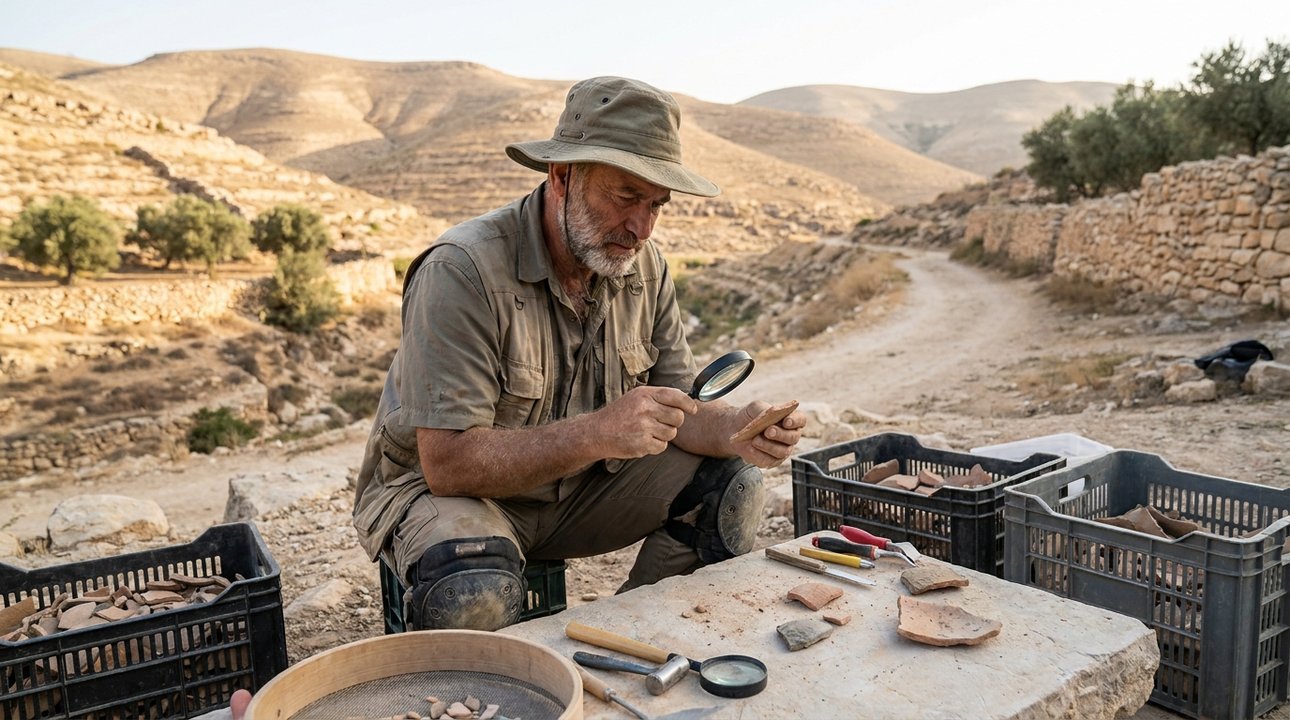
The Zered plays a key role in understanding how ancient peoples navigated the challenging landscapes of the region. Its rivers and streams were vital for agriculture and sustenance. These geographical attributes made it a natural choice for encampment during the Israelites’ journey, connecting them to nearby regions and resources. The water sources would have been crucial for sustaining life.
The strategic location provided access to essential resources, facilitating trade and interaction among ancient peoples. The Israelites’ encampment highlights its importance as a natural stopping point, offering sustenance and shelter. This strategic positioning allowed for connections to other regions, aiding in their journey through the wilderness.
Historical References to the Valley of Zered
The historical accounts recount the crossing of the Zered as a pivotal moment, marking a transition in the Israelites’ journey. They moved from wandering in desolation toward a new beginning. This passage highlights the end of a phase of exile. Symbolizing renewal and hope as they continued toward their destination, the crossing represents a significant milestone in their quest for a new beginning. It underscores the themes of transformation and guidance.
The crossing of the Zered signifies a moment of change, reflecting the Israelites’ perseverance and determination as they moved closer to fulfilling their destiny. This event in the narrative emphasizes the importance of hope and determination in overcoming obstacles and achieving one’s goals.
Understanding the Zered’s role in these narratives sheds light on its symbolic place within the journey stories. It represents moments of transformation and guidance during trials and migrations. These elements emphasize the lessons drawn from physical landscapes and journeys documented in the text. The Zered serves as a reminder of perseverance and determination.
from the Western Wall to Masada.
Cultural and Historical Context
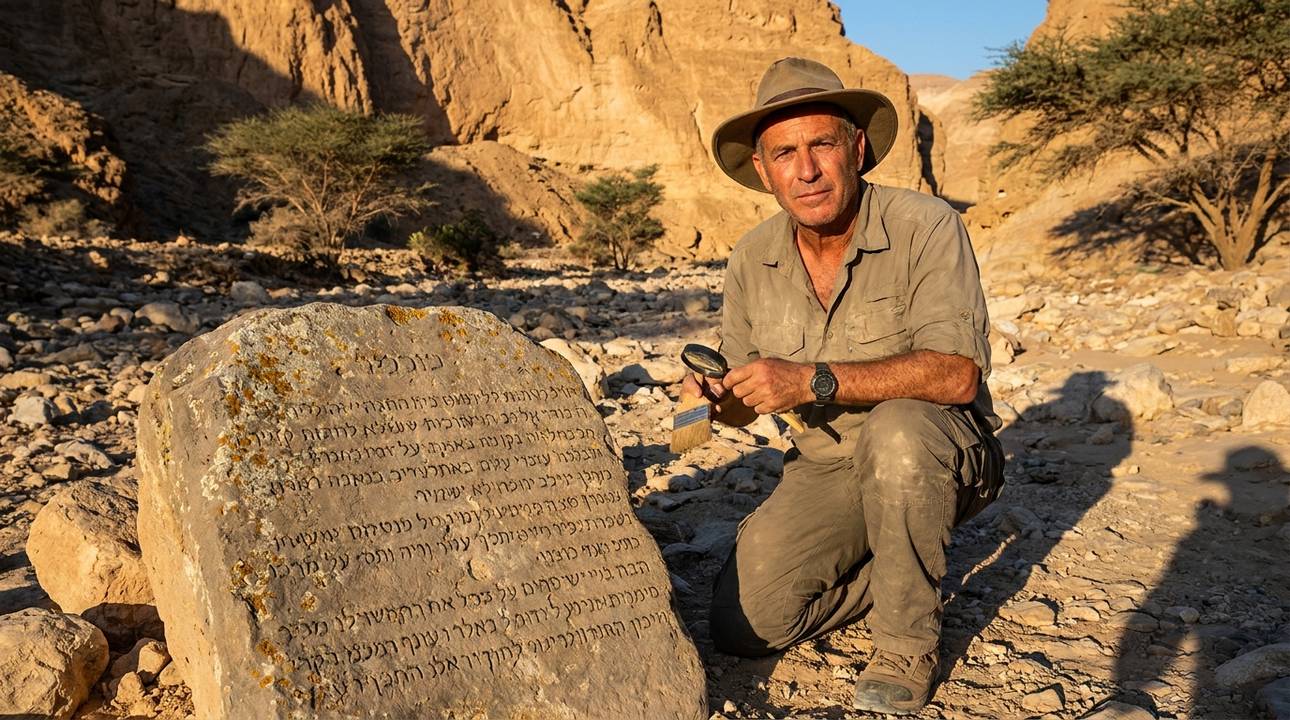
Historically, the Valley of Zered was not only a natural boundary but also a site where various cultures intersected. It witnessed the movements of different peoples, including the Moabites and Edomites, reflecting the changing dynamics of power, culture, and religion in the era. The strategic location made it a crossroads for trade and cultural exchange, highlighting its significance in the ancient Near East. The interactions between these cultures contributed to the region’s historical tapestry.
The Zered’s position as a meeting point for different cultures facilitated the exchange of goods, ideas, and traditions, enriching the cultural landscape of the ancient Near East. This dynamic environment played a crucial role in shaping the historical narratives of the region.
Archaeologically, findings in the region contribute to our understanding of ancient societies. Artifacts such as pottery shards and tools reveal the livelihood and interactions of those who lived near the Zered. These insights paint a broader picture of ancient life, offering a compelling backdrop to the historical narratives. The discoveries help piece together the daily lives and cultural practices of the people who once inhabited the area.
The Valley of Zered Today
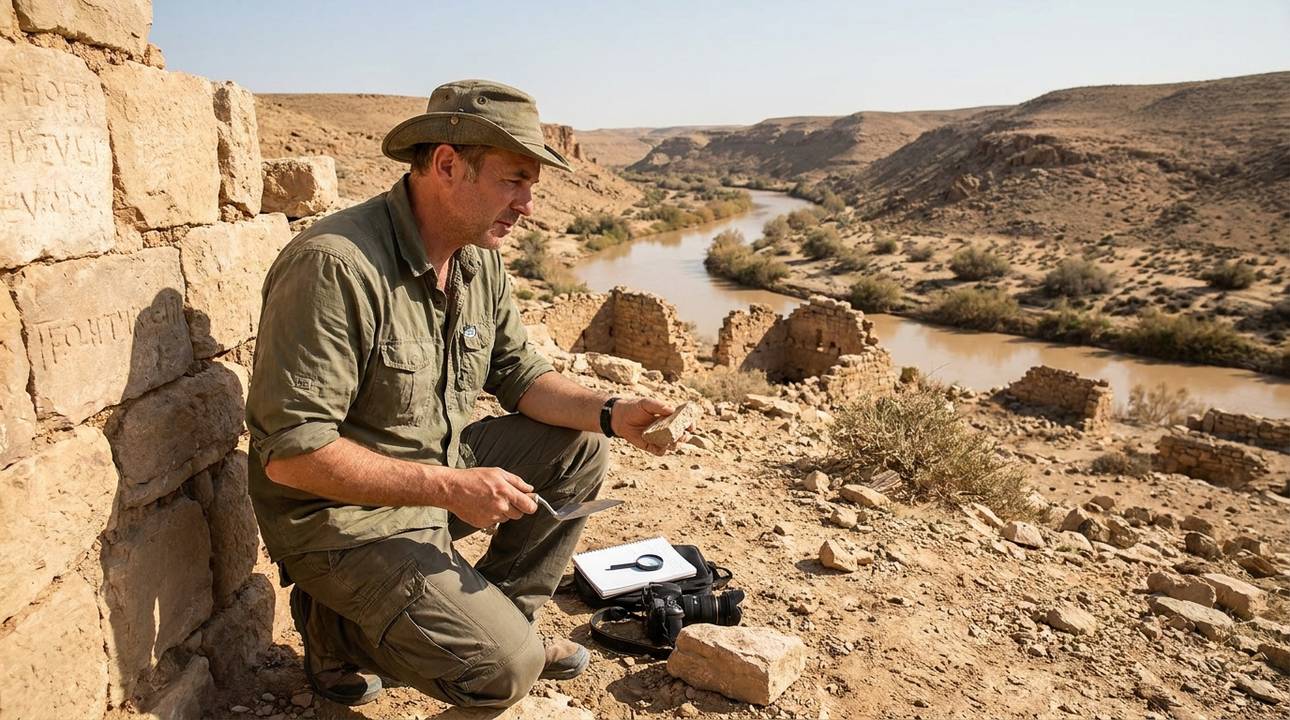
In contemporary terms, this valley lies within modern Jordan and remains an area of interest for researchers studying ancient Near Eastern history. Archaeologists and historians explore its landscape to uncover clues about ancient migrations and settlements. The terrain provides insights into the historical context. The exploration helps scholars understand the movements and interactions of ancient peoples, offering a glimpse into the past that shaped the narratives.
The landscape, with its unique geological features, continues to be a focus for research, revealing the environmental conditions that influenced ancient life. By studying this area, researchers gain a better understanding of the historical and cultural dynamics that played a role in shaping the region’s history.
Preservation and research aim to safeguard its history. By examining the environment, researchers continue to uncover links to the past. These explorations foster a deeper appreciation of cultural landscapes. Efforts to preserve the area ensure that its stories and lessons remain accessible for future generations. The ongoing research highlights the importance of maintaining these sites for educational and cultural purposes.
The preservation of the Zered allows for a continued connection to the past, showing the lives of those who once inhabited the region. By protecting this historical site, researchers and historians can continue to explore its significance, ensuring that its legacy endures for future generations to learn from and appreciate.
Significance of Zered in Jewish Heritage
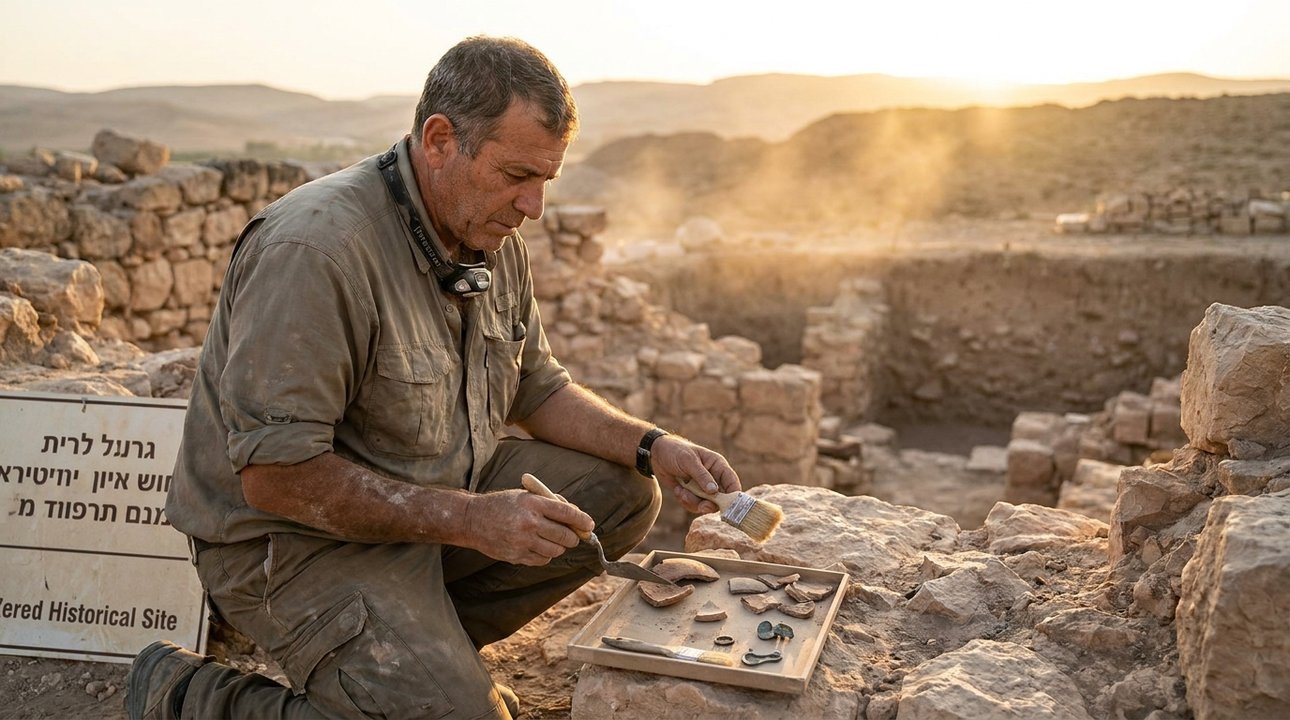
The Valley of Zered holds a special place in cultural memory and heritage. This event marks a significant transition in their journey, embodying themes of perseverance and determination. The valley serves as a geographical marker of their progress, reminding us of the resilience required to overcome challenges.
In teachings, the crossing of the Zered is a powerful symbol of transitions. It encourages lessons about endurance and the fulfillment of promises. These narrative lessons are integral to learning. The story of the Israelites crossing the Zered is still remembered, reminding us of the importance of perseverance during times of change. This moment in the narrative serves as a sign of the enduring power of hope and determination.
The crossing of the Zered represents a turning point, symbolizing the end of a period of wandering and the beginning of a new chapter in the Israelites’ journey. It serves as a reminder of the determination required to overcome challenges and achieve one’s goals.
Valley of Zered Information
