
Understanding Sheshach and Its Historical Context


Sheshach is a term found within ancient texts, intriguing scholars due to its cryptic nature. It often refers to Babylon, holding particular significance during times of prophetic literature. This article delves into the meaning of Sheshach, examining its origins, the texts it appears in, and its lasting impact on historical scholarship. Using Sheshach as a coded reference reflects the need for discretion in conveying messages during politically charged times.
The cryptic nature of Sheshach has sparked much debate among scholars, leading to various interpretations and theories. Its use in ancient texts highlights the strategic use of language to convey messages safely. By examining the origins and context of Sheshach, readers can gain a deeper understanding of the complexities of historical literature and the challenges faced by ancient writers. This exploration offers valuable insights into the interplay between language, power, and survival in historical contexts.
from the Western Wall to Masada.

What Is Sheshach in the Bible?
Sheshach is believed to be a coded reference to Babylon. The term is often seen in the context of discussions about the fall of empires. Scholars suggest that a cipher known as ‘Atbash’ was used to create this code. The purpose of such encoding may have been to veil messages during politically sensitive times. Understanding Sheshach provides insight into the methods of ancient writers. This technique allowed them to communicate critical messages while avoiding direct confrontation with powerful rulers.
Employing the Atbash cipher to create the term Sheshach demonstrates the ingenuity of ancient scribes. By encoding messages, they could discuss powerful empires like Babylon without fear of retribution. This method of cryptic writing is a sign of the complexity of ancient texts and the careful consideration given to conveying messages safely. It highlights the balance between truth-telling and self-preservation, a theme that resonates throughout history and offers valuable lessons for readers today.
The Atbash Cipher Explained
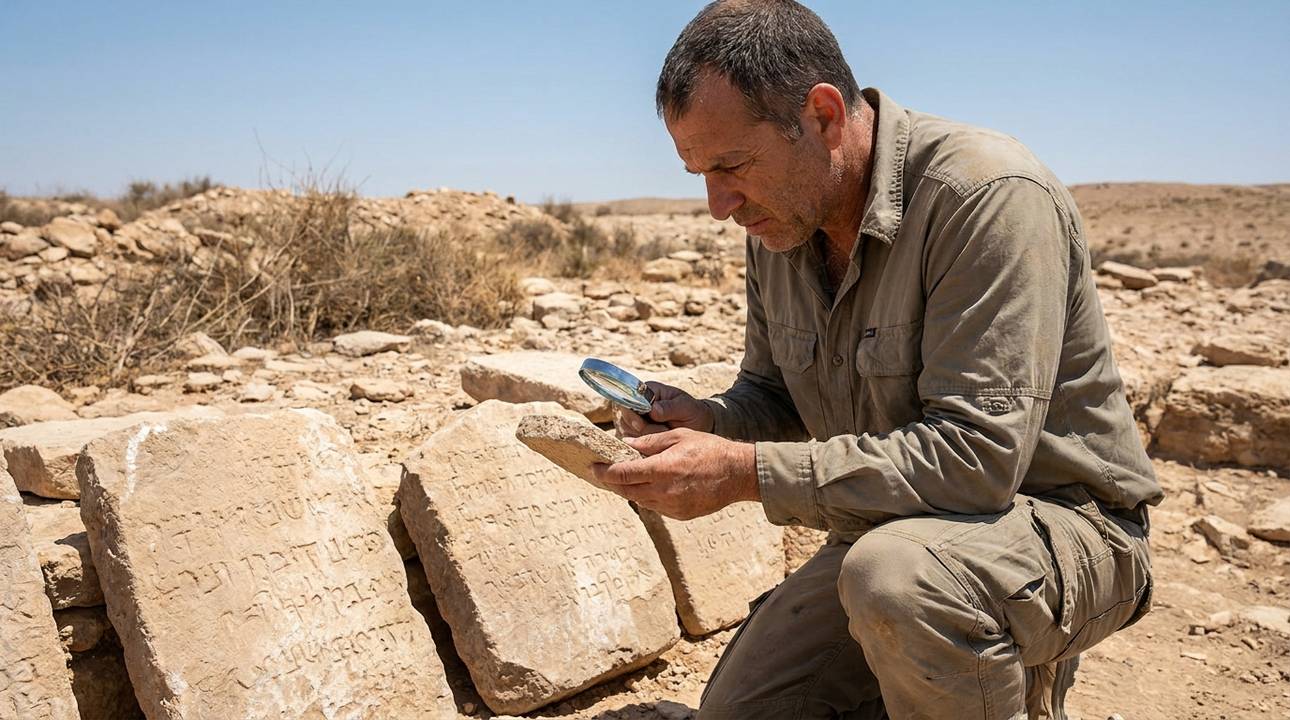
The Atbash cipher involves substituting each letter with its opposite in the Hebrew alphabet. For example, Aleph would be replaced with Tav. This technique is found in Jewish literature as a form of cryptic writing. Sheshach, decoded via Atbash, spells out Babel, aligning with Babylon.
This approach sheds light on how ancient communities encoded politically sensitive information for safety. Such methods allowed for the safe transmission of messages during tumultuous times, ensuring that only those with the key could understand the true meaning.
Using Atbash in ancient texts demonstrates the ingenuity of ancient scribes. By encoding messages, they could discuss powerful empires like Babylon without fear of retribution. This method is not unique to these texts; similar techniques have been found in other ancient cultures as well. The ability to encode and decode messages was crucial for maintaining secrecy and protecting the lives of those who spread these warnings. This highlights the complex interplay between language, power, and survival in historical contexts.
Understanding this decoding method enriches the study of encounters with empires. The Atbash cipher, used to encode Sheshach, is an example of such methods. This cipher involves reversing the Hebrew alphabet, where Aleph becomes Tav and Bet becomes Shin, creating a layer of secrecy. It highlights how messages could evade immediate understanding by adversaries while still conveying important warnings. Sheshach is used to discreetly refer to Babylon, allowing writers to communicate sensitive information without risking persecution.

Sheshach in Prophetic Literature
Sheshach is used within prophecies concerning Babylon’s fate. These sections stress Babylon’s dominance and eventual fall, framing Sheshach as a symbol of judgment. The repeated use in such prophecies underscores its importance in conveying messages discreetly. By using coded language, the writers could deliver warnings without directly confronting the powerful rulers of Babylon, ensuring their messages were preserved.
Sheshach in prophecies also highlights the strategic use of language in ancient texts. By encoding messages, the writers could protect themselves and their communities from potential retribution. This practice of using coded language reflects the broader theme of wisdom and caution in the face of powerful adversaries. It underscores the importance of discretion and the need to balance truth-telling with self-preservation, a lesson that remains relevant in various contexts today.
These references add depth to understanding ancient views of geopolitical events. They reflect both the historical challenges faced and the narrative woven by prophetic voices. Coded language such as Sheshach allowed writers to convey messages that could evade immediate detection by foreign powers, preserving their intent.

Historical Context of Babylon
Babylon was a major empire in ancient Mesopotamia, known for its architecture, culture, and military prowess. Understanding Babylon’s significance in history helps contextualize why Sheshach was coded. Its role as a formidable power provided both a real and symbolic focal point for prophecies. The city is mentioned in numerous historical texts, highlighting its influence and the threat it posed to neighboring regions.
Babylon’s architectural marvels are emblematic of its ambition and technological advancement. These structures not only demonstrated the empire’s power but also its desire to reach beyond earthly limits. The city’s cultural and intellectual achievements were equally impressive, with advancements in mathematics, astronomy, and law that influenced the entire ancient world. These factors made Babylon a symbol of both human achievement and hubris, a duality that is captured in the portrayal of Sheshach.
Understanding Babylon’s importance in the Near East enriches our grasp of its portrayal in historical texts. Babylon was a major center of power, influencing regions from the 18th to the 6th century BCE. Its strategic location along the Euphrates River made it a hub for trade and cultural exchange. The name Sheshach mirrors Babylon’s complexities and the encoded warnings of its demise. This prophecy serves as a cautionary tale of the dangers of hubris.
Babylon’s influence extended beyond its military might, as it was also a center of learning and culture. The city’s libraries and schools attracted scholars from across the ancient world, fostering an environment of intellectual growth. This cultural richness, however, was often overshadowed by the empire’s ambition and desire for dominance. The portrayal of Sheshach captures this duality, serving as a reminder of the transient nature of power and the enduring value of humility and wisdom.
from the Western Wall to Masada.

Archaeological Insights into Babylon
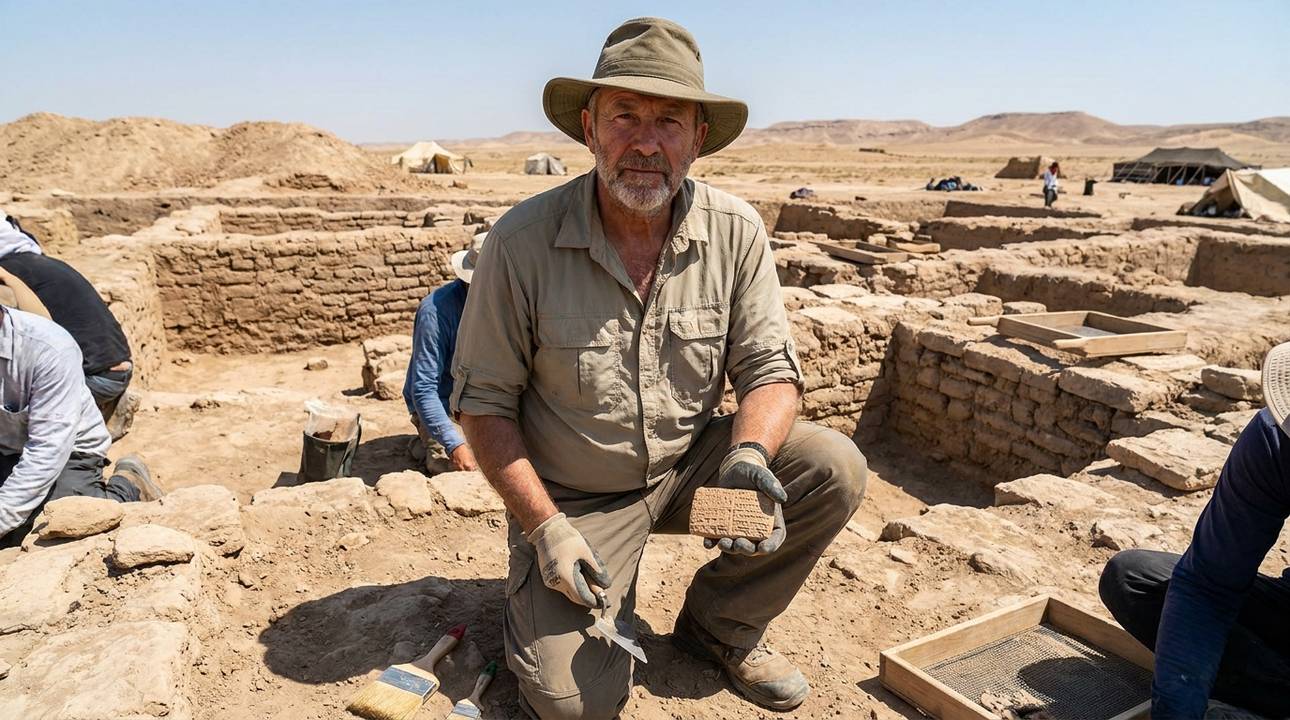
Archaeological excavations in Babylon have uncovered remnants of its illustrious past, from temples to grand walls. These discoveries align with its depiction as an influential empire in historical narratives. For example, the Ishtar Gate, constructed around 575 BCE, was one of the city’s grand entrances and is mentioned in various historical texts. Artifacts and city layouts found in Babylon reveal its prominence and provide material evidence confirming descriptions found in historical accounts. The Hanging Gardens, one of the Seven Wonders of the Ancient World, are another a sign of Babylon’s grandeur.
These archaeological insights not only confirm historical accounts but also enrich our understanding of the ancient world. The city of Babylon was a hub of culture and power. Excavations have revealed intricate city planning and advanced construction techniques, showcasing the city’s strategic importance. The discoveries also highlight Babylon’s role as a center of learning and culture, with libraries and schools that were unparalleled at the time. These findings paint a vivid picture of why Babylon was a focal point in historical narratives.
These archaeological insights strengthen our understanding of Babylon’s historical and cultural context. Excavations at sites like Babylon reveal its grandeur and influence. The city’s impressive architecture, including the famed ziggurats, showcased its technological prowess. They paint a clearer picture of why it was significant enough to be referenced cryptically as Sheshach. The city’s impressive architecture and strategic location made it a formidable power in the ancient world. These findings confirm the depiction of Babylon as a dominant empire.
The archaeological discoveries also provide tangible evidence of Babylon’s role as a cultural and economic hub. The city’s markets and trade routes connected it to distant regions, facilitating the exchange of goods and ideas. This connectivity contributed to Babylon’s wealth and influence, making it a key player in the ancient Near East. The references to Sheshach reflect this prominence, highlighting the city’s impact on the surrounding nations and its eventual downfall as a lesson in humility.
Sheshach’s Symbolic Role in Jewish Tradition
Within Jewish tradition, Sheshach symbolizes resistance against oppression. It acts as a metaphor for hidden strength and the inevitable downfall of those who challenge authority. This symbolic resonance adds layers of meaning to the historical role of Babylon. The story of resilience in the face of adversity showcases strategic thinking leading to the salvation of people, illustrating the power of courage and determination in overcoming seemingly insurmountable challenges.
The symbolism of Sheshach as a representation of hidden strength is echoed in other narratives. The tale of Joseph, who rose to power in Egypt despite numerous challenges, mirrors this theme. These stories serve as timeless reminders of the potential for triumph over adversity through perseverance. They highlight the human spirit and the belief that justice and righteousness will ultimately prevail, offering hope and inspiration to readers across generations.
Sheshach’s mention serves as a reminder of perseverance, a theme that has persisted through various narratives and writings. The story of Daniel in Babylon exemplifies this theme, showing determination amidst adversity. Daniel’s unwavering belief in his principles, even when faced with persecution, is a powerful sign of inner strength. It highlights the balance between power and humility in the face of judgment. This duality is evident in the downfall of proud empires, as depicted in prophetic literature. The perseverance of individuals like Daniel is still remembered by readers today.
The narrative of Sheshach and its associated themes of perseverance and humility are echoed in other stories as well. For example, the tale of courageously standing up to save people mirrors the same spirit of determination. These stories serve as timeless reminders of the power of standing firm in one’s beliefs. They illustrate how individuals can effect change even in the face of overwhelming odds, reinforcing the enduring message of hope and perseverance found in historical texts.

Connecting Sheshach to Modern Interpretations
Modern interpretations of Sheshach continue to evolve as scholars explore its layered meanings. The term symbolizes Babylon’s impending doom. This prophecy was a warning to the nations about the consequences of defying authority. It is viewed as a sign of the enduring complexity of historical literature. Today’s discussions often focus on its role in reminding current generations of historical lessons about power and humility. The fall of Babylon serves as a powerful reminder of the transient nature of human empires.
Sheshach as a coded reference also reflects the need for discretion in conveying messages during politically charged times. By using such codes, prophets could communicate warnings without inciting immediate backlash from powerful rulers. This practice underscores the importance of wisdom and caution in the face of oppression. As scholars delve deeper into these texts, they uncover layers of meaning that continue to resonate with readers today, showing the human condition and the timeless struggle between power and morality.
The continued exploration of Sheshach underscores the mix of historical literature. Scholars often examine texts to understand its implications. It encourages deeper connections with historical contexts and inspires reflective engagement with ancient texts. By studying these references, readers can appreciate the intricate ways in which authors conveyed messages about power and morality.
General Questions
