
Understanding the Amalek Map and Its Impact


The Amalekites are an ancient people noted for their conflicts with the Israelites. This article examines the geographical locations associated with the Amalekites through historical maps, shedding light on their role in ancient narratives.
Amalek’s history offers insight into ancient territories. Their geographical locations reveal the strategic importance of their areas and the challenges faced by the Israelites.
from the Western Wall to Masada.
Their presence in the Negev region is noted, where they are listed among the peoples inhabiting the land. These references provide insights into the landscape of the time.
The Amalekites’ position in the Negev allowed them to confront the Israelites during their journey. This region’s harsh terrain provided natural defenses and opportunities for ambush, as described in various passages.
Who Were the Amalekites?
Introduced as descendants of Esau’s grandson, Amalek, the Amalekites are known for their attacks during the Exodus journey. Their influence spread across the Negev and southern regions, where they posed challenges to the Israelites.
The Amalekites’ hostility towards the Israelites is a theme in historical accounts, highlighting their role as adversaries. This enmity is explored in historical narratives.
Amalek’s relationship with Israel is illustrated in accounts such as the Battle of Rephidim, where leadership played a crucial role. These early accounts show a narrative of conflict and territory.
The Battle of Rephidim underscores the significance of leadership and unity in overcoming adversity. Actions supported by others highlight the importance of perseverance in the face of challenges.
This event is further elaborated, where the Israelites are reminded of Amalek’s attack and the command to remember such hostility. These accounts highlight the themes of survival and the struggle for peace.
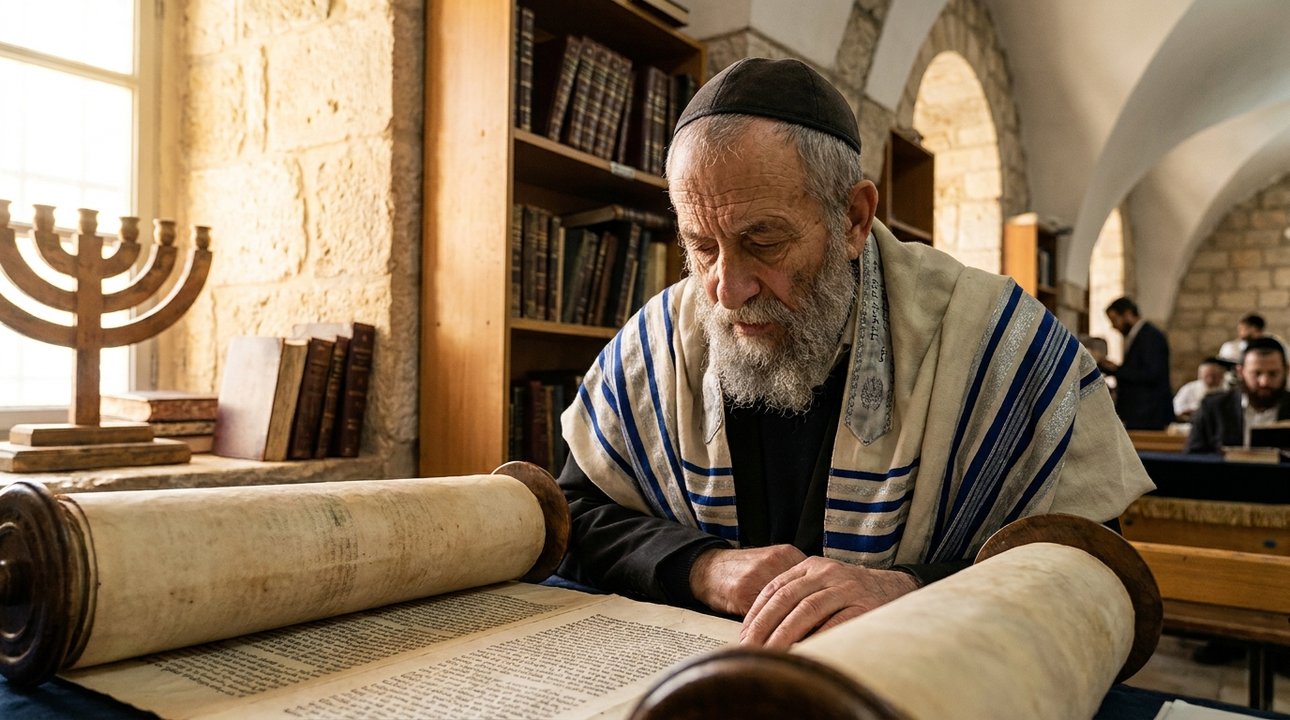
The passage in Deuteronomy emphasizes the need to remember past adversities and the imperative to address them. This command is reiterated in the annual reading of the Torah portion Zachor.
The Geographical Landscape of Amalek
Traditionally, the Amalekites inhabited the desert areas of the Negev, a region that provided them with strategic advantages. The harsh terrain allowed them to launch surprise attacks on the Israelite tribes, as noted in various accounts. Their presence in this area is marked on numerous historical maps, highlighting their significance in Israel’s formative history.
The Negev’s landscape, with its rugged mountains and arid conditions, offered the Amalekites natural defenses and opportunities for ambush. This terrain played a crucial role in their ability to confront the Israelites. Historical maps and accounts provide a deeper understanding of the dynamics of the time, illustrating the interactions between the Amalekites and the Israelites.
According to some sources, historical maps like the one attributed to Bar-Jacob in the Amsterdam Haggadah from 1695, feature territories associated with Amalek. These maps serve as valuable tools for understanding the ancient landscape, showing the borders and conflicts of the time. Studying these maps, we gain a clearer picture of the regions historically significant and the stories surrounding the Amalekites.
The visual representation of these territories helps to comprehend the strategic importance of Amalek’s location. The maps not only illustrate the physical boundaries but also reflect the historical tensions and interactions between different groups, including the Israelites.
Amalek in the Bible: Key Battles and Events
Historical accounts highlight several confrontations between the Israelites and Amalekites. The battle at Rephidim is a significant conflict stemming from their historical hostility.
In historical accounts, failure to completely overcome the Amalekites led to significant consequences, affecting leadership and relationships. This story highlights the importance of addressing challenges and the lessons drawn from these encounters.
The enduring enmity is reflected in the command to remember Amalek, symbolizing a struggle not only against a physical enemy but also against an embodiment of hostility. This command is reiterated in the annual reading of the Torah portion Zachor.
The command to remember Amalek’s hostility underscores the importance of addressing enmity. This annual reading serves as a reminder of the principles that guide community life.
Reflecting on Amalek’s story, we gain insights into the complexities of human relationships and the importance of addressing past grievances.
Archaeological Insights into Amalekite Territory
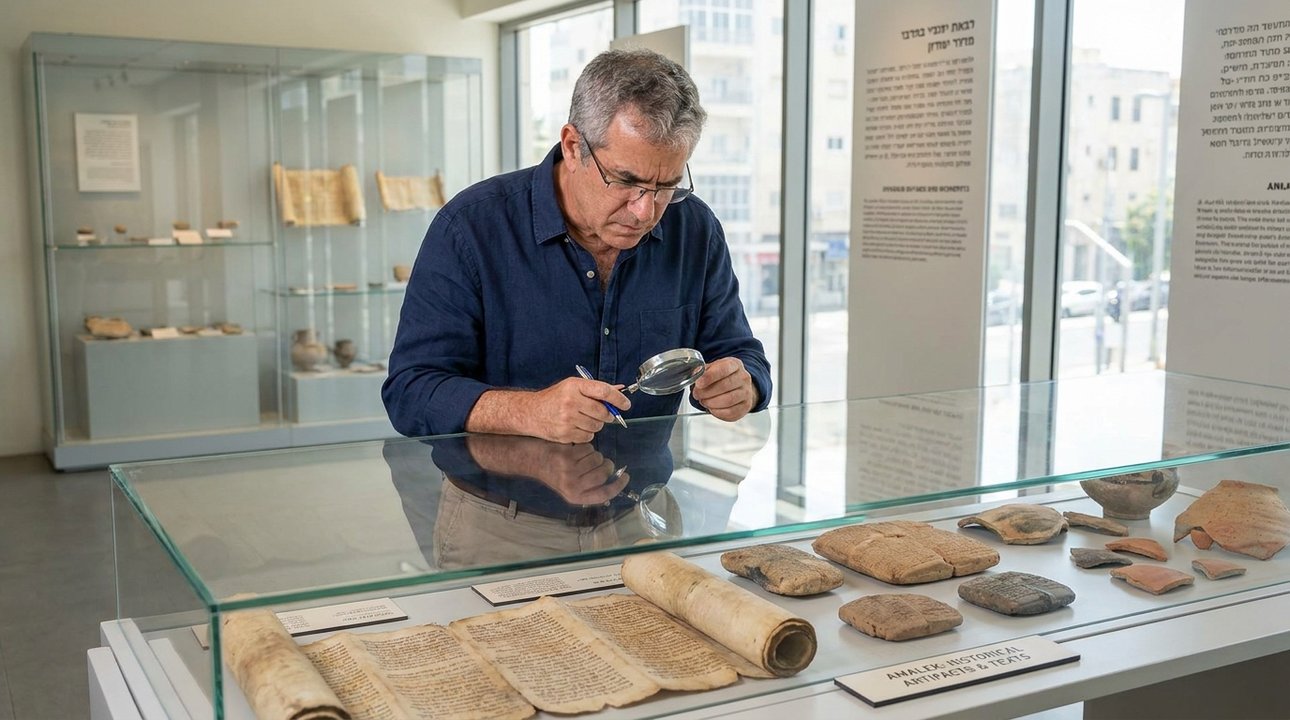
Archaeology offers insights into the region the Amalekites once occupied. Discoveries in southern regions provide an understanding of their settlements, although definitive links to specific sites attributed to the Amalekites remain elusive. The Negev and Sinai regions, where they are believed to have roamed, are rich in archaeological finds that hint at the presence of nomadic tribes, offering valuable context for understanding the broader historical landscape.
from the Western Wall to Masada.
The archaeological record in the Negev and Sinai regions highlights the challenges of reconstructing the history of nomadic tribes like the Amalekites. These areas are rich in finds that suggest the presence of early peoples, yet definitive evidence of Amalekite settlements remains elusive. These discoveries contribute to our understanding of the region’s history and the interactions between different groups in early times.
While no direct evidence of Amalekite settlements has been found, the archaeological record includes sites such as Tel Arad and Ein Gedi. These locations provide context for understanding the broader cultural and historical landscape of the region. Findings at these sites help paint a picture of the environment in which the Amalekites lived and interacted with other ancient peoples, showing their way of life and societal structures.
Archaeological discoveries in the Negev and surrounding areas offer glimpses into the life of nomadic tribes. Although definitive links to specific sites attributed to the Amalekites remain elusive, these findings contribute to our understanding of the region’s history. The lack of concrete evidence highlights the challenges of reconstructing the history of nomadic tribes, whose transient lifestyles leave few traces.
Explorations of ancient inscriptions and ruins suggest a broadly defined area consistent with historical accounts. Yet, the ethno-archaeological evidence is sparse, leaving much of the Amalek narrative grounded in historical rather than material records.
The sparse archaeological evidence underscores the reliance on historical accounts to understand the history of the Amalekites. These stories provide valuable insights into the interactions and conflicts of the time, offering a lens to explore the complexities of ancient geopolitics.
Historical references provide the primary sources for understanding the Amalekites. These texts describe their interactions with Israel and the lessons drawn from these encounters.
The accounts of Amalek offer insights into the challenges faced by the Israelites and the imperatives that guided their actions. These stories emphasize the importance of addressing enmity and the need for vigilance in preserving unity.
Legacy of Amalek in Historical Context
Amalek’s narrative serves as a historical lesson about ancient struggles. Discussions focus on the themes learned from these stories, reflecting on themes of memory, justice, and reconciliation.
Amalek’s narrative invites consideration of the broader implications of historical conflicts. By studying these stories, insights into the complexities of human relationships and the importance of addressing past grievances are gained.
Key discussions regarding Amalek reflect on human conflict and historical memory. As a teaching tool, these stories urge reflection on values and affiliations that shape societal views. The Amalekites are frequently cited in discussions about the nature of enmity and reconciliation.
The story of Amalek serves as a cautionary tale about the dangers of unchecked hostility. Such accounts encourage modern readers to consider how historical memory influences contemporary identities.
Conclusion: the Legacy of Amalek
The legacy of the Amalekites continues to resonate in cultural contexts. Through maps and historical accounts, their story offers a view into the dynamics of ancient territories. They are depicted as a nomadic tribe. Their interactions with the Israelites highlight their role as persistent adversaries.
The Amalekites’ presence in the Negev and Sinai regions underscores their strategic importance in ancient trade routes. Their conflicts with Israel, such as the battle at Rephidim, are pivotal in understanding the territorial disputes of the time. These stories are not just about warfare but also about the struggle for identity and survival.
Reflecting on these accounts allows appreciation of the multifaceted interaction of geography, history, and faith, exploring how ancient symbols like Amalek shape identity and community even today. The Amalekites serve as a reminder of the historical conflicts that have shaped the Jewish people’s journey.
The command to remember Amalek’s deeds highlights the enduring impact of these stories. This command is not just about erasing a people but about addressing hostility. Today, Amalek’s story is often used to discuss themes of perseverance and the importance of standing against adversity.
Historical Context and Modern Perspectives
