Exploring the Historical Land of Gilead
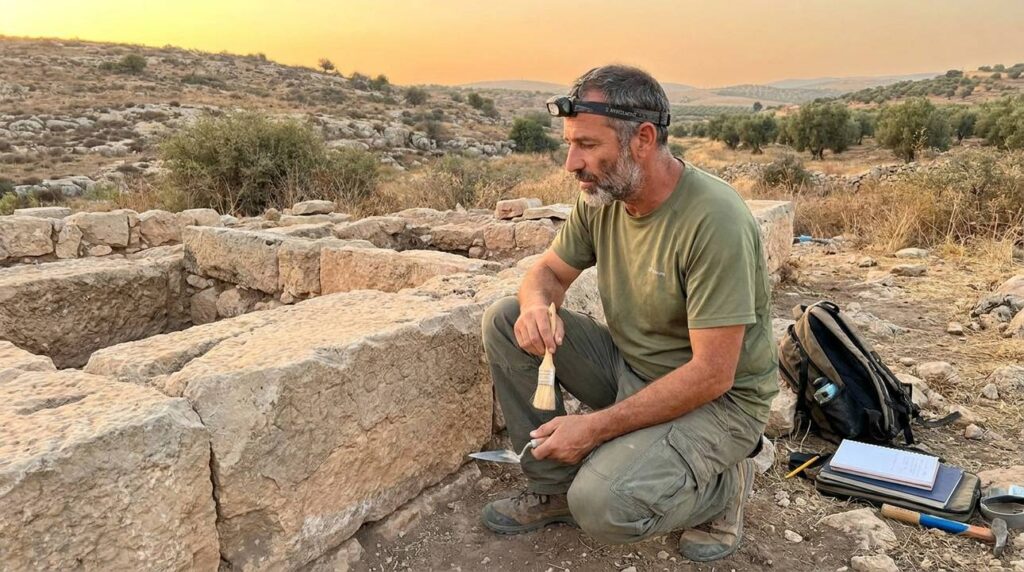

Gilead is a region in historical Israel located east of the Jordan River. It holds a unique position due to its significance in narratives involving the tribes of Reuben, Gad, and half of Manasseh. These tribes requested land in Gilead for its fertile pastures.
The area is noted for its geographical features and events that shaped its place in lore. Gilead’s lush landscapes and strategic location made it a site of many significant events, including battles and covenants.
Gilead’s fertile land and strategic position played a crucial role during the time of the Judges, where Jephthah led the Israelites against the Ammonites. This highlights its importance as a land of refuge and conflict.
Its mountainous terrain provided both protection and a vantage point, making it a desirable location for settlement and defense.
from the Western Wall to Masada.
What Is Gilead and Where Is It Located?
Gilead, known in historical texts as a mountainous region east of the Jordan River, defined the boundary for tribes such as Reuben, Gad, and half of Manasseh. This location offered fertile land ideal for agriculture. This land was allocated to these tribes, providing them with a strategic and resource-rich area.
Events often occurred here, including pivotal battles and peace pacts. The land’s fertile soil and abundant resources made it a vital area for sustaining the tribes’ agricultural and pastoral activities.
With its rolling landscapes and important routes, Gilead was vital for the economy and defense in historical times. Its position along major paths facilitated the exchange of goods and ideas, contributing to its cultural and economic vitality.
The rugged terrain also served as a refuge for those seeking safety, highlighting its role as a sanctuary.
Gilead and Its Historical Mentions
Historical texts mention Gilead numerous times, highlighting its importance in stories like the conflict between Jephthah and the Ammonites and as the birthplace of figures like Elijah. Elijah, known as “Elijah the Tishbite,” hailed from Gilead, emphasizing the region’s significance.
References to Gilead’s balm, a valuable medicinal resin, illustrate its role in healing, questioning, ‘Is there no balm in Gilead?’ This question emphasizes Gilead’s renowned healing properties.
The balm of Gilead was among the goods carried by traders, highlighting its value in ancient commerce. This resin was sought after for its healing properties and was traded widely, connecting Gilead to broader economic networks. The legacy of Gilead’s balm in texts and its metaphorical use in songs and hymns reflect its cultural role, symbolizing healing and restoration.
The Geographical Features of Gilead
Characterized by its mountainous terrain and abundance of resources, Gilead provided strategic advantages in defense and settlement. The land’s topography included fertile valleys suitable for farming and pastures for livestock.
Natural defenses provided by its hills made Gilead a desirable location for fortifications and trade posts, enhancing both security and commerce. Historical texts mention Gilead’s strategic importance in battles and alliances, where the Ammonites camped in Gilead during their conflict with Israel.
The region’s natural resources, including its forests and water sources, supported a thriving agricultural economy. Gilead’s location along major trade routes facilitated the exchange of goods and ideas, contributing to its cultural and economic vitality.
The area’s rugged terrain also served as a refuge for those seeking safety, highlighting its role as a sanctuary. This natural fortification provided protection and a strategic advantage in times of conflict.
Gilead’s fertile land and abundant water sources made it an ideal location for agriculture, supporting crops and livestock that sustained the local population. The region’s forests provided timber and other resources essential for building and trade. The strategic location of Gilead along trade routes allowed it to become a center for commerce, where traders from different regions exchanged goods and ideas, enriching the culture of the area.
How Gilead’s Balm Became Legendary
Gilead’s balm, a resin sourced from local trees, gained legendary status for its purported healing properties. This balm became synonymous with relief and restoration, used across the ancient Near East.
The balm’s reputation is engrained in the cultural memory, symbolized in literature and liturgy as a metaphor for healing and hope. Historical texts reference this balm as a remedy for the wounds of the people, highlighting its symbolic significance in healing narratives.
The balm of Gilead was not only a physical remedy but also a cultural symbol. The balm is listed among the goods carried by traders, indicating its value and widespread trade. This underscores its importance in ancient commerce and its role in connecting different cultures through trade routes. The balm’s legacy in texts and its metaphorical use in songs and hymns reflect its cultural role, symbolizing healing and restoration.
The balm’s reputation for healing made it a sought-after commodity in historical times, and its trade helped establish Gilead as a key player in regional commerce. The metaphorical use of the balm in literature and texts underscores its symbolic power as a source of comfort and healing.
Its mention further highlights its significance, as it was used to question the possibility of healing for Egypt, illustrating the balm’s recognized efficacy and symbolic meaning.
The Tribes of Gad, Reuben, and Manasseh in Gilead
The region of Gilead is historically associated with the tribes of Gad, Reuben, and half of Manasseh. These tribes sought land east of the Jordan for its resources and defenses. The allocation of land to these tribes formed a tribal boundary that carried economic and cultural role. This land was chosen for its fertile pastures and strategic location, providing security and sustenance for the tribes.
The tribes’ decision to settle in Gilead was influenced by the region’s abundant resources, which supported their agricultural and pastoral lifestyles. The fertile land allowed them to cultivate crops and raise livestock, ensuring their prosperity.
Gilead’s strategic location also offered protection from potential invaders, making it an ideal choice for settlement. The tribes’ presence in this region contributed to the cultural and economic development of the area.
The decision to settle in Gilead was made after negotiations, who granted their request on the condition that they assist in the conquest.
This agreement underscores the cooperative and strategic planning among the tribes, reflecting the importance of Gilead in the broader narrative of settlement. The region’s resources, including its fertile land and water sources, were crucial for sustaining the tribes’ agricultural and pastoral activities.
from the Western Wall to Masada.
The tribes’ commitment to aiding in the conquest was a strategic move that ensured their settlement in Gilead. This cooperation highlights the interconnectedness of the tribes and their reliance on one another for survival and prosperity.
Gilead’s fertile land and abundant resources provided the tribes with the means to thrive, supporting their agricultural and pastoral endeavors and contributing to the overall stability of the community.
Prophets and Their Connection to Gilead
Elijah, a prominent figure in historical texts, is traditionally understood to have hailed from Gilead. His connection to the region underscores Gilead’s relevance in narratives.
Elijah’s life and work in places like Mount Carmel further highlight Gilead as a backdrop of significant events and teachings. Elijah is described as “Elijah the Tishbite, of the inhabitants of Gilead,” emphasizing his origins and the authority he carried.
Elijah’s association with Gilead is significant, as it connects the region to pivotal moments in history. His mission, including his challenge to the prophets of Baal on Mount Carmel, showcases the events that took place in these lands.
Gilead’s rugged terrain and isolation provided a fitting setting for Elijah’s solitary life and his encounters, reinforcing the region’s significance.
Elijah’s dramatic confrontation with the prophets of Baal on Mount Carmel is a sign of his profound influence and the events of the time. Gilead’s rugged terrain and isolation provided a fitting setting for Elijah’s solitary life and his encounters. His journey through this region, including his sustenance by ravens at the Brook Cherith, highlights Gilead’s role as a place of encounters and revelations.
Elijah’s experiences in Gilead, such as being fed by ravens at the Brook Cherith, underscore the region’s significance as a place of provision and protection. This event illustrates the depth of the area.
Gilead’s role in Elijah’s story emphasizes its importance as a setting for interventions and missions, reinforcing its historical relevance in the narrative.
Archaeological Insights into Gilead
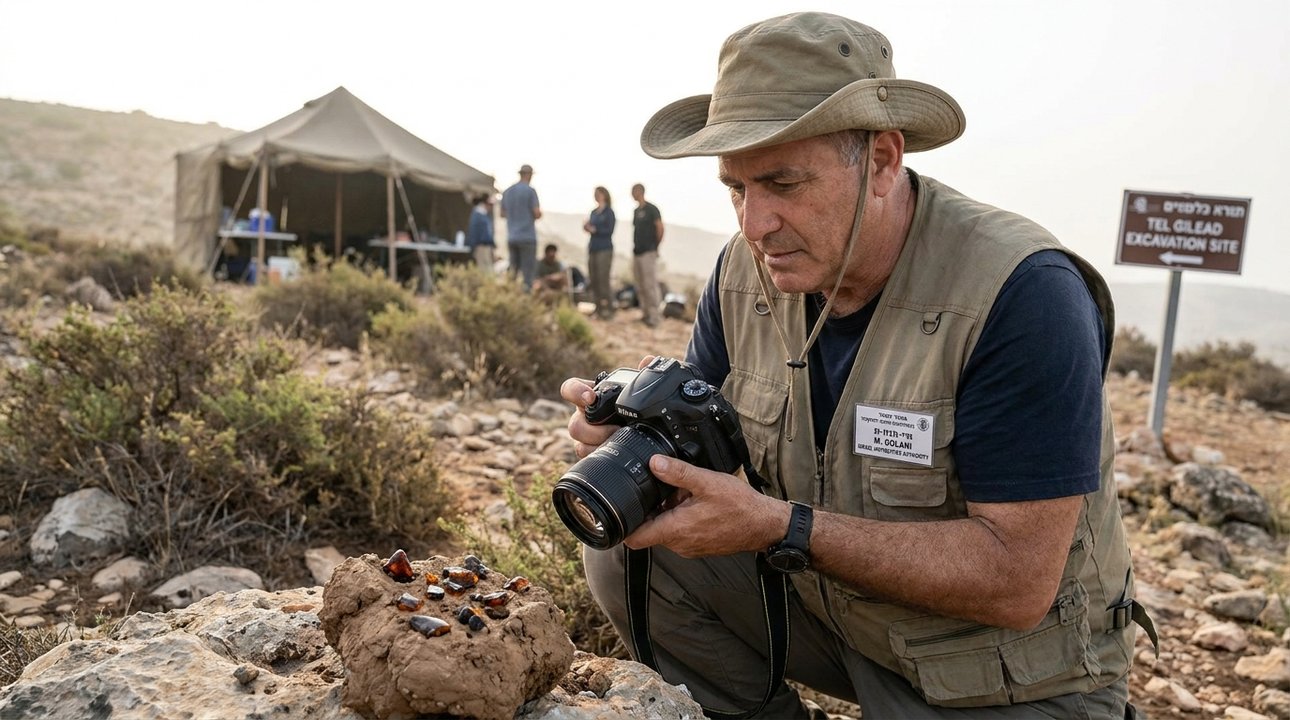
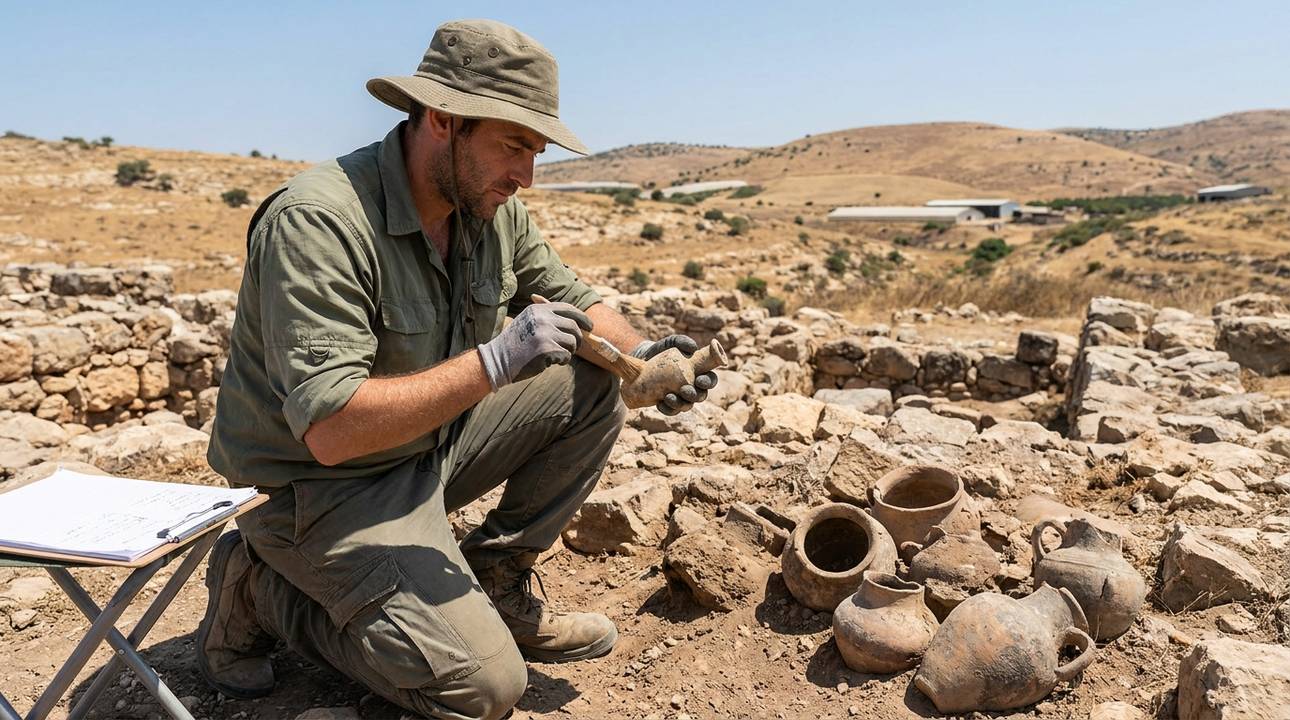
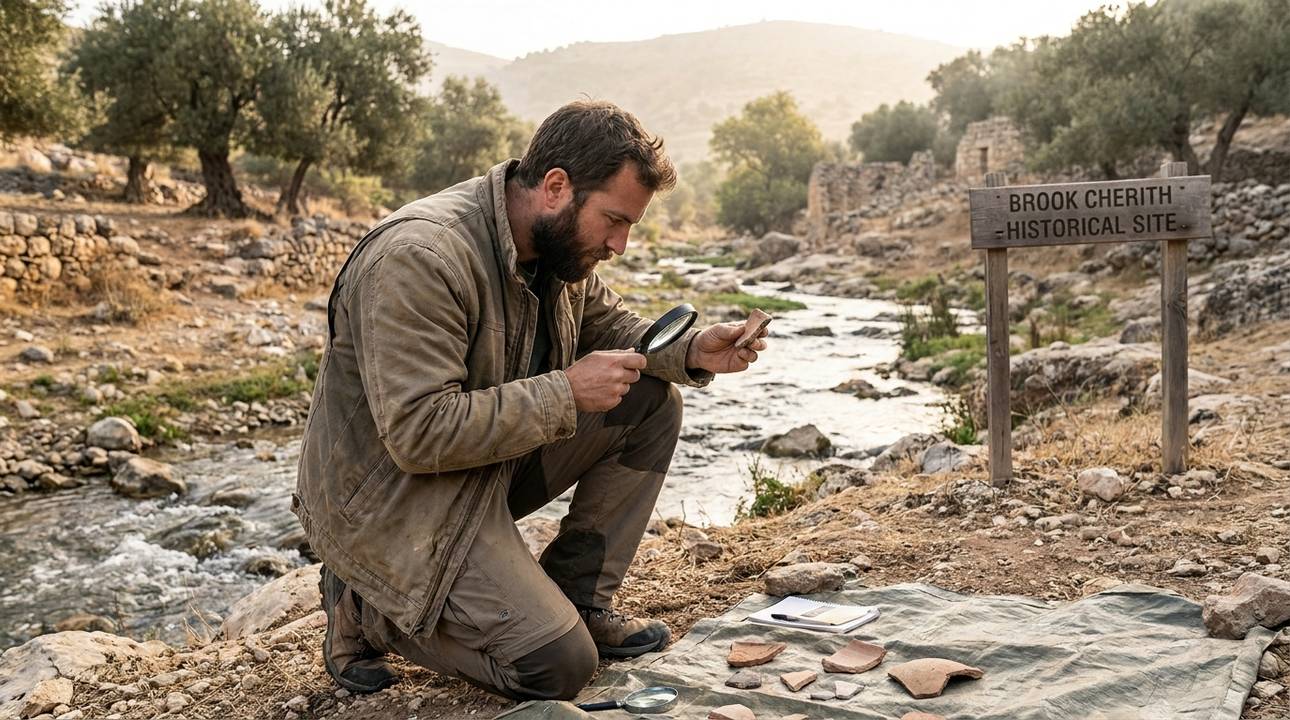
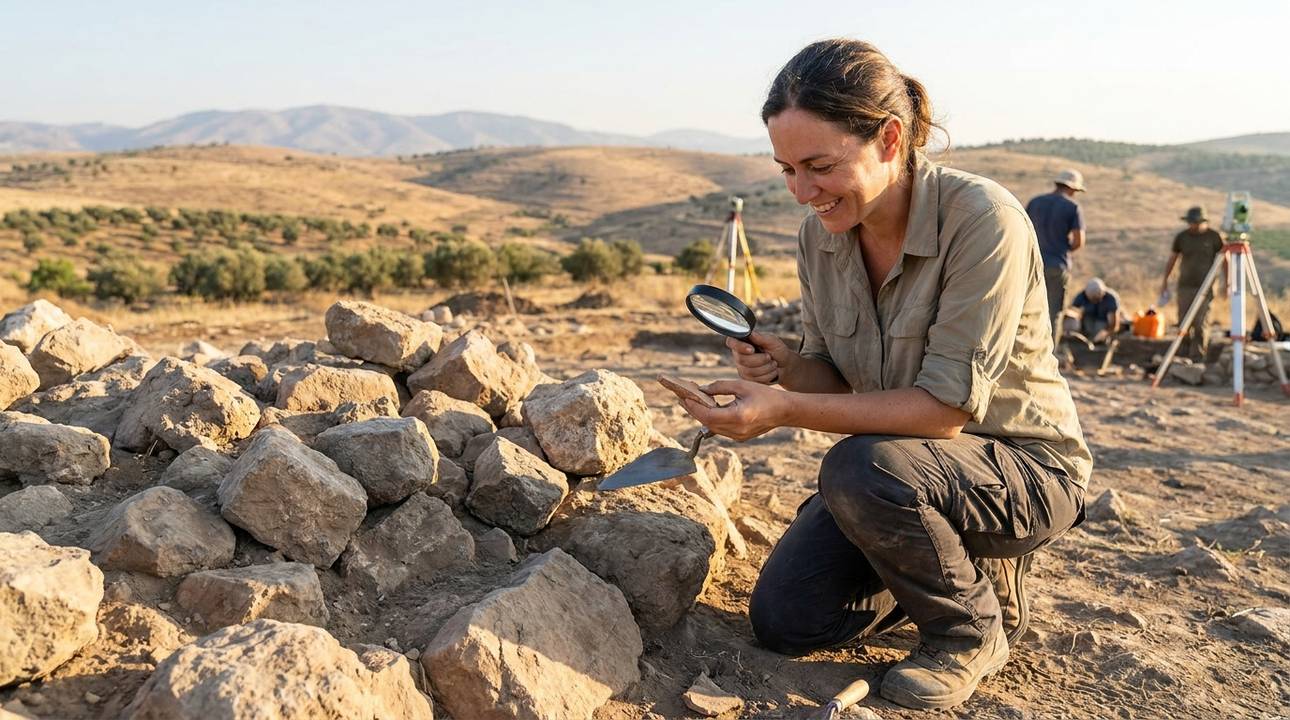
Archaeological explorations in Gilead reveal significant findings from historical times. Sites such as Umm Qais provide insights into the region’s historical inhabitants and their way of life. These digs uncover artifacts that shed light on the region’s role in trade and daily life, enhancing our understanding of Gilead’s diverse culture. Excavations have unearthed pottery, coins, and inscriptions that indicate a history of interaction with neighboring cultures and the strategic importance of Gilead in trade networks.
The ancient city of Gadara, near present-day Umm Qais, was part of the Decapolis, a group of ten cities on the eastern frontier of the Roman Empire. This highlights Gilead’s integration into larger geopolitical structures and its influence in regional politics and commerce.
The presence of Roman architecture and artifacts in these sites illustrates the cultural exchanges and the layered history that defines Gilead’s past. Gadara was known for its intellectual and cultural contributions, attracting philosophers and scholars.
Gadara’s location within the Decapolis also made it a center of Hellenistic culture, blending Greek and local traditions. This cultural fusion is evident in the archaeological remains, including theaters and temples, which reveal the city’s social and cultural life. The city’s integration into the Roman Empire further emphasizes Gilead’s history, as it became a hub for trade and cultural exchange, linking the eastern and western parts of the empire.
Gilead Today: Historical and Cultural Legacy
Present-day Gilead is part of modern Jordan, reflecting layers of history that continue to capture interest. Though political borders have shifted, its legacy remains influential.
This region attracts interest for its archaeological sites and geographical features, offering a glimpse into the life and times of an ancient landscape. Modern explorations reveal a continuous thread of human habitation and cultural evolution, connecting the past with the present.
Gilead’s archaeological sites, such as those near Umm Qais, provide valuable insights into the region’s history. These sites reveal the remnants of ancient cities and settlements, showcasing the area’s cultural heritage. The ongoing exploration of Gilead’s landscape allows historians and archaeologists to piece together the stories of the people who lived there, deepening our understanding of the region’s role in history and its legacy.
Gilead’s history is enriched by its mention in various texts, such as the story of Jacob and Laban’s covenant at Mizpah. This event, marked by a heap of stones as a witness, underscores the region’s role in pivotal narratives. The enduring allure of Gilead lies in its ability to bridge history with modern-day exploration, inviting visitors to walk through a landscape steeped in stories and traditions. Its historical and cultural layers offer insights into the lives of those who once inhabited this land.
The covenant between Jacob and Laban at Mizpah serves as a sign of Gilead’s role as a place of agreements and reconciliations. The heap of stones, called “Galeed,” meaning “witness heap,” symbolizes the lasting impact of such covenants. Today, visitors to Gilead can explore its history through archaeological sites and historical landmarks, experiencing the stories that have shaped this region’s identity over millennia.
Frequently Asked Questions about Gilead