
Unveiling the Mysteries of the Desert of Zin
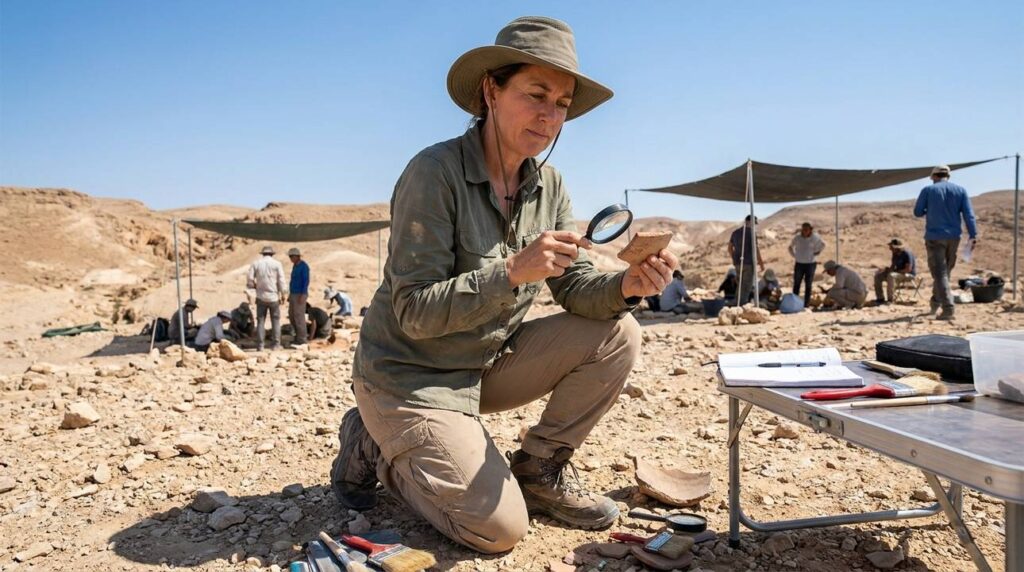

The Desert of Zin is a notable location in history, linked with significant events and challenges. This article examines its geographical and historical background, offering insights into its role in the ancient world. We’ll look at archaeological findings and its influence on Jewish tradition. The map of this area will help us navigate through this intriguing region known for its challenges and changes. Join us as we explore the meanings this important site holds, providing a deeper understanding of its place in history.
What Is the Desert of Zin?
Referenced in historical texts, the Desert of Zin is generally located in the northeastern part of the Negev desert. It was a site of significant events, marking it as a place of trials and encounters.
The landscape is characterized by its dry environment and is historically noted as a difficult terrain. This area represents both testing and dependence on guidance. The precise boundaries are still debated among scholars, but its symbolic role in historical accounts is widely recognized.
from the Western Wall to Masada.

The challenging terrain is evident in the story of the Israelites’ complaints about the lack of water, leading to the incident at Meribah. This event highlights themes of faith and reliance on provision.
Scholars continue to explore the area’s boundaries, using historical texts and archaeological evidence to piece together its location. Despite the debates, the significance of this region in historical narratives is clear.
The role of this landscape in these stories underscores the importance of perseverance in overcoming adversity.
Exploring the Desert of Zin
In historical texts, this region is associated with key events, such as the story of striking the rock to produce water.
This act at a place called Kadesh underscores themes of leadership under pressure, reflecting the area’s role as a testing ground for the Israelites. The harsh conditions tested the people’s endurance while emphasizing the importance of faith.
Such narratives portray the region as both a literal and metaphorical space for growth and transformation. These stories reinforce its significance in cultural traditions.
Archaeological Insights into Zin
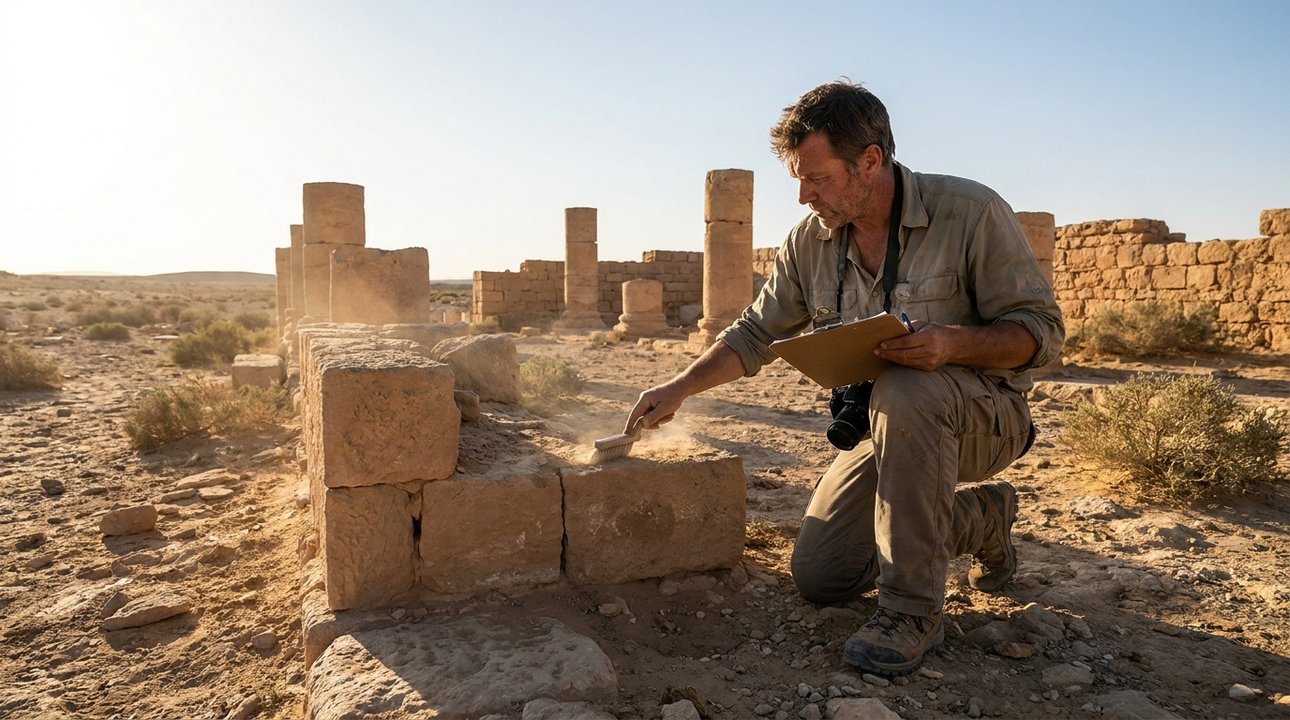
Archaeologists have explored the areas believed to correspond with the Desert of Zin, discovering remnants that suggest historical inhabitation and use. Evidence includes ancient water systems and pottery, supporting the idea of human adaptation to its challenging environment.
These discoveries provide a tangible connection to the historical narratives, showcasing the practical aspects of life in this harsh landscape. Such findings enhance our understanding of how people might have interacted with this formidable environment.
The archaeological work continues to add depth to the portrayals, offering concrete connections to the past.
Exploring the Map of the Desert of Zin
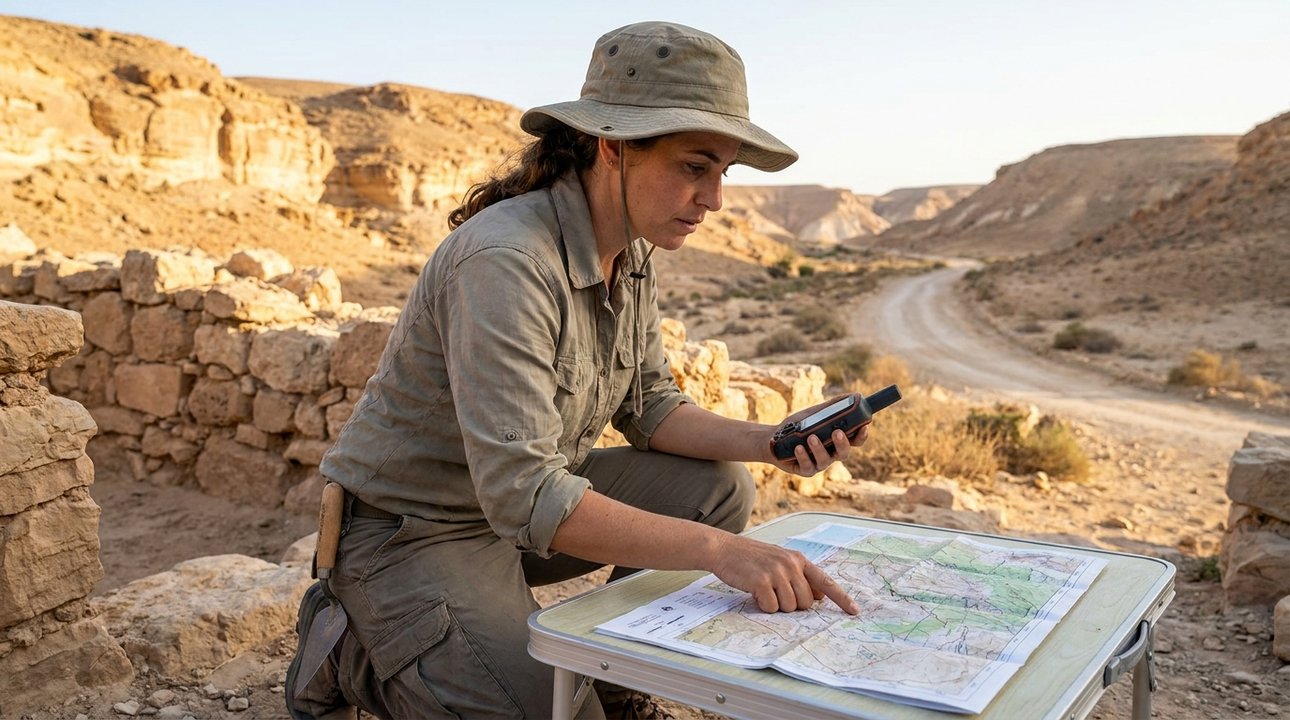
Often mapped as part of a larger network of wilderness areas, this region is visualized on modern maps as part of the southern Negev, aiding in understanding its geographical context and relation to other historical locations. Maps depict its proximity to other significant sites, highlighting its role in the wider narrative of the Israelites’ journey. This visual aid is crucial for both scholars and enthusiasts aiming to reconcile texts with geographical realities. Mapping this area provides a new perspective on its strategic and cultural role.
Present Understanding of the Desert of Zin
Today, this region is recognized for its unique geological formations and natural beauty. While it remains a desert filled with challenges, it also serves as a reminder of the journeys described in historical texts. Modern visitors and scholars alike study the area to gain insights into its ancient past and its role in history. Efforts to preserve its natural state and history continue, ensuring that its stories are passed down to future generations. Its enduring appeal lies in the blend of history and natural wonder.
The geological formations, such as the stunning cliffs and canyons, attract geologists and tourists alike. These formations provide clues to the region’s ancient climate and ecological history. Preservation efforts include archaeological excavations that uncover artifacts from the time of the Israelites, offering a look into their daily lives. These discoveries enhance our understanding of the area’s historical and cultural role. By maintaining its natural beauty, future generations can continue to explore its history and spiritual legacy.
Cultural Legacy of the Desert of Zin
This region holds a place in Jewish cultural memory, influencing teachings and practices. It symbolizes a space of learning and reliance on guidance, resonating through Jewish liturgy and education.
The legacy is evident in stories, prayers, and cultural reflections that emphasize faith. This cultural impact is felt in the way the area is referenced during observances and in educational settings.
Such traditions keep the significance alive, connecting past and present in meaningful ways.
In Jewish liturgy, this region is often mentioned in prayers that reflect on the Israelites’ journey. These prayers serve as reminders of the trials faced by their ancestors and the strength derived from faith.
Cultural reflections are also found in literature, where authors explore themes of endurance and spiritual growth. These works contribute to a broader understanding of the area’s role in shaping Jewish identity.
By preserving these narratives, the Jewish community maintains a connection to its historical roots, ensuring the legacy endures.
from the Western Wall to Masada.
Stories from the Desert: Trials and Triumphs
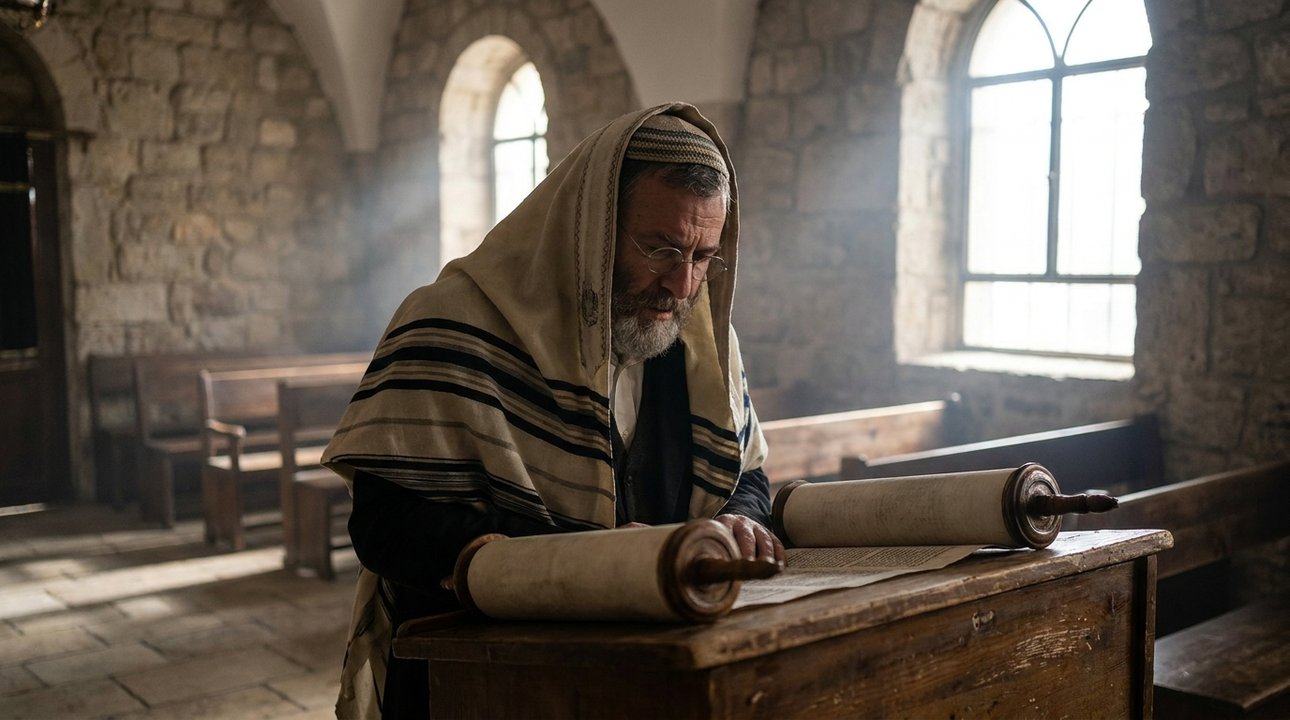
Narratives from this region encompass themes of trial and triumph, capturing the essence of human endurance. The account of the spies sent to scout the land is among the well-known stories rooted in this region. These tales serve as metaphors for broader spiritual and human quests, providing lessons on persistence and faith. The stories often emphasize individual and collective growth amid adversity, reflecting the enduring spirit of the people. By recounting these narratives, the legacy is still remembered and educate.
The story of the spies, including Caleb and Joshua, highlights themes of courage and faith, as they brought back reports of the land’s potential. Their bravery is celebrated in Jewish teachings as an example of trust in promises.
Such narratives are used in educational settings to discuss the importance of leadership and vision. The lessons drawn from these stories encourage students to face challenges with confidence and faith.
Through these teachings, this region remains a powerful symbol of hope in Jewish culture.
The Desert of Zin in Jewish Education
In Jewish education, this region is often highlighted to illustrate teachings about faithfulness and moral challenges. The stories of the Israelites wandering here underpin lessons on steadfastness.
Educational programs incorporate these narratives to provide context and depth to religious studies. These teachings bridge past to present, ensuring that values and lessons continue to hold relevance today.
The area remains a source of inspiration and reflection in Jewish culture and education.
This region is also used in lessons about leadership, as seen in the story of striking the rock. This event teaches about the consequences of actions and the importance of faith. By integrating these stories into curricula, educators help students understand the complexities of leadership and decision-making. The harsh conditions serve as a metaphor for life’s challenges, emphasizing the need for perseverance. These narratives are still remembered by students, fostering a deeper connection to their heritage and values.
Zin’s Lasting Influence on Jewish Heritage
The impact on Jewish heritage is profound, leaving a lasting mark on cultural and religious identity. It evokes feelings of hope and spiritual strength, symbolizing a journey of faith, as seen in the Israelites’ experiences. Through literature, art, and religious practices, the area maintains its influence, connecting generations to a shared historical narrative. The stories and symbolism inspire ongoing dialogue about identity, faith, and heritage. This legacy underscores its importance as a cornerstone of Jewish cultural and religious life.
In art, this region is depicted in various forms, such as paintings and sculptures, capturing its rugged beauty and significance. Artists draw inspiration from historical accounts, reflecting on themes of survival and guidance.
Religious practices often include references to the area, especially during festivals, which commemorate the Israelites’ journey through the desert. These practices reinforce the connection between past and present, reminding participants of their ancestors’ endurance.
The stories continue to influence Jewish thought and tradition, enriching cultural identity.
Conclusion: Reflecting on the Desert of Zin
This region is more than a geographical location; it is a mix of historical and cultural threads. Its stories of testing, endurance, and growth continue to resonate through time, offering insight and inspiration today. As part of the broader mix of historical places, it holds a unique position, linking ancient narratives with modern understanding. Reflecting on its significance allows for a connection to the past and an appreciation of its enduring influence. The area remains a powerful symbol within Jewish culture, reflecting perseverance and hope.
Stories from this region, such as the journey of the Israelites and the trials they faced, is still remembered discussions about faith and identity. These narratives encourage reflection on personal and collective growth through adversity. Its enduring influence is evident in its continued presence in religious teachings and cultural expressions. By engaging with these stories, individuals can find strength and guidance in their own lives. The legacy serves as a reminder of the enduring power of faith and the importance of perseverance in the face of challenges.
Understanding the Desert of Zin
