Discovering Luz: The Bible’s Ancient City


Luz, an intriguing city in historical texts, appears in several contexts linked to heritage and transformation. Known for its connection to Bethel, this city’s story weaves through the narrative threads of history, leaving a mark on cultural memory.
__INTRO__ Luz’s association with Bethel highlights its importance in the cultural landscape of the region. This connection is first seen when the city is renamed Bethel, marking it as a significant site. The city’s story is a sign of the transformative power of cultural narratives. Bethel later becomes a central location for worship, as mentioned in historical texts.
from the Western Wall to Masada.

What Is Luz in the Bible?
The city of Luz first appears as a Canaanite settlement. Historically, Luz is understood to have been located in what is now the West Bank, a place of intense archaeological interest. This geographical setting provides a backdrop for its narrative significance in historical accounts. The transition from Luz to Bethel symbolizes a significant transformation within storytelling. Renaming Luz as Bethel represents a moment of change, further embedding the site into the narrative of history. This transformation highlights the layered meanings associated with these locations, illustrating the evolving cultural landscape. The renaming of Luz to Bethel signifies a shift in focus, marking it as a place of encounter. This change reflects the broader themes of transformation and renewal that are central to the narrative, emphasizing the importance of experiences in shaping cultural memory. Bethel becomes a key site in worship, mentioned frequently in historical texts.
Luz and the Story of Jacob
The famous story of a dream occurs at Luz. In this dream, a ladder reaches up to the sky, with angels ascending and descending. This dream holds deep symbolic meaning, representing communication and promise. Following this mystical encounter, the site is marked by setting up a stone pillar and naming it Bethel, meaning ‘House of God’. This act not only changes the city’s name but also elevates its status within the narrative, symbolizing presence and promise. This renaming signifies a transformation from a simple city to a site of awakening and importance. Bethel becomes a central location in tradition, as seen when the vision leads to the renaming of Luz. This event marks a pivotal moment in history, symbolizing a relationship. Luz is remembered for its role in this transformation, highlighting the city’s significance in the journey of the people. The transformation of Luz into Bethel is a powerful symbol of renewal and connection. A vision marks this change. This change reflects the broader themes of faith and covenant that are central to the narrative, illustrating how places can become significant through experiences. Bethel becomes a place where realms meet, influencing worship practices.
Luz in Later Historical Accounts
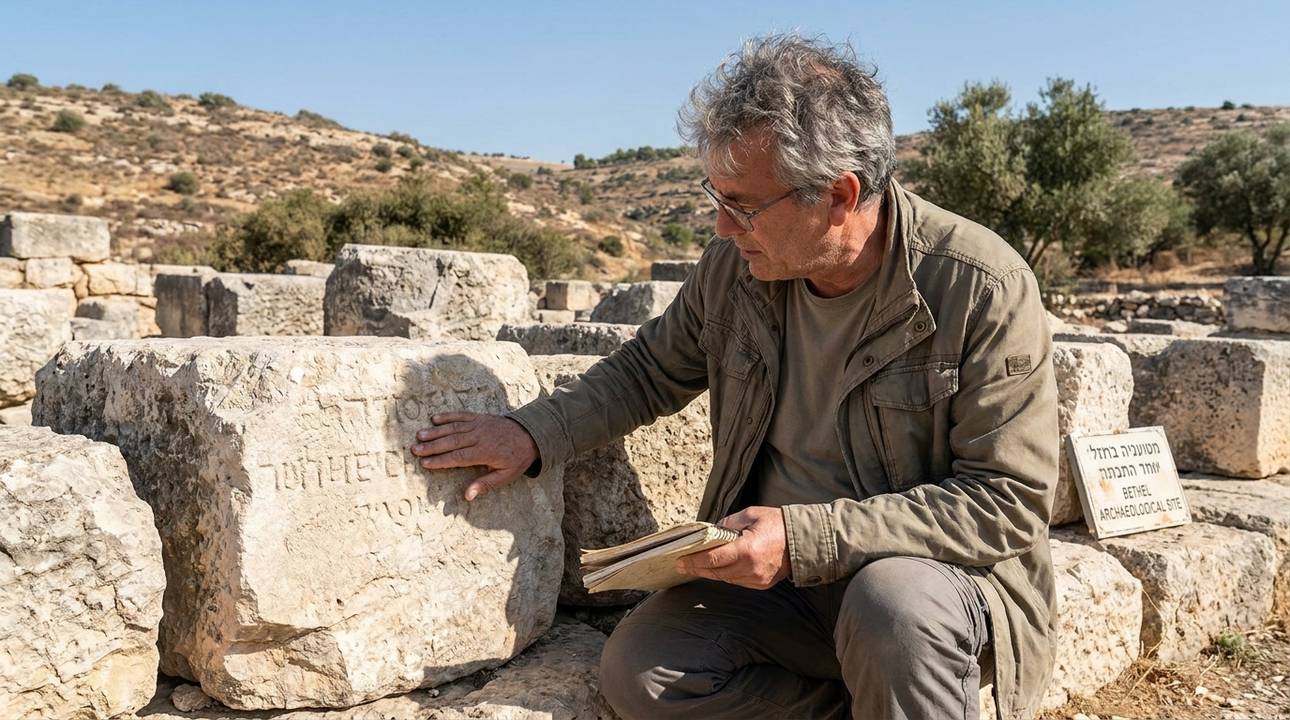
Luz appears again in the Book of Judges as an independent city. Here, the narrative tells the tale of a man who rebuilds the city and retains its name, maintaining its distinct identity. This reference suggests a continuity of the city’s significance through different periods of history. The story in Judges reflects the legacy of Luz, highlighting how it maintained its own identity while existing alongside established narratives such as Bethel. This continuity and survival through various stories underline Luz’s lasting presence in the cultural and historical consciousness of the region. The city is first mentioned when it is named Bethel, marking it as a place of encounter. Later, the city is again referenced, highlighting its strategic importance. These repeated mentions demonstrate how Luz was integral to the understanding of the land and history. Luz’s transformation into Bethel also signifies a shift in focus, becoming a central location for worship and covenant. This is evident when the place is named Bethel, meaning “house of God.” This transformation is not just a physical change but a symbolic one, reflecting the evolving practices and beliefs of the people. Bethel later becomes a site for significant events, such as the anointing of Saul as king.
from the Western Wall to Masada.
Where Is Luz?
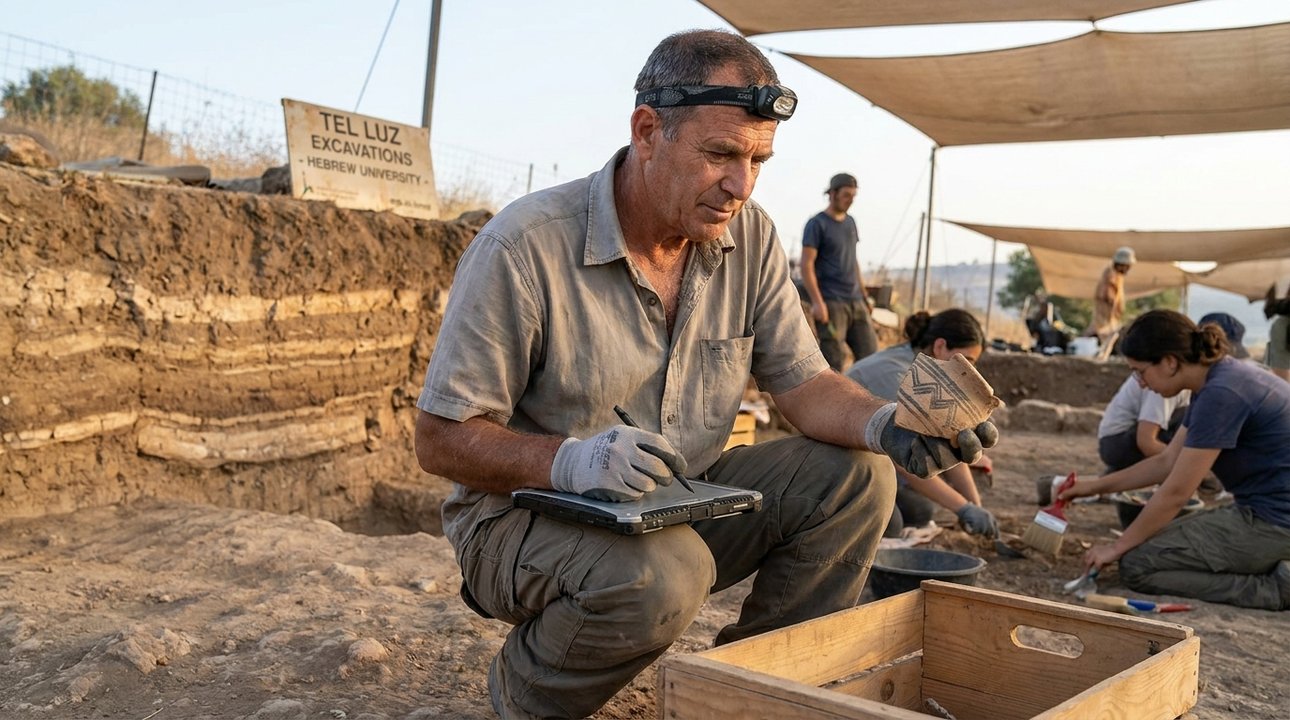
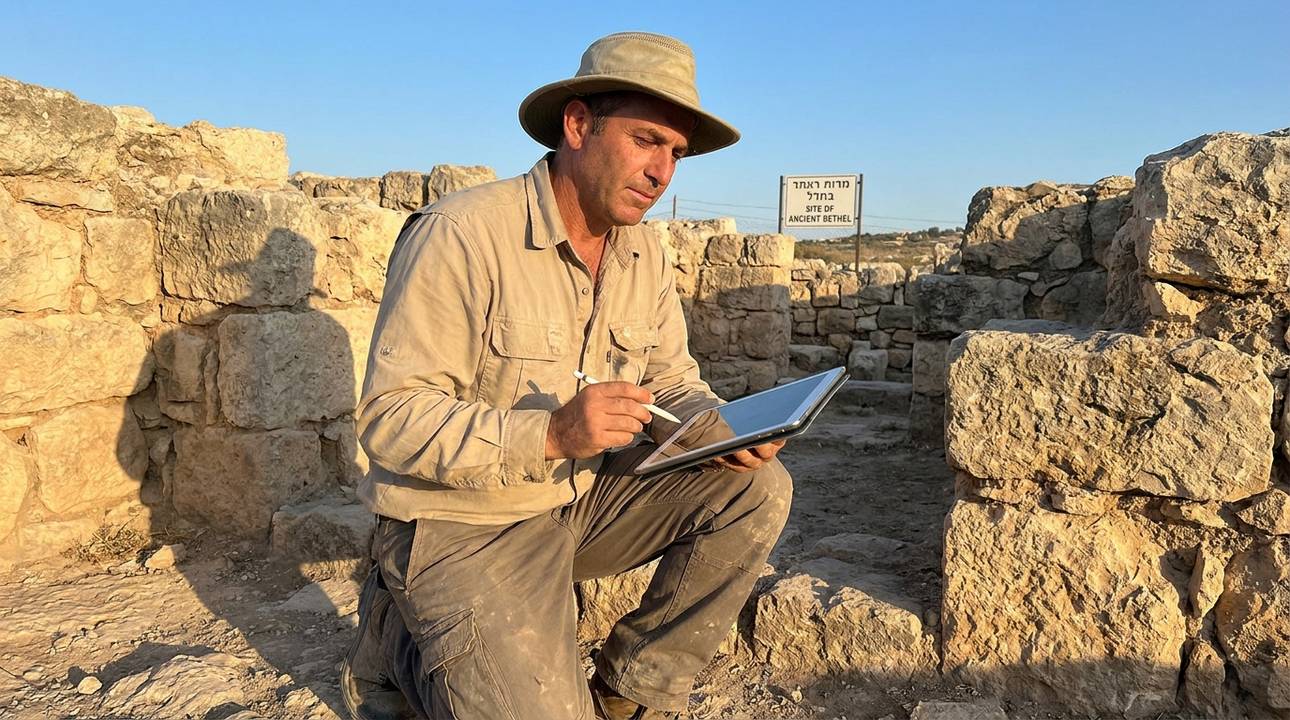
Luz is traditionally associated with modern archaeological sites in the West Bank area. Scholars have suggested locations like Beitin as possible matches for Luz based on descriptions. This location, despite its importance, remains less accessible today due to geopolitical conditions. The city’s exact location continues to be a subject of archaeological interest and research, with ongoing efforts to confirm its identity. The search for Luz’s location is part of a broader effort to understand the historical geography of the region. Scholars have proposed several sites, including Beitin, based on descriptions and archaeological evidence. By pinpointing these sites, researchers aim to provide a clearer picture of the historical world and its influence on modern culture. Understanding Luz’s location helps contextualize events like the dream and the city’s transformation into Bethel. Modern scholars and archaeologists pursue clues and artifacts, aiming to uncover more about Luz’s position and its transformation throughout history. Understanding the city’s location aids in piecing together the historical and cultural context of narratives. Excavations in the region have revealed structures and artifacts that provide insight into the daily lives of its inhabitants. These findings help scholars reconstruct the city’s past and its role in the story. The ongoing research into Luz’s history highlights the importance of archaeology in understanding historical sites. Excavations have uncovered artifacts that shed light on the city’s past. By uncovering physical evidence, researchers can better understand the cultural and significance of places like Luz, enriching our knowledge of ancient society. These findings help piece together the historical context of narratives.
Luz in Cultural Memory
In cultural memory, Luz represents transformation and enlightenment. The site’s connection with a dream bestows on it a timeless quality. It signifies moments of interaction and the power of naming in creating meaning. These associations have permeated thought, with Luz symbolizing encounters and lasting presence, influencing perceptions of history and identity. Through narratives and traditions, Luz is often remembered for its role as a dwelling place of significance. The city is linked to a dream where a ladder to heaven is envisioned, marking Luz as a place of connection. This story has been interpreted as a symbol of awakening. Luz’s transformation into Bethel further emphasizes its role in thought, serving as a reminder of the covenant with the divine. The city’s legacy in cultural heritage reflects its importance as a site of transformation and growth. Luz, later known as Bethel, is where a dream symbolizing connection occurs. These narratives are still remembered by those who seek to understand the journeys depicted in history. The story of the ladder is often seen as a metaphor for ascent and enlightenment, resonating with those on their own journeys.
Continuing Discoveries About Luz
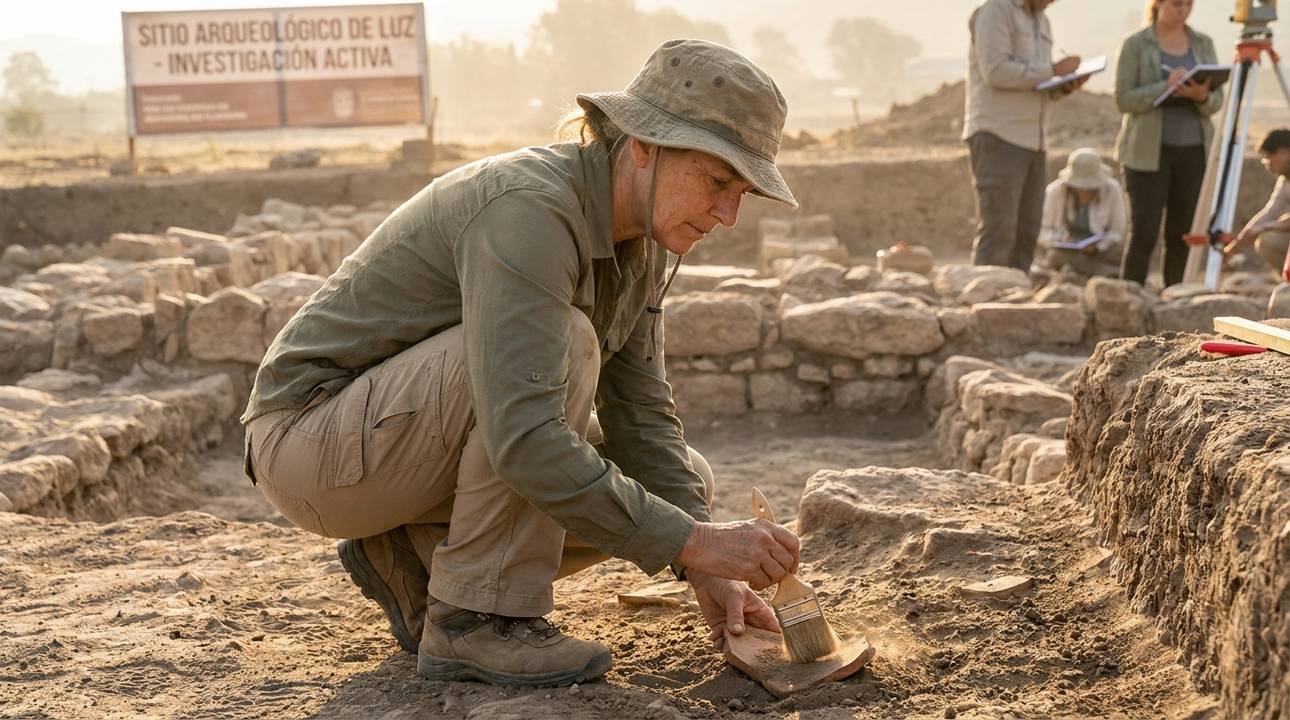
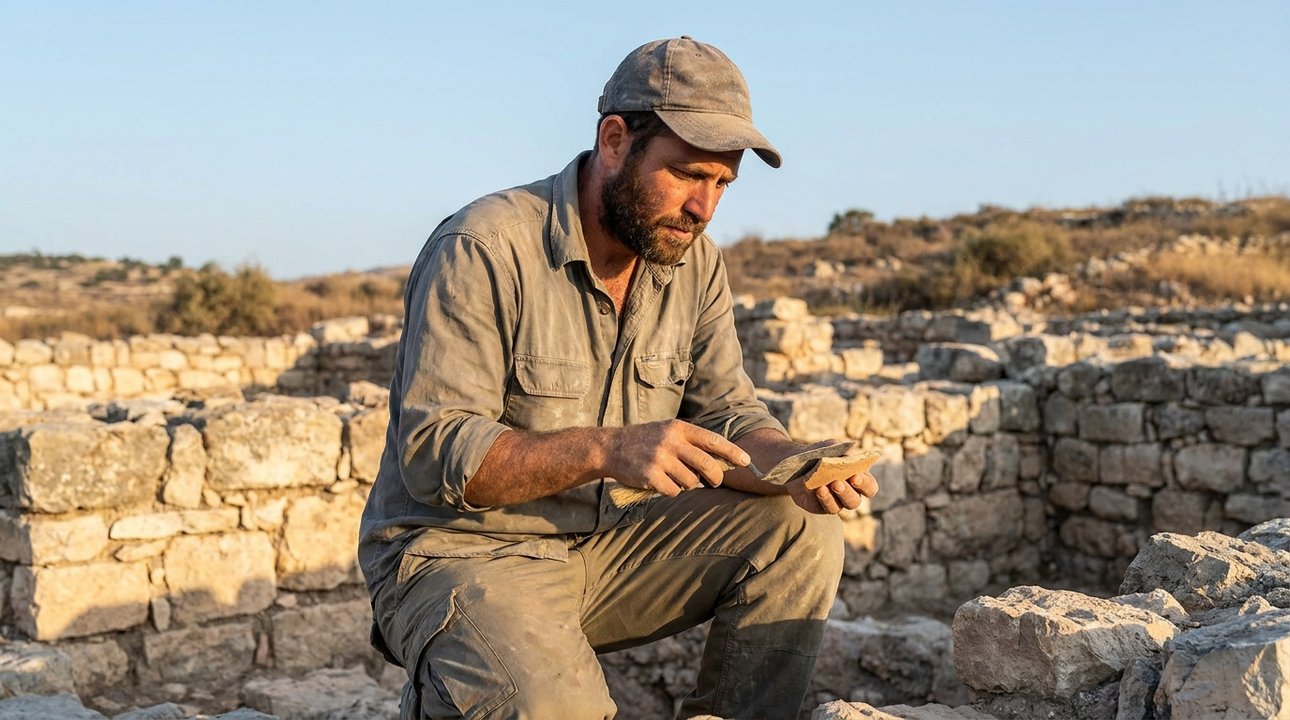
Archaeologists continue to explore and uncover new insights about Luz and its place in history. This ongoing research seeks to reveal more about the ancient city’s role and significance in the region. By studying artifacts and ancient texts, historians aim to weave together the city’s past, revealing its layers and connections with known accounts. Each discovery adds depth to our understanding of Luz’s influence on cultural narratives. Each discovery provides a glimpse into the life and culture of those who inhabited Luz, offering valuable perspectives on its enduring impact on literature and memory. For instance, Luz is mentioned when a dream of a ladder reaching to heaven leads to the place being renamed Bethel. This story highlights the city’s significance and its role in the broader narrative of the journey. Archaeological finds in the region provide insight into the daily lives of its ancient inhabitants. Artifacts such as pottery and tools reveal the trade and craftsmanship that flourished in Luz, reflecting its economic and cultural vitality. These items provide insight into daily life and commerce. These discoveries help us understand how the city’s legacy has been woven into the fabric of history, influencing narratives that have been passed down through generations. The material culture of Luz offers a glimpse into the lives of its ancient inhabitants.