Discovering En-hakkore in Lehi Today


En-hakkore, mentioned in historical texts, is linked to a figure known for immense strength. After a victory over adversaries, there was a desperate need for water.
The text tells how a call was made, and water miraculously flowed from a rock, saving a life. This event highlights a moment of intervention, where a physical need was met in a remarkable way.
En-hakkore, meaning ‘the spring of him who called,’ thus holds a significant place in tradition, symbolizing both historical and cultural relevance.
The account of En-hakkore emphasizes the importance of faith and reliance on support. The details show how a need for water was miraculously met, serving as a sign of reliance. Similar themes are echoed in other narratives, such as the provision of sustenance in historical texts, where faith was rewarded. The site is still remembered by those who seek to understand the connections between history, faith, and support, illustrating the enduring message of trust and hope.
from the Western Wall to Masada.
What Is the Story of En-hakkore?
The narrative of En-hakkore is closely tied to a battle against adversaries. After defeating them with the jawbone of a donkey, there was a dire thirst. The text captures a plea for water, fearing death from thirst after victory.
The record shows that a hollow place split open, and water came out. This miraculous provision is why it was named En-hakkore, meaning ‘the spring of him who called.’ This event parallels other stories of provision, such as the water from the rock in historical texts.
En-hakkore serves as a sign of belief in intervention and care. This narrative is rooted in historical texts, where after a victory over adversaries, there was a dire need of water. The plea was answered when water miraculously flowed from a rock, highlighting the reliance on support. This recurring motif appears throughout narratives, such as in being fed by ravens in historical texts. Such stories inspire those who seek to understand their heritage.
Why Is En-hakkore Significant?
En-hakkore signifies providence and the importance of faith. The plea and the subsequent flow of water reflect a moment where human vulnerability met compassion.
The story of intervention is echoed in experiences of being fed by ravens in historical texts. Such narratives emphasize reliance on support during challenging times, resonating widely within stories.
These themes are woven into the fabric of tradition, illustrating the enduring message of faith and care.
En-hakkore and similar accounts serve as reminders of the sustaining power of faith. The texts recount how a desperate plea for water was answered, reinforcing the belief in a compassionate and responsive presence. This concept is mirrored in other stories, such as sustenance by ravens in historical texts. Such narratives are still remembered by those who seek to understand the dimensions of their heritage, highlighting moments where intervention provided for human needs.
Where Is Lehi and What Happened There?
Lehi, the site of En-hakkore, is known for a remarkable victory over adversaries. Armed with nothing more than the jawbone of a donkey, a significant figure defeated a thousand men, showcasing extraordinary strength and resourcefulness. This event is recorded in historical texts, where the triumph is celebrated in song. The aftermath of the battle led to a miraculous provision of water at En-hakkore, a name meaning ‘the spring of the caller.’ The text describes how, parched and exhausted, a call for relief was made, and water flowed from a rock, marking the site as a place of encounter.
This story reflects a blend of history, culture, and tradition, deeply ingrained in thought. Lehi, near ancient Judah, holds history as a battleground and a sign of intervention. The victory and the miracle of En-hakkore illustrate themes of perseverance and faith. The location’s historical context adds depth to the narrative, highlighting its role in heritage. This blend of historical and cultural elements is still remembered, showing the legacy of faith.
En-hakkore’s Connection to Modern Times
Today, En-hakkore symbolizes perseverance and faithfulness. Though its exact location is uncertain, its legacy endures through tradition. Discussions of En-hakkore emphasize themes of reliance and the rewards of faith, echoing experiences like leading through the desert. Modern interpretations see it as a lesson in gratitude and belief, similar to the provision of sustenance in historical texts, where faith was rewarded. Such stories are still remembered by those who seek to understand the deeper messages of faith and care.
from the Western Wall to Masada.
Geography and Archaeological Insights
The exact location of En-hakkore remains a topic of debate among scholars, though it is generally associated with the region near ancient Judah. Archaeological efforts have yet to pinpoint the site, but water sources in this area add context to historical narratives. These explorations aim to uncover more about the physical and cultural landscapes of stories. Ongoing research enhances our understanding of past events and the significance of places like En-hakkore in the broader mix of history.
The symbolic presence of water at En-hakkore underscores its importance in storytelling. Water, a symbol of life and provision, plays a crucial role in many narratives, such as in historical texts.
The search for En-hakkore intrigues scholars and enthusiasts, who seek to connect the cultural and historical aspects of this site. These explorations aim to uncover more about the cultural landscapes of stories, enhancing our understanding of their significance.
Cultural Role of Water in the Bible
Water holds considerable significance in texts, often representing life, purification, and provision. In En-hakkore, water’s role underscores continual provision for the people, reinforcing the trust placed in support. The parting of the Red Sea in historical texts is another instance where water was important in showcasing intervention. This concept is recurrent in texts, illustrating water as a symbol of hope and revival. The purification rituals also highlight water’s symbolic importance, demonstrating its role in renewal.
The symbolism of water in narratives is profound, often representing provision and renewal. In En-hakkore, water’s miraculous appearance underscores care. This concept is echoed in historical texts, where water flowed from a rock to quench thirst.
Another example is found in historical texts, where a rock was struck to provide water for the people. Such stories reflect a consistent message of provision, reinforcing the belief in a compassionate presence that meets human needs.
Future Explorations of En-hakkore
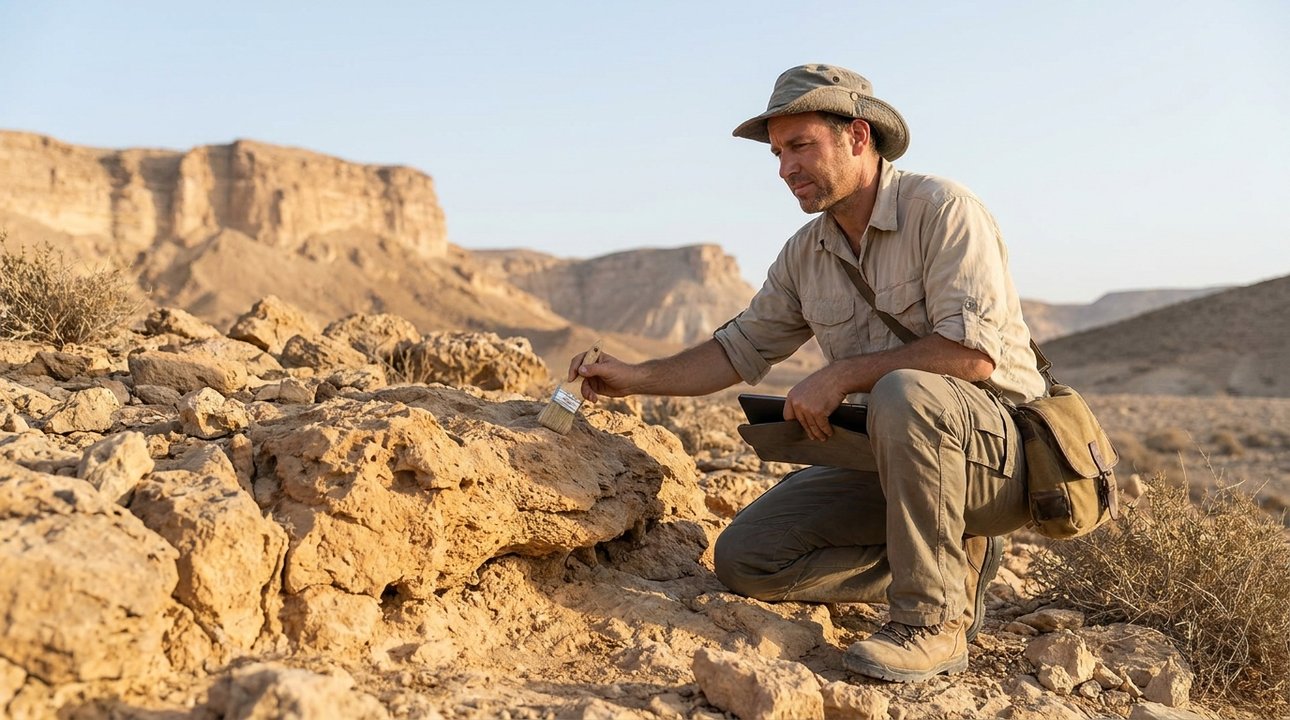
As archaeology advances, the hope remains to identify more precise locations of sites like En-hakkore. Such discoveries would offer a deeper historical understanding and enrich cultural narratives surrounding events.
For instance, the city of Jericho was excavated, revealing layers of history that align with accounts.
Continued exploration not only seeks to unveil physical locations but also hopes to cultivate a deeper appreciation for the stories and traditions that shape practices today.
Archaeologists have uncovered artifacts from earlier periods, providing insight into the culture and daily life of the past.
En-hakkore’s Resonance in Jewish Tradition
En-hakkore remains a poignant part of storytelling, aligning with themes of perseverance and trust. Over the centuries, its narrative has inspired interpretations highlighting the intersection of struggle, faith, and promise.
The story of Joseph, who rose from adversity to prominence, mirrors these themes. The enduring presence of En-hakkore in texts continues to offer insights for those exploring their heritage.
The Psalms reflect on themes of struggle and support, resonating with En-hakkore.
The narrative of En-hakkore emphasizes the importance of perseverance and faithfulness. Despite the uncertainty of its exact location, its legacy endures through tradition. The account echoes experiences like leading through the desert, relying on guidance.
Modern interpretations see En-hakkore as a lesson in gratitude and belief, similar to the provision of sustenance in historical texts, where faith was rewarded. Such stories inspire those who seek to understand the deeper messages of faith and care.
Understanding En-hakkore and Lehi