Understanding the Valley of Hamon-Gog and Its Significance


The Valley of Hamon-Gog holds a mysterious and profound place in ancient prophecy. First mentioned in the Book of Ezekiel, this site represents both judgment and restoration. This location is described as the burial place for Gog and his multitude, marking a significant event in prophetic literature.
In this article, we’ll delve into its evolving interpretations over time. The depiction of this location as a site of intervention has fascinated scholars.
Throughout history, interpretations have varied, with some viewing it as a literal location and others as a symbolic representation of divine justice. Its role in prophecy offers insights into ancient beliefs about the end times, reflecting a broader narrative of redemption and renewal in the Hebrew Bible.
Mentioned in Ezekiel, it connects to themes of purification and hope, as seen in the broader context of prophetic writings, where judgment often precedes restoration.
from the Western Wall to Masada.
What Is the Valley of Hamon-Gog?
The Valley of Hamon-Gog is a prophetic location mentioned in the Book of Ezekiel. It represents the burial site of multitudes of soldiers following a divine judgment against Gog of Magog. The name ‘Hamon-Gog’ translates to ‘multitude of Gog,’ symbolizing the mass of forces gathered against Israel.
This site is described as a key part of Gog’s downfall, highlighting the theme of divine justice found in Ezekiel’s vision. While its exact geographic location remains unidentified, its significance extends into Jewish eschatology.
The passage emphasizes the connection between this location and the final fate of Gog’s army. The name ‘Hamon-Gog’ itself translates to ‘multitude of Gog,’ underscoring the vastness of the army that will meet its end there.
The burial will purify the land, symbolizing the removal of evil and the restoration of peace. This idea reinforces the prophetic vision of redemption, where the land is cleansed.
The concept of purification is central to many narratives, where the removal of impurity leads to a renewed covenant. In Ezekiel’s vision, this place becomes a site of transformation, where judgment gives way to peace and renewal.
This theme is echoed in other prophetic texts, such as Isaiah and Jeremiah, where the restoration of Israel is linked to justice. It thus serves as a powerful symbol of hope and renewal in the tradition.
Ancient Texts and Interpretations
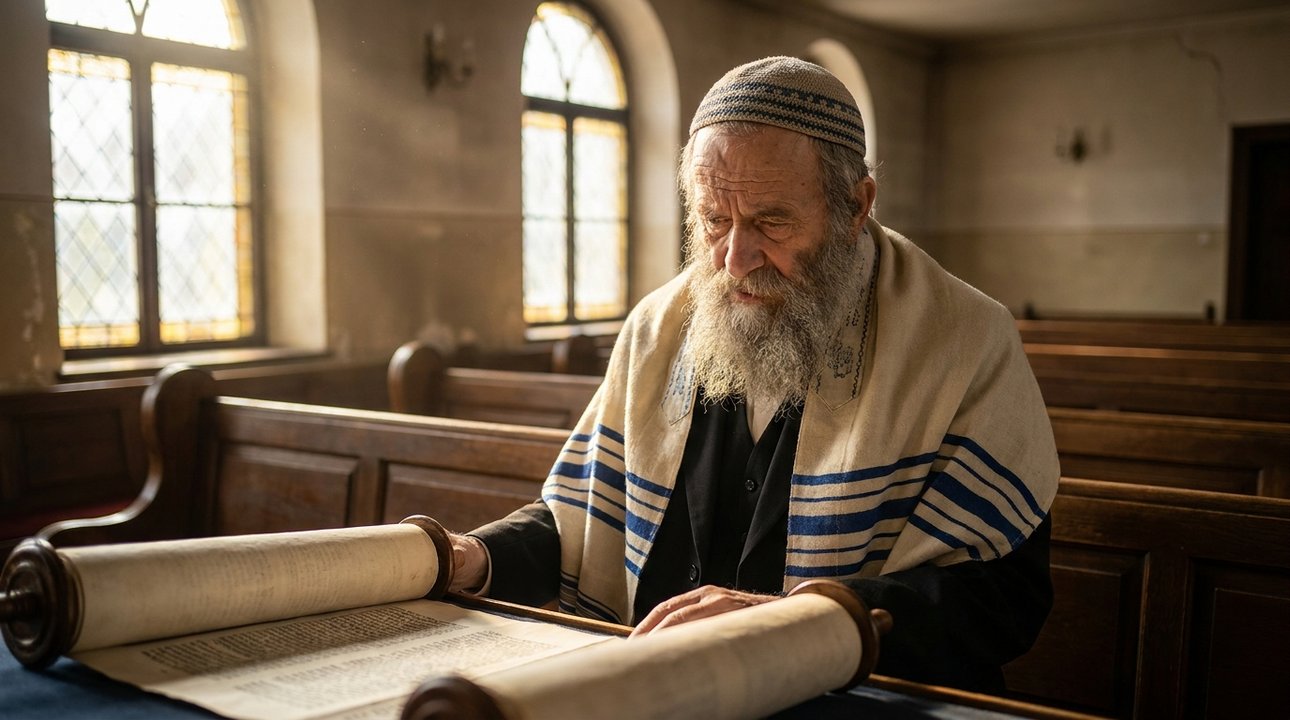
The Valley of Hamon-Gog has been the subject of extensive Jewish and Christian exegesis. Traditional sources like the Talmud and Midrash interpret Gog and Magog as powerful forces opposing divine will. In Jewish mystical thought, this conflict symbolizes the struggle between good and evil.
These interpretations underscore its relevance in understanding divine intervention and ultimate peace. Commentators such as Rashi and Radak provided insights into the prophetic texts, shaping the perception of its eschatological significance.
Different translations of Ezekiel manifest varying interpretations. Some scholars argue that these verses describe a literal battle, while others see them as allegorical. This variety in interpretation reflects broader discussions on prophecy, justice, and human agency. The Hebrew term ‘Gog’ has been interpreted in various ways, leading to diverse understandings of the text.
Today, scholars continue to explore these themes, examining how ancient writings inform contemporary beliefs. The site remains a focal point of exploration for theologians probing the depths of prophecy.
The allegorical interpretation suggests that the battle represents the struggle between good and evil, a theme prevalent in many prophetic writings. This perspective aligns with the broader narrative of divine justice, where ultimate victory is assured for the righteous.
The literal interpretation, on the other hand, considers the prophecy as a historical prediction, possibly referencing specific events in Israel’s history. This duality in interpretation enriches the theological discourse, offering multiple layers of meaning to explore.

Geographic Theories: Where Is Hamon-Gog?
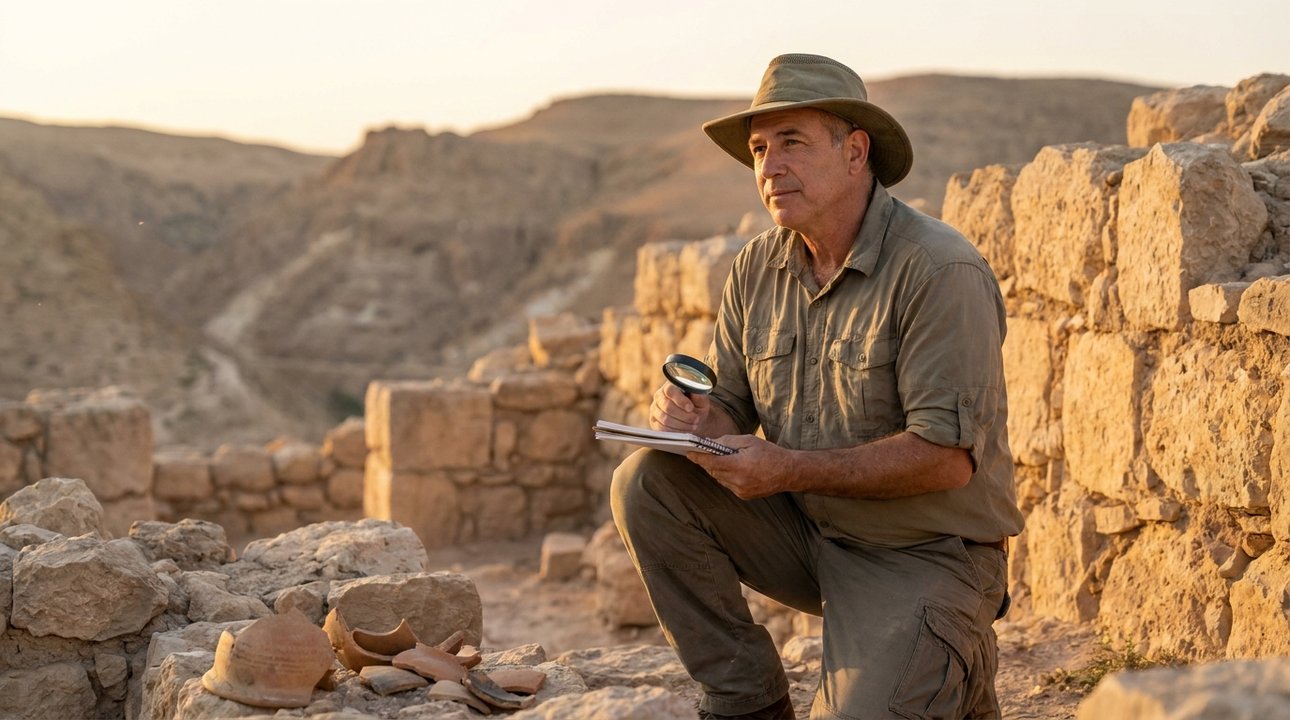
The geographical location of the Valley of Hamon-Gog has intrigued scholars and archaeologists. Without direct archaeological evidence, various theories suggest possible sites based on descriptions and historical context. For instance, some scholars point to the region east of the Dead Sea, a historically significant area known for its trade routes and battles.
These theories are supported by references in ancient texts that describe its strategic importance. The Dead Sea region, rich in historical narratives, offers a plausible setting for Ezekiel’s prophecy.
Some propose that ‘east of the sea’ refers to areas east of the Dead Sea, aligning with ancient trade routes and legendary battlefields. These theories are still remembered through archaeological exploration and scholarly debate. The quest to locate this site reflects a broader interest in understanding geography and its implications for historical events. This ongoing exploration highlights the intersection of faith and archaeology, where ancient texts guide modern investigations into the past, enriching our understanding of history.
from the Western Wall to Masada.
Modern technology aids research efforts, employing satellite imagery and geographical data to uncover potential valleys fitting the description. Despite the lack of consensus, the search for Hamon-Gog exemplifies the ongoing quest to bridge insights with archaeological discovery. This exploration enriches our understanding of narratives and their connection to the physical world. While the exact site remains unidentified, the pursuit itself honors the importance of Ezekiel’s prophecy.

The Role in Jewish Eschatology
In Jewish eschatological thought, the Valley of Hamon-Gog is more than a burial ground; it symbolizes victory and justice. Ezekiel’s vision is celebrated as a promise of ultimate redemption, where evil is overcome, restoring peace to the land. This theme is echoed in other prophetic writings, such as Daniel, where the triumph of good over evil is a central motif.
This theme resonates in liturgical practices, prayers, and holiday observances, reaffirming a hopeful outlook towards the future. Its prophetic nature transcends its physical identity.
The prophetic nature of this site allows it to transcend its physical identity, serving as a spiritual emblem within Jewish faith. This symbolism is reflected in the annual reading of Ezekiel’s prophecy during a time of joy and thanksgiving.
The message of redemption and peace inspires believers to envision a future where justice prevails, reinforcing the enduring hope that defines Jewish eschatological thought.
Modern interpretations often view the prophecy in the context of current global events, representing ongoing struggles towards moral and spiritual renewal. The wisdom of Ezekiel inspires believers to remain hopeful and committed to a just world. In Jewish tradition, this hope is reflected in the concept of ‘tikkun olam’ (repairing the world), a call to action for social justice. This atmosphere of hope permeates Jewish culture, emphasizing continuity through adversity. Its symbolism of unity and restoration resonates deeply within Jewish eschatology.
Continually, this site directs focus to the unity and restoration inherent in sacred texts, reinforcing its significance in Jewish eschatology. The themes of redemption and renewal are central to Jewish thought, offering a vision of a future where peace and justice prevail.
This vision is celebrated in various Jewish festivals and rituals, where the prophetic messages of hope and restoration are woven into the fabric of communal life, inspiring generations to strive for a better world.
Cultural Impact and Modern Relevance
Beyond religious contexts, the Valley of Hamon-Gog has influenced art, literature, and popular culture. This influence stems from its dramatic narrative of conflict and resolution.
Its depiction in novels and films often portrays universal themes of triumph over adversity and hope for a renewed future. Educators and writers use this story to explore broader ethical and social issues, promoting dialogue and understanding.
Its symbolism remains a powerful reminder of the human struggle toward justice and peace.
Contemporary discussions on the prophecy resonate with global audiences, reflecting societal hopes for reconciliation and unity. Whether viewed in historical or metaphorical terms, the Valley of Hamon-Gog continues to spark meaningful conversations. Its narrative invites reflection on universal themes of justice and peace, transcending cultural and religious boundaries. In bridging religious tradition with contemporary life, it enriches cultural and educational contexts, showing shared human experiences. Its impact extends beyond faith, touching diverse aspects of human culture.
The story serves as a reminder of the enduring quest for peace and understanding in a complex world. Its lessons on reconciliation and unity are relevant to diverse communities, fostering dialogue and mutual respect.
By exploring its significance, individuals can gain a deeper appreciation for the interconnectedness of human experience, recognizing the shared values that unite us in our pursuit of a just and harmonious world.

Understanding Hamon-Gog