Discovering the Kebar Canal in Historical Context


The Kebar Canal holds a unique place in history. Known in ancient texts, it becomes a significant backdrop in historical narratives. Situated in ancient Mesopotamia, it stands as a symbol of exile and communication. Historical accounts describe how it was among the exiles by this waterway when significant events occurred. Its location near Nippur, a major city of the time, highlights its historical context. Nippur was a center for religious activity in Mesopotamia, which underscores its importance. This site invites exploration into its historical and cultural context, as seen in ancient accounts. Its mention in these texts provides a lens through which to view the dynamics of the exile period.
What Is the Kebar Canal?
The Kebar Canal refers to a waterway mentioned in the Book of Ezekiel. Located in ancient Mesopotamia, it is often identified with river systems connected to the Euphrates. Ezekiel, one of the major prophets, received several visions while by this waterway. It served both as a literal location and as a metaphorical passageway for divine messages. Its exact historical counterpart is debated, but scholars link it to irrigation systems crucial for agriculture in Mesopotamia. This provided sustenance for exiled communities, including the Jewish captives under Babylonian rule, indicating its cultural and economic importance. Its role in supporting agriculture highlights its dual significance as both a physical and spiritual resource.
from the Western Wall to Masada.

Location of the Kebar Canal
The precise location of the Kebar Canal remains uncertain, though theories suggest it was in a region supporting large irrigation networks. Likely extending from the Euphrates River, it was crucial for flourishing agriculture in ancient Babylon. The Euphrates was a lifeline for many societies, providing water necessary for both farming and daily life. It is believed to pass near the city of Nippur, which was a significant religious center. Nippur was known for its dedication to Enlil, a chief deity in the Sumerian pantheon. Historical documents indicate similar waterways were vital for channeling water to urban areas. Nippur itself was known for its religious significance, adding layers to its historical context.
Ezekiel’s Vision by the Kebar Canal
The Kebar Canal is prominently featured in historical texts, where significant events are described. This reveals the site as a place of profound experiences. The events experienced included revelations about the future. This dimension made it a symbol of hope and presence amid exile. It thus became a place where the exiles could find solace and reassurance in the promises of future deliverance. The imagery of the visions underscores its role as a bridge between the physical and the spiritual. Experiences by the canal were transformative, marking the beginning of significant journeys. It was by the Kebar Canal that profound events occurred. This moment also touched upon themes of exile and return, relevant to the Jewish experience in Babylon, as they longed for their homeland. Thus, it is more than a geographical feature; it is a backdrop for awakening, connecting the physical landscape with insight. Its role is not just historical but also integral to the narrative of redemption and hope, as it served as a place where messages about the future were received.

Historical Context of the Kebar Canal
Historically, the Kebar Canal dates back to the Babylonian exile around the 6th century BCE. King Nebuchadnezzar, the ruler during this era, orchestrated the captivity of Judah’s people. This period of exile is documented in various historical texts, including the Book of Daniel. Part of a sophisticated irrigation system, it supported the agricultural needs of the empire, aiding Babylon’s economic strength. Such systems underline the region’s agricultural prominence. Waterways like Kebar were pivotal for sustenance yet also for demonstrating Babylon’s organizational prowess, reflecting the empire’s ability to manage resources. Its infrastructure was a sign of the advanced engineering skills of the Babylonians.
from the Western Wall to Masada.
Theological Implications of the Kebar Canal
From a cultural perspective, the Kebar Canal symbolizes a space of interaction. Revelations there reflect crucial themes in thought: exile, revelation, and hope. Its setting for prophecies indicates the importance of place in communication, as described in historical texts. It serves as a reminder of how location and spirituality intersect in ancient text. This intersection is evident in the detailed accounts of visions and messages, which were not only personal but also communal, addressing the broader fate of the Jewish people in exile. Its presence in these narratives highlights the enduring connection between physical spaces and experiences. Visions of the cherubim, the divine chariot, and the glory by the canal underscore its significance. These visions are detailed, illustrating the profound nature of experiences. The cherubim, with their four faces and wings, represent presence and power, while the chariot symbolizes movement and the omnipresence of the divine. This implies the canal as an entry point to understanding exile’s broader implications. It reminds us of the enduring hope and the profound connection between land and belief, as seen in the enduring hope of the people. The imagery of the divine chariot, in particular, suggests a message of mobility and presence, even in foreign lands.
Archaeological Insights into the Kebar Canal
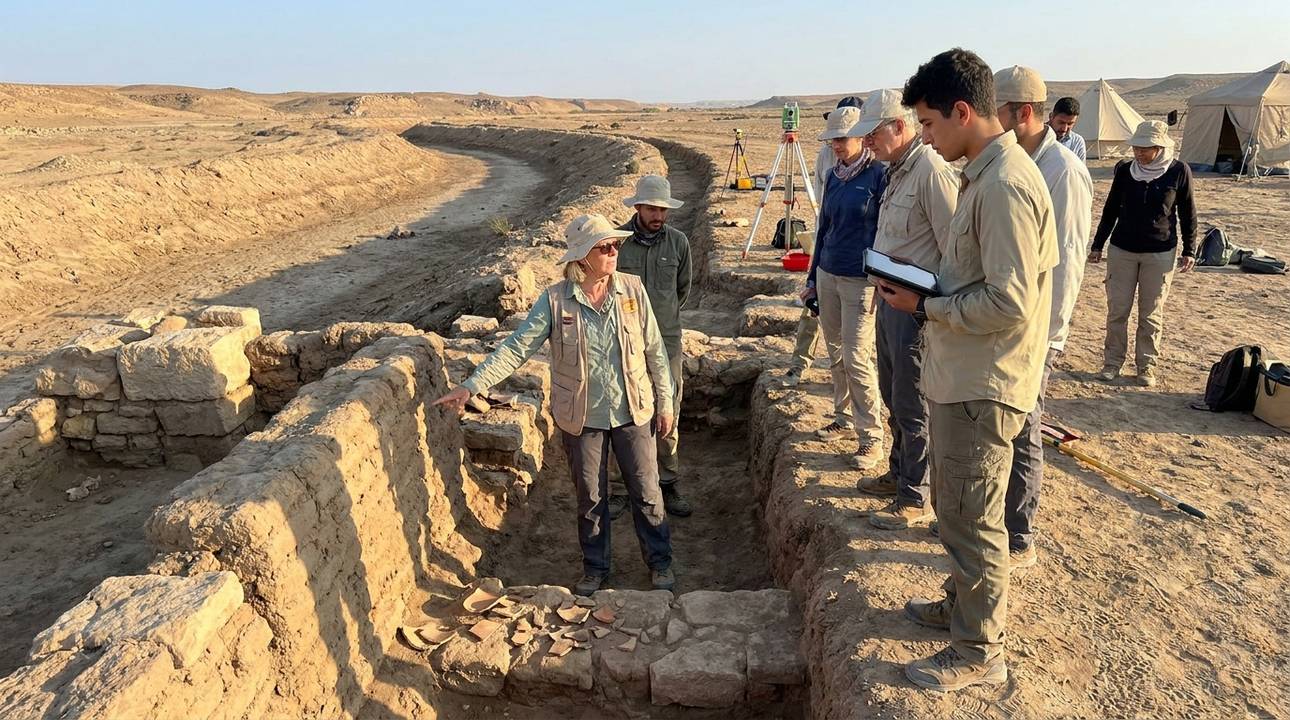
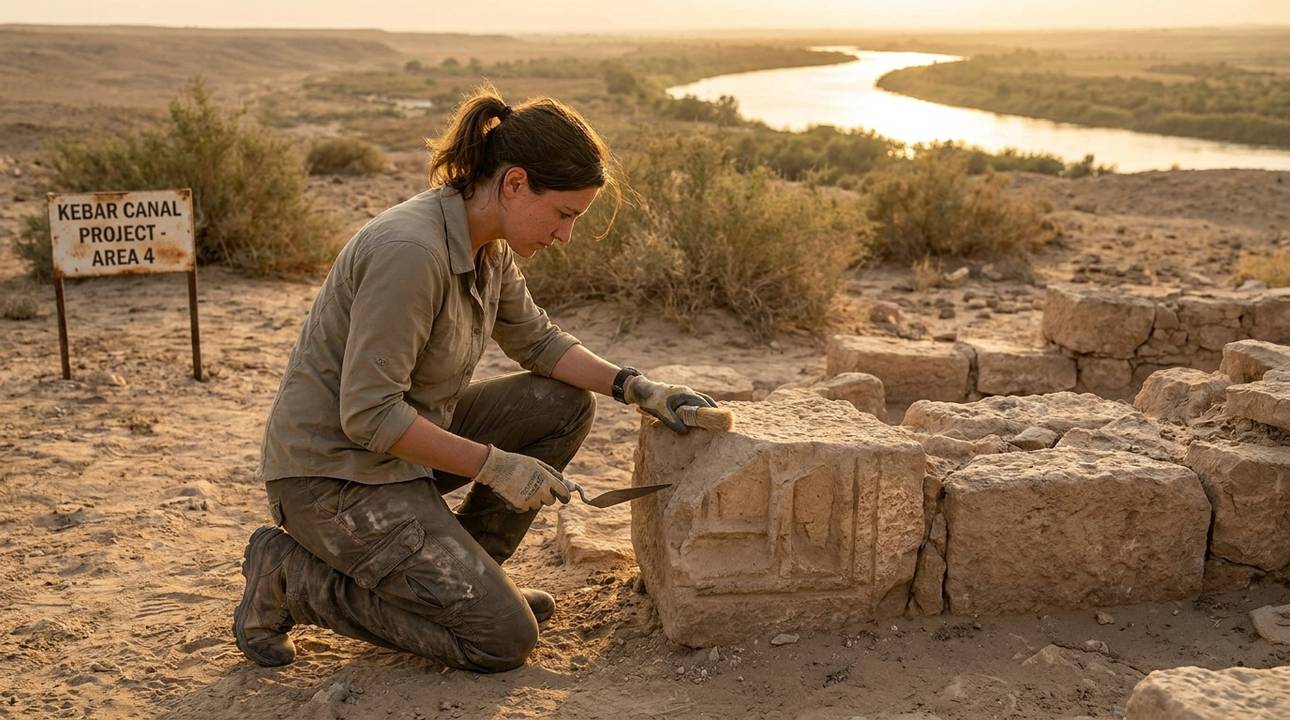
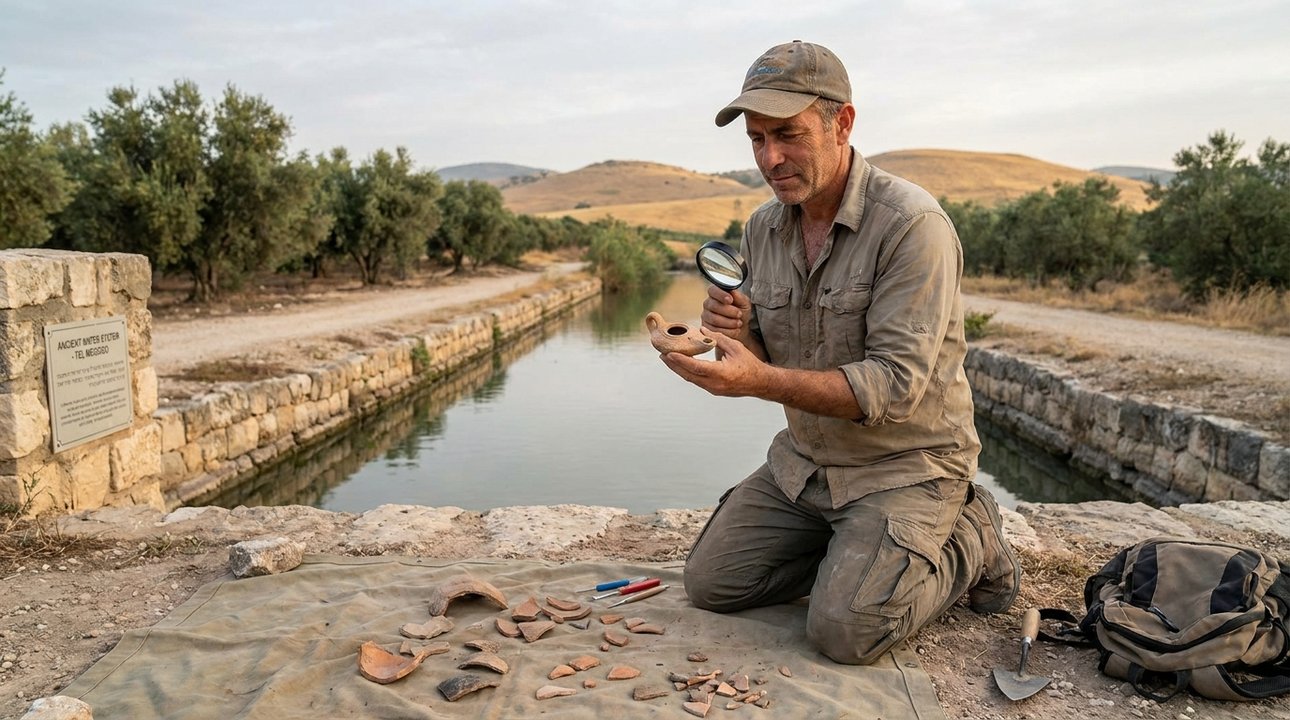
Archaeologically, the Kebar Canal represents an element of ancient Mesopotamia’s advanced water management systems. Excavations near possible sites hint at extensive infrastructure supporting city life, particularly around the city of Nippur, which was a hub of cultural and religious activity. Findings reveal tools and remnants reflecting agrarian life around such waterways, underscoring their economic role. These discoveries provide glimpses into daily life and the significance of these systems in sustaining ancient communities. The canals were vital for irrigation, enabling agriculture to thrive in the region’s arid climate. The sophisticated engineering of these systems reflects the ingenuity and resourcefulness of the ancient Mesopotamians.
The Kebar Canal in Modern Reflection
Today, the story of the Kebar Canal resonates with those exploring ancient landscapes. It stands as a sign of continuity through adversity. While its exact pathways may be obscured by time, its impression endures through narration and scholarly pursuit. Scholars continue to study its significance, contributing to our understanding of ancient Mesopotamian culture. This invites modern readers to reflect on the intersections of place and history, showing the enduring impact of such sites, much like those found in ancient Mesopotamia. It exemplifies how historical sites can is still remembered and educate. In conclusion, the Kebar Canal holds significant narrative and historical value in the study of historical places. It bridges ancient text with enduring themes and historical inquiry. Its mention in historical texts provides a tangible connection to experiences, offering a window into the life of the exiles. It remains integral to understanding context, linking physical displacement with revelations. It invites reflection on the enduring hope amidst exile, highlighting how places of history is still remembered and inform our understanding of the past. Its role in visions underscores its importance as a symbol of hope and presence.