Unveiling the Wonders of the Pass of Ziz
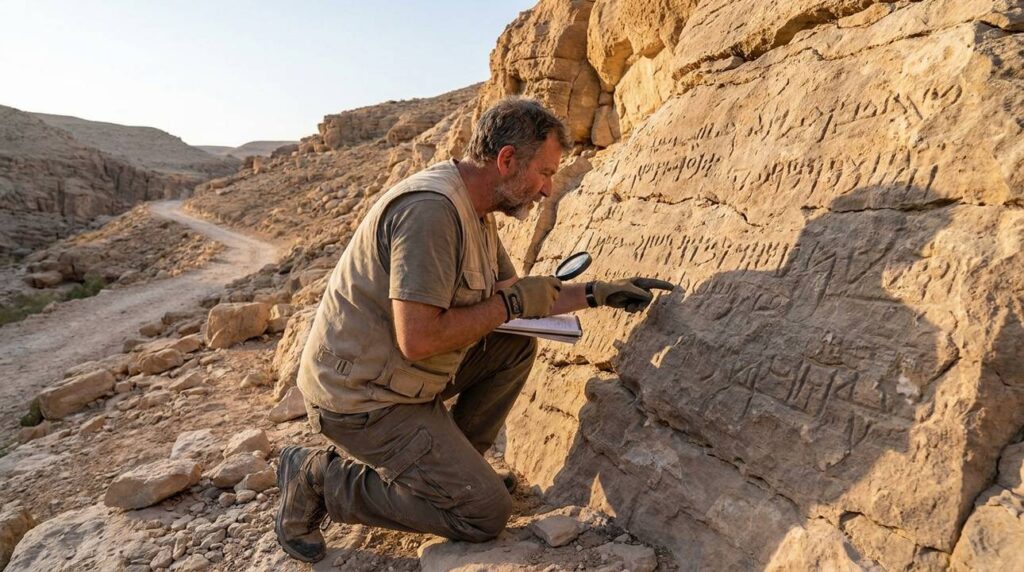

The Pass of Ziz is mentioned in historical texts as a key location during the reign of King Jehoshaphat. Situated near the wilderness of Jeruel, this area is where Jehoshaphat’s army was instructed to face their enemies. Its historical and geographical significance continues to fascinate those interested in ancient studies. The strategic importance of this location is highlighted in the context of ancient Judah’s military campaigns, showing the region’s topography and defense strategies.
What Is the Pass of Ziz?
The Pass of Ziz is referenced primarily in the context of a journey. Believed to be located in a region that served as a strategic passageway, many scholars associate it with the area near the Dead Sea.
This location is mentioned in relation to King Jehoshaphat’s battle against invading armies, where strategic planning played a crucial role. The event is a significant moment in historical narratives, marking both military and strategic milestones.
from the Western Wall to Masada.
The association of the Pass of Ziz with King Jehoshaphat’s battle highlights its importance in history. Serving as a strategic point during the conflict with Moab and Ammon, strategic guidance led to a notable victory. This event is a sign of the power of strategic planning, illustrating how the location became a symbol of triumph and support in the face of overwhelming odds.
Historical References to the Pass of Ziz
The Pass of Ziz holds history mainly due to its strategic role. Known for being a path where armies traveled, it navigated the rugged terrain of the landscape. Despite limited archaeological evidence, historical texts offer insights into its importance. This location is mentioned as where King Jehoshaphat was instructed to confront enemy forces, illustrating its strategic relevance in the defense of Judah.
The strategic value of the Pass of Ziz is further highlighted by its mention as a key location for military engagements. The narrative of Jehoshaphat’s victory over the Moabites and Ammonites underscores its role as a critical point of confrontation.
While archaeological evidence is sparse, historical accounts provide a glimpse into its significance as a place where strategy intersected.
Geography and Location of the Pass of Ziz
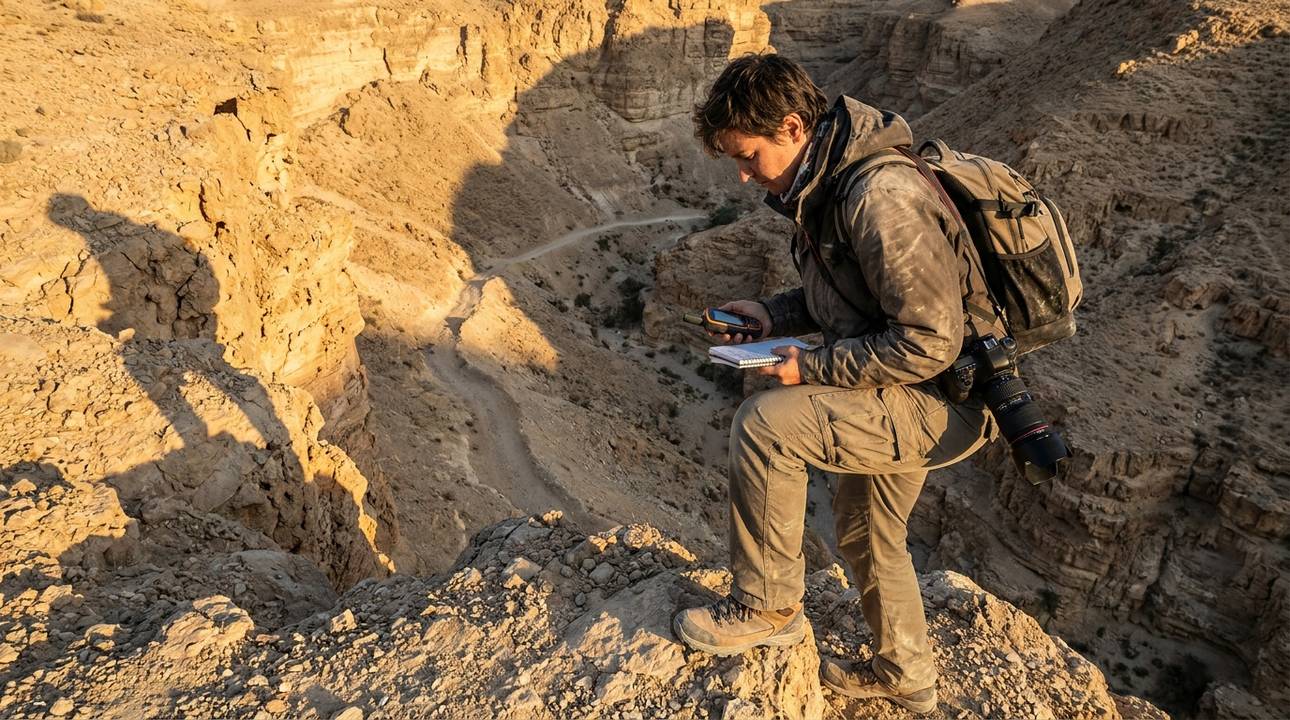
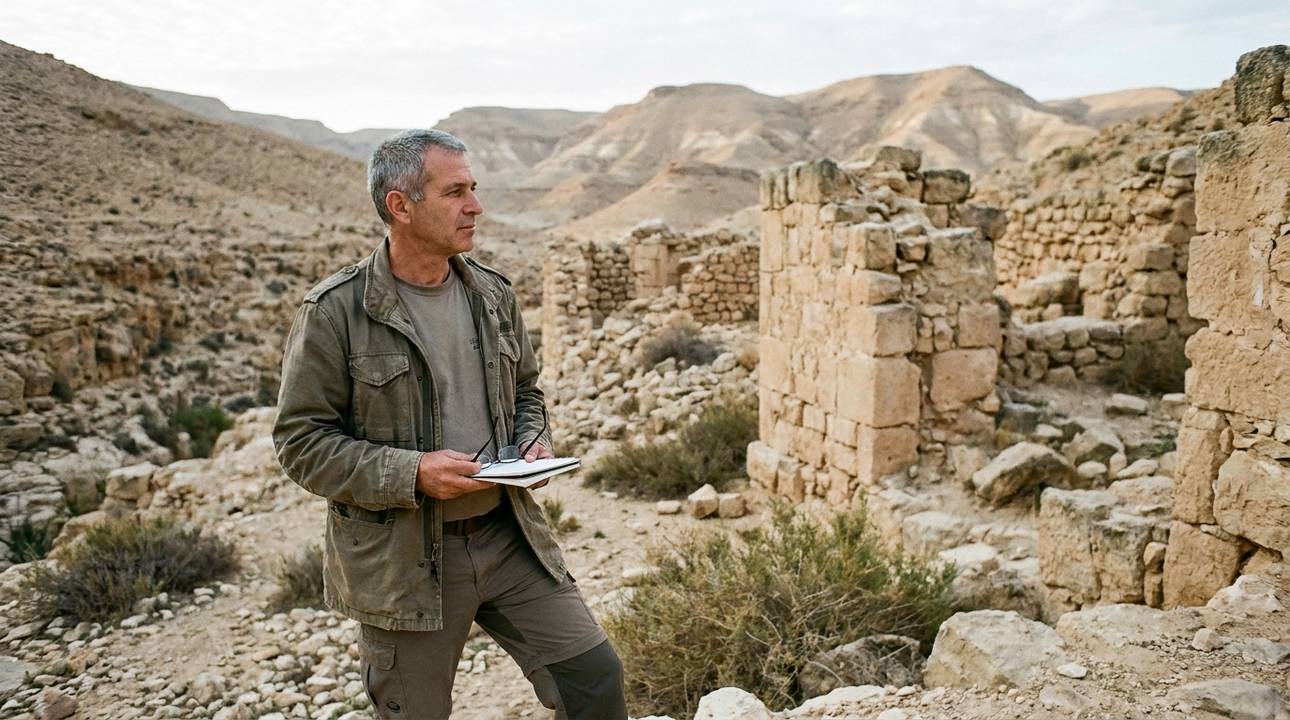
The exact location of the Pass of Ziz remains a topic of scholarly discussion. The prevailing theory places it near the Judean Desert, close to the western shores of the Dead Sea. This region is characterized by dramatic landscapes and steep cliffs, making it a formidable barrier.
Such geography would have posed significant challenges for ancient travelers, emphasizing its strategic importance in historical narratives, particularly during military campaigns.
The rugged terrain of the Judean Desert, with its steep cliffs and narrow pathways, would have made the Pass of Ziz a defensible site. This natural fortification is likely why it was chosen as a strategic location in the account of Jehoshaphat’s battle.
The challenging landscape underscores the difficulty armies faced when navigating the area, highlighting its role as a critical point of defense and ambush in ancient military strategy.
Importance in Historical Narratives
In the historical account, the Pass of Ziz is significant for its association with notable victories and strategic intervention. One of the most notable events is the battle led by King Jehoshaphat. Here, the king was instructed to position his men at this location, where they witnessed a remarkable victory without engaging in combat.
The story emphasizes the convergence of strategic positioning, highlighting how guidance played a crucial role in the outcome.
These narratives emphasize the spiritual dimensions attributed to specific locations, like the Pass of Ziz, as places where faith and events intertwined. The area becomes a symbol of trust and divine intervention, illustrating how physical spaces can hold deep spiritual significance.
For the people of Judah, this victory reinforced their faith and demonstrated the power of relying on divine wisdom during times of uncertainty and challenge.
Modern Understanding of the Pass of Ziz
Today, the Pass of Ziz inspires interest among historians and researchers. While its precise ancient path might be lost, its legacy persists in scholarly research and cultural memory. Understanding its location and significance continues to evolve with ongoing study.
Efforts to pinpoint its geography contribute to broader studies on historical routes and their contexts, enhancing our comprehension of the ancient world and its enduring impact on modern culture.
from the Western Wall to Masada.
The continued interest in the Pass of Ziz reflects a broader fascination with historical geography and its implications. Researchers strive to understand the routes and locations mentioned in historical texts, which offer insights into the lives and challenges faced by ancient peoples.
This ongoing exploration enriches our understanding of the cultural heritage of the region, connecting us to the narratives that have shaped traditions for centuries.
Archaeological Insights and Challenges
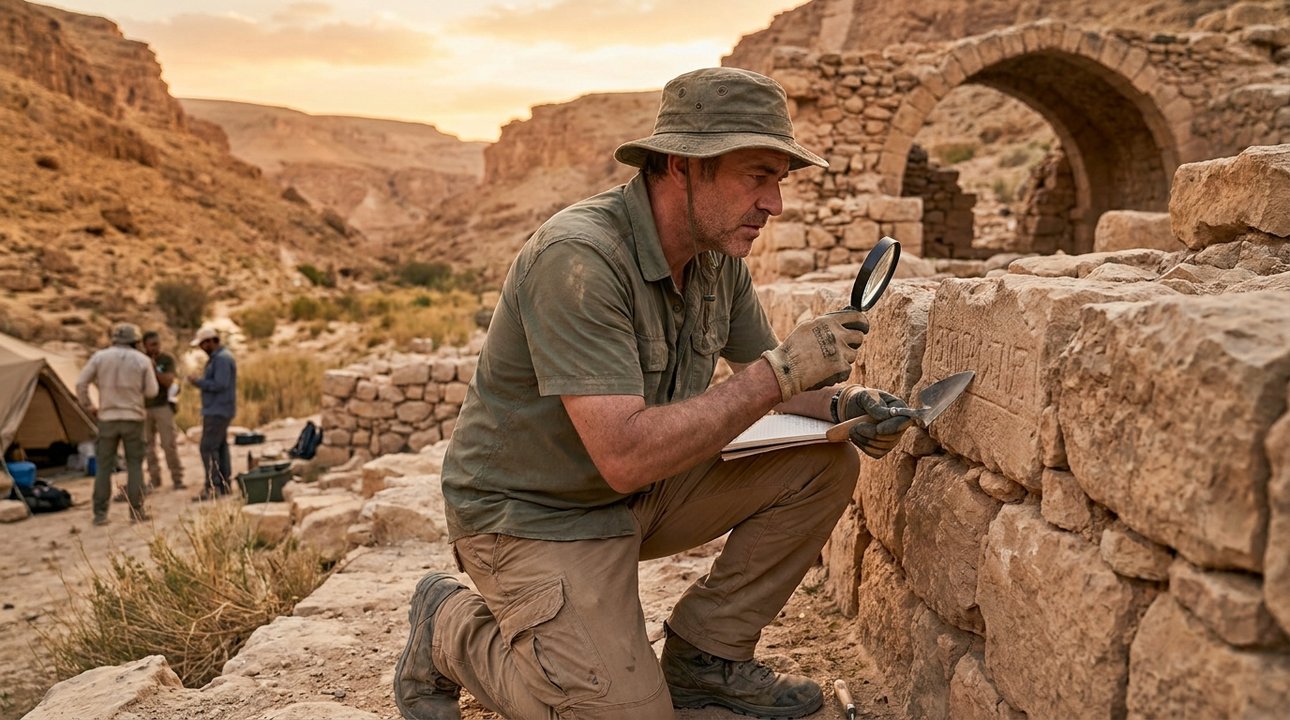
Challenges in locating the Pass of Ziz include the limited archaeological record, as the exact path remains uncertain. However, exploratory research draws upon historical texts and geographical clues to render a plausible picture of its role within the landscape.
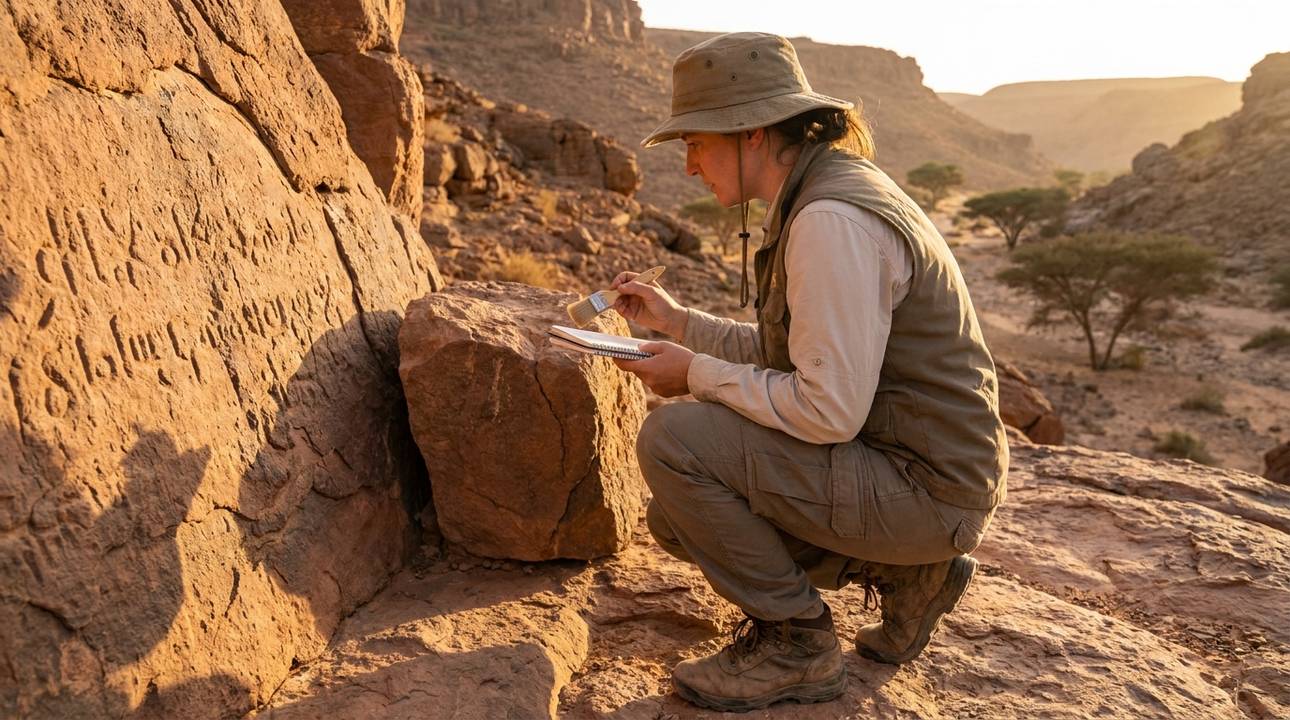
Efforts to discover artifacts or markings related to such locations offer hope for future discoveries that may clarify their historical usage, potentially shedding light on ancient travel and military routes.
The search for the Pass of Ziz involves piecing together clues from historical texts and geographical features. While the archaeological record is limited, the narrative provides a starting point for understanding its significance.
Researchers hope that future discoveries will reveal more about its role in ancient military strategies and its importance in the broader context of history.
Cultural Role of the Pass of Ziz
The Pass of Ziz transcends its physical nature by embodying themes of leadership, as seen in the story of Jehoshaphat’s reliance on strategic guidance. Its mention in stories signifies its ongoing role within cultural traditions.
The location serves as a metaphor for overcoming obstacles and finding guidance amid uncertainty, resonating with people today as it did in the past, reminding us of the power of steadfast belief and wise leadership.
In the narrative of Jehoshaphat, the Pass of Ziz becomes a symbol of divine intervention and leadership. The king’s decision to trust in divine guidance, rather than military might, highlights the importance of faith in achieving victory. This story is still remembered those who seek guidance and strength in times of trial, serving as a reminder of the enduring power of faith and the wisdom of seeking divine direction in leadership.
Pass of Ziz in Jewish Tradition
In tradition, the Pass of Ziz is viewed as a sign of presence during times of trial, where the people of Judah were told to stand firm and witness success. Texts and teachings often refer to it in discussions of protection and strategy. Within these narratives, it is celebrated not just as a geographic route, but as a milestone in the shared history of perseverance and trust, symbolizing the strength derived from strategic planning in challenging times.
Connecting to the Pass of Ziz Today
For those who cherish historical stories, the Pass of Ziz provides an avenue for connecting with ancient narratives, such as the victory of Judah over Moab and Ammon. It opens up pathways for understanding historical events and their relevance in contemporary life.
Engaging with such historical sites encourages a deeper appreciation for the journeys and landscapes that shaped history, offering a tangible link to the past and a reminder of the enduring lessons of resilience.
The Pass of Ziz serves as a link between past and present, inviting us to explore the stories that have shaped our understanding of faith and leadership. The victory of Jehoshaphat at this location is a sign of the power of divine guidance and strategic wisdom. By studying these narratives, we gain insights into the values and beliefs that continue to influence our lives, reinforcing the importance of faith and perseverance in overcoming challenges.
Common Questions