
Uncovering the Historical Ophrah of the Abiezrites


Ophrah of the Abiezrites is mentioned in the Book of Judges as the home of a pivotal figure in history. Also known as Jerubbaal, he was called by an angel to save Israel from the Midianites.
This location is significant as it was here that he destroyed the altar of Baal, an act that marked the beginning of his leadership.
The historical importance of Ophrah lies in its connection to these transformative events in Israel’s past.
Where Was Ophrah of the Abiezrites?
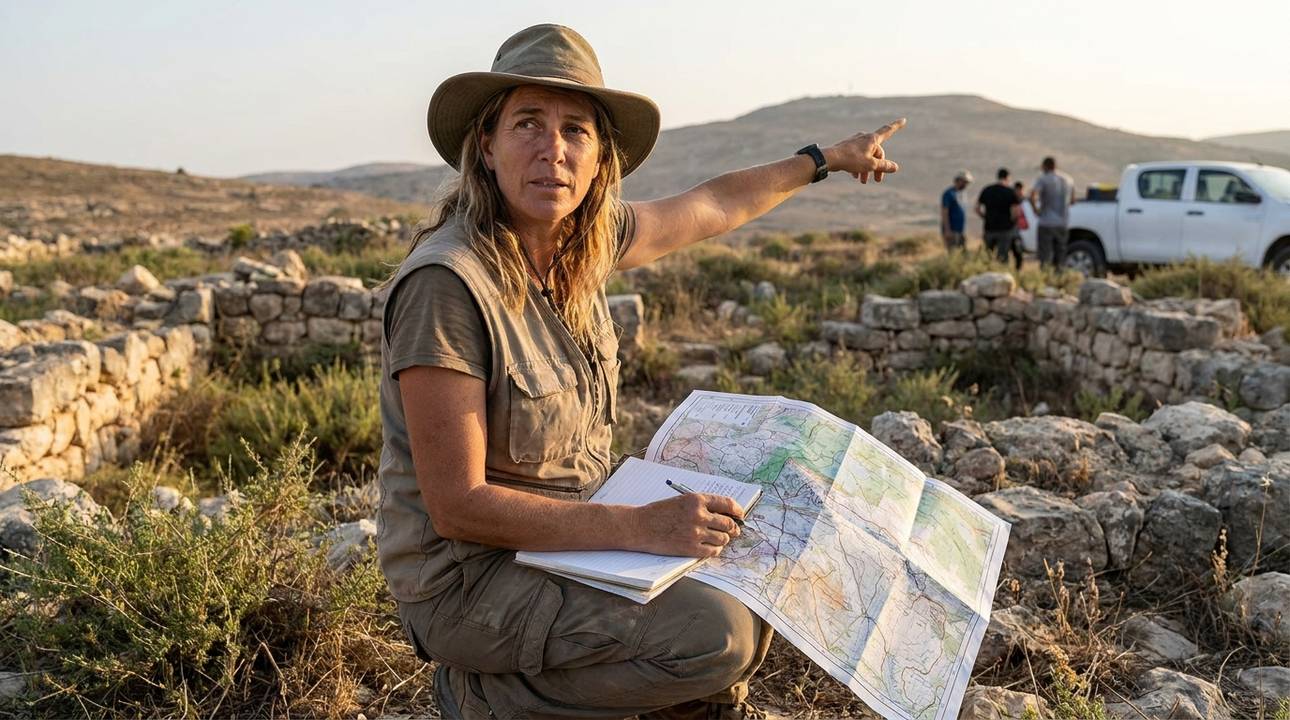
Ophrah, located in the region of Manasseh, is traditionally linked with historical figures. The site is mentioned in the Book of Judges, offering a glimpse into history. Archaeological findings provide clues about its exact location, with some suggesting it might be near modern-day towns in the West Bank.
Modern-day scholars suggest its proximity to notable locations may hint at its southern position within the region of Manasseh. Such insights are crucial for understanding the geographical and cultural landscape of the time.
from the Western Wall to Masada.

The exact modern location remains uncertain, but its historical ties to exploits against the Midianites provide ongoing interest. Ophrah is considered significant both as a historical site and a cultural symbol of resistance.
Studies indicate it was strategically important, serving as a base during pivotal moments in narratives. This strategic relevance underscores its role in the broader context of Israel’s battles for survival and autonomy.
Further examination of references to Ophrah reveals insights into its role in religious and historical contexts. Understanding its placement helps in reconstructing the ancient landscape of Israel. While modern markers might not pinpoint its exact coordinates, its legacy remains vibrant, inspiring continued exploration and study. Ophrah serves as a reminder of the journeys undertaken by the Israelites.
The Significance of the Abiezrites
The Abiezrites, a subgroup of the tribe of Manasseh, played a crucial role in the narrative. Located in the central hill country, they were instrumental in Israel’s tribal structure and history. Their most famous member emerged as a central figure in the Book of Judges, tasked with liberating Israel from Midianite oppression.
His leadership and faith are celebrated as pivotal elements in the Israelites’ struggle for freedom and justice.
This connection enriches the historical mix of Israel, highlighting the diverse contributions of smaller clans. The Abiezrites’ legacy persists through stories of valor and faith found in the accounts, notably where they rallied behind their leader. Understanding their role aids in appreciating the complex social and tribal relations that shaped history. Their contributions underscore the importance of unity and faith in overcoming challenges faced by the Israelites during tumultuous periods.
The narrative of leadership underscores the importance of the Abiezrites in battles that defined history. Their role shines a light on the unity and strength of Israel during turbulent times. Exploring their heritage offers a deeper appreciation for the history and traditions of the Jews, highlighting their legacy. The Abiezrites’ courage and loyalty are celebrated in the annals of Israel’s history.
Historical Accounts of Ophrah
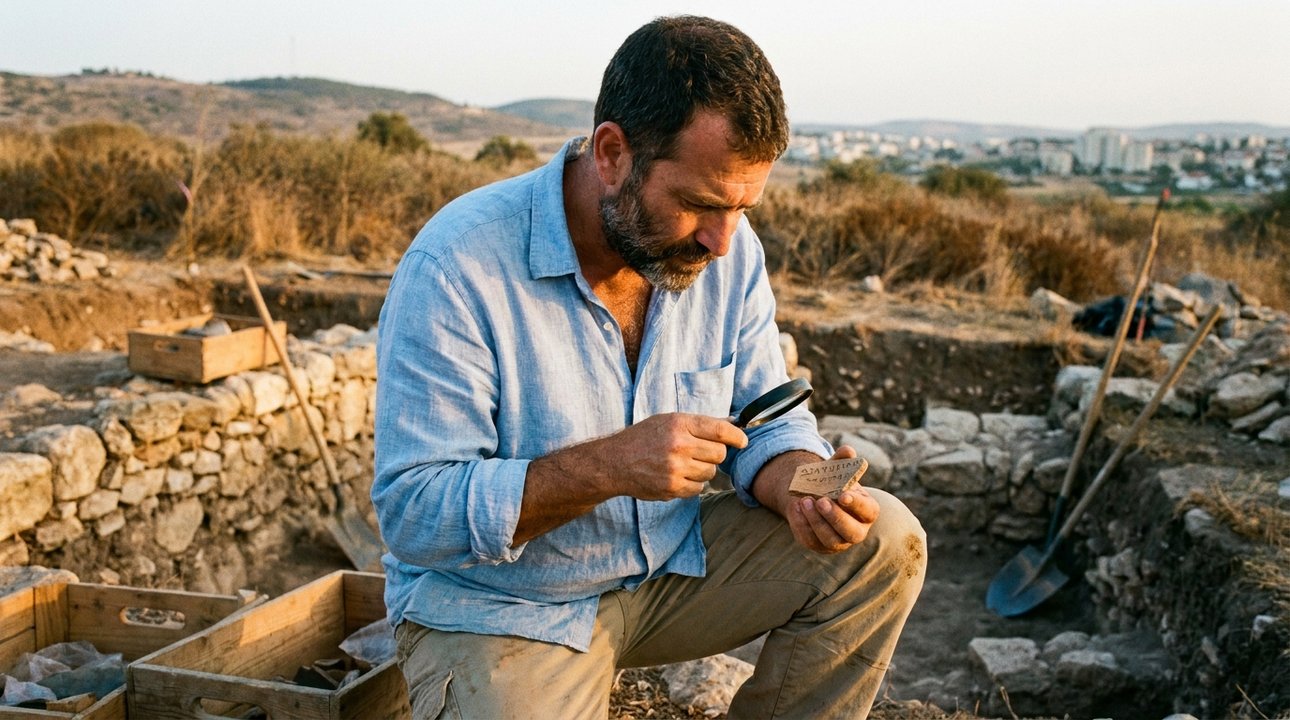
The Book of Judges details Ophrah as a setting for key events, particularly in the story of a leader. Known for its geographical and strategic relevance, it served as a backdrop for battles and encounters. An encounter with an angel happened here, marking it as a place of significance.
This location not only witnessed a transformation from a hesitant leader to a valiant warrior but also became a symbol of intervention and guidance.
This site saw a transformation from a hesitant leader to a valiant warrior. His strategic victory over the Midianites with only 300 men is a sign of his faith and courage. His story reflects themes of faith, courage, and intervention, battlefield victories, and leadership decisions made in Ophrah. Such accounts inspire ongoing study and reflection on their importance, showing ancient leadership dynamics.
The events at Ophrah provide insights into the lives and beliefs of the Israelites. These narratives remain an integral part of Jewish cultural heritage and historical study. They offer lessons on leadership, faith, and the unwavering commitment to one’s beliefs and people, continuing to inspire and educate. Ophrah’s story is a sign of the enduring power of faith and resilience.
Present-Day Understanding of Ophrah
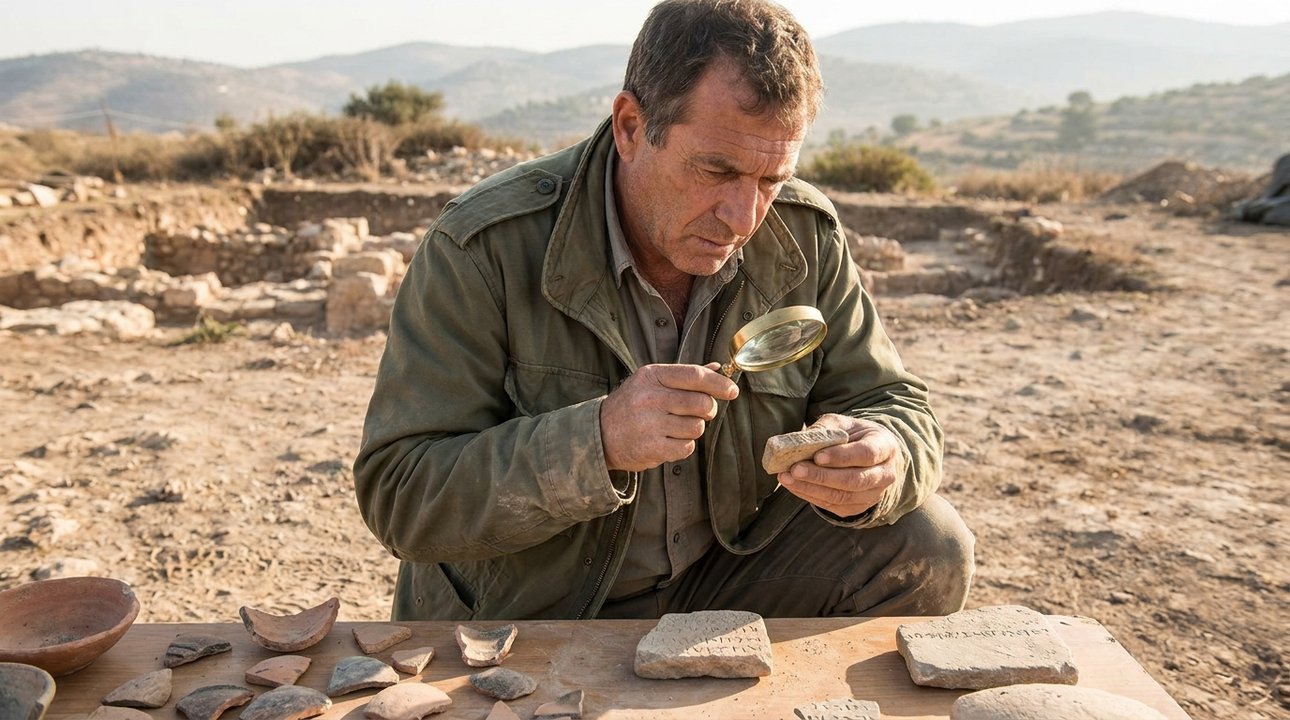
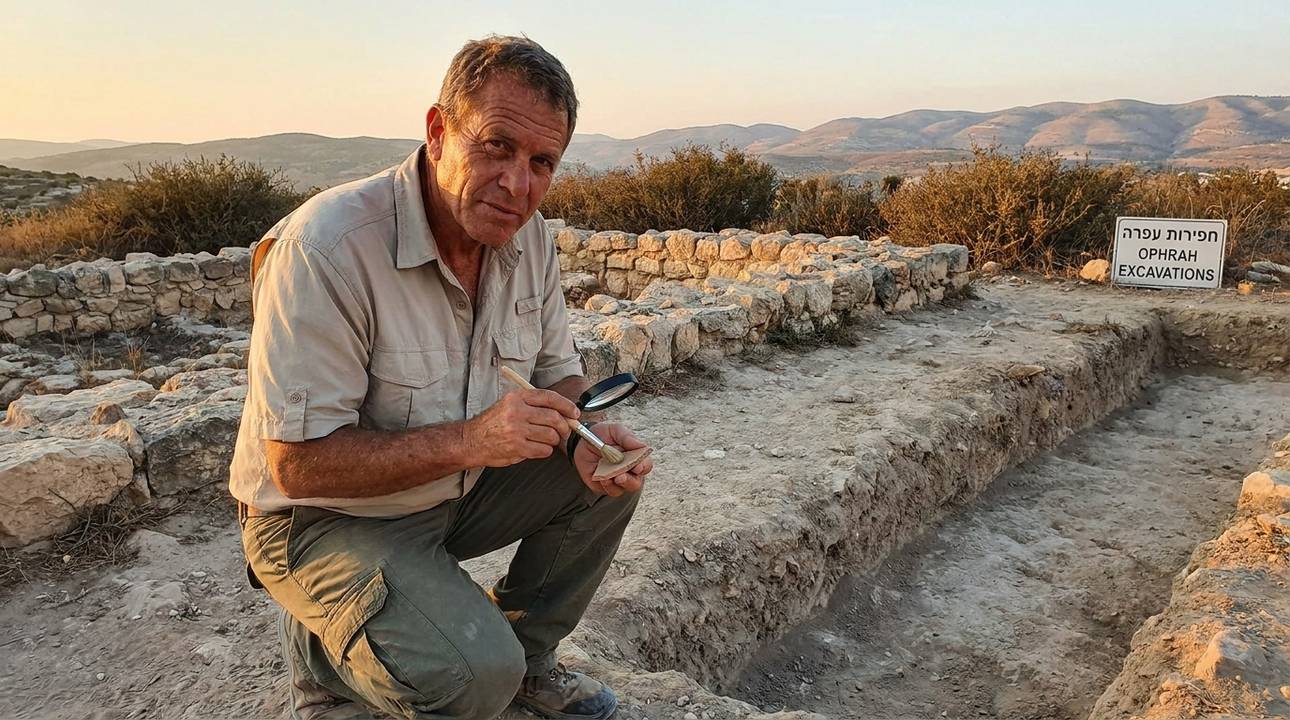
Modern scholars continue to explore and hypothesize about the location of Ophrah. While its exact spot remains elusive, it is generally agreed to be near historical landmarks associated with the tribe of Manasseh. Archaeological efforts focus on regions mentioned in historical texts, such as the central hill country of Israel.
Research and archaeological pursuits aim to uncover more, offering tantalizing glimpses into Israel’s past. These efforts are crucial in piecing together the historical puzzle of ancient settlements.
from the Western Wall to Masada.
This ongoing inquiry reflects the enduring fascination with historical sites and their impact on Jewish history. Dating and verifying artifacts enriches this pursuit, providing tangible links to the narratives found in historical texts. Academic collaboration and exploration provide continual updates and insights, offering a deeper understanding of the cultural and historical contexts of these ancient stories. Such efforts are vital in preserving the heritage of Israel’s past.
The mystery surrounding Ophrah enhances its allure, prompting further study and interest. It represents a tangible link to the narratives that form the backbone of cultural and religious thought. A strong reminder of the interconnectedness between history, literature, and archaeology, Ophrah invites scholars to explore its history and legacy.
The Story and Ophrah’s Legacy
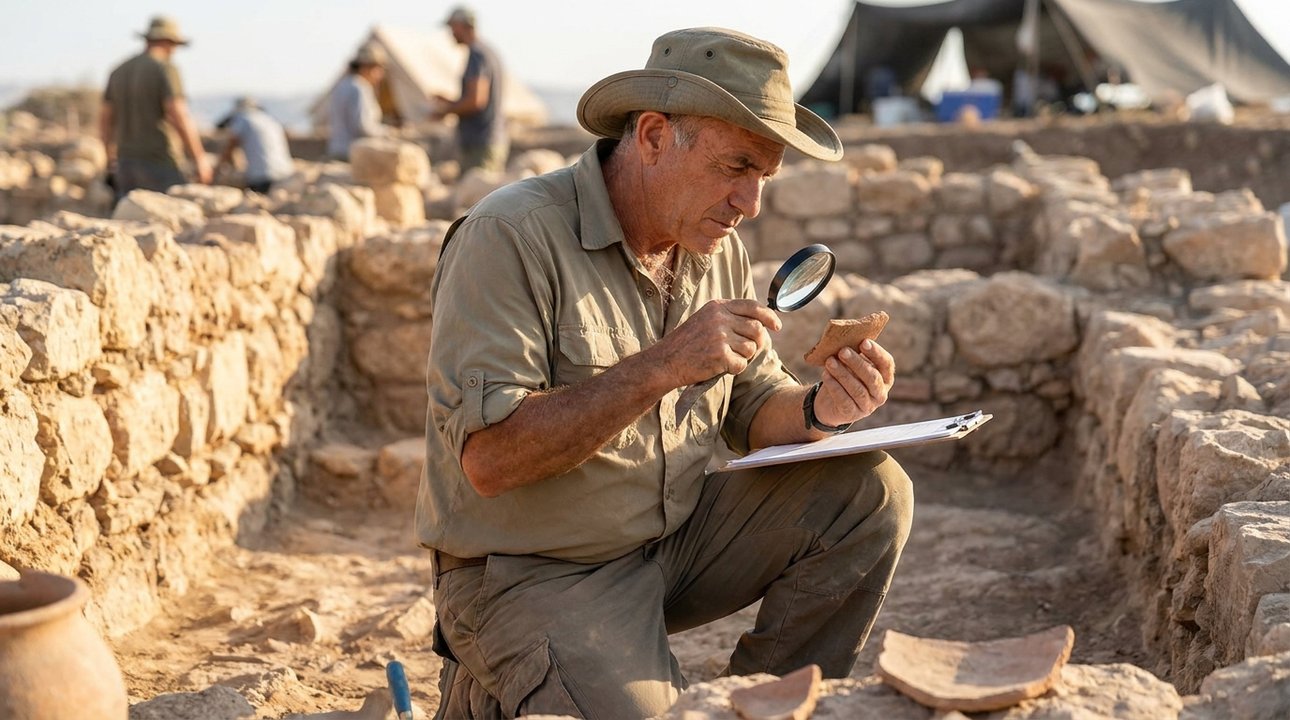
The story unfolds prominently in the Book of Judges. His journey from a cautious farmer to a decisive military leader at Ophrah is a cornerstone of heroism. His initial reluctance and eventual acceptance of his mission helped liberate Israel from its adversaries, leaving a memorable impact that is still remembered in studies on leadership and faith. The story is a sign of the power of faith and courage in the face of overwhelming odds.
Ophrah’s prominence in the Bible is intertwined with his legacy. His unwavering dedication and strategic acumen continue to be studied for their implications, as seen where he declines kingship. This story resonates with lessons in faith, making Ophrah an important cultural and spiritual landmark, inviting reflection on leadership and humility. His actions at Ophrah exemplify the virtues of humility and service over personal gain.
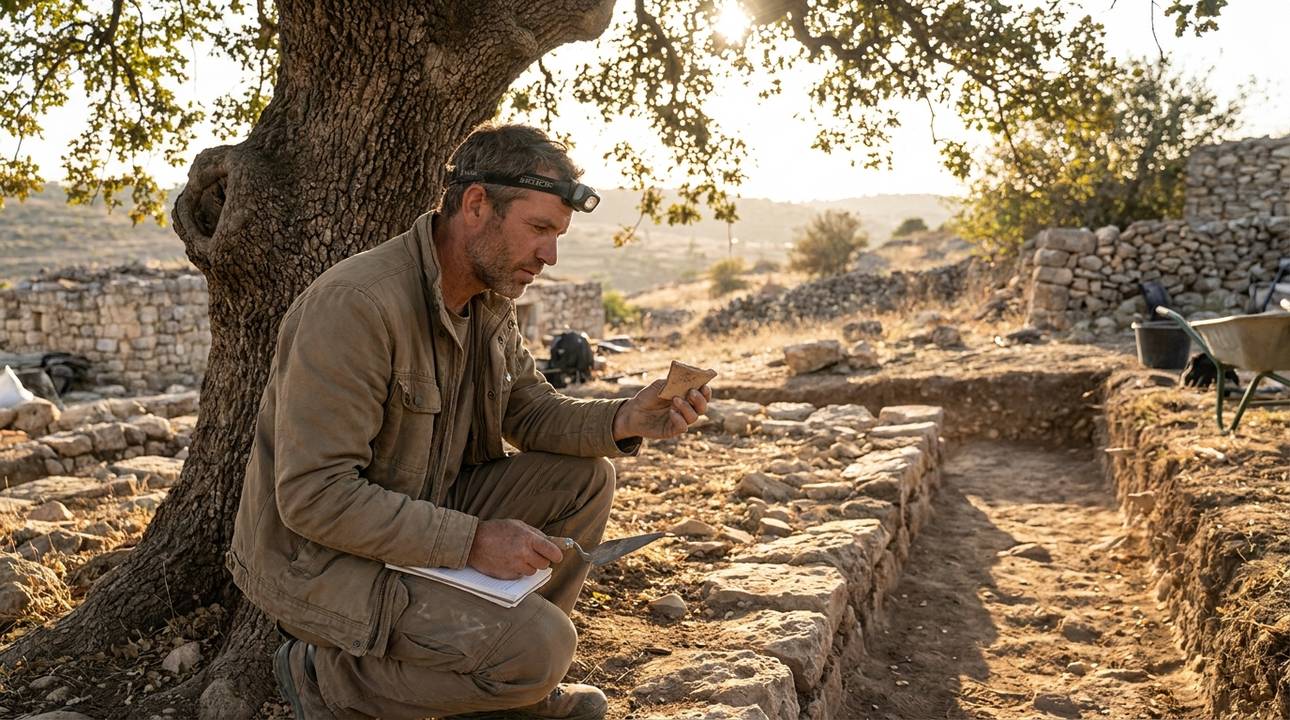
The town of Ophrah, known for its historical significance, offers insights into the dynamics of leadership and experience. An encounter under the oak in Ophrah marks a turning point in history.
These elements combined foster the continuing intrigue and significance of this historical site, making it a focal point for both cultural and historical studies. Ophrah’s story is a powerful reminder of the transformative power of guidance.
Cultural Impact and Modern Reflections
Ophrah, despite its uncertain geographical position, remains a rich subject for cultural and historical exploration. The Book of Judges provides clues about its location, describing it as part of the territory of Manasseh.
It captivates scholars, archaeologists, and believers alike. Each discovery and study adds dimensions to our collective understanding of Israel’s ancient past, piecing together the puzzle of its historical landscape. Ophrah’s story is a vital piece of the broader narrative of Israel’s history.
Through the lens of Ophrah and the tale, the study of history and archaeology becomes an act of cultural preservation and exploration. The story, from initial hesitance to eventual triumph over the Midianites, provides rich material for scholars. These endeavors stimulate interest across diverse disciplines and background stories that define a people, showing societal structures and beliefs.
The continuing narrative of Ophrah underscores its importance as both a cultural touchstone and a historical puzzle, inviting reflection and scholarly investigation. The town is referenced where an ephod was made that became a snare for Israel, highlighting its spiritual significance. It stands as a sign of the past and a prompt for future discovery, encouraging archaeologists and historians to piece together its story. Ophrah’s story is a cautionary tale about the potential pitfalls of idolatry and the importance of faithfulness.
Ophrah of the Abiezrites
