
Understanding Tarshish in the Bible


Tarshish is known as a place linked with trade, wealth, and distant voyages. It is mentioned in several key texts, where it is noted that a fleet of ships sailed to Tarshish, bringing back gold, silver, ivory, apes, and peacocks.
The exact location of Tarshish remains a subject of debate and intrigue among historians, with some suggesting it could be in Spain, while others propose locations in the eastern Mediterranean or even India.
The allure of Tarshish is evident in its repeated mentions, where silver from Tarshish is highlighted. This emphasizes its reputation as a source of wealth and luxury items.
It is noted that a fleet brought back gold, silver, ivory, apes, and peacocks from Tarshish.
The mystery surrounding its precise location adds to its intrigue, inviting scholars and enthusiasts alike to delve into historical and archaeological studies to uncover more about this enigmatic place.
from the Western Wall to Masada.

What Is Tarshish in the Bible?
Tarshish is known as a far-off land rich in resources and commodities. It is described as a distant place accessible by sea, noted for its commerce and luxury items. It is associated with wealth and trading partnerships.
These alliances facilitated the exchange of valuable goods, contributing to the prosperity of their kingdoms and showcasing the interconnectedness of ancient economies. Tarshish’s reputation as a hub of wealth and trade endures in historical lore.
Traders traveled to Tarshish to acquire silver, gold, ivory, apes, and peacocks. It was considered a symbol of prosperity and maritime strength, reflecting the grandeur of ancient trade.
The Phoenicians, known for their seafaring prowess, likely played a role in these exchanges. The wealth and exotic items brought back from Tarshish enriched the cultural and economic fabric of the region, illustrating the far-reaching influence of its trade networks and the allure of its resources.
Historical References to Tarshish
Tarshish plays a role in several narratives. It is highlighted as a thoughtful destination for maritime travel.
It is mentioned in contexts where ships lament when Tyre is destroyed. This illustrates Tarshish’s significance as a trading partner. Such references underscore its role as a key player in the economic landscape of the ancient world. Its influence is woven into historical stories.
In writings, Tarshish symbolizes wealth and a significant trading partner. Descriptions of the ships of Tarshish as carriers of goods further emphasize its economic importance.
The imagery of these ships, laden with treasures, paints a picture of a prosperous and influential region. This enduring symbolism highlights the broader impact of Tarshish on narratives and its representation of abundance and connectivity.
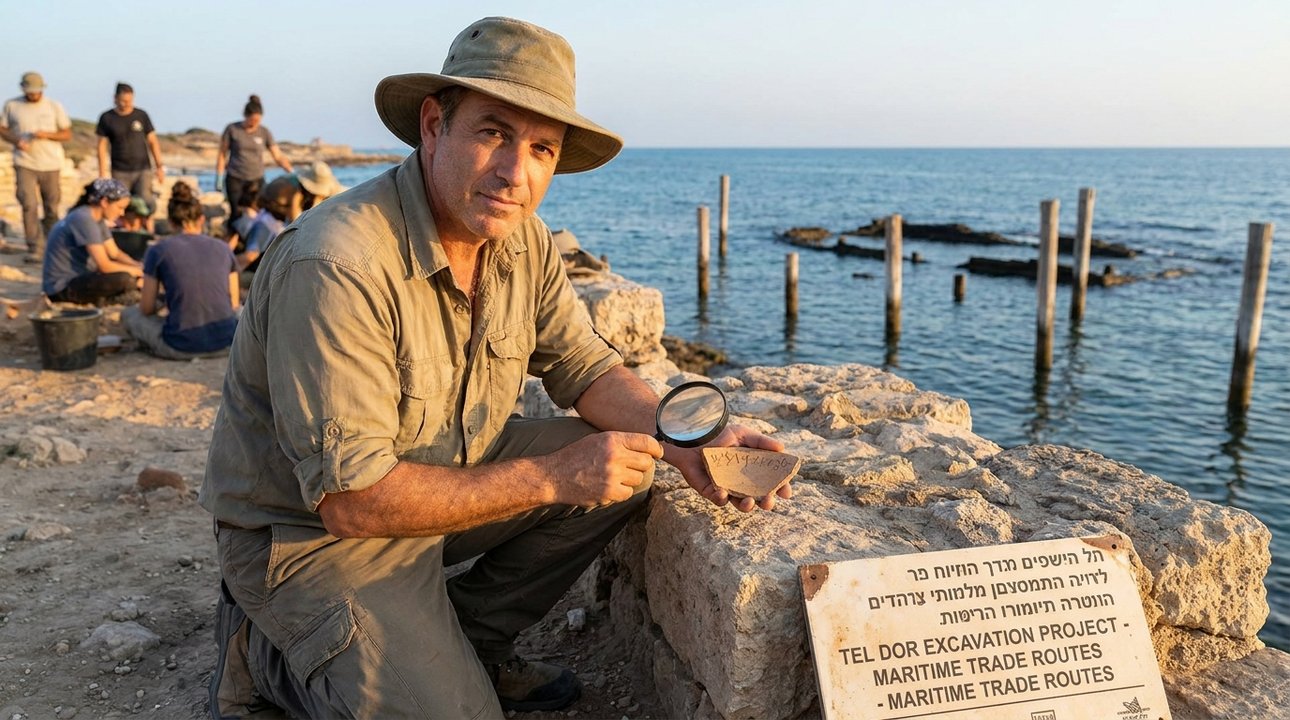
Geographical Theories About Tarshish
The real-world location of Tarshish remains a puzzle for historians. Some scholars suggest it could be in present-day Spain, considering the trade routes and commodities linked to the area.
The Phoenicians, known for their seafaring skills, are believed to have sailed to Tarshish, possibly located in the Iberian Peninsula. This theory is supported by the presence of ancient mining sites in Spain that produced metals like silver and tin, aligning with historical descriptions.
Such connections fuel ongoing debates about Tarshish’s true location.
Others propose a connection to regions such as Sardinia or coastal areas in the eastern Mediterranean. The island of Sardinia, with its rich mineral resources, fits the description of a land abundant in valuable commodities.
There is also speculation around regions in Cilicia (present-day southern Turkey) that aligns with the shipping practices mentioned in the Bible. This area was known for its strategic ports and trade routes, making it a plausible candidate for Tarshish.
These theories highlight the diverse possibilities for its location.
from the Western Wall to Masada.
Tarshish in Modern Context
Today, the name Tarshish often evokes mystery and the enduring quest for historical accuracy. Its significance in commerce underscores its standing as a notable ancient maritime hub. Modern reenactments and studies continue to investigate its influence on trade and economy.
Archaeologists and historians examine ancient texts and artifacts to piece together the puzzle of Tarshish’s true location and its role in shaping ancient trade routes. These efforts aim to uncover the secrets of this legendary place.
Though the exact location of Tarshish is debated, its symbolic impact in ancient trade and history is profound. Scholars have suggested various locations, including Tartessos in Spain and regions in the eastern Mediterranean.
Mentions of Tarshish in several contexts highlight its role among distant lands.
This ongoing research not only enriches our understanding of historical narratives but also provides insights into the complex web of trade and cultural exchanges that defined the ancient world.

Cultural Impact of Tarshish
Beyond commerce, Tarshish represents cultural connections among ancient regions. It exemplifies the exchange of goods and ideas across regions. Tarshish is mentioned as a trading partner of Tyre, exchanging silver, iron, tin, and lead. By appearing in numerous texts, Tarshish has sparked interest in cultural narratives and literary depictions over centuries. Its mystery is still remembered in artistic and scholarly exploration, emphasizing the lore of ancient maritime voyages.
Conclusion: the Legacy of Tarshish
Tarshish’s depiction affirms its role as a symbol of trade and exploration. While the precise location remains disputed, its image as a region of exchange persists through historical analysis and scholarship.
Tarshish is mentioned as a trading partner of Tyre, providing silver, iron, tin, and lead. This highlights its importance in ancient trade networks, reflecting a hub of economic activity and cultural exchange.
The ongoing search for its location continues to captivate scholars.
Its legacy offers insights into ancient economies and cultural interconnections. Readers interested in history find Tarshish a focal point in understanding maritime endeavors and trade relations. The ships of Tarshish symbolize the might and reach of ancient maritime commerce. These references emphasize the region’s role in facilitating economic growth and cultural interactions across the Mediterranean and beyond. The enduring fascination with Tarshish is still remembered in exploration and study.

Historical Context and Geography
