Understanding the Map of Tarshish in Historical Context


Tarshish is a place mentioned several times in ancient texts. Its exact location remains debated, yet it is frequently associated with maritime trading and wealth.
Some scholars suggest it could be in the western Mediterranean, possibly linked to ancient Tartessos in Spain. It is noted that a fleet brought gold, silver, ivory, apes, and peacocks from Tarshish every three years, emphasizing its role in trade.
In this article, we explore the references to Tarshish in historical texts and its hypothesized locations, examining how these connections influence our understanding of ancient trade networks.
The mention of Tarshish highlights its importance as a trading partner with Tyre, known for its wealth and commerce. The debate over its location adds to the intrigue, with some scholars proposing links to Sardinia or even Cornwall, based on historical and archaeological evidence.
from the Western Wall to Masada.
What Is Tarshish in the Bible?
Tarshish is often described as a distant port rich in resources and well connected by sea routes. It is noted for its reputation as a far-off land.
Tarshish is cited as a source of silver, iron, tin, and lead, implying its significance in ancient trade. Connections with commerce and maritime activity make Tarshish an intriguing site in historical narratives, emphasizing its role in the economic exchanges of the time.
The mention of Tarshish adds another layer to its significance, portraying it as a place of wealth and commerce. This aligns with its depiction as associated with a fleet bringing valuable goods every three years.
Together, these accounts paint a picture of Tarshish as a vital hub in the ancient trade networks, contributing to the prosperity and cultural exchanges of the era.
Where Might Tarshish Have Been Located?
The exact geographic location of Tarshish has been the subject of much scholarly debate. Some researchers suggest it might have been in ancient Spain, around modern-day Tartessos, given the reference to ships of Tarshish associated with the Mediterranean.
This theory is supported by historical accounts of Tartessos as a wealthy and advanced society. Other theories propose locations as far as the British Isles, due to the mention of metals like tin.
Despite varying hypotheses, no definitive archaeological evidence has pinpointed its precise location, leaving its true position a mystery.
Tarshish’s Role in Historical Narratives
Tarshish is not just a geographic term but a symbol of wealth and expansive trade. The ‘ships of Tarshish’ are repeatedly referenced, suggesting a fleet associated with long-distance trade.
For example, a fleet of ships of Tarshish brought gold, silver, ivory, apes, and peacocks every three years. These ships were emblematic of prosperity, tying Tarshish to a larger narrative of economic and cultural exchange.
Its mention alongside affluent entities reflects the era’s maritime prowess and economic ambitions.
The imagery of the ‘ships of Tarshish’ is linked to the wealth and commerce of Tyre. This reinforces the idea of Tarshish as a hub of trade and prosperity, contributing to the economic vitality of the region. Such references highlight the interconnectedness of ancient trade networks and the role of Tarshish within them, showing the economic landscape of the historical world.
Tarshish in Historical Context
Though the exact details remain mysterious, Tarshish was likely a nexus for ancient trade routes through the Mediterranean. Some scholars link Tarshish with ancient mining practices based on mentions of its rich mineral deposits.
For example, silver from Tarshish indicates its role in metal trade. The link to metals like silver and tin supports the hypothesis of it being a crucial destination in the Bronze Age trade network.
These connections propose Tarshish as a linchpin in understanding the economic fabric of the historical world.
The association of Tarshish with metals is further supported by listings as a source of silver, iron, tin, and lead. This suggests that Tarshish was not only a trading hub but also a center for resource extraction and distribution. These accounts provide a glimpse into the economic activities of the time, illustrating how Tarshish was important in the trade and commerce of the ancient Mediterranean world.
The Influence of Tarshish on Historical Literature
Tarshish’s frequent appearance in historical literature underscores its symbolic weight. Beyond its literal role as a trading hub, it functions as a motif of distance and mystery, where kings of Tarshish bring gifts. This imagery suggests a place of wealth and respect.
This recurring presence enriches the narratives, adding layers of historical and cultural complexity. Its symbolic role in stories represents themes of journeying and destiny, emphasizing the tension between human plans and higher purposes.
The depiction of Tarshish, where it is associated with a fleet, further underscores its significance as a symbol of wealth and trade. This connection to prosperity highlights its role in the economic exchanges of the time. Collectively, these narratives contribute to the mix of stories, where Tarshish serves as a backdrop for exploring themes of wealth, distance, and the complexities of human interactions.
Tarshish in Historical Narratives
Tarshish is famously placed at the center of a narrative of flight and pursuit. Its reputation as a remote and seemingly unreachable land is highlighted.
This choice reflects a desire to flee from a mission. This story contrasts the notion of fleeing with attachment and obedience.
Tarshish serves as a setting for understanding broader themes of resistance and redemption, highlighting the tension between human will and intention.
from the Western Wall to Masada.
The narrative emphasizes the distance of Tarshish but also its symbolic role as a place of refuge and escape. This depiction of Tarshish as a distant land is echoed where kings of Tarshish are noted for bringing gifts, symbolizing wealth and respect.
These stories underscore Tarshish’s role in narratives, representing both physical distance and the journey of characters who grapple with calls and personal desires.
Tarshish in Prophetic Literature
Prophets reference Tarshish in contexts of judgment and redemption. Tarshish is presented as a witness to greatness, extending its narrative beyond trade to revelation. This passage suggests that Tarshish will see the glory of works.
Similarly, Tarshish is listed among the maritime powers trading with Tyre. Such references underscore the symbolism interwoven with its geographic identity, illustrating how Tarshish embodies both material prosperity and depth in historical texts.
The dual role of Tarshish in texts is further highlighted, where it is depicted as a center of commerce and wealth. This portrayal complements its significance, where it is seen as a place that will witness revelation.
These layers of meaning make Tarshish a compelling subject for those studying geography and the interplay between material and themes in ancient narratives.
Tarshish in Archaeological and Scholarly Studies
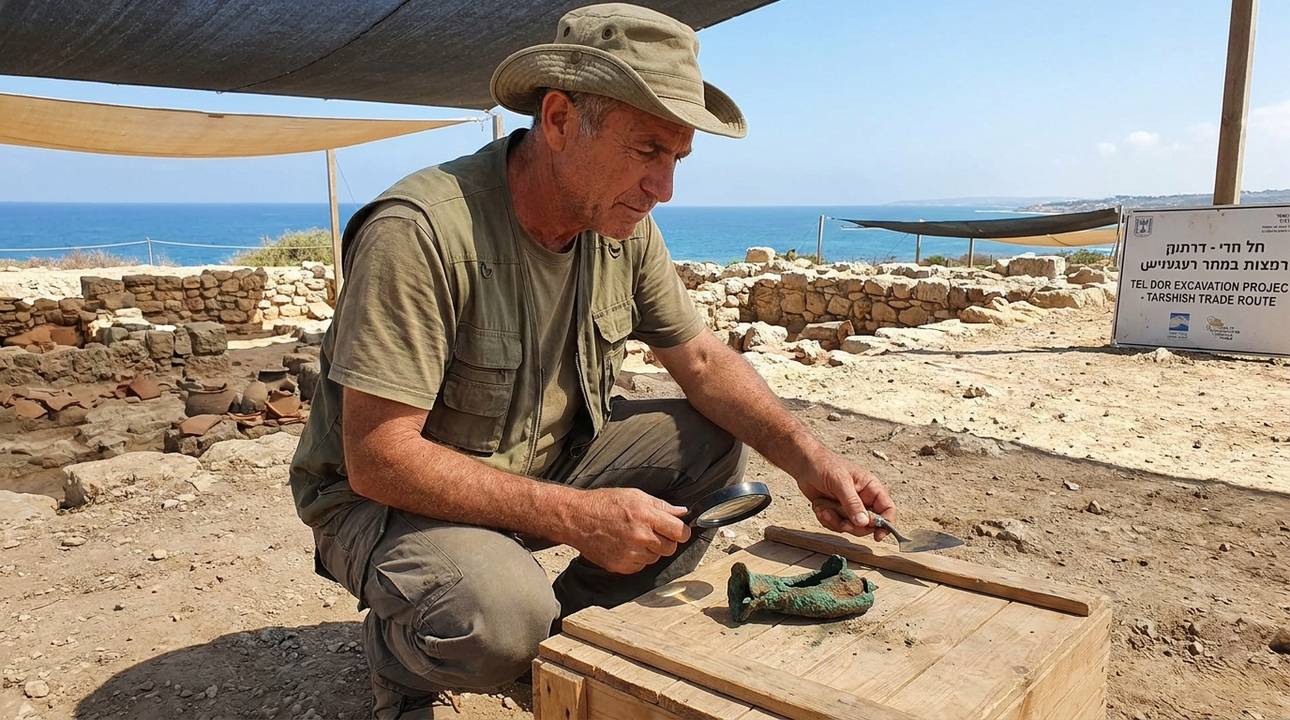
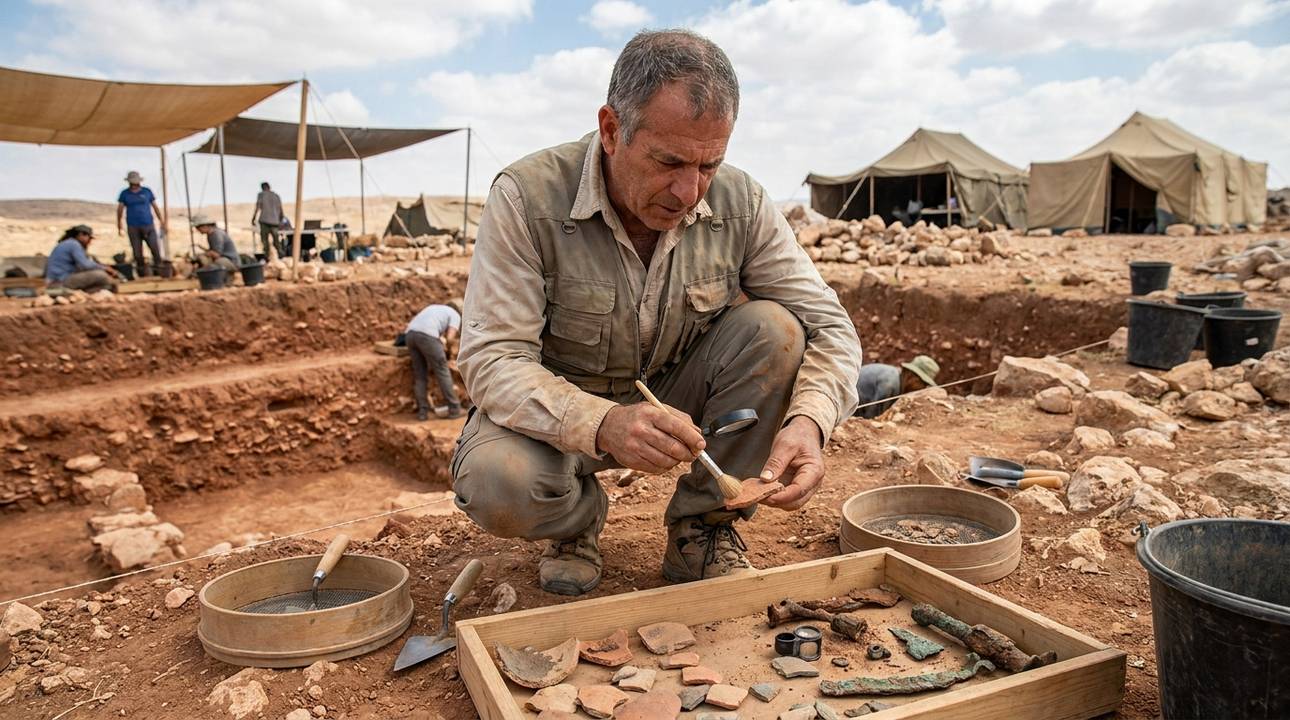
Despite debates, archaeological findings have not conclusively identified Tarshish. Scholars rely on textual analysis and historical inferences to map its potential locations. For example, they examine passages mentioning silver from Tarshish to understand trade relations.
Studies focus on cross-referencing descriptions with known ancient trade routes, such as those documented by the Phoenicians, to hypothesize where Tarshish might have been. This method combines historical texts with archaeological insights to explore its possible locations.
The search for Tarshish also involves examining its potential connections to places like Tartessos in Spain or even regions in Sardinia. These hypotheses are based on historical records and the geographic clues provided in texts.
This ongoing exploration highlights the challenges and intrigue of archaeology, where scholars piece together ancient narratives to better understand the cultural and economic landscapes of the past.
These efforts help piece together the mix of Tarshish’s significance. By analyzing ancient texts alongside archaeological data, researchers attempt to reconstruct the socio-economic landscape of the time. Tarshish is mentioned as a trading partner of Tyre, dealing in silver, iron, tin, and lead. The ongoing search for Tarshish illustrates the complexities of piecing together history from fragmented sources, highlighting the importance of interdisciplinary study in archaeology. This approach combines textual analysis with material evidence to offer a fuller picture.
Tarshish Today: Legacy and Influence
While historical confirmation remains elusive, Tarshish endures in modern scholarship and cultural narratives. It symbolizes the quest for knowledge and bridges ancient and modern curiosities. Scholars continue to explore its potential locations and significance.
Tarshish remains a focal point for understanding trade and its socio-economic impacts, as it is often linked with wealth and commerce in texts. Its enduring allure continues to captivate those exploring geography and ancient commerce.
The fascination with Tarshish is partly due to its description as a place of commerce and prosperity. This connection to wealth and trade is further supported by its inclusion among the maritime powers trading with Tyre.
These references highlight Tarshish’s role in the economic exchanges of the time, making it a key player in the ancient world and a subject of ongoing scholarly interest.
Common Questions on Tarshish