
Exploring the Brook Kidron: History and Significance


The Brook Kidron holds a significant place in history and modern geography. Known in Hebrew as “Nahal Kidron,” it is mentioned in several historical texts. This waterway continues to be a geographical landmark, running through the Kidron Valley and serving as a reminder of Jerusalem’s history.
What Is the Brook Kidron?
The Brook Kidron is a seasonal stream that runs through a valley east of Jerusalem, originating near the Temple Mount and flowing to the Dead Sea. It has served as a crucial water source and holds significant historical importance.
In historical times, this stream marked a natural boundary and was often mentioned as a landmark in key events, highlighting its strategic and symbolic roles.
from the Western Wall to Masada.

The Kidron Valley is known for its geographical and strategic importance, serving as a route between Jerusalem and the wilderness. The valley’s name appears frequently in historical texts, marking events of purification, mourning, and ritual significance. Its presence in these narratives highlights its multifaceted role in the cultural and historical landscape of the region.
Historical References to Brook Kidron
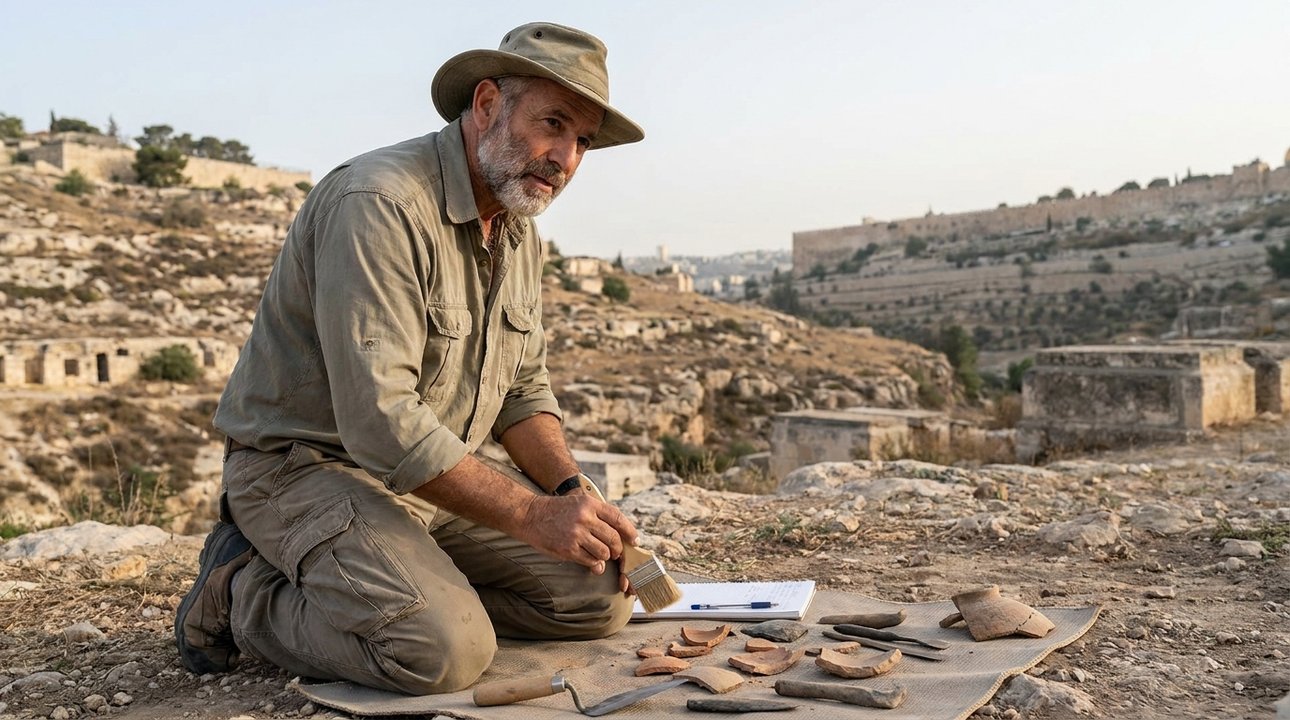
Throughout historical texts, the Brook Kidron is mentioned in key narratives. It served as a refuge, symbolizing a place of transition and safety in times of crisis. Additionally, it was a site for reform acts, where idols were burned and the kingdom was purified. These events underscore its role in cleansing and renewal.
The destruction of idols marked a significant moment in the religious history of Judah, emphasizing the stream’s symbolic role in purging impurities.
The Brook Kidron holds significance beyond its geographical presence. In historical texts, it is mentioned in several narratives, highlighting its role as a site of refuge and transition.
It provided a crucial escape route. The stream also appears in texts where idols were destroyed, marking it as a place of renewal. These instances reflect its ongoing relevance in history.
Its association with cleansing and renewal has made it a lasting symbol in the traditions of the region.
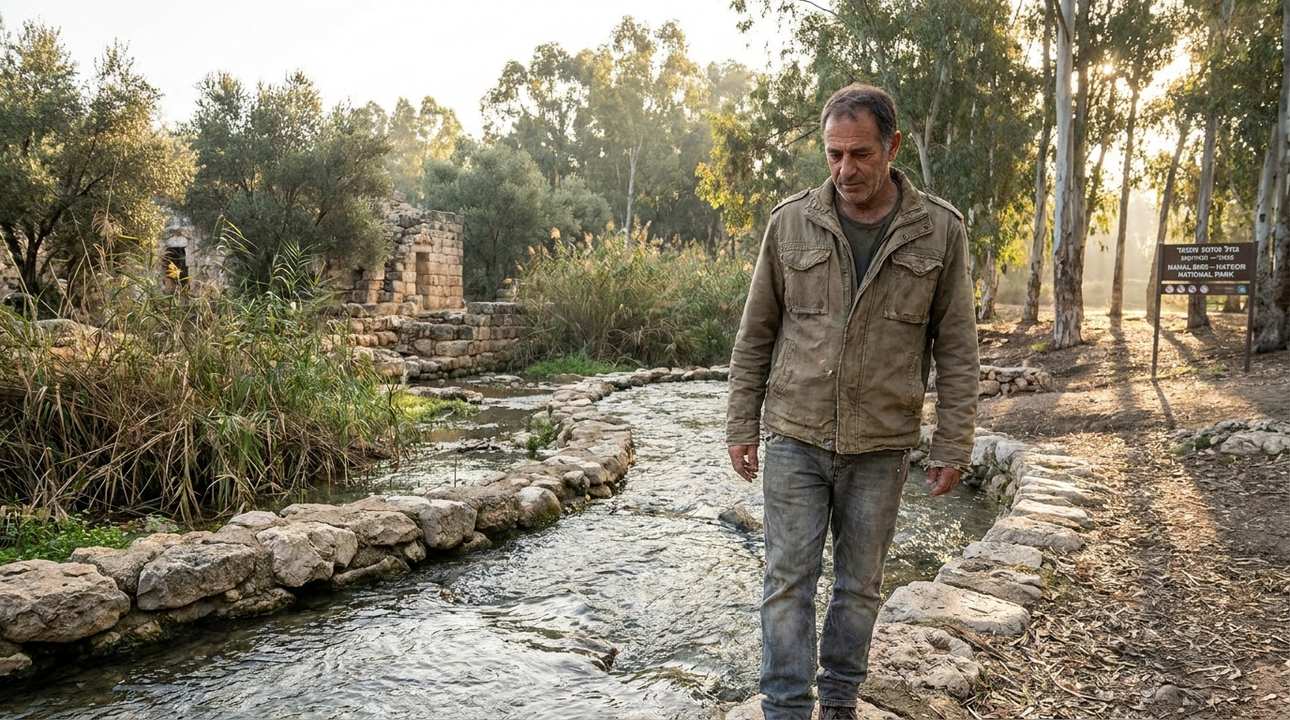
The legacy of this stream continues to be a symbol of transition and connection. Its waters have witnessed significant events, serving as a backdrop for stories of resilience. By linking these moments across time, it remains a sign of the enduring nature of these narratives. The stories associated with it highlight its role in moments of crisis and renewal. For those exploring the region today, it offers a tangible link to the past, inviting reflection on the enduring impact of these stories. Visitors can walk along its banks and imagine the historical events that once unfolded there, feeling a connection to the past.
Understanding the Geography of the Kidron Valley
The Kidron Valley, situated to the east of Jerusalem, serves as a natural boundary between the city and the Mount of Olives. This strategic location provided a route for escape.
The valley’s steep slopes and natural defenses offered protection and a clear path to safety. The valley’s geographical features have influenced Jerusalem’s development, offering a natural defense for the city’s eastern flank.
Its presence has shaped the city’s history, acting as both a barrier and a passageway. The valley’s role as a natural fortification has been crucial in various historical conflicts and developments.
Historically, the Brook Kidron functioned as a drainage system for Jerusalem, channeling waste away from the city. Its function as a drainage system was crucial for maintaining the city’s sanitation and health. Symbolically, this role as a purifier aligns with its significance, representing renewal and cleansing.
This dual role highlights its importance both in the physical and cultural landscapes of Jerusalem. Its ability to carry away physical impurities mirrored its symbolic role in purging impurities.
from the Western Wall to Masada.
Archaeological Discoveries and Insights
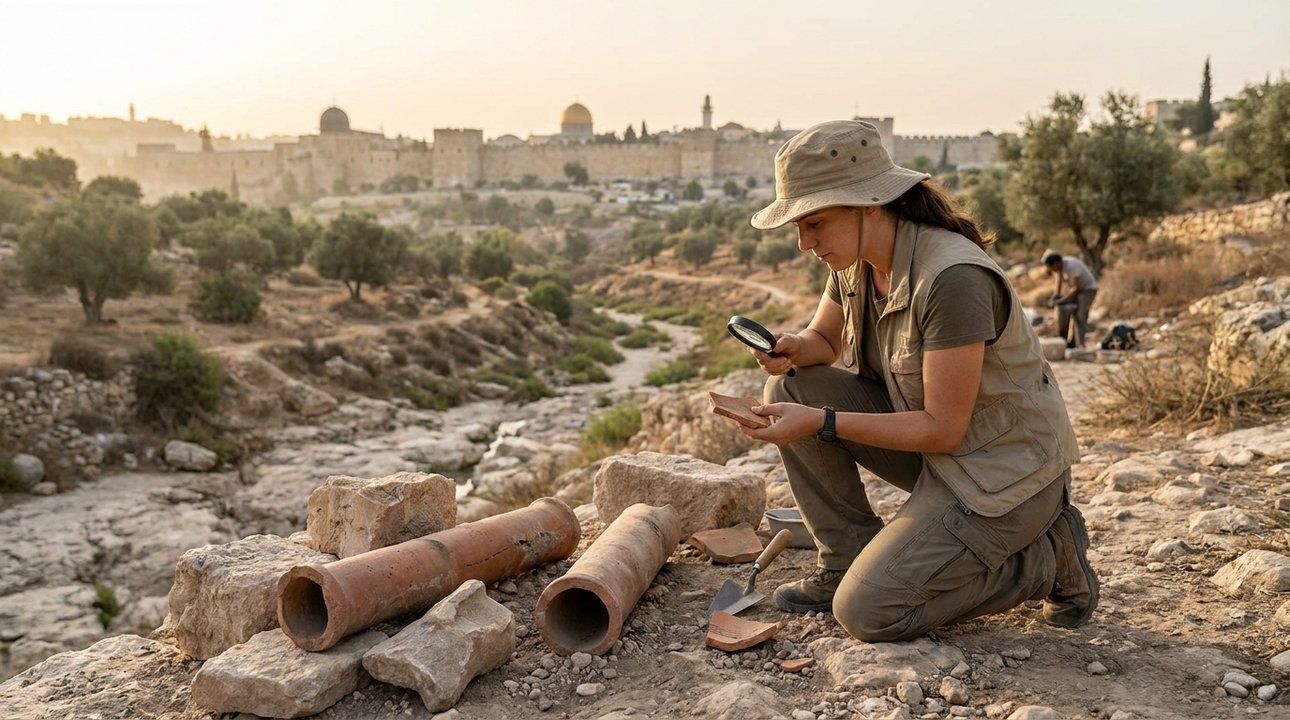
Modern archaeological efforts in the Kidron Valley have unearthed a wealth of artifacts, shedding light on Jerusalem’s layered history. Among these finds are tombs dating back to the First Temple period, providing insights into burial practices of the time.
These tombs offer clues about the social structures and beliefs of early Jerusalem. In addition to tombs, remnants of structures from various eras, including the Roman period, have been discovered. These findings help historians piece together the daily lives of those who lived in the valley.
The architectural remains reveal its role in the urban development and expansion of Jerusalem.
The artifacts found in the Kidron Valley reveal the civilizations that thrived there and how they interacted with their environment. Pottery shards and inscriptions tell stories of trade and communication, while architectural remnants suggest the valley’s role in urban development.
The variety of artifacts indicates the diverse cultures that have influenced the area over time. By studying these artifacts, historians gain a deeper understanding of the cultural and historical evolution of Jerusalem, highlighting the valley’s importance as a resource and landmark.
The findings provide valuable insights into the daily lives and practices of the people who lived in the region.
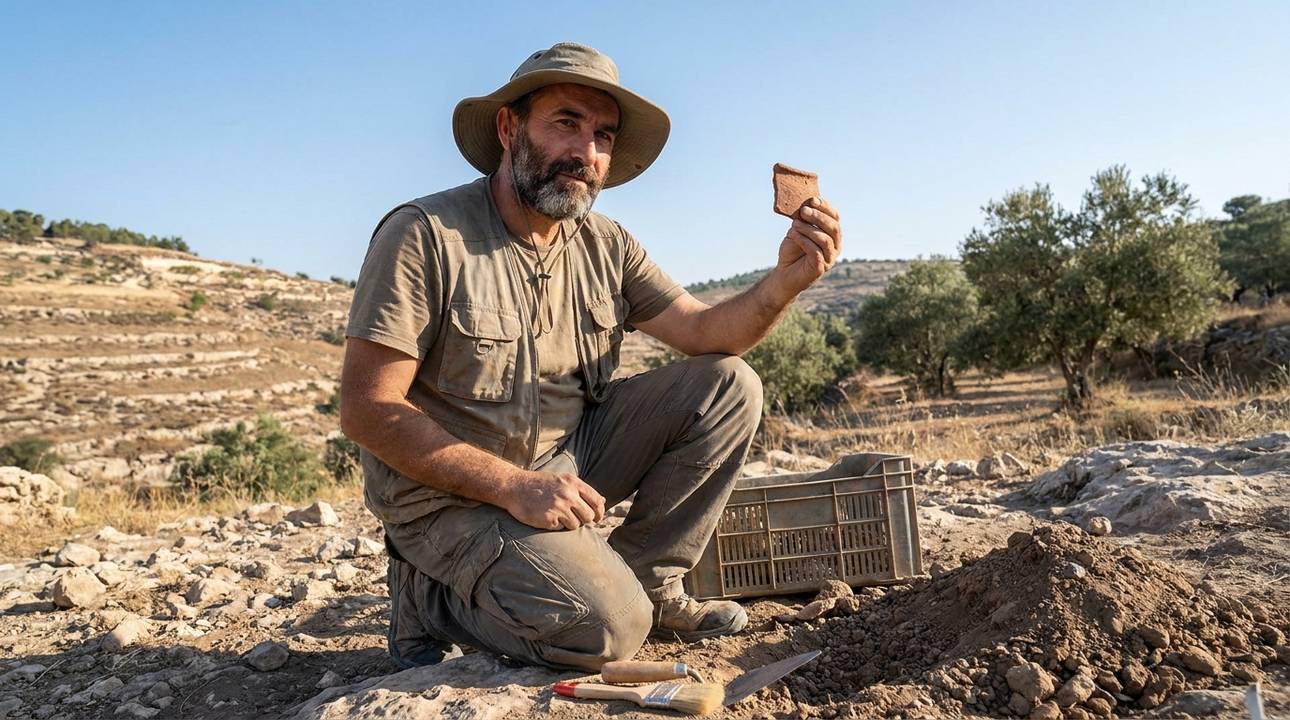
Artifacts from various periods, including the First Temple era and Roman times, reveal the Kidron Valley’s continuous use. Excavations have uncovered items such as pottery and inscriptions, each layer telling a story of the region’s dynamic history.
For example, pottery shards from the Iron Age offer insights into the daily life and trade practices of early Jerusalem. These discoveries underscore the valley’s role as a central artery in Jerusalem’s past, contributing to our understanding of the city’s cultural and historical evolution.
The inscriptions found provide evidence of the languages and scripts used, offering clues about the diverse peoples who inhabited the area.
Brook Kidron in Modern Context
Today, the Kidron Valley faces ecological challenges due to urbanization and pollution. Efforts are underway to preserve its historical and natural legacy, with projects aimed at reducing waste and restoring its landscape.
In recent years, initiatives have focused on the removal of debris and the planting of native vegetation to revive the area’s natural beauty.
Modern Jerusalem continues to view the valley as a vital link to its storied past, emphasizing the importance of conservation alongside archaeological research to maintain its cultural heritage.
The area is not only a historical site but also a living ecosystem that requires careful stewardship to thrive.
The Kidron Valley remains a focal point for scholars dedicated to preserving its heritage. Efforts to protect the valley’s archaeological sites are crucial for maintaining a connection between history and contemporary life. Conservation projects aim to stabilize and restore the valley’s historical features. Researchers work diligently to document and conserve the valley’s artifacts, ensuring that future generations can appreciate its history. These endeavors highlight the importance of safeguarding our shared cultural heritage. The preservation of the Kidron Valley allows for continued exploration and understanding of Jerusalem’s past.
By preserving the Kidron Valley, researchers hope to maintain its relevance for future generations. This involves not only protecting archaeological sites but also educating the public about the valley’s historical and cultural role. Educational programs and guided tours are being developed to engage visitors with the valley’s history. Through these efforts, the valley continues to serve as a link between past and present, fostering a deeper appreciation for the stories and events that have shaped Jerusalem’s history. The valley’s preservation ensures that its stories, from historical times to modern days, remain accessible and meaningful.
Unique Value
