
Understanding Kedar: Exploring Its Cultural Impact


Kedar emerges in historical texts as a significant tribe, existing within the larger mix of the ancient Near East. Known primarily through references in historical records, Kedar plays a vital role as one of the descendants of Ishmael. Kedar is listed among the twelve sons of Ishmael, marking its importance in the genealogy of the region. This article delves into the geographical and historical facets of Kedar, examining its depiction and significance in historical texts, and illuminating the landscape that shaped its narrative.
Kedar’s strategic location in the Arabian Peninsula made it a key player in trade routes connecting the Levant with the Arabian interior. This positioning allowed Kedar to influence economic and cultural exchanges across vast regions, leaving a lasting imprint on the ancient world.
The tribe’s ability to navigate these trade networks and maintain its influence highlights its strategic importance in the region. Understanding Kedar’s role in these exchanges provides valuable insights into the interconnectedness of ancient societies and their economic dynamics.
from the Western Wall to Masada.

Who Were the People of Kedar?
Kedar is introduced as one of the sons of Ishmael, the ancestor of several Arabian tribes. These tribes, including Kedar, were known as tent-dwellers and celebrated for their skills in archery and trade. Kedar’s warriors are noted for their archery skills, emphasizing their military prowess.
The historical text positions Kedar within a lineage that carries significant historical weight, being part of the larger story of Ishmael’s descendants. Kedar is specifically named as one of the twelve princes of Ishmael.
This genealogical placement emphasizes the tribe’s importance during early historical periods. Kedar’s role as a key player in regional trade networks further underscores its influence in shaping the economic landscape of the region.
The tribe’s strategic location and skills in commerce allowed them to thrive and maintain their prominence in the ancient world. Their contributions to trade and military endeavors highlight the multifaceted nature of Kedar’s legacy and its enduring impact on history.
Where Was Kedar Located?
Geographically, Kedar was located in the northwest Arabian Desert, a region characterized by its arid climate and strategic trade routes. Historical and archaeological evidence suggests that the Kedarites inhabited areas that today span parts of modern-day Saudi Arabia and Jordan.
Their strategic position along major trade routes enabled them to significantly influence commerce, engaging in the exchange of spices, incense, and livestock. This commerce brought prosperity to the Kedarites, as they became key players in the regional economy.
Understanding Kedar’s geographical positioning is crucial for interpreting its interactions with neighboring tribes and nations, as reflected in historical narratives. The Kedarites are mentioned in the context of prophecy, highlighting their role in the broader geopolitical landscape of the time.
These interactions often involved both conflict and cooperation, as Kedar navigated its relationships with powerful neighbors. Their location provided both opportunities and challenges in maintaining their influence and prosperity.
Historical References to Kedar
Kedar appears in various historical texts, often symbolizing a distant and impressive land known for its wealth and military prowess. Descriptions of Kedar’s downfall reflect judgments on its people. These passages highlight Kedar’s formidable nature in the collective psyche.
Additionally, references lament being a sojourner in ‘Meshech’ and dwelling among the tents of Kedar, indicating a perceived cultural separation or conflict. These references collectively paint a picture of Kedar as both a powerful entity and a symbol of external, non-local forces.
The portrayal of Kedar in these texts underscores its role as a significant player in the geopolitical landscape of the time, often seen as both a rival and a trading partner. The tribe’s military strength and economic influence made it a formidable presence in the region.
This duality of Kedar’s identity—both as a threat and a partner—reflects the complex relationships that existed between ancient tribes and nations. Understanding Kedar’s role in these dynamics provides insight into the broader historical and cultural context of the ancient world.
Cultural Role of Kedar
Culturally, Kedar represented an intriguing blend of nomadic and settled lifestyles. The tribe was recognized for its goat-haired tents, which were famous for durability and warmth, symbolizing their ingenious adaptation to the desert environment. Descriptions of Kedar’s tents and flocks highlight their pastoral lifestyle. The artistic and practical skills of the Kedarites in crafting these tents were well-regarded, pointing to their enduring influence on regional trade and cultural exchanges. This cultural role is essential to understanding how Kedar was viewed by neighboring peoples and by others themselves. The Kedarites’ ability to thrive in harsh desert conditions reflects their resourcefulness and adaptability, traits that earned them respect and recognition in the ancient Near East.

Kedar’s Influence on Subsequent Generations
The legacy of Kedar continued to be felt in the centuries following the early historical era, particularly through trade interactions and cultural exchanges in the Arabian Peninsula. Known for their skilled archers and traders, the Kedarites maintained visibility in historical records and cultural memories.
Their adaptability to the harsh desert environment demonstrated strategic intelligence, which was crucial for their survival and influence. The tribe’s ability to thrive in such conditions highlights the resourcefulness that defined their legacy.
from the Western Wall to Masada.
Kedar’s interactions with empires and other tribes reveal much about the interconnectivity and dynamics of ancient Near Eastern societies. These interactions included trade partnerships and military alliances, as well as conflicts that shaped the region’s history.
Kedar is mentioned as a trading partner with Tyre, offering lambs, rams, and goats. This indicates the tribe’s involvement in regional commerce and its role in the economic networks of the time.
Kedar in Modern Scholarship
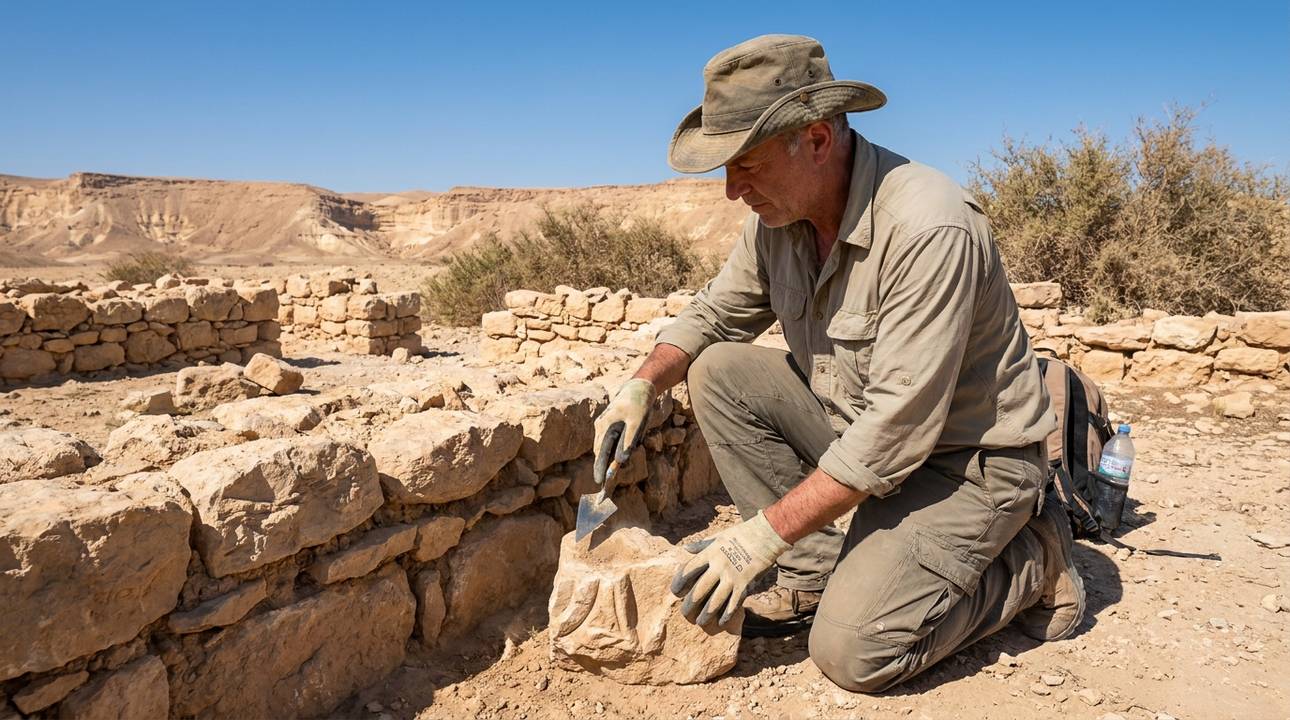
Modern scholars continue to study Kedar to uncover more about its exact historical footprint and societal impact. Archaeological evidence from regions believed to be inhabited by the Kedarites provides insights into their way of life, including their trade practices and social structures.
Ongoing research highlights the complexity of their interactions with neighboring nations, offering a deeper understanding of Kedar’s cultural and economic significance within the larger historical narrative. This research helps to paint a more comprehensive picture of the tribe’s role in history.
These academic pursuits continually reshape our perception of this ancient tribe, melding historical and archaeological evidence into a richer understanding. The study of Kedar not only enhances our knowledge of their specific contributions but also enriches our comprehension of the broader historical context in which they existed.
As scholars piece together these findings, they provide valuable insights into the interconnectedness of ancient societies and the enduring impact of Kedar on the cultural and economic landscapes of the region.

Zion in the Tanakh
Though primarily focusing on Kedar, it’s informative to juxtapose its significance with that of Zion, another crucial name in the Tanakh. While Kedar is depicted as powerful and distant, Zion carries sacred connotations as the spiritual heart of Jerusalem. In Psalm 87:2, Zion is described as the city loved by the Lord, contrasting with the more secular and worldly image of Kedar.
This contrast highlights the diversity of tribal and geographical narratives present in the Bible, enriching our understanding of the region’s complex history.
It allows us to explore how different tribes and cities interacted and were perceived within the greater historical story. The differing roles of Kedar and Zion reflect the varied cultural and societal landscapes of the ancient Near East.
While Kedar represents the worldly and material aspects of the region, Zion embodies the spiritual and divine. This juxtaposition offers a deeper understanding of the values and priorities that shaped the historical narrative and the societies it describes.
Conclusion: the Enduring Presence of Kedar
Kedar’s presence in historical texts acts as a sign of its historical and cultural role. The tribe’s portrayals provide vital insights into interactions across regions and peoples. Kedar is mentioned as a trading partner with Tyre, offering lambs, rams, and goats, highlighting its role in commerce. Studying Kedar not only reveals the tribe’s direct impacts but also enriches our comprehension of the historical world and its intricate weave of narratives.
As we trace Kedar’s map, both literally and metaphorically, we uncover stories of commerce, conflict, and coexistence that remain relevant to this day. Kedar’s interactions with neighboring tribes and its portrayal in prophetic texts underscore its complex relationship with Israel and other nations.
These interactions reveal the interconnectedness of ancient societies and the dynamic nature of their relationships. Understanding Kedar’s role in these narratives provides a deeper appreciation of the historical and cultural context of the Bible.

Kedar's Place in Historical Context
