
Understanding the Role of Abel-Mizraim in the Bible


Abel-Mizraim is known as a place associated with mourning, mentioned during a funeral procession from Egypt. This event took place after the death of a notable figure in Egypt, who lived there under the care of his son, a prominent official. The procession included family and Egyptian dignitaries, showing the high regard he held in both lands.
The name Abel-Mizraim translates to “the mourning of Egypt,” reflecting the sorrow shared by Egyptians and Hebrews. Located near the Jordan River, it became a site of lamentation, symbolizing unity between different cultures.
What Is Abel-Mizraim?
Abel-Mizraim refers to a location linked with a significant funeral event after a death in Egypt. A large group paused at a threshing floor beyond the Jordan to mourn.
This place was named Abel-Mizraim due to the Egyptian mourning observed there. The funeral was grand, illustrating the respect commanded.
The lamentation by the family and Egyptians at Abel-Mizraim shows the deep connections and mutual respect formed during the time in Egypt. The event reminds us of the bonds that can form between different cultures.
from the Western Wall to Masada.

Where Is Abel-Mizraim Located?
Abel-Mizraim is associated with the region near the Jordan River, a significant area in historical geography. The mourning site was on the route from Egypt, marking a key point in a funeral procession.
Its exact location remains debated among scholars, with various theories suggesting different places near the Jordan. This uncertainty has led to further research into the historical and geographical context of the narrative, enriching our understanding of the journey from Egypt.
Some scholars propose it could be near modern-day Jericho, while others suggest locations further south.
The debate over the precise location of Abel-Mizraim highlights the challenges historians face. Despite these uncertainties, its significance in the narrative of the journey remains clear.
Abel-Mizraim not only marks a physical location but also represents a journey for the descendants, as they retraced the steps of their ancestors back to their homeland.

Why Is Abel-Mizraim Important?
Abel-Mizraim holds prominence due to its role in a significant story. The grand mourning there reflects the cultural role of funerals in historical times. This event underscores the relationships between Egypt and another region, highlighting mutual respect. The presence of a large group, including Egyptian officials, emphasizes the event’s significance. It illustrates the deep ties and mutual respect between Hebrews and Egyptians, forged during their coexistence in Egypt. The participation of Egyptian dignitaries shows the extent of influence, not just within the family but also in broader society.
The mourning procession, which included chariots and horsemen, was described as a very great company, indicating the high regard in which the individual was held. This event also highlights the diplomatic relations between Egypt and another region, as the Egyptians were willing to travel to honor the individual.
Thus, Abel-Mizraim marks historical cooperation and mutual respect that existed between these regions.
Historical Context of Abel-Mizraim
Abel-Mizraim is part of a broader narrative of a journey from Egypt back to another region. It served as a stopping point, reflecting traditional mourning practices of the time. The journey symbolizes the return to a homeland, a theme prevalent in historical narratives. The procession included a large group, indicating the importance of community in mourning. Abel-Mizraim thus stands as a sign of the enduring connection between the people and their ancestral land, even after years in Egypt. The event also reflects the fulfillment of a wish to be buried with forefathers in a significant burial site.
from the Western Wall to Masada.
Historical References to Abel-Mizraim
The story of Abel-Mizraim ties it to events following a notable death. This passage provides insights into early traditions, particularly the practice of mourning and burial.
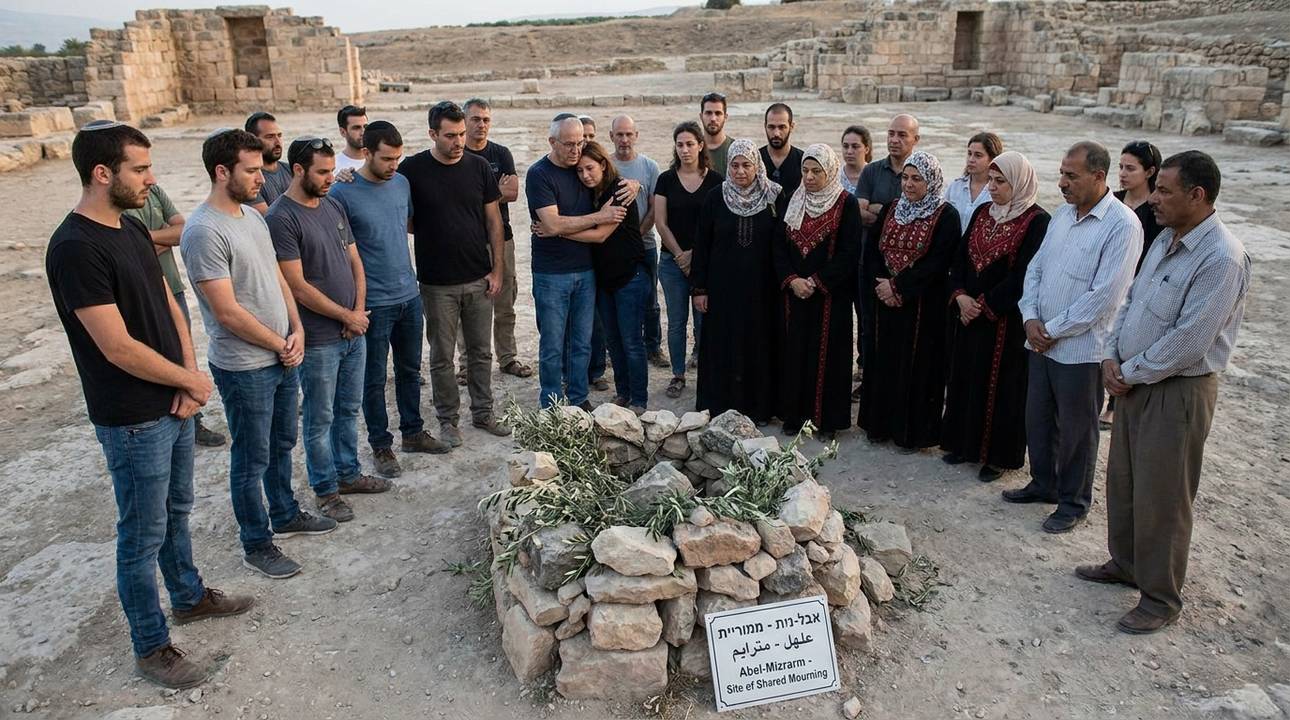
The mourning period there lasted seven days, a tradition that continues in customs today as shiva, the seven-day mourning period. Abel-Mizraim reflects the importance of honoring one’s ancestors and maintaining familial bonds, even across borders.
It also underscores the integration of Egyptian and Hebrew customs during that era, as Egyptians participated in the mourning. The shared customs highlight the cultural exchanges during the time in Egypt.
Cultural Role of Abel-Mizraim
Abel-Mizraim symbolizes the blending of cultures between Egyptians and Hebrews. This is evident in the shared mourning customs observed there. The Egyptians mourned alongside the family, illustrating the deep connections formed during their time in Egypt. The location is a sign of the historical interactions between peoples, highlighting familial bonds that transcended cultural boundaries. The mourning period lasted seven days, aligning with the Hebrew tradition of shiva, demonstrating cultural exchange between the two groups. This shared experience underscores mutual respect and cooperation that existed between these regions.
Abel-Mizraim in Jewish Tradition
Jewish traditions emphasize the connection of Abel-Mizraim to Jewish heritage, representing continuity and remembrance within the culture. Its mention enriches the understanding of Jewish ancestry, showcasing the importance of family and tradition in Jewish life. The location serves as a reminder of the shared history and experiences of the Jewish people, from their time in Egypt to their return to another region. Abel-Mizraim thus holds a place in shared history, symbolizing enduring family bonds across generations. The event is a sign of the legacy of influence, which is still felt today as Jewish communities continue to honor their ancestors and maintain traditions.
Current Understanding of Abel-Mizraim
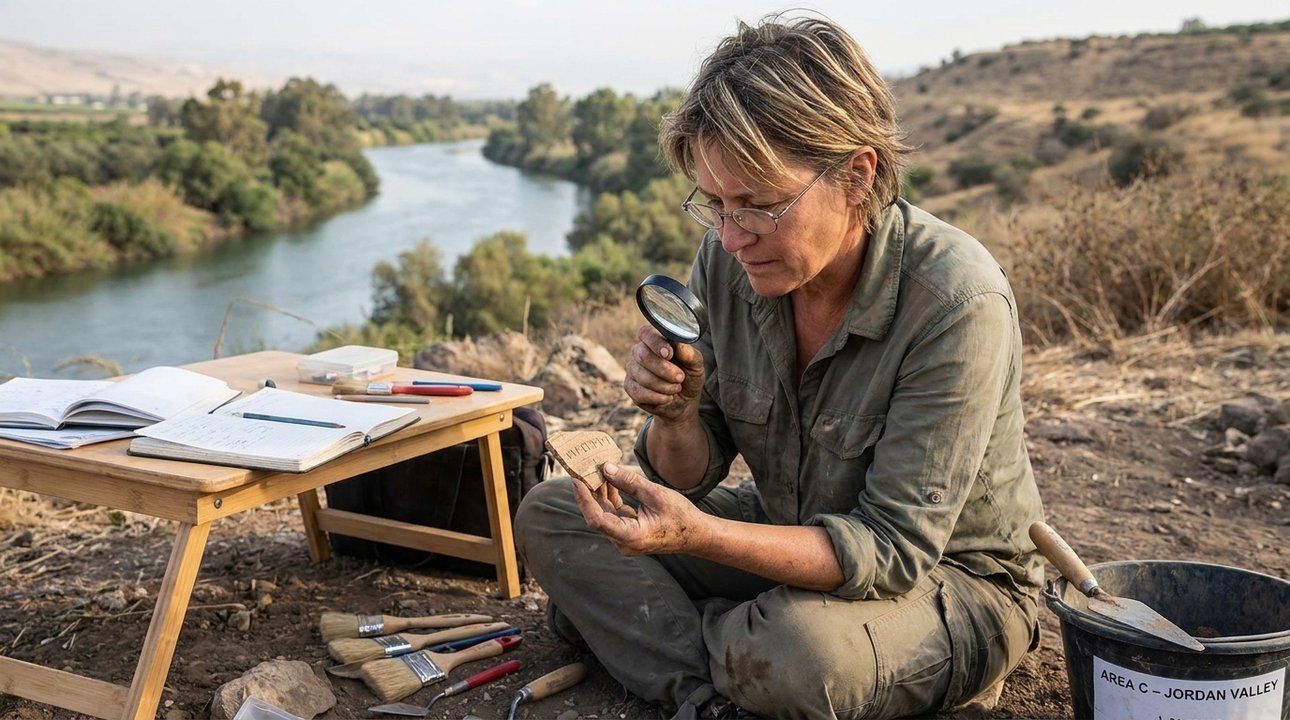
Modern scholarship views Abel-Mizraim as an important historical location, though debates continue regarding its exact site. This has promoted exploration of historical geography, with scholars examining ancient texts and archaeological evidence to pinpoint its location. Despite the uncertainty, its legacy persists in studies today. Often associated with the area near the Jordan River, exact identification remains elusive. This ongoing exploration highlights the dynamic nature of scholarship and its role in understanding historical contexts. The search continues with new research and discoveries in archaeology, contributing to our understanding of past events.
Understanding Abel-Mizraim
