
Exploring the Significance of the Brook of Egypt
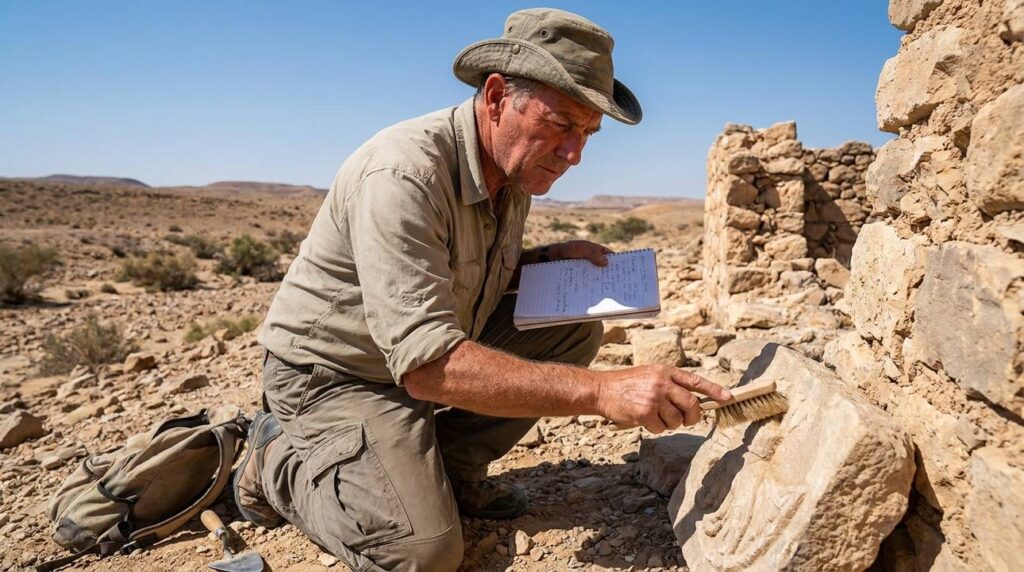

The Brook of Egypt, mentioned in historical texts, served as a significant boundary in earlier times. It marked the southern limit of the land allocated to certain tribes, delineating territories in historical narratives.
This boundary was crucial in defining the extent of the land, which was central to the identity of the people and their historical relationships. Understanding its geographical and historical context provides insight into the territorial delineations in historical stories.
The importance of this boundary is highlighted by its mention in territorial agreements. It is described as part of the southern boundary of certain tribes, emphasizing its role in tribal allocations.
This delineation was not only about geography but also reflected the people’s journey and their connection to the land. The historical context offers a deeper understanding of the narratives and the ancient world.
from the Western Wall to Masada.
What Is the Brook of Egypt?
The Brook of Egypt, often identified with the Wadi el-Arish, served as a boundary between regions. It appears in historical texts as a defining line separating distinct areas.
This boundary is mentioned several times in historical narratives, including in the context of territorial descriptions. Its identification as a boundary demonstrates the geographic and symbolic lines that distinguished regions from their neighbors.
Understanding the location and historical context of this boundary helps to illuminate how ancient peoples viewed and described their world.
Geographical Location of the Brook of Egypt
Geographically, the Brook of Egypt is associated with Wadi el-Arish, a dry riverbed that flows into the Mediterranean Sea. This identification is supported by historical texts and archaeological findings that provide a concrete location for this ancient boundary.
As the southern border of the historical land, it played a crucial role in defining the extent of the territory, influencing historical conflicts and interactions with neighboring regions. The wadi’s location made it a natural demarcation line.
The history of Wadi el-Arish as a boundary is further highlighted by its mention in ancient Egyptian texts, which describe it as a boundary between Egypt and its neighbors, underscoring its strategic importance. Archaeological evidence, such as ancient roads and fortifications, supports this identification, illustrating the wadi’s role in regional history. Its location as a natural boundary influenced the political and cultural dynamics of the ancient world, shaping the interactions between civilizations.
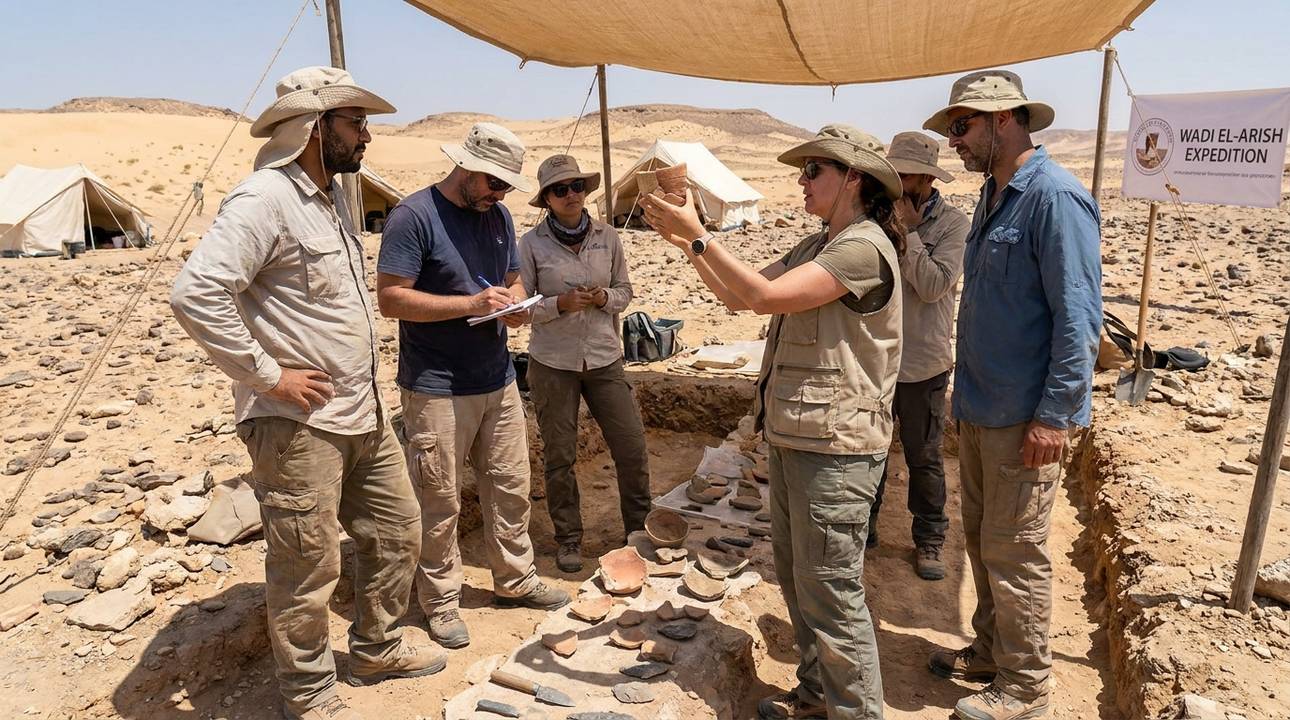
The association with Wadi el-Arish is further supported by archaeological evidence, including ancient settlement patterns that align with historical accounts. Excavations have revealed remnants of structures and artifacts indicating a community. This natural boundary was not merely symbolic but had real implications for the geopolitical landscape of the time, influencing trade routes and military strategies. The presence of ancient roads suggests it was a key passage for caravans and armies.
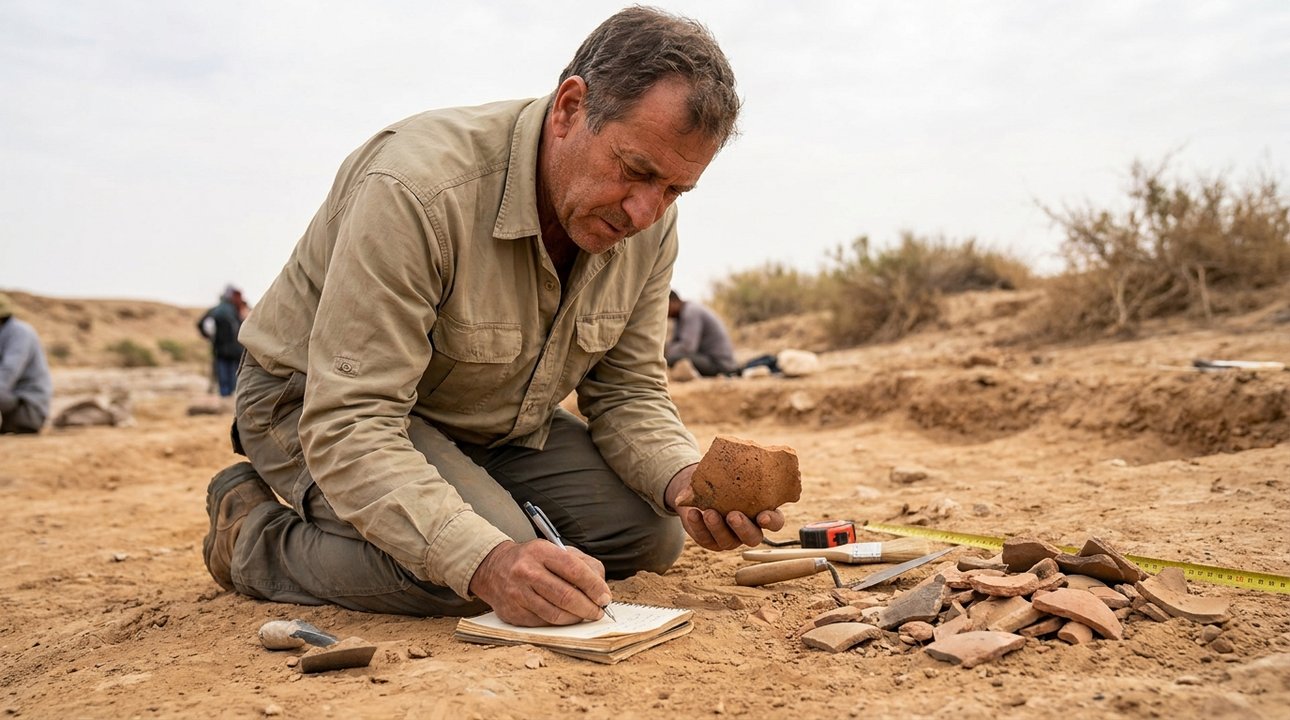
Archaeological discoveries in the Wadi el-Arish region include pottery shards and tools dating back to the Bronze Age, indicating a long history of settlement and trade. These findings help researchers understand how this area functioned as a boundary.
The presence of fortifications suggests it was also a defensive line, crucial in ancient military strategies. The artifacts unearthed provide a tangible link to the past, illustrating the dynamic interactions between neighboring civilizations.
The Brook in Historical Narratives
In historical texts, this boundary serves as a significant marker, delineating territories allocated to different tribes. It symbolizes the boundary of promises made to ancestors and their descendants.
This boundary served not only a geographical function but was also emblematic of historical promises and agreements. Understanding its role in historical texts provides a unique perspective on the territorial and tribal dynamics of the past.
The symbolic significance highlights the importance of physical landmarks in ancient treaties and historical texts.
Historical Role of the Brook
Historically, this frontier was a critical point in the interactions between regions. It was a strategic location where armies and caravans traversed, facilitating trade and military movements.
This natural divide helped maintain the territorial integrity of early lands, as seen in historical accounts. Its position as a border witnessed numerous events that shaped the region’s history, including conflicts and negotiations between powerful ancient regions.
This boundary served as a meeting point for cultures and ideas.
The strategic importance of this boundary is further underscored by its mention in ancient texts. These texts describe it as a boundary between regions, highlighting its role in regional politics and trade. Archaeological evidence, such as ancient roads and fortifications, supports this identification, illustrating its role in shaping the interactions between ancient regions. Its history is still remembered through research and exploration, offering valuable insights into the ancient world.
This boundary’s role is highlighted in historical narratives, where it is mentioned as a boundary of the land.
This location influenced political boundaries and was pivotal in the historical interactions between regions, impacting trade routes and military campaigns.
It is referenced during the reign of historical figures, emphasizing its importance in defining territorial reach and its interactions with neighboring powers.
The strategic significance of this boundary is further underscored in the context of ancient military campaigns. It served as a critical point of defense and expansion, marking the extent of a kingdom’s influence. This strategic location allowed for control over key trade routes, facilitating the movement of goods and armies between powerful civilizations. Its role in these interactions is a sign of its enduring importance in the region’s history.
Modern Identification and Archaeology
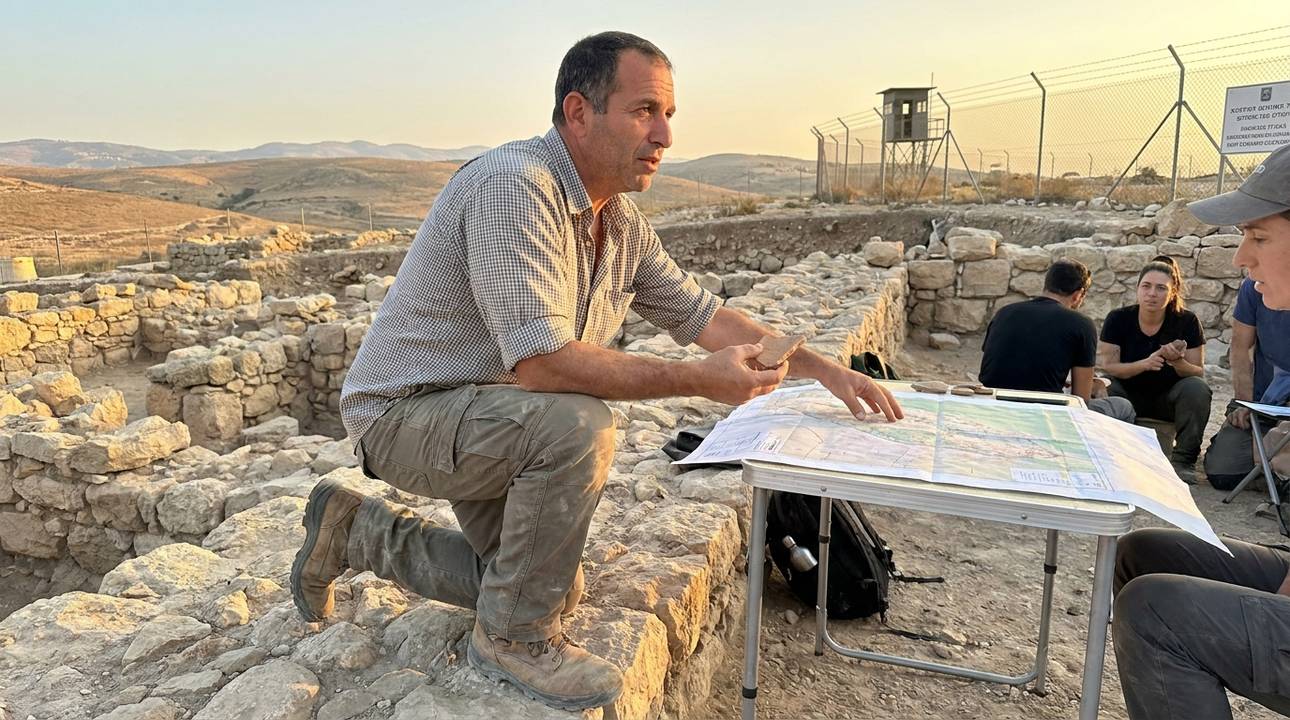
Modern archaeological studies have focused on confirming this boundary’s identity with Wadi el-Arish. Excavations and satellite imagery have revealed insights into the ancient landscape, showing how it influenced cultural interactions.
Archaeological evidence supports its identification as a boundary, with discoveries of ancient settlement patterns aligning with historical accounts. These findings provide a physical link to historical narratives, emphasizing the continuity between ancient texts and modern exploration.
The history of this boundary is etched in the land.
The use of advanced archaeological techniques, such as ground-penetrating radar and satellite imagery, has further illuminated the historical landscape of this boundary. These methods reveal settlement patterns and fortifications that align with historical accounts.
The evidence supports the identification of this area as a significant boundary, providing a physical link to ancient narratives. These findings enhance our understanding of how natural features shaped the interactions between ancient regions and their cultural development.
The archaeological evidence includes remnants of ancient fortifications and artifacts that suggest the area’s history. Excavations have uncovered pottery shards and tools dating back to the Bronze Age, indicating a long history of settlement and trade. These discoveries help researchers understand how this boundary functioned, influencing trade and cultural exchanges. The presence of fortifications suggests it was also a defensive line, crucial in ancient military strategies.
from the Western Wall to Masada.
Modern archaeological techniques, such as satellite imagery and ground-penetrating radar, have further illuminated the historical landscape of this boundary. These methods reveal settlement patterns and fortifications that align with historical accounts.
The evidence supports the identification of this area as a significant boundary, providing a physical link to ancient narratives. These findings enhance our understanding of how natural features shaped the interactions between ancient regions and their cultural development.
Brook of Egypt Today
Today, Wadi el-Arish is often identified with the historical Brook of Egypt, providing a tangible link to ancient narratives. Although it no longer holds geopolitical importance, its role continues to captivate scholars.
This site offers a view into the past, allowing researchers to explore ancient boundaries and their implications. Modern studies use archaeological methods to understand its role as a boundary, shedding light on regional history and cultural interactions.
Its legacy endures in the stories it inspired.
The identification of Wadi el-Arish with this boundary is supported by both historical texts and archaeological evidence. These findings provide a concrete link to historical narratives, illustrating its role in shaping the interactions between ancient regions. The wadi’s location as a natural boundary influenced trade routes and military strategies, contributing to the cultural and economic development of the region. Its history is still remembered through research and exploration, offering valuable insights into the ancient world.
Wadi el-Arish, located in the Sinai Peninsula, remains a geographical feature of interest. It offers insights into the ancient world through modern lenses, helping scholars piece together the puzzle of historical territorial boundaries.
Current studies focus on its significance as an ancient boundary, examining its role in the broader context of regional history and its impact on cultural exchanges between regions. The wadi’s dry riverbed is a reminder of the natural barriers that shaped ancient regions.
The strategic importance of Wadi el-Arish is further highlighted by its location along ancient trade routes. These routes facilitated the exchange of goods and ideas, contributing to the cultural and economic development of the region.
Archaeological findings, such as pottery and tools, provide evidence of these interactions, offering a glimpse into the daily lives of those who lived along this historic boundary. The wadi’s legacy as a crossroads of civilizations continues to captivate researchers today.
Cultural Role and Legacy
The cultural role of this boundary extends into its symbolism as a boundary marker in historical heritage. It appears in texts, illustrating historical perspectives that have persisted for generations. Its presence in historical literature reflects the enduring connection between physical geography and cultural identity. By examining these narratives, we gain insight into how ancient boundaries intertwined with journeys and remain relevant in historical studies. The symbolism of this boundary endures.
This boundary’s role as a boundary marker is further emphasized by its mention in literature, where it symbolizes the limits of the land. This symbolism highlights the importance of boundaries in shaping cultural identity and understanding. Its presence in historical literature underscores its importance in defining cultural heritage. By studying these narratives, we gain insight into the historical and cultural context of the ancient world, enriching our appreciation of history.
This boundary’s role is not only geographical but also cultural, symbolizing the limits of the land. This symbolism is evident in literature, where it represents the separation between the known world and the wilderness beyond.
Such narratives highlight the importance of boundaries in shaping cultural identity and understanding. It marks the southern extent of the land, emphasizing the connection to heritage and promises.
The cultural role of this boundary is also reflected in its mention in historical texts, where it serves as a boundary marker. This highlights its role in defining cultural identity. Its presence in historical literature underscores the enduring connection between physical geography and cultural heritage, illustrating how boundaries can shape not only territories but also the journeys of a people.
Conclusion: the Continued Study of the Brook
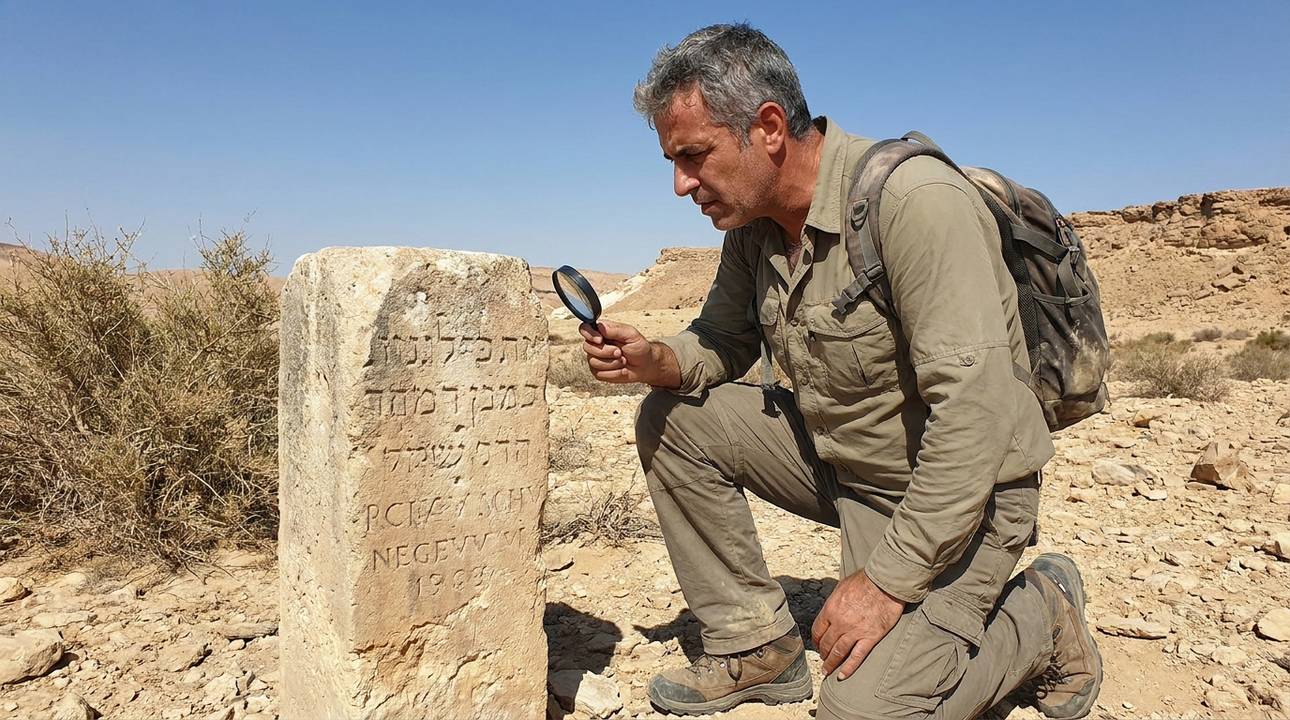
Studying this boundary enriches our understanding of historical geography and the narrative landscape of ancient texts. It emphasizes the role of natural features in shaping cultural boundaries. With ongoing archaeological research and historical analysis, this area continues to offer valuable insights into the relationships and dynamics of ancient regions. Recognizing its significance helps forge a connection with earlier times, allowing us to appreciate the historical roots and the stories that are still remembered through study.
This boundary’s historical and cultural role is further highlighted by its role in narratives. These stories provide a window into the past, illustrating the interactions between ancient regions and their journeys. Its presence in historical literature underscores its enduring importance in shaping cultural identity and understanding. By studying these narratives, we gain insight into the historical and cultural context of the ancient world, enriching our appreciation of history.
Brook of Egypt Facts